Isaías 47
Bibiri Kuyie Nnɑ́ɑǹtì Pɑ́tíri · Toque num versículo para ver as referências cruzadas.
Bɑbidɔnni ɛì kɔbɛ domɛ̀
1Díndi Bɑbidɔnni ɛì kɔbɛ,
cútɛ́nɛ̀ kɛ́kɑri kɛtenkɛ̀
fɔ̃́ mBɑbidɔnni ɛì bɛ̀ do í kɑ́ɑ́ nwè,
kɑroo kɛtenkɛ̀ ɑ kpɑ̀tì í kpɑɑ́,
díndi Kɑndee ɛì kɔbɛ.
Bɛ̀ tɛ̃́nkɛ í yó ndi yu kɛ tú bɛwennibɛ, bɛsɑ̀ɑ̀bɛ̀.
2Túótɛ́nɛ̀ kunɑ̀ntɛ̀mbiku kɛ́nɑɑ mmuyuo.
Dɑ́tɛ́nɛ̀ tiyɑ̀ɑ̀tì di ììkɛ̀, kɛ́feínko,
deènnɛ̀ di yɑ̀ɑ̀tì kɛ́feí ndi kpèrɛ̀,
kɛ́nɑ kɛ́séntɛ́ kukó.
3Kɛ̀ di fɔ̃̀ɔ̃ feitɛ́, kɛ̀ bɛ̀ɛ yɑ̀ di fɛi,
míì yóó pɛitɛ,
òmɔù í bo wèè bo yetɛ.
4Kuyie nkuù mɛ nyɛ̃,
kɛ̀ tínti Isidɑyɛɛribɛ biɛ
ti kóò donti tú ti Yiɛ̀ nKuyie Mpɑkɛdɑɑ
wèè dò mpɑ́í pɑ́í,
kɛ ti te tínti Isidɑyɛɛribɛ.
5Bɑbidɔnni ɛì kɔbɛ,
kɑrinɛ̀ kɛ yĩ́ só,
sɔrinɛ̀ dibiìnnì miɛkɛ
kɛ yɛ̃́ bɛ̀ tɛ̃́nkɛ í yó ndi yu kɛ tú bɛ̀ɛ̀ bɑkɛ́ yɛkpɑ̀ɑ̀tìyɔ tɛyɛ̀.
6M miɛkɛ kɛɛ̀ do yɛ̀ n nìtìbɛ̀,
n diímmu n te bɛ̀ ifɛi,
m bɛ̀ ɑ̃nnɛ́mu di nɔu miɛkɛ,
di mɛ nyí bɛ̀ kuɔ́ mmɛsémmɛ̀,
kɛ toummu bɛdɑkótíbɛ̀ yɛtuɔ cɛ̃́ɛ̃́yɛ̀.
7Kɛ̀ di yɛ̀mmɛ̀ dò ndíì yó mbɑkɛ́ sɑ̃́ɑ̃̀,
bɑ́ dí í toti di yɛ̀mmɛ̀ tìì dɔ̀ɔ̀ri ti ĩ́nkɛ̀,
di í dɑ̀ɑ̀tɛ kɛ dò ndɛ̀ mɔ̀kɛ kumɑ̀nku.
8Di mmɔ̀nnì kéntɛ́nɛ̀ n yɛ̃ mmù, díndi bɛ̀ɛ̀ dɔ̀ɔ̀ri di dɔ́mɛ̀.
Díndi bɛ̀ɛ̀ kɑ̀ri bɛ̀tɛ̀ìì, kɛ nɑ́ɑ́ ndi yɛ̀mmɛ̀ miɛkɛ kɛ tú:
Kɛ̀ dɛ̀ í tú tínti otɔù mɔù í bo,
kɛ̀ di yɛ̀mmɛ̀ dò ndi í yóó nɑɑ́ mbɛkúpobɛ̀,
kɛ yɛ̃́ kɛ tú di bí í yóó kú.
9Dɛ kó mɛborimɛ mɛdɛ́ yóó di tuɔkɛnímu,
dimɔ̀nnì dìmɑ́ɑ̀, diyiè dìmɑ́ɑ̀.
Di bí yóó kúmu, di yóó nɑɑ́mmu bɛkúpobɛ̀,
dɛ̀ yóó dɔɔ̀mu bɑ́ kɛ̀ di dɔ́ di dɔɔ̀ dɛnitinɔ̀nkpɛrɛ,
bɑ́ kɛ̀ di dɔ́ dí tì beé n di bɔkɛ̀.
10Di do tɑ̃́ dimɑ́ɑ̀ ndi di nɔmmɛ̀ kɛ dɔɔri dɛnitinɔ̀nkpɛrɛ,
di ɔ̃ ndɔɔri dɛ̀ kɛ nɑ́ɑ́ nkɛ tú: Òmɔù í ti wúó,
di kó mɛciì nnɛ̀ di kó mɛyĩ́ɛ̃́tímɛ̀ dɛɛ̀ di fèntɛ,
kɛ̀ di nɑ́ɑ́ n kɛ tú: Kɛ̀ dɛ̀ í tú tínti òmɔù í bo kɛ ti dònnɛ̀.
11Mɛyɛǹcɑɑ̀rìmɛ̀ mɛɛ̀ di doti, di í yóó nɑ kɛ́ mɛ̀ còńnɛ́,
mɛyɛi ndiɛmɛ̀ mɛɛ̀ di tɑti, di í yóó nɑ kɛ́ mɛ̀ yentɛ́nɛ̀.
Bɛpɔ̀mbɛ̀ bɛɛ̀ di doti dimɔ̀nnì dìmɑ́ɑ̀.
Di do í dɑkɛ bɛ̀ɛ̀ kpɛ́í.
12Sɔɔtɛ́nɛ̀ kɛ́ndɔɔri dɛnitinɔ̀nkpɛrɛ kɛ beeti yɛbɔkɛ̀,
di duɔ́ ndɛ̀ dimɑ́ɑ̀ nɛ̀ di bíkɛ́mbɛ́ntì,
kɛ̀ dɛ̀ nɑɑti di pɛ́tɛ́ mucɔ̃́ntimu, kɛ̀ dɛ yie ndí kpenkɛ.
13Di ɔù bɛ̀ɛ̀ borɛ̀ tipɑ̃ɑ̃tì bɛ̀ borɛ?
Bɛ̀ɛ kɔtɛní kɛ́ dí teennɛ̀,
bɛmbɛ bɛ̀ɛ̀ bɔ̀ú ntiwɛtì kɛ wéí siwɑ̃̀ɑ̃,
kɛ nɑ́ɑ́ ntìì dò nkɛ́tuɔkɛní bɑ́ wèè tɑ̃̀nkù.
14Di sɑ̃̀ɑ̃́tɛ́nɛ̀ timúkpetì nti kɛ̀ muhɑ̃ɑ̃́ nyóó di cɔ́útɛ́.
Di í yóó nɑ kɛ́yentɛ́nɛ̀ dɛ kó muhɑ̃ɑ̃́.
Mù í yó ntú musɑ́m̀pɔ́mù bɛ̀ pũũnɛ̀ mù pɛ̃́ɛ̃̀,
yoo bɛ̀ ɔ̃ɔ̃ tɔtìnnɛ mù kɛdɛkɛ̀ kɛ́nyiiri.
15Tiì yóó tuɔkɛní di kó bɛnitinɔ̀mbɛ̀ di ɔù bɛ̀ɛ̀ borɛ̀ nɛ̀ di bíkɛ́mbɛ́ntì.
Bɛ̀ yóó cíɛ́tɛ́mu bɛmɑ́ɑ̀ bɛmɑ́ɑ̀,
bɛ kóò mɔù í yóó nɑ kɛ́ di dɛɛtɛ́.
Você sabia?
A queda da Babilônia
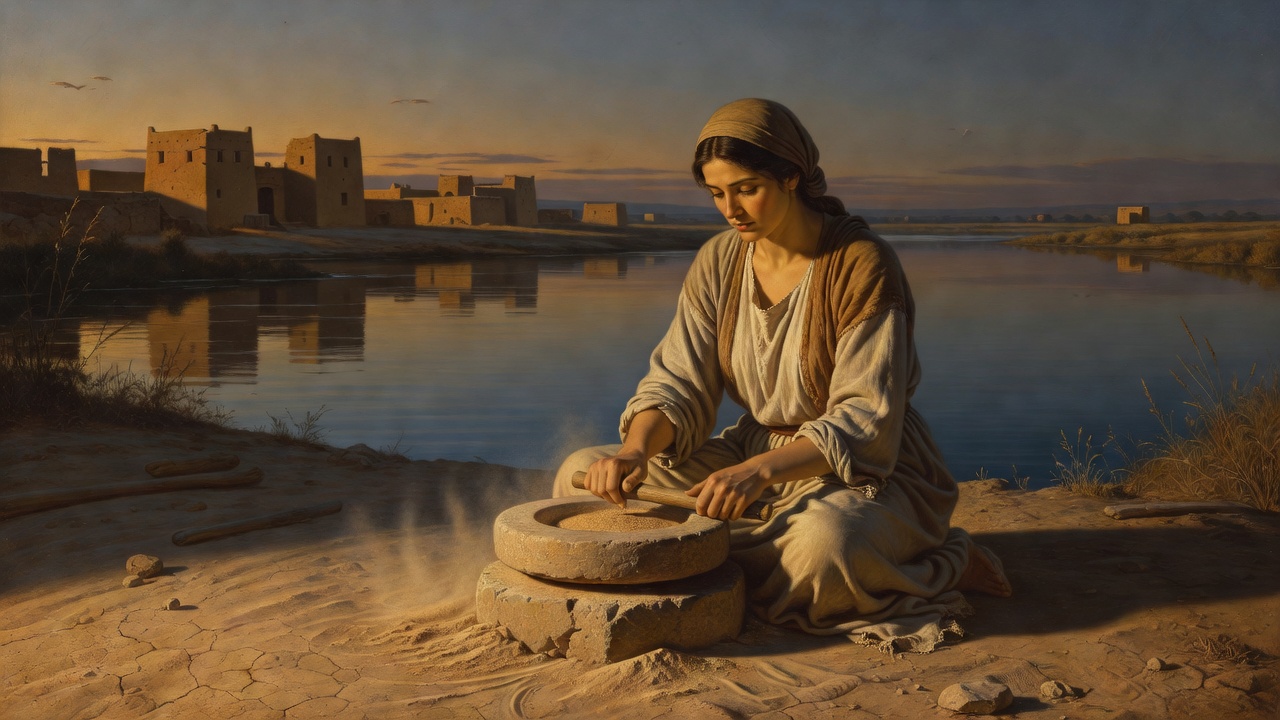
- A Babilônia é personificada como uma rainha mimada e filha nobre que é abruptamente humilhada. Em vez de se sentar em segurança em um trono luxuoso, ela recebe a ordem de se sentar no pó e realizar o trabalho servil de moer farinha com pedras de moinho.Fontes: o próprio texto bíblico
- O capítulo destaca a confiança da Babilônia em práticas ocultas e na observação das estrelas. O profeta desafia os astrólogos, feiticeiros e prognosticadores mensais da cidade a se apresentarem, declarando que suas artes queimarão como palha e não poderão impedir a ruína repentina.Fontes: o próprio texto bíblico
- A Babilônia, situada ao longo do rio Eufrates, na Caldeia, teve permissão para dominar o povo de Deus como instrumento de juízo. No entanto, o texto repreende o império por não demonstrar misericórdia, destacando que impôs jugos pesados até mesmo sobre os idosos.Fontes: Babylon · o próprio texto bíblico
Notas escritas com auxílio de IA a partir de fontes abertas (Theographic Bible Metadata, CC BY-SA 4.0; Easton’s Bible Dictionary, domínio público) e revisadas antes de publicar.
Lugares deste capítulo
Só aparecem lugares com identificação de alta confiança (90% ou mais segundo as fontes acadêmicas reunidas pelo OpenBible). Mapa da época: DARE (Digital Atlas of the Roman Empire), CC BY 4.0; mapa atual: © colaboradores do OpenStreetMap; lugares: OpenBible.info (CC BY 4.0).
Créditos e licença desta tradução
Bibiri Kuyie Nnɑ́ɑǹtì Pɑ́tíri
The Holy Bible in the Ditammari language of Benin
copyright © 2001 SIM International
Language: Ditammari
Translation by: SIM
This translation text is made available to you under the
terms of the Creative Commons License: Attribution-Noncommercial-No Derivative Works.
( http://creativecommons.org/licenses/by-nc-nd/3.0/ )
In addition, you have permission to port the text to different file formats, as long as you
do not change any of the text or punctuation of the Bible.
You may share, copy, distribute, transmit, and extract portions
or quotations from this work, provided that you include the above copyright
information:
You must give Attribution to the work.
You do not sell this work for a profit.
You do not make any derivative works that change any of the actual words or punctuation of the Scriptures.
Permissions beyond the scope of this license may be
available if you contact
us with your request.
This translation is made available to you under the terms of the
Creative Commons Attribution-No Derivatives license 4.0.
You may share and redistribute this Bible translation or extracts from it in any format, provided that:
You include the above copyright and source information.
You do not make any derivative works that change any of the actual words or punctuation of the Scriptures.
Pictures included with Scriptures and other documents on this site are licensed just for use with those Scriptures and documents.
For other uses, please contact the respective copyright owners.
2022-05-31
Fonte: http://ebible.org/tbzsim/ · eBible.org