Oseias 4
Bibiri Kuyie Nnɑ́ɑǹtì Pɑ́tíri · Toque num versículo para ver as referências cruzadas.
Kuyie nkpɑ̀nnɛ̀ tì Isidɑyɛɛribɛ
1Kɛ̀ ti Yiɛ̀ nKuyie mbɛ́i nkɛ dɔ̀:
Díndi Isidɑyɛɛribɛ kéntɛ́nɛ̀ kɛ́keè n dɔ́ kɛ́ di nɑ́kɛ́ tì,
òmɔù tɛ̃́nkɛ í dɔɔri dɛ̀ɛ̀ sìɛ́,
òmɔù tɛ̃́nkɛ í dɔ́ otɔù.
Òmɔù tɛ̃́nkɛ í n yɛ̃́ dihɛì diì mmiɛkɛ.
2Bɑ́ wè ò ɔ̃ mpɑrìkumu kɛ nɛ́ soú,
kɛ kɔù kɛ yuuku,
bɛmɔu kɛ̀ bɛ̀ dɔuti dɔutinɛ̀ bɛtɔbɛ̀ kɛ yóù mmɛdiɛ̀.
Kɛ kɔù bɛnìtìbɛ̀.
3Dɛɛ̀ kpɛ́í nte kɛ̀ dihɛì dimɔu kɑ̀ri mukṹṹ nkɛ̀ bɛnìtìbɛ̀ dèu
kɛ tɑunnɛ̀ tikpɑsĩ̀ntì
nɛ̀ tinɔ̀tì nɛ̀ siyĩĩ.
Kuyie nkpɑ̀nnɛ̀ tì ikuɔ́ nìùbɛ̀
4Kɛ̀ Kuyie mbɛ́i nkɛ dɔ̀:
Òmɔù í dò nkɛ́ n sɛi,
yoo wè n kpɑnnɛ̀,
fɔ̃́ nyikuɔ́ nìùtì diɛwè n sɛi fɔ̃́ nwe!
5A bo nkérí kuyie ncuokɛ̀ kɛ́bétɛ́,
kɛ̀ m pɑ̃ɑ̃nɑ́ɑǹtì nɑ́ɑǹtò nkérí kɛyènkɛ̀ kɛ́bétɛ́,
kɛ̀ n kuɔ ɑ yɔ̃.
6N nìtìbɛ̀ kɔ̃ mbɛ í yɛ̃́ mɛ̀ɛ̀ kpɛ́í nkɛ n nɑ́ɑǹtì.
Fɔ̃́ n kuɔ́ nìùtì ɑ mɔ́mmuɔ nhɑ í dɔ́ kɛ́ n yĩ́ɛ̃́tɛ́.
Nɛ̀ dɛ kpɛ́í n yóó dɑ dɛitɛmu n kuɔ́ tɔ̃mmú miɛkɛ.
A mɛ̀ n yɛ̃̀mmɛ̀ mí nKuyie mmí nwèè dɑ te,
n yóó yɛ̃̀mmu ɑ bí kpɛ́í.
7Bɛ̀ dɔ̀ɔ̀ri mɛyɛi mmɛ nɛ̀ bɛ̀ bɑɑ bomɛ̀.
M bo dɛitɛ bɛ sɑ̃nni kɛ̀ bɛ̀ɛ di ifɛi.
8N nìtìbɛ̀ feu ìì wũɔ̃ mɛyɛi ntũntimù kpɛ́í mbɛ̀ dɛ nyonnɛ̀,
dɛɛ̀ te kɛ̀ bɛ̀ dɔ́ bɛ̀ ndɔɔri mɛyɛi nkɛ̀ bɛ̀ pɛ̀ú kɛ yo.
9Mɛ̀ɛ̀ yɛi ndoti n nìtìbɛ̀,
mɛɛ̀ doti ikuɔ́ nìùbɛ̀,
n yóó bɛ̀ yietímu bɛ yɛi nkɛ fɔ́ɔ́
mbɛ yɛi mbɛ̀ dɔ̀ɔ̀ mɛ̀.
10Bɛ̀ yo nkɛ í diɛ̀,
kɛ nyóu kɛ tũ̀nnɛ yɛbɔkɛ̀ bɑ́ bɛ̀ í sṹũnko.
Bɑ nte?
Bɛ̀ tɛ̃́nkɛ í n dé mɛ̀ɛ̀ kpɛ́í nkɛ mí mbɛ Yiɛ̀ nKuyie.
11Bɛ̀ dɔuti dɔutinɛ̀ bɛtɔbɛ̀ mbɛ
kɛ nɔnnɛ̀ yɛnɑcɛkotɛ nɛ̀ mɛnɑpɑ̀mmɛ̀,
dɛɛ̀ bɛ̀ fèntɛ.
12N nìtìbɛ̀ nɛ́ bekù bɛ pɑ̃ɑ̃dɔ̀ nyɛ
idɛí iì bɛ̀ nɑ̀ɑ́ mbɛ kpɛti.
Kɛ̀ mubɔɔyɑɑ́ mbɛ̀ tɑ kɛ bɛ̀ fétìnnɛ,
kɛ̀ bɛ̀ dɛ̀tɛ́nɛ̀ Kuyie nkɛ tũ̀nnɛ yɛbɔkɛ̀,
mí nKuyie mmí nwèè bɛ̀ te.
13Yɛtɑ̃rɛ̀ ĩ́nkɛ̀ nkɛ bɛ̀ feumɛ̀ iwũɔ̃,
kɛ tuɔ̀ mmɛkùɔ̀ nsitɑ̃ɑ̃́ ĩ́nkɛ̀ nɛ̀ yɛtɔ̀rɛ̀ kó dɛtediɛrɛ̀,
kɛ nɔnnɛ̀ dɛ kó mɛdɛ́ɛ̀ nkó mukɑ̀rìmù,
dɛɛ̀ te kɛ̀ bɛ kó bɛsɑpɑ̀mbɛ̀ nɛ̀ bɛ cɔ̀ɔ̀bɛ̀ kɛ̀ bɛ dɔ̀ɔ̀ri dɛbɔɔkpɛrɛ.
14M mɛ nyí yóó bɛ̀ potɛ́ bɛ̀ dɔuti dɔutinɛ̀ mɛ̀ɛ̀ kpɛ́í bɛnitidɑɑbɛ̀,
n yóó potɛ́ ikuɔ́ nìùbɛ̀ mbɛ,
bɛmbɛ bɛ̀ɛ̀ ɔ̃ɔ̃ kɛntɛ́nɛ̀ bɛnitipòbɛ̀ bɛ̀ɛ̀ dɔuti dɔutinɛ̀ bɛnitidɑɑbɛ̀
kɛ́ bɛ̀ totɛ́nɛ̀ n kó mudiì.
Kubotí kuù nkɔbɛ í bɑɑ̀tì, bɛ̀ fetimu.
Kuyie ncɑummɛ̀ Sudɑɑ kɔbɛ nɛ̀ Isidɑyɛɛribɛ
15Kɛ̀ ti Yiɛ̀ nKuyie mbɛ́i nkɛ dɔ̀:
Isidɑyɛɛribɛ dɔuti dɔutinɛ̀ bɛtɔbɛ̀ mbɛ,
díndi Sudɑɑ kɔbɛ di bɑ́ɑ́ bɛ̀ teetɛ́ kɛ́dɔɔ̀ mɛyɛi,
di bɑ́ɑ́ kɔtɛ Kidikɑɑdi,
di bɑ́ɑ́ dekɛ Bɛti-Afɛnni.
Mí nKuyie m bomu,
òmɔù bɑ́ɑ́ pɑrìkɛ̀nɛ̀ n yètìrì.
16Isidɑyɛɛribɛ to kpeńnì kunɑɑ̀wɑ̀ɑ́tíkù kpɛyɛ kɔ̃mɛ mmɛ. Mí ndi Yiɛ̀ nKuyie m bo bɛ̀ yóu kɛ̀ bɛ̀ ncentì bɛ̀ dɔ́mɛ̀ dipebii kɔ̃mɑɑ̀? 17Kɛ̀ Isidɑyɛɛribɛ tɑunnɛ̀ yɛbɔkɛ̀ dí mbɛ̀ wùó. 18Bɛ̀ ɔ̃ nyóó yɛ̀nní tinɑɑ̀yɑ̃̀kɛ́muɔ́ntì miɛkɛ kɛ tɑ munitipowɑmmù mmu, kɛ dɔ́ ifɛi kpɛrɛ kɛ̀ dɛ̀ pɛ̃ɛ̃tɛ́ bɛ kó disɑ̃nni. 19Kuyɑɑkù kuù yóó bɛ̀ tùótɛ́ tɛfɔ̀dɔ́ntɛ̀ kɔ̃mɛ kɛ̀ ifɛii bɛ̀ pĩ̀ńnɛ̀ iwũɔ̃ bɛ̀ feu ì.
Você sabia?
A acusação de Deus contra Israel
- Oseias refere-se ao santuário do norte em Betel como Bete-Áven, que significa casa de nada ou casa de ídolos. Esse trocadilho pejorativo contrastava com o significado original de Betel, casa de Deus, destacando a transformação do local em um centro de adoração a bezerros.Fontes: Beth-aven · o próprio texto bíblico
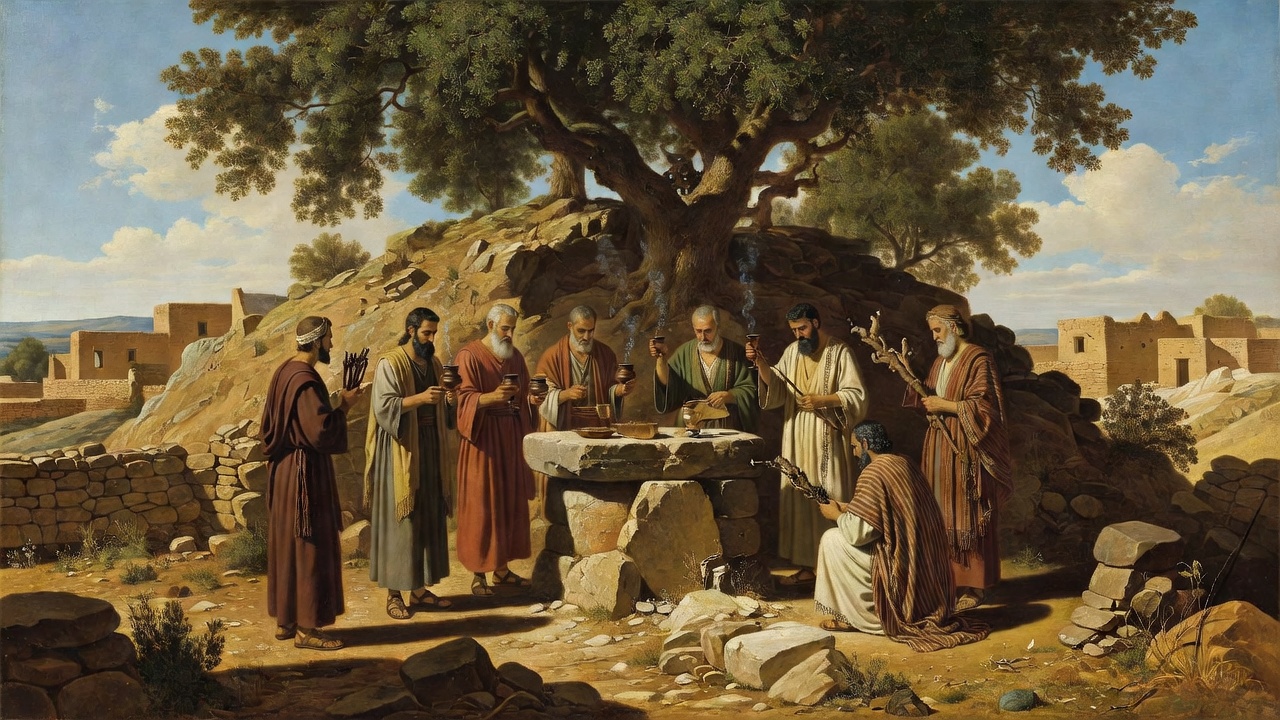
- O capítulo destaca como as práticas religiosas ocorriam no cume dos montes e sob a sombra agradável de carvalhos, álamos e terebintos. As pessoas combinavam esses rituais de sacrifício ao ar livre com adivinhação por meio de ídolos de madeira e varas.Fontes: o próprio texto bíblico
Notas escritas com auxílio de IA a partir de fontes abertas (Theographic Bible Metadata, CC BY-SA 4.0; Easton’s Bible Dictionary, domínio público) e revisadas antes de publicar.
Lugares deste capítulo
- Beth-aven · Hoje: Beitin · 31.923, 35.241 · versículo 15
Só aparecem lugares com identificação de alta confiança (90% ou mais segundo as fontes acadêmicas reunidas pelo OpenBible). Mapa da época: DARE (Digital Atlas of the Roman Empire), CC BY 4.0; mapa atual: © colaboradores do OpenStreetMap; lugares: OpenBible.info (CC BY 4.0).
Créditos e licença desta tradução
Bibiri Kuyie Nnɑ́ɑǹtì Pɑ́tíri
The Holy Bible in the Ditammari language of Benin
copyright © 2001 SIM International
Language: Ditammari
Translation by: SIM
This translation text is made available to you under the
terms of the Creative Commons License: Attribution-Noncommercial-No Derivative Works.
( http://creativecommons.org/licenses/by-nc-nd/3.0/ )
In addition, you have permission to port the text to different file formats, as long as you
do not change any of the text or punctuation of the Bible.
You may share, copy, distribute, transmit, and extract portions
or quotations from this work, provided that you include the above copyright
information:
You must give Attribution to the work.
You do not sell this work for a profit.
You do not make any derivative works that change any of the actual words or punctuation of the Scriptures.
Permissions beyond the scope of this license may be
available if you contact
us with your request.
This translation is made available to you under the terms of the
Creative Commons Attribution-No Derivatives license 4.0.
You may share and redistribute this Bible translation or extracts from it in any format, provided that:
You include the above copyright and source information.
You do not make any derivative works that change any of the actual words or punctuation of the Scriptures.
Pictures included with Scriptures and other documents on this site are licensed just for use with those Scriptures and documents.
For other uses, please contact the respective copyright owners.
2022-05-31
Fonte: http://ebible.org/tbzsim/ · eBible.org