Hebreus 3
Bibiri Kuyie Nnɑ́ɑǹtì Pɑ́tíri · Toque num versículo para ver as referências cruzadas.
Yesu dɛunɛ̀mɛ̀ Mɔyiisi
1N kɔbɛ Kuyie nyu bɛ̀, nwúónnɛ̀ Yesu nwe, Kuyie ntɔ̃nní wè, ikuɔ́ nìùtì diɛwè ti tũ nwèè kó kucɛ. 2Ò do dɔɔri Kuyie nkùù ò tɑ̃ɑ̃tɛ́ kòò pĩ ndɛ kó mutɔ̃mmú kù dɔ́mɛ̀ mmɛ, kɛ dò mMɔyiisi do dòmmɛ̀. Ti wɑ̃̀rimu kɛ tú Mɔyiisi do pĩ́ mmutɔ̃mmú Kuyie ncĩ́ɛ̃̀tɛ̀ kɛ̀ dɛ̀ wenni. 3Kòo nìtì mɑɑ́ tɛcĩ́ɛ̃̀tɛ̀ kɛ̀ tɛ̀ wenni, bɛ̀ ɔ̃ nsɑ̃ntí wèè tɛ̀ mɑɑ́ wènwe. Mɛɛ̀ botí nku ti dòmmɛ̀ kɛ́nsɑ̃ntí Yesu wèè pɛ̃ɛ̃tɛ́ Mɔyiisi. 4Kɑ̀ɑ yɑ̀ tɛcĩ́ɛ̃̀tɛ̀ ɑ ɔ̃ nyɛ̃́mu onìtì weè tɛ̀ mɑɑ́mɛ̀. Mɛɛ̀ botí nku ti yɛ̃́mɛ̀ kɛ dò nKuyie nkuù dɔ̀ɔ̀ dɛmɔu. 5Mɔyiisi do dò nhotɔ̃ntì nwe, kɛ pĩ́ nKuyie ncĩ́ɛ̃̀tɛ̀ miɛkɛ mutɔ̃mmú mumɔu kù dɔ́ mɛ̀ɛ̀ botí kɛ̀ dɛ̀ wenni, kɛ nɑ́ɑ́ nKuyie nhò duɔ́ ntì. 6Kirisi tu Kuyie mBirɛ ndɛ, kɛ dɔɔri kù dɔ́mɛ̀ sɑ̃́ɑ̃̀. Weè tu omɑrì, bɛ̀ɛ̀ ò yie nkɛ̀ bɛ̀ tu tɛcĩ́ɛ̃̀tɛ ò mɑɑ̀ tɛ̀ kɛ̀ nsɑ̀ kɛ̀ ti tɑ̃́ kɛ bɑɑ dɛ̀ɛ̀ kpɑɑní nɛ̀ diwɛ̀ì.
Kuyie ndo dɔ́mɛ̀ kɛ́om̀pùnnɛ ku kɔbɛ
7Dɛɛ̀ te kɛ̀ Muyɑɑ́nsɑ̀ɑ̀mù nɑ̀ɑ́ nkɛ tú:
Mí nKuyie nkɛ̀ n di bɛ́innɛ̀ yíe,
8di bɑ́ɑ́ kpénkùnnɛ di to,
di yɛmbɛ̀ do dɔɔrimɛ̀ kɛ yetírí n kpɛti,
n do bɛ̀ yɑ̀ɑ́kɛ́ dìì mɔ̀nnì dikpɑ́ɑ̀ cuokɛ̀.
9Yɛbie nsipísìnɑ̀ɑ̀ miɛkɛ
di yɛmbɛ̀ do yɑumu n dɔ̀ɔ̀ri tìì diɛtì,
kɛ bɑɑ ncĩ́ɛ̃́kɛ́ kɛ n yɑ́ú.
10Dɛɛ̀ do te
kɛ̀ m miɛkɛɛ pɛikɛ dɛ kó bɛnìtìbɛ̀,
kɛ̀ m bɛ́i nkɛ dɔ̀:
Bɛ nnìtìbɛ̀ í yie n kpɛti,
bɛ yɛ̀mmɛ̀ mɛɛ̀ n dɛ́tɛ́nɛ̀.
11Kɛ̀ m miɛkɛɛ pɛikɛ
kɛ̀ m pɑrìkɛ̀ kɛ dɔ̀:
Di í tɑti dihɛì mɛom̀pùmɛ̀ kpɛri.
12N kɔbɛ Kuyie mbomu, ndɑkɛnɛ̀ kòò mɔù yɛ̀mmɛ̀ bɑ́ɑ́ sĩntɛ kòo toò kpenkɛ, kòo kù dɛ̀tɛ́nɛ̀. 13Nyɑ́úkùnkonɛ̀ ditɔbɛ̀ kɔ̃̀ntì yɛwe yɛmɔu. Yíe nKuyie ndi yumu, di bɑ́ɑ́ yóu kɛ̀ mɛyɛi nsoutɛ́ òmɔù kɛ̀ dɛ kó diyiè ò pɛ̃ɛ̃tɛ́, kòo toò kpenkɛ kòo yetɛ Kuyie nkpɛti. 14Ti bo ntú Kirisi kɔbɛ kɛ̀ nsɑ̀ kɛ̀ ti tũ nKuyie nnɑ́ɑǹtì weti weti kɛ dò nti ti yie ndìì yiè kɛ̀ dɛ ndòmmɛ̀ kɛ tùɔ̀kɛnɛ̀ kumɑ̀nku.
15Ti wɑ̃̀rimu kɛ tú:
Mí nKuyie nkɛ̀ n di bɛ́innɛ̀ yíe,
di bɑ́ɑ́ kpénkùnnɛ di to,
di yɛmbɛ̀ do dɔɔrimɛ̀
kɛ yetírí n kpɛti.
16Ɔ̃̀mbɛ mbɛ bɛ̀ɛ̀ do kèè Kuyie nkpɛti kɛ́ tì yetɛ? Mɔyiisi do dɛɛtɛ́ bɛ̀mbɛ Esibiti kɛ bɛ̀ dènnɛ. 17Kuyie mmiɛkɛ do pɛ́íkú ɔ̃̀mbɛ yɛbie nsipísìnɑ̀ɑ̀? Bɛ̀ɛ̀ do dɔ̀ɔ̀ bɛ̀mbɛ mɛyɛi nkɛ kú dikpɑ́ɑ̀ cuokɛ̀. 18Kuyie ndo pɑ̀rìkɛ̀ kɛ dɔ̀ ɔ̃̀mbɛ í tɑti kù do dɔ́ bɛ̀ɛ tɑ kɛ̀ɛ̀ tenkɛ̀ kɛ́om̀pɛ̀? Bɛ̀ɛ̀ do yetɛ bɛ̀mbɛ ku kpɛti. 19Bɑ ndo te kɛ̀ bɛ̀ í ntɑ? Bɛ̀ do yetɛ mɛ̀ɛ̀ kpɛ́í nkɛ ku kpɛti, dɛɛ̀ do te kɛ̀ bɛ̀ í ntɑ dɛ kó kɛtenkɛ̀.
Você sabia?
Glória maior do que a de Moisés
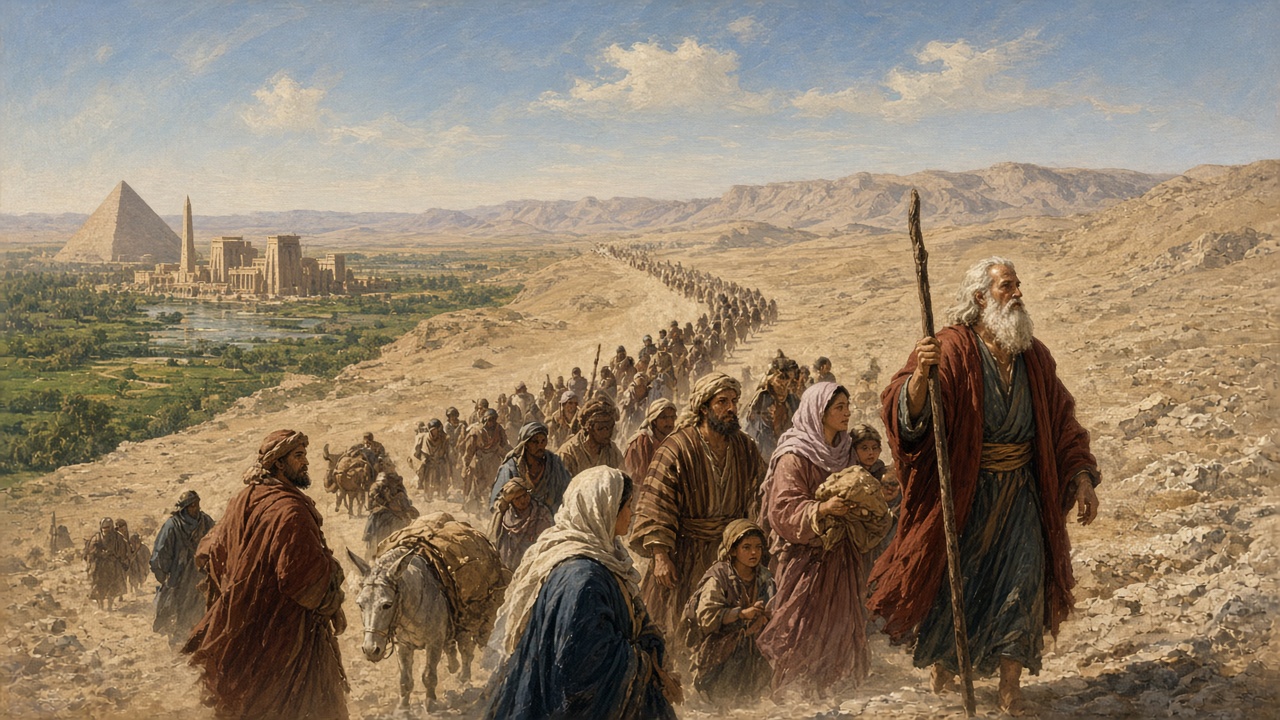
- Hebreus pede aos leitores que fixem a atenção em Jesus, o apóstolo e sumo sacerdote que confessam. Ele foi fiel àquele que o designou, assim como Moisés foi fiel em toda a casa de Deus, mas Jesus é considerado digno de maior glória do que Moisés, como o construtor de uma casa tem mais honra do que a própria casa. Moisés foi fiel como servo; Cristo é fiel como Filho sobre a casa de Deus.Fontes: o próprio texto bíblico
- A advertência volta-se ao povo que Moisés tirou do Egito. Durante quarenta anos no deserto, eles puseram Deus à prova; Deus se irou contra aquela geração e jurou que jamais entrariam no seu descanso, e os corpos deles caíram no deserto. O capítulo diz que a incredulidade os impediu de entrar.Fontes: o próprio texto bíblico
- O Egito, a terra que deixaram com Moisés, é a terra do Nilo e das pirâmides. O dicionário bíblico de Easton (1897) explica o nome Moisés como tirado, ou o liga à palavra egípcia mesu, que significa filho.Fontes: o próprio texto bíblico · Egypt · Moses
Notas escritas com auxílio de IA a partir de fontes abertas (Theographic Bible Metadata, CC BY-SA 4.0; Easton’s Bible Dictionary, domínio público) e revisadas antes de publicar.
Lugares deste capítulo
- Egypt · 30.129, 31.308 · versículo 16
Só aparecem lugares com identificação de alta confiança (90% ou mais segundo as fontes acadêmicas reunidas pelo OpenBible). Mapa da época: DARE (Digital Atlas of the Roman Empire), CC BY 4.0; mapa atual: © colaboradores do OpenStreetMap; lugares: OpenBible.info (CC BY 4.0).
Créditos e licença desta tradução
Bibiri Kuyie Nnɑ́ɑǹtì Pɑ́tíri
The Holy Bible in the Ditammari language of Benin
copyright © 2001 SIM International
Language: Ditammari
Translation by: SIM
This translation text is made available to you under the
terms of the Creative Commons License: Attribution-Noncommercial-No Derivative Works.
( http://creativecommons.org/licenses/by-nc-nd/3.0/ )
In addition, you have permission to port the text to different file formats, as long as you
do not change any of the text or punctuation of the Bible.
You may share, copy, distribute, transmit, and extract portions
or quotations from this work, provided that you include the above copyright
information:
You must give Attribution to the work.
You do not sell this work for a profit.
You do not make any derivative works that change any of the actual words or punctuation of the Scriptures.
Permissions beyond the scope of this license may be
available if you contact
us with your request.
This translation is made available to you under the terms of the
Creative Commons Attribution-No Derivatives license 4.0.
You may share and redistribute this Bible translation or extracts from it in any format, provided that:
You include the above copyright and source information.
You do not make any derivative works that change any of the actual words or punctuation of the Scriptures.
Pictures included with Scriptures and other documents on this site are licensed just for use with those Scriptures and documents.
For other uses, please contact the respective copyright owners.
2022-05-31
Fonte: http://ebible.org/tbzsim/ · eBible.org