Habacuque 3
Bibiri Kuyie Nnɑ́ɑǹtì Pɑ́tíri · Toque num versículo para ver as referências cruzadas.
Abɑkuku sɑutɛnɛ̀ Kuyie nnɛ̀ fɛ̀ɛ̀ yɛ̀nfɛ̀
1Kɛ̀ Abɑkukuu dèntɛ̀ fɛyɛ̀nfɛ̀ kɛ́sɑutɛnɛ̀ Kuyie nkɛ dɔ̀:
2Ti Yiɛ̀ nKuyie, n kèèmu ɑ do pĩ mmùù tɔ̃mmú,
kɛ dɑ yɔ̀tɛ.
Wɛ̃tɛ kɛ́pĩ́ ndɛ kó mutɔ̃mmú ti kó yɛwe yiɛ mmiɛkɛ.
Dɔɔ̀ mu kɛ̀ ti yɑ̀.
A miɛkɛ mɛ nti pɛikɛmɛ̀ ɑ nɑɑtimu,
ɑ nɛ́ ti kuɔ́ mmɛsémmɛ̀.
3Kuyie nyìtɛ́nímu Edɔmmu tempɛ̃, Temɑɑ ɛì,
kù ìtɛ́nímu Pɑnɑɑ tɑ̃rì ĩ́nkɛ̀,
kɛ̀ kuwenniku píɛ nkɛĩ́nkɛ̀ nɛ̀ kɛtenkɛ̀,
kɛ te kɛ̀ bɛ̀ kù sɑ̃ntí.
4Kù kèrínímu kɛ pĩnti di wennɛ́cɑ̀nnì kɔ̃mɛ,
kɛ̀ diyiè kpɛ̀rìmɛ̀ yìɛ̀ní ku nɔu miɛkɛ,
ku kpetì sɔ̀ri ku nɔu miɛkɛ nkɛ.
5Kuù niinní mutenkṹṹ,
kɛ kérí kɛ̀ mumɔmmú kù tũ.
6Kɛ̀ kù còḿmú dɛ̀ kɛtenkɛ̀ɛ ɑɑ́,
kɛ̀ kù wèńtɛ́, yɛbotɛ̀ yɛ̀ɛ kpeutɛ,
yɛtɑ̃rɛ̀ yɛ̀ɛ̀ do bo nɛ̀ dimɔ̀nnì kɛ̀ yɛ̀ pùɔ̀.
Kɛ̀ sitɑ̃ɑ̃́ sìì do bo nɛ̀ dimɔ̀nnì kɛ̀ sì yɑú,
kù do dɛ nkeri nɛ̀ dimɔ̀nnì.
7Kɛ̀ n yɑ̀ Kusɑ̃ɑ̃ ɛì kɔbɛ kɔ̃m̀bùɔ̀tì domɛ̀ bɛ touti miɛkɛ,
kɛ yɑ̀ kufɔ̃wɑɑ́ nhɑutɛ́mɛ̀ Mɑndiyɑ̃ɑ̃ ɛì kɔbɛ.
8Ti Yiɛ̀ nKuyie mmiɛkɛ pɛikɛ ikó ndiɛyì nyiɑ̀?
Ikó nyi ɑ miɛkɛ cɔ́ú mmɑ̀ɑ̀?
Yɑ́ɑ̀ dɑ̀mɛ́ɛ̀rì nwe ɑ miɛkɛ pɛikɛmɛ̀?
Kɑ̀ɑ dèkɛ sikpɑ̀rìnɑɑsɛ̃ĩ́ òmɔù í yóó nɑ sì?
9Kuyie nhɑ fĩnnɛ́mu ɑ tɑ̃mmù,
kɑ̀ɑ pie ntu yɛnɔ̀ ɑ ti dɔúnnɛ̀ yɛ̀.
Kuyie, fɔ̃́ɔ̃̀ dɑmmù kɛtenkɛ̀
kɛ̀ mɛniɛ nyiɛ̀ní kɛ̀ dɛ̀ nɑɑ́ nyikó.
10Kuyie nyɛtɑ̃rɛ̀ dɑ yɑ̀ kɛ sɑ̃̀ntɛ̀mu,
kɛ̀ mɛniɛ ncòúní, kɛ̀ dɑ̀mɛ́ɛ̀rì ùùti,
kɛ̀ yɛnɛ́fĩ̀nfĩ̀rɛ̀ dèkù kɛĩ́nkɛ̀.
11A pie nnɛ̀ ɑ kpɑ̃nnì dɛ kó mɛkpɛ̀rìmɛ̀ nɛ̀ dɛ kó fɛpíɛ̀fɛ̀
dɛɛ̀ còńnɛ́ diyiè nɛ̀ otɑ̃̀nkù.
12Nɛ̀ kɛmiɛkɛ nkɛ ɑ ceǹtìmɛ̀ kɛtenkɛ̀,
nɛ̀ kumiɛpíɛ́ nku ɑ nɑùmɛ̀ yɛbotɛ̀.
13Kuyie nhɑ còḿmú kɛ bo dɛɛtɛ́ ɑ nìtìbɛ̀ mbɛ,
nɛ̀ ɑ kóò kpɑ̀ɑ̀tì ɑ tɑ̃ɑ̃tɛ́ wè.
A pɔ̀ntɛmu oyɛiwe cĩ́ɛ̃̀tɛ̀ kɛ feínko dipũũ.
14Ti dootitɔbɛ̀ pie nyi ɑ fìètɛmɛ̀
kɛ dùùtɛnɛ̀ bɛ kóo kpɑ̀ɑ̀tì yuu.
Bɛ̀ do uríní kuyɑɑkù kɔ̃mɛ mmɛ kɛ íútí,
kɛ bo ti do tínti bɛsénnìbɛ̀.
Dicìrícìrì ɔ̃ɔ̃ pĩ́mmɛ̀ kɛ́tɑnnɛ̀ di dènkù.
15Dɑ̀mɛ́ɛ̀rì nɛ̀ o kó yɛnɛ́fĩ̀nfĩ̀rɛ̀
dɛ kó kunɔɔ̀roo miɛkɛ nkɛ ɑ keutɛ́mɛ̀ kucɛ,
kɑ̀ɑ sɛ̃ĩ́ kètɛ́.
16N dɛ nkèè kɛ̀ n kɔ̃m̀bùɔ̀tì do,
kɛ̀ n kɔ̃̀ntì ɑɑ́ kɛ̀ m bìɛ̀ nkpeutɛ,
n nɛ́ bɑɑ̀mu ti dootitɔbɛ̀ bo tuɔ̀kɛnímɛ̀ kɛ́ ti do.
17Fìkíè kó dɛtie ntɛ̃́nkɛ í pori,
fínyĩ̀ kpɛrɛ mɛ ntɛ̃́nkɛ í cɑ́ɑ́tí mùmɑmù,
dɛpɑɑ mmɛ ntɛ̃́nkɛ í pɛí,
fɛpìèfè tɛ̃́nkɛ í kpɑɑ́ dipedie miɛkɛ,
fɛnɑ̀ɑ̀fɛ̀ mɛ ntɛ̃́nkɛ í kɛ́rímú dinɑɑbɑɑkɛ̀rì.
18Mí nyie dɛ̀ n nɑɑtimu ti Yiɛ̀ nKuyie nkpɛ́í,
kɛ̀ n yɑ̃̀nku, kuù n dɛɛrí,
19Ti Yiɛ̀ nKuyie nkuù tu n kó muwɛ̃rímú,
kuù kpénkùnko n tɑ̀ɑ̀kɛ tɛyúɔ́tɛ̀ kpɛyi kɔ̃mɛ,
kɛ̀ n dèètì ditennì kuù ɔ̃ mpĩ́ n tɑ̀ɑ̀kɛ.
Bɛ̀ do ɔ̃ ndiè ndɛ kó fɛ̀yɛ̀nfɛ̀ kɛ biennɛ̀ kukùtìdùkù nku.
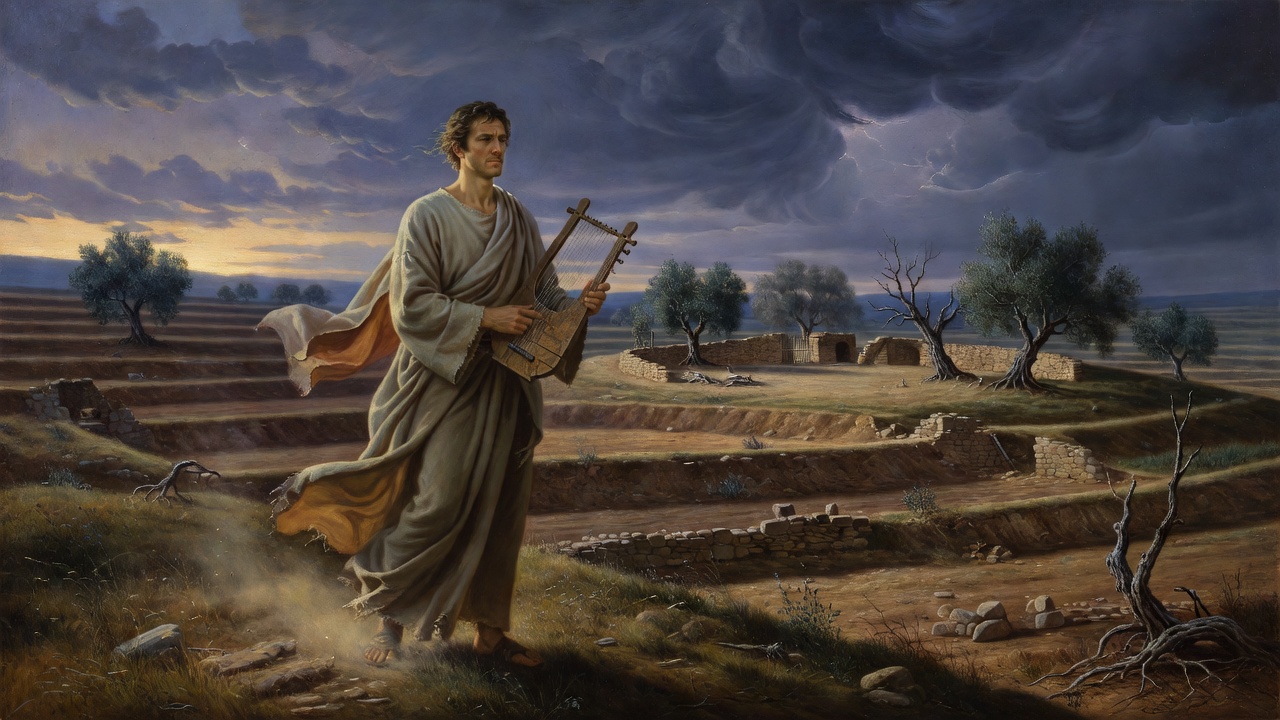
Você sabia?
A oração de Habacuque e o cântico de fé
- O poema retrata Deus surgindo a partir do deserto ao sul, mencionando Temã, no sul de Idumeia, e o monte Parã, no limite desértico da Terra Prometida. Essas referências geográficas ecoam descrições poéticas antigas do Senhor marchando em majestade desde o sul.Fontes: Teman · Mount Paran · o próprio texto bíblico
- Cusã e Midiã são descritas tremendo diante do avanço divino. Os midianitas eram tribos árabes nômades que viviam em tendas pelos desertos e pastagens do Sinai e do norte da Arábia.Fontes: Cushan · Midian · o próprio texto bíblico
- O capítulo é estruturado como um salmo litúrgico, trazendo termos musicais como 'Sigionote', 'Selá' e uma dedicação final ao regente do coro para execução com instrumentos de cordas.Fontes: o próprio texto bíblico
Notas escritas com auxílio de IA a partir de fontes abertas (Theographic Bible Metadata, CC BY-SA 4.0; Easton’s Bible Dictionary, domínio público) e revisadas antes de publicar.
Lugares deste capítulo
- Midian · 28.495, 35.012 · versículo 7
Só aparecem lugares com identificação de alta confiança (90% ou mais segundo as fontes acadêmicas reunidas pelo OpenBible). Mapa da época: DARE (Digital Atlas of the Roman Empire), CC BY 4.0; mapa atual: © colaboradores do OpenStreetMap; lugares: OpenBible.info (CC BY 4.0).
Créditos e licença desta tradução
Bibiri Kuyie Nnɑ́ɑǹtì Pɑ́tíri
The Holy Bible in the Ditammari language of Benin
copyright © 2001 SIM International
Language: Ditammari
Translation by: SIM
This translation text is made available to you under the
terms of the Creative Commons License: Attribution-Noncommercial-No Derivative Works.
( http://creativecommons.org/licenses/by-nc-nd/3.0/ )
In addition, you have permission to port the text to different file formats, as long as you
do not change any of the text or punctuation of the Bible.
You may share, copy, distribute, transmit, and extract portions
or quotations from this work, provided that you include the above copyright
information:
You must give Attribution to the work.
You do not sell this work for a profit.
You do not make any derivative works that change any of the actual words or punctuation of the Scriptures.
Permissions beyond the scope of this license may be
available if you contact
us with your request.
This translation is made available to you under the terms of the
Creative Commons Attribution-No Derivatives license 4.0.
You may share and redistribute this Bible translation or extracts from it in any format, provided that:
You include the above copyright and source information.
You do not make any derivative works that change any of the actual words or punctuation of the Scriptures.
Pictures included with Scriptures and other documents on this site are licensed just for use with those Scriptures and documents.
For other uses, please contact the respective copyright owners.
2022-05-31
Fonte: http://ebible.org/tbzsim/ · eBible.org