Ezequiel 28
Bibiri Kuyie Nnɑ́ɑǹtì Pɑ́tíri · Toque num versículo para ver as referências cruzadas.
Kuyie nyɛ̃ mbɛ̀ɛ nɑ́kɛ́ tì Tiiri ɛì kóo kpɑ̀ɑ̀tì
1Kɛ̀ ti Yiɛ̀ nKuyie nni mbɛ́innɛ̀ kɛ dɔ̀: 2Onìtì fɔ̃́! Míì tu ɑ́ nɑ́kɛ́ Tiiri ɛì kóo kpɑ̀ɑ̀tì kɛ dɔ̀: Mí ndi Yiɛ̀ nKuyie n tú ò mɛ̀ nhɑ̃nnɛ́mɛ̀ tɛfentɛ̀, kòo yɛ̀mmɛ̀ dò nhò tu Kuyie, kɛ́nɑ́ɑ́ nkɛ tú ò kɑ̀ri Kuyie nkó dikɑ̀rì ndi dɑ̀mɛ́ɛ̀rì cuokɛ̀. Kòo yɛ̀mmɛ̀ dò nhò m mɑ̀nnɛ̀ wenwe onìtì. 3Kòo yɛ̀mmɛ̀ dò nhò ciìnɛ̀ Dɑnniyɛɛri kɛ yɛ̃́ disɔ̀rì kpɛti timɔu. 4Nɛ̀ o ciì mmiɛkɛ nkɛ ò kpenkɛmɛ̀ kɛ mɔ̀ɔ̀tɛ tikpɑ̀tì mɛdiɛ̀ nkɛ tɑnnɛ́ mɛsɔɔ nnɛ̀ timɑ́tì pɛ́ítì o cĩ́ɛ̃̀tɛ̀. 5Ò nɔ nkupotɑɑ́ nku mɛsɑ̀ɑ̀ nkòo kpɑ̀tì sũ̀ṹ nkòò mɔ̀ɔ̀tɛ tɛfentɛ̀.
6Dɛɛ̀ te mí ndi Yiɛ̀ nKuyie kɛ̀ n tu o yɛ̀mmɛ̀ mɛ ndòmmɛ̀ ò tu Kuyie. 7Nɛ̀ dɛ kpɛ́í m bo duɔ́ nkɛ̀ ibotí tɛì ìì tu iyonkuyi kɛ̀ ìì ò dokɛ́nɛ̀ kɛ́puɔ nhò dɔ̀ɔ̀ dɛ̀ nɛ̀ mɛciì nkɛ́cɑkɛ o yetìdiɛrì. 8Ò yóó kúmu! Ò mɛ nyóó kú mutòntònkũṹ mmu dɑ̀mɛ́ɛ̀rì miɛkɛ. 9Bɛ̀ɛ̀ yóó ò kùɔ bɛ̀ bo ò pĩ ndìì mɔ̀nnì ò bo dɑ́ɑ́tí kɛ dɔ̀ ò tu Kuyie nwenwe onìtɑ̀ɑ̀? 10Ò yóó kú dɛtetìrɛ̀ kou wèè í yɛ̃́ ti Yiɛ̀ nKuyie nho kɔ̃mɛ mmɛ, bɛpɔ̀ɔ̀bɛ̀ bɛɛ̀ yóó ò kùɔ mí ndi Yiɛ̀ nKuyie mmíì bɛ́i!
11Kɛ̀ ti Yiɛ̀ nKuyie nyíɛ́ kɛ́ m bɛ́innɛ̀ kɛ dɔ̀: 12Onìtì fɔ̃́! Kuɔ́ ndikúdɑbònnì Tiiri ɛì kóo kpɑ̀ɑ̀tì kpɛ́í nkɛ dɔ̀: Mí ndi Yiɛ̀ nKuyie n tú: Weè do pɛ̃ɛ̃tɛ́ bɛtɔbɛ̀ bɛmɔu kuwenniku kɛ́nciì mɛsɑ̀ɑ̀, kɛ wenni mɛdiɛ̀, 13kɛ́mbo n kó kupúú Edɛnni miɛkɛ, yɛtɑ̃́sɑ̀ɑ̀yɛ̀ yɛbotí yɛbotí kó kuduotí fitɛ́ dì, kɛ̀ dìi ndò nyɛfùɔ̀kɛ̀, kɛ̀ ditɛrì dò mmukompóó, kɛ̀ ditɛrì dò ndoii kɛ dò ntɛwéìtɛ̀, nɛ̀ dìì dò ntitookɑ̃ti nɛ̀ dìì dò nkupecɛ̃nkónkù nɛ̀ dìì dò ntɛsɑ̃nwũɔ̃tɛ̀ nɛ̀ dìì dò ntiwɛtì, nɛ̀ dìì dò nfɛtònfɛ̀ nɛ̀ dìì dò ntinɔ́bɛ́ntì nɛ̀ mɛsɔɔ, kɛ sɑ̃rì mɛsɔɔ nkó tisɑ̃tì bɛ̀ dɔ̀ɔ̀ tì bɛ̀ ò dɔ̀ɔ̀ dìì yiè. 14Kɛ̀ ti Yiɛ̀ n Kuyie ndɔ̀: A tú n yɛ̃ n do ò dɔ̀ɔ̀ kòò n tú oĩ́nkɛ̀mbɑ̀rì nwe kɛ pĩ̀ntɛ o fɛ̀tì kɛ́mbo n tɑ̃sɑ̀ɑ̀rì ĩ́nkɛ̀, kɛ centì yɛtɑ̃́sɑ̀ɑ̀yɛ̀ yɛ̀ɛ̀ cɔ̀ú nyihɑ̃ɑ̃pɛ́m̀pɛ́rí yɛ miɛkɛ. 15Kòo borimɛ nwenni nɛ̀ nh ò dɔ̀ɔ̀ dìì yiè, kɛ́ntɔ kɛ́tuɔkɛnní mɛyɛi nhò tɑ dìì yiè. 16O potɑɑ́ kuù dɛukɛ kɛ te kòò yonkɛ mɛdiɛ̀ kɛ dɔ̀ɔ̀ mɛyɛi, dɛɛ̀ te kɛ̀ nh ò bɛ̀tiní n tɑ̃sɑ̀ɑ̀rì ĩ́nkɛ̀ wenwe oĩ́nkɛ̀mbɑ̀rì wèè cèntì yɛtɑ̃́sɑ̀ɑ̀yɛ̀ yɛ̀ɛ̀ cɔ̀ú nyihɑ̃ɑ̃pɛ́m̀pɛ́rí yɛ cuokɛ̀. 17O wenniku kuù ò ɑ̃nnɛ́ tɛfentɛ̀, o wenniku kuù tontɛ́ kɛ cɑ̀kɛ o ciì, kɛ̀ nh ò bɔntɛ́ní kɛtenkɛ̀ kɛ̀ bɛkpɑ̀ɑ̀tìbɛ̀ ò wèńní. 18Nɛ̀ o kó kupotɑɑ́ mmiɛkɛ ò í dɔɔri sɛi, nɛ̀ o kó kupotɑɑ́ ndiɛkù miɛkɛ nkɛ ò dɔ̀ɔ̀mɛ̀ mɛyɛi nkɛ sɑ̃ũ n cĩ́ɛ̃̀tɛ̀, dɛɛ̀ te kɛ̀ n tɔ̀tìnnɛ muhɑ̃ɑ̃́ nkɛ̀ mù yóó ò cɔ̀útɛ́ kɛ̀ bɛ̀ nhò wúó, nkòò nɑɑ́ mmutɑ́pɛí mmɑ́ɑ̀. 19Ibotí miɛkɛ bɛ̀ɛ̀ ò yɛ̃́ kufɔ̃wɑɑ́ mbo bɛ̀ pĩ nnɛ̀ o kpɛ́í nkɛ yɛ̃́ o kpɛrɛ duòmɛ̀ tikɔ̃m̀bùɔ̀tì nti, ò pɔ̀ntɛmu sɑ̃́ɑ̃̀ kɛ̀ dɛ̀ dèè.
Kuyie nkpɑ̀nnɛ̀ tì Sitɔ̃ɔ̃ ɛì
20Kɛ̀ ti Yiɛ̀ nKuyie nni mbɛ́innɛ̀ kɛ dɔ̀: 21Onìtì fɔ̃́! Wɛ̃ɛ̃tɛ Sidonni ɛì bíɛ́kɛ̀ kɛ́ bɛ̀ nɑ̀kɛ́ m pɑ̃ɑ̃nɑ́ɑǹtì. 22Nɑ́kɛ́ bɛ kɛ dɔ̀: Mí ndi Yiɛ̀ nKuyie n tú: N yìtɛ́ kɛ còḿmú Sidonni ɛì kɔbɛ kpɛ́í nkɛ kɛ bo bɛ̀ bɛnkɛ n wɛ̃rímú kɛ̀ bɛ̀ɛ bɑntɛ́ n túmɛ̀ Kuyie. N yóó bɛ̀ potɛ́mu kɛ́ bɛ̀ bɛnkɛ mí ndi Yiɛ̀ nKuyie n yí mɔkɛmɛ̀ mɛyɛi. 23N yóó duɔ́nkoo mutenkṹṹ mmu Sitɔ̃ɔ̃ ɛì kɛ̀ tipíìtì timɔu kɔbɛɛ ò do mudoò, kɛ́kuɔ bɛnìtìbɛ̀ pɛ́u kɛ̀ mɛyĩ̀ĩ̀ ncóú ndihɛì dimɔu, dɛ mɔ̀nnì bɑ́ wè kòò bɑntɛ́ kɛ dò n tú di Yiɛ̀ nKuyie.
Isidɑyɛɛribɛ yó mbomɛ̀ kɛ̀ dɛ̀ bɛ̀ nɑɑti
24Kɛ̀ ti Yiɛ̀ nKuyie mbɛ́i nkɛ dɔ̀: Dɛ mɔ̀nnì ibotí ìì fitɛ́ Isidɑyɛɛribɛ, òmɔù tɛ̃́nkɛ í yó mbo wèè bo ndò nyipo kɛ́ mbɛ̀ kũũ, yoo tisɑ̃mpotì kɛ́ m bɛ̀ kɔ̀ùrì. Dɛ mɔ̀nnì bɛ̀ɛ̀ do bɛ̀ sènku bɛ̀ bo bɑntɛ́ n túmɛ̀ di Yiɛ̀ nKuyie.
25Mí ndi Yiɛ̀ nKuyie m bɛ́immu kɛ tú: M bo wɛ̃tɛ kɛ tíínní dìì mɔ̀nnì Isidɑyɛɛribɛ, bɛ̀ɛ̀ do cìɛ́tɛ́ kɛ́mbo ibotí tɛì miɛkɛ m bo bɛ̀ bɛnkɛ n kpɑmɛ̀ mɛyɛi nkɛ̀ ibotí tɛìi yɑ̀. Dɛ mɔ̀nnì kɛ̀ bɛ̀ mbo kɛtenkɛ̀ n do duɔ́ nkɛ̀ n kóo tɔ̃ntì Sɑkɔbu kɛ miɛkɛ. 26Bɑ́ dɛ̀mɑrɛ̀ bɑ́ mbɛ̀ kɔɔ́nnɛ̀, bɛ̀ bo mɑɑ́ sicɛ̃́ĩ kɛ́fííkú dɛtie mbɛ̀ tu dɛ̀ fínyĩ̀, kɛ́mbo kɛ̀ dɛ̀ nɑɑti, kɛ yɛ̃́ n yóó potɛ́mɛ̀ yɛhɛkɛ̀ yɛ̀ɛ̀ bɛ̀ fitɛ́ yɛ kɔbɛ. Dɛ mɔ̀nnì bɛ̀ɛ̀ do senku Isidɑyɛɛribɛ bɛ̀ bo yie nkɛ dò mmí ndi Yiɛ̀ nKuyie mmíì bɛ̀ te.
Você sabia?
Profecias contra Tiro e Sidom
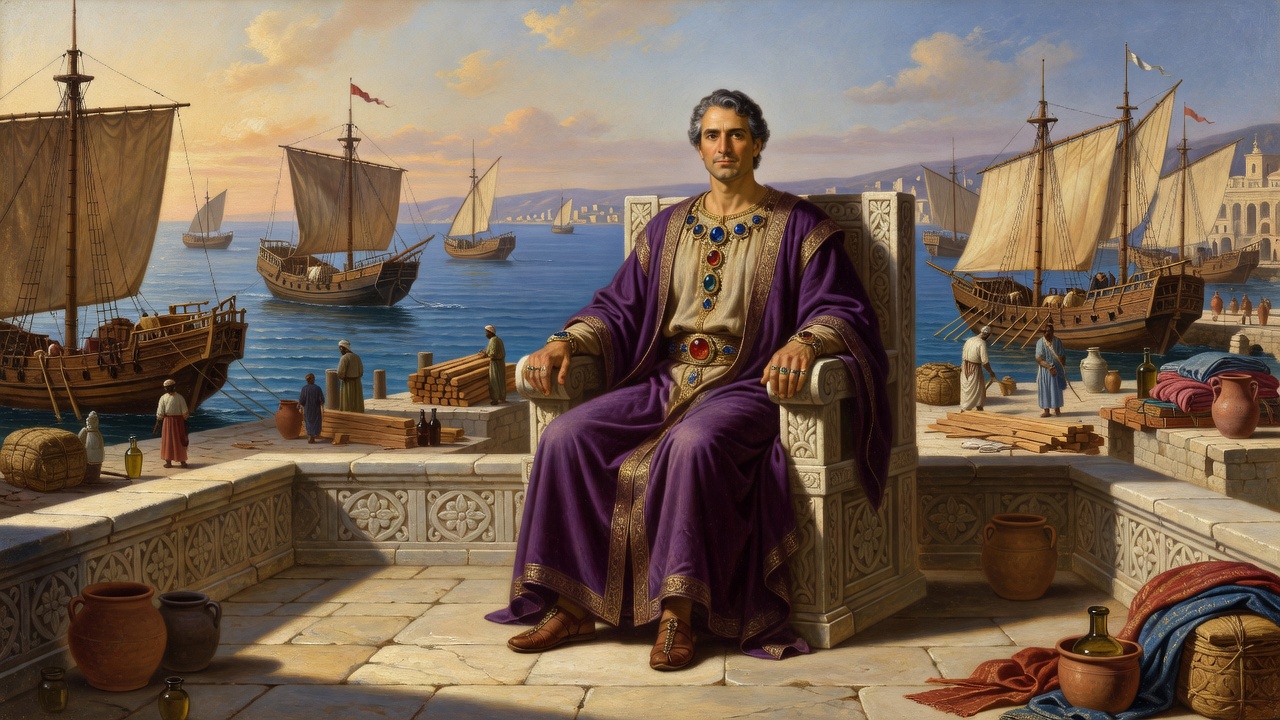
- Ezequiel repreende o governante de Tiro por sua arrogância alimentada por imensa prosperidade comercial. Tiro era uma antiga cidade fenícia famosa por navegar pelo Mediterrâneo e reunir o comércio do mundo conhecido em seus armazéns.Fontes: o próprio texto bíblico · Tyre
- A profecia pergunta ironicamente se o governante de Tiro se considera mais sábio do que Daniel, de quem nenhum segredo era oculto. Enquanto Daniel era conhecido por sua sabedoria, o líder de Tiro usava sua habilidade apenas para acumular ouro, prata e riquezas comerciais.Fontes: o próprio texto bíblico · Daniel
- Após o julgamento contra Tiro, Ezequiel profetiza contra Sidom, situada cerca de quarenta quilômetros ao norte. Sidom era a mais antiga cidade fenícia e a cidade-mãe de Tiro, tendo uma longa história de opressão contra Israel.Fontes: o próprio texto bíblico · Sidon · Tyre
Notas escritas com auxílio de IA a partir de fontes abertas (Theographic Bible Metadata, CC BY-SA 4.0; Easton’s Bible Dictionary, domínio público) e revisadas antes de publicar.
Lugares deste capítulo
- Tyre · 33.271, 35.196 · versículos 2, 12
- Sidon · Hoje: Sandikli archaeological site in Sidon · 33.561, 35.372 · versículos 21, 22
Só aparecem lugares com identificação de alta confiança (90% ou mais segundo as fontes acadêmicas reunidas pelo OpenBible). Mapa da época: DARE (Digital Atlas of the Roman Empire), CC BY 4.0; mapa atual: © colaboradores do OpenStreetMap; lugares: OpenBible.info (CC BY 4.0).
Créditos e licença desta tradução
Bibiri Kuyie Nnɑ́ɑǹtì Pɑ́tíri
The Holy Bible in the Ditammari language of Benin
copyright © 2001 SIM International
Language: Ditammari
Translation by: SIM
This translation text is made available to you under the
terms of the Creative Commons License: Attribution-Noncommercial-No Derivative Works.
( http://creativecommons.org/licenses/by-nc-nd/3.0/ )
In addition, you have permission to port the text to different file formats, as long as you
do not change any of the text or punctuation of the Bible.
You may share, copy, distribute, transmit, and extract portions
or quotations from this work, provided that you include the above copyright
information:
You must give Attribution to the work.
You do not sell this work for a profit.
You do not make any derivative works that change any of the actual words or punctuation of the Scriptures.
Permissions beyond the scope of this license may be
available if you contact
us with your request.
This translation is made available to you under the terms of the
Creative Commons Attribution-No Derivatives license 4.0.
You may share and redistribute this Bible translation or extracts from it in any format, provided that:
You include the above copyright and source information.
You do not make any derivative works that change any of the actual words or punctuation of the Scriptures.
Pictures included with Scriptures and other documents on this site are licensed just for use with those Scriptures and documents.
For other uses, please contact the respective copyright owners.
2022-05-31
Fonte: http://ebible.org/tbzsim/ · eBible.org