Eclesiastes 5
Bibiri Kuyie Nnɑ́ɑǹtì Pɑ́tíri · Toque num versículo para ver as referências cruzadas.
1A nùù bɑ́ ncɑ̃ɑ̃ tinɑ́ɑǹtì,
ɑ níí bɑ́ ndɔ́ mɛcɑ̃ɑ̃ nkɛ bo bɛ́i ntinɑ́ɑǹtì Kuyie nyììkɛ̀,
kɛ yɛ̃́ Kuyie mbomɛ̀ kɛĩ́nkɛ̀ nkɛ,
kɑ̀ɑ bo kɛtenkɛ̀,
ɑ tũ mbɑ́ nsũ tinɑ́ɑǹtì.
2Iyɛntotí iì ɔ̃ɔ̃ dɑ sṹṹ
kɛ̀ tidɔùntìi kɔtɛní,
kɑ̀ɑ sũ̀ṹ ntinɑ́ɑǹtì ɑ yóó nɑ́kɛ́ tiyɛinnɑ́ɑǹtì nti.
3Kɑ̀ɑ dɔúnnɛ̀ dinùù Kuyie,
dɔɔ̀ dì mɛcɑ̃ɑ̃,
Kuyie nyí dɔ́ tiyɛìntì,
ɑ dɔúnnɛ̀ dìì nùù Kuyie, dɔɔ̀ dì.
4Kɑ̀ɑ í dɔúnnɛ̀ dinùù Kuyie dɛɛ̀ wenni
kɛ pɛ̃ɛ̃tɛ́ ɑ bo kù dɔúnnɛ̀mɛ̀ dinùù,
kɛ nɛ́ bɑ́ɑ́ dɔɔ̀ ɑ dì nkù dɔúnnɛ̀ kɛ yɛ̃ nhɑ yóó dɔɔ̀mɛ̀.
5A bɑ́ɑ́ yóu kɑ̀ɑ nùù nte kɑ̀ɑ nɑɑ́ nhonitiyɛiwe,
kɛ́nɑ́kɛ́ ikuɔ́ nìùtì kɛ dɔ̀:
N nùù diì n fìtɛ́nɛ̀.
Bɑ́ɑ́ duɔ́ nkɛ̀ Kuyie mmiɛkɛ dɑ́ yɛ̀
kɛ̀ kùu cɑkɛ ɑ tɔ̃mmú.
6Kuyɛìnkù bo dɔúnnɛ̀mɛ̀ Kuyie ndinùù
dɛ̀ ɔ̃ nkù dònnɛ̀ tidɔùntì nti,
tinɑ́ɑǹtì sɔ̃́ntíkɛ kpɛti,
mudɑɑ́ nkpɛrɛ.
Fɔ̃́ nwèè ciì ɑ́ ndé Kuyie.
Fɛdífɛ̀ kó mɛdòmmɛ̀
7Mɛm̀mɛ kɑ̀ɑ yɑ̀ kɛ sɔ̃́ ndihɛì mɑrì
kɛ̀ bɛ̀ fɛ̃́ũnko bɛ̀ɛ̀ í tú bɛ̀mɑbɛ̀,
kɛ í bɔti mɛwetímmɛ̀ kpɛti,
kòò mɔù í wúó nhotɔù.
Dɛ̀ bɑ́ɑ́ dɑ di kɛ yɛ̃́ onìtì ɔ̃ mbɑkɛ́mɛ̀ bɛtɔbɛ̀
kɛ̀ bɛ̀ ò bɑkɛ́mu,
kɛ̀ wèè tó bɛ̀ bɑkɛ́ kòò bomu.
8Bɛ̀ piɛti mùù cɔ̃́ntimu kɛtenkɛ̀,
mù tu bɛmɔu kɔ̃mu mmu.
Bɑ́ okpɑ̀ɑ̀tì ò fòùnɛ̀ dɛpɑɑ ndɛ.
Tikpɑ̀tì í mɔkɛ mucɔ̃́ntimu mɑmù
9Wèè bɛ̀tì idíítí ò í kpɑɑ́ kɛ bo nyì sɑ̀nnɛ̀,
wèè bɛ̀tì tikpɑ̀tì ò í kpɑɑ́ kɛ bo tì nìntɛ.
Dɛ̀ í dò nkɛ́bɑntɛ́.
10Kɛ̀ tikpɑ̀tì sũ̀ṹ nti diibɛ̀ ɔ̃ɔ̃ sṹṹmmu.
Tikpɑ̀tì yiɛ̀ nkó mucɔ̃́ntimu nɛ́ tú ɔ̃̀mmu
kɛ̀ dɛ̀ í tú ò tì wúómmɛ̀ nɛ̀ o nuɔ.
11Kòo tɔ̃ntì di kɛ sɑ̀nnɛ̀ yoo ò ɑutɛ́
ò ɔ̃ nduɔ́ kɛ̀ dɛ̀ ò nɑɑtimu.
Kɛ̀ tikpɑ̀tì yiɛ̀ ndi kɛ́nsɑ̀nnɛ̀,
ò mɛ mbɑ́ɑ́ nɑ kɛ́duɔ́.
12N yɑ̀ mɛborimɛ tɛ̃mɛ̀ mmɛ kɛtenkɛ̀ ĩ́nkɛ̀,
kɛ̀ mɛ̀ yóù mɛdiɛ̀.
Onìtì bo sɔnnɛmɛ̀ tikpɑ̀tì yɛwe yɛiyɛ kpɛ́í,
13kɛ̀ tìì sɔ̃́ntɛ́ kɛ́cɑkɛ
kòo nyóó mɔɔtɛ dɛbirɛ bɑ́ dɛ̀mɑrɛ̀ í kpɑɑ́ o nɔu miɛkɛ.
14Ò yɛ̀nní mɛ̀ɛ̀ botí o yɔ̃ pɔutì,
kòò mɛ nwɛ̃tɛ kɛtenkɛ̀.
Ò pĩ mmùù tɔ̃mmú kó dimɑ̀ɑ̀,
ò í cɔ̃ntɛ́ dɛ̀mɑrɛ̀ kɛ́tɔ.
15Mɛborimɛ tɛ̃mɛ̀ mmɛ,
mɛ̀ɛ̀ yóù mmɛdiɛ̀.
Ntɛ we kɛ ìtɛ́ otetìrì
ò do kɔ̀tɛní mɛ̀ɛ̀ botí.
Ò nɛ́ cɔ̃ntɛ́ bɑ o tɔ̃mmú miɛkɛ?
Dɛ̀ í cɑ̃́ɑ̃́nnɛ̀ ɑ bo ndɔ́mɛ̀ kɛ́kpɑɑkɛ kuyɑɑkù.
16Ntɛ we kɛ ɑ́ɑ̀rì o fòmmu mumɔu
kɛ bo yɛdɑbùò mmiɛkɛ nɛ̀ mɛyɛǹcɑɑ̀rìmɛ̀,
kòo miɛkɛ pɛ́íkú.
17Ntɛ n yɑ̀ kòo nìtì kó diwɛ̀ì tu dì: Ò bo dimɛ̀ kɛ́yɑ̃̀ kɛ̀ dɛ̀ nhò nɑɑtinɛ̀ o tɔ̃mmú ò pĩ̀ḿmù kɛtenkɛ̀ ĩ́nkɛ̀. Kòo dɔɔ̀nɛ̀ yɛwe Kuyie nhò duɔ́ nyɛ̀, dɛɛ̀ tu onìtì kó mucɔ̃́ntimu. 18Kuyie nduɔ́ nwè tikpɑ̀tì, kòò mɔ̀kɛ o kpɛrɛ kɛ yɛ̃́ ò bo yĩ́mɛ̀ kɛ́ dɛ̀ di, kɛ yɑ̀ o tɔ̃mmú kó diwɛ̀ì, Kuyie nkuù ò pɑ̃. 19Dɛ yiɛ̀ nhɔ̃ɔ̃ í nyɛ̃́ kɛ dò nho fòmmu kó yɛwe kũpúrì, kɛ yɛ̃́ Kuyie nhò duɔ́mmɛ̀ diwɛ̀ì mɛdiɛ̀.
Você sabia?
Reverência, justiça e os limites da riqueza
- O autor adverte contra o falar precipitado no culto, lembrando aos adoradores que Deus está nos céus enquanto os mortais estão na terra. Os votos feitos a Deus eram considerados compromissos sérios; o texto adverte que adiar ou deixar de cumprir um voto é insensatez, sendo melhor não votar do que votar e não cumprir.Fontes: o próprio texto bíblico
- Ao abordar a injustiça e a opressão dos pobres em uma província, o autor aponta para a burocracia governamental em camadas, onde cada oficial é vigiado por uma autoridade superior. Apesar dessa hierarquia administrativa, todos os níveis, inclusive o rei, dependem, em última análise, dos frutos da terra.Fontes: o próprio texto bíblico
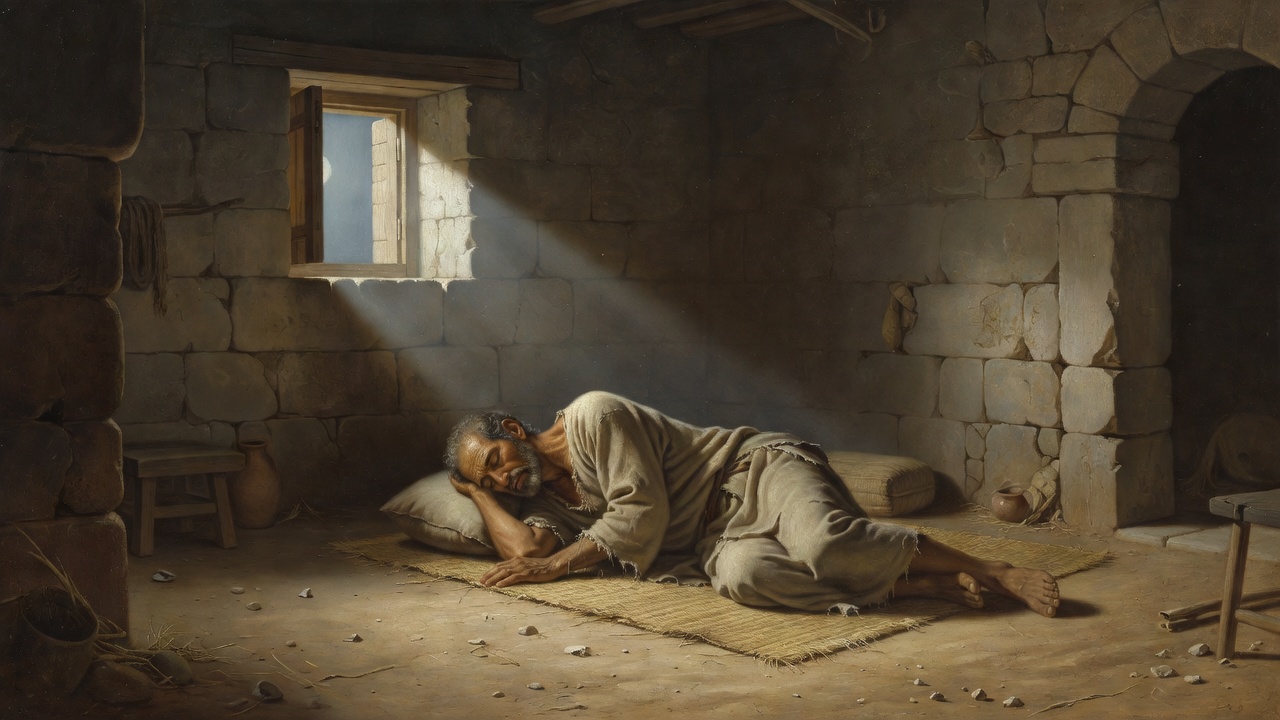
- O capítulo contrasta a insônia inquieta dos ricos com o sono doce de um trabalhador comum, observando que a busca por riquezas não traz satisfação duradoura. O verdadeiro contentamento surge quando a pessoa aceita sua porção e desfruta de comida, bebida e trabalho honesto como dádivas de Deus.Fontes: o próprio texto bíblico
Notas escritas com auxílio de IA a partir de fontes abertas (Theographic Bible Metadata, CC BY-SA 4.0; Easton’s Bible Dictionary, domínio público) e revisadas antes de publicar.
Créditos e licença desta tradução
Bibiri Kuyie Nnɑ́ɑǹtì Pɑ́tíri
The Holy Bible in the Ditammari language of Benin
copyright © 2001 SIM International
Language: Ditammari
Translation by: SIM
This translation text is made available to you under the
terms of the Creative Commons License: Attribution-Noncommercial-No Derivative Works.
( http://creativecommons.org/licenses/by-nc-nd/3.0/ )
In addition, you have permission to port the text to different file formats, as long as you
do not change any of the text or punctuation of the Bible.
You may share, copy, distribute, transmit, and extract portions
or quotations from this work, provided that you include the above copyright
information:
You must give Attribution to the work.
You do not sell this work for a profit.
You do not make any derivative works that change any of the actual words or punctuation of the Scriptures.
Permissions beyond the scope of this license may be
available if you contact
us with your request.
This translation is made available to you under the terms of the
Creative Commons Attribution-No Derivatives license 4.0.
You may share and redistribute this Bible translation or extracts from it in any format, provided that:
You include the above copyright and source information.
You do not make any derivative works that change any of the actual words or punctuation of the Scriptures.
Pictures included with Scriptures and other documents on this site are licensed just for use with those Scriptures and documents.
For other uses, please contact the respective copyright owners.
2022-05-31
Fonte: http://ebible.org/tbzsim/ · eBible.org