Deuteronômio 20
Bibiri Kuyie Nnɑ́ɑǹtì Pɑ́tíri · Toque num versículo para ver as referências cruzadas.
Bɛ̀ɛ̀ í dò nkɛ́nɑ kɛ́kɔtɛ mudoò
1Di bɑ̀ɑ́tí dìì mɔ̀nnì kɛ kɔri kɛ bo dokɛ́nɛ̀ di dootitɔbɛ̀, kɛ yɑ̀ bɛ kpɑ̀rìsɛ̃ĩ́ nɛ̀ bɛ kpɑ̀rìnɑɑsɛ̃ĩ́ nɛ̀ kunììti kɛ̀ kù sũ kɛ di pɛ̃ɛ̃tɛ́ di bɑ́ ndé. Ti Yiɛ̀ nKuyie nkùù di te, kùù di dènnɛní Esibiti kù di bonɛ̀mu. 2Kɛ̀ di duúnnɛ̀ dìì mɔ̀nnì di dootitɔbɛ̀ kɛ tũnni dimɑ́ɑ̀ kɛ bo bɛ̀ do mudoò, ikuɔ́ nìùbɛ̀ɛ niitɛ́ kɛ́cómmú ditĩ̀nnì ììkɛ̀, 3kɛ́bɛ́i nkɛ dɔ̀: Kémmúnɛ̀ Isidɑyɛɛribɛ ɑ̃ɑ̃pɔ̀mbɛ̀, yíe ndɛ̀ tùɔ̀kɛ di bo dokɛ́nɛ̀ dɛ̀ndɛ di dootitɔbɛ̀ di bɑ́ɑ́ yie nkɛ̀ di kɔ̃m̀bùɔ̀tì nduò, di bɑ́ ndé, di bɑ́ mbɛ̀ yĩ̀ɛ̃̀kù di bɑ́ɑ́ bɛ̀ yɑ̀ kɛ́kpeutɛ. 4Ti Yiɛ̀ nKuyie nkùù di te kù di nɛínɛ̀mu kɛ bo dokɛ́nɛ̀ di dootitɔbɛ̀ kɛ́ di dɛɛtɛ́.
5Kɛ̀ bɛhɑ̃ɑ̃pɔ̀mbɛ̀ iwɛ̃ĩ yɛmbɛ̀ɛ bekɛ bɛhɑ̃ɑ̃pɔ̀mbɛ̀ kɛ dɔ̀: Di miɛkɛ òmɔù bomu wèè mɑɑ́ tɛcĩ́ɛ̃̀tɛ̀ kɛ í tɛ̀ tɑɑ̀? Dɛ yiɛ̀ ńkò nho cĩ́ɛ̃̀tɛ̀ ò yɑ̀ɑ̀ bo kú mudoò miɛkɛ kòo tɔù mɔùu tɛ̀ tɑ. 6Òmɔù bomu di miɛkɛ wèè bɔtínnɛ́ mutie bɛ̀ tumu fínyĩ̀ kɛ mu nyí tɔ̃̀ũ mu bɛɑ̀? Dɛ yiɛ̀ nwɛ̃tɛ ò yɑ̀ɑ̀ bo kú kòò mɔù mu tɔ̃̀ũ. 7Òmɔù bomu di miɛkɛ wèè mɔ̀kɛ dipocɛ̃nnì kɛ mu nyí dì tùótɑ́ɑ̀? Dɛ yiɛ̀ nwɛ̃tɛ ò yɑ̀ bo kú kòò mɔù dì tùótɛ́. 8Kɛ̀ bɛhɑ̃ɑ̃pɔ̀nkótíbɛ̀ɛ bɛ́i nkɛ dɔ̀: Kòò mɔù bo di miɛkɛ kɛ í ɑ̃ dikɔ̃m̀bùɔ̀ wèe kò nho cĩ́ɛ̃̀tɛ̀ ò yɑ̀ɑ̀ bo tonnɛ bɛtɔbɛ̀ kufɔ̃wɑɑ́. 9Bɛhɑ̃ɑ̃pɔ̀nkótíbɛ̀ nɑ̀kɛ́ dìì mɔ̀nnì bɛnìtìbɛ̀ kɛ dèè, kɛ̀ bɛ̀ɛ túótɛ́ bɛ̀ɛ̀ ni yɛtĩ̀rɛ̀ kɛ́nií ndɛ ììkɛ̀.
10Kɛ̀ di tùɔ̀kɛ dihɛì mɑrì kɛ bo bɛ̀ do mudoò, di pɑ̃̀nkɛ bɑ́ mbɛ̀ dɔ́nɛ̀ dikpɑ̀nnì, dí mbɛ̀ wɑntinɛ̀ kunɑɑtí. 11Kɛ̀ bɛ̀ yie nkɛ di kpetɛ́ yɛcɑ̀kɛ̀, bɛnìtìbɛ̀ bɛ̀ɛ̀ kó dimɑ̀ɑ̀ bo dɛ miɛkɛ, dí bɛ̀ tùótɛ́ kɛ́ bɛ̀ dɔ̀ɔ̀ tidɑɑtì kɛ́ bɛ̀ pĩ̀ńnɛ́ muhɛikɛ̀ntɔ̃mmú. 12Kɛ̀ bɛ̀ yetɛ kunɑɑtí kɛ dɔ́ kɛ́ di dokɛ́nɛ̀, dɛ mɔ̀nnì di nɛ́ pi bɛ ɛì. 13Ti Yiɛ̀ nKuyie nkùù di te kù yóó di duɔ́mmu dɛ kó dihɛì kɛ̀ dí kuɔ bɛnitidɑɑbɛ̀ bɛmɔu nɛ̀ disiè, 14kɛ́túótɛ́ bɛnitipòbɛ̀ nɛ̀ ibí nɛ̀ inɑ̀ɑ̀kɛ nɛ̀ ipe nɛ̀ sibɔɔ́, kɛ́hɛí bɛ kpɛrɛ bɛ̀ mɔ̀kɛ dɛ̀. Di dootitɔbɛ̀ kpɛrɛ ndɛ dí dɛ̀ tiekɛ, ti Yiɛ̀ nKuyie nkùù di te kuù dɛ̀ ndi duɔ́. 15Di yó mmɛ ndɔɔri yɛhɛkɛ̀ yɛ̀ɛ̀ di dɛ́tirìnɛ̀ yɛ̀ɛ̀ í tú di yóó kɑri dìì ɛì kpɛyɛ. 16Di Yiɛ̀ nKuyie ndi duɔ́ nyɛ̀ɛ̀ ɛkɛ̀ dɛ kó ibotí kpɛyɛ di bɑ́ɑ́ yóu dɛ̀mɑrɛ̀ yɛ miɛkɛ kɛ̀ dɛ̀ nfòù. 17Dí bɛ̀ kùɔ pɑ́íí Itiibɛ nɛ̀ Amɔriibɛ nɛ̀ Kɑnnɑhɑ̃ɑ̃ kɔbɛ nɛ̀ Pedisiibɛ nɛ̀ Efiibɛ nɛ̀ Sebusiibɛ, ti Yiɛ̀ nKuyie ndi nɑ̀kɛ́ kɛ yɛ̃ ndi mɛ ndɔɔ̀. 18Kɛ̀ di í dɔ̀ɔ̀ mɛmmɛ kɛ̀ di bɛ̀ teetɛ́ kɛ tũ̀nnɛ bɛ kó isɔkɛ kpɛrɛ di bo yetɛ́nɛ̀ di Yiɛ̀ nKuyie.
19Kɛ̀ di do dihɛì mɑrì kɛ di pi kɛ̀ dɛ̀ mɔ̀ntɛ di bɑ́ɑ́ kɔ̃ṹ dɛtie, dí nyo ndɛ bɛ kɛ bɑ́ɑ́ dɛ̀ kɔ̃ṹ, dɛtie nyí tú bɛnìtìbɛ̀ kɛ̀ di bo ndɛ̀ dokùnɛ̀. 20Di bo nɑ kɛ́kɔ̃ṹ dɛtie ndi yɛ̃́ kɛ̀ dɛ̀ɛ̀ í pɛí yɛbɛ bɛ̀ yo nyɛ̀, kɛ́ɔnnɛ́ dihɛì dìì di dokùnɛ̀ di kó iduotí kɛ́mbɑɑnɛ̀ dì bo domɛ̀.
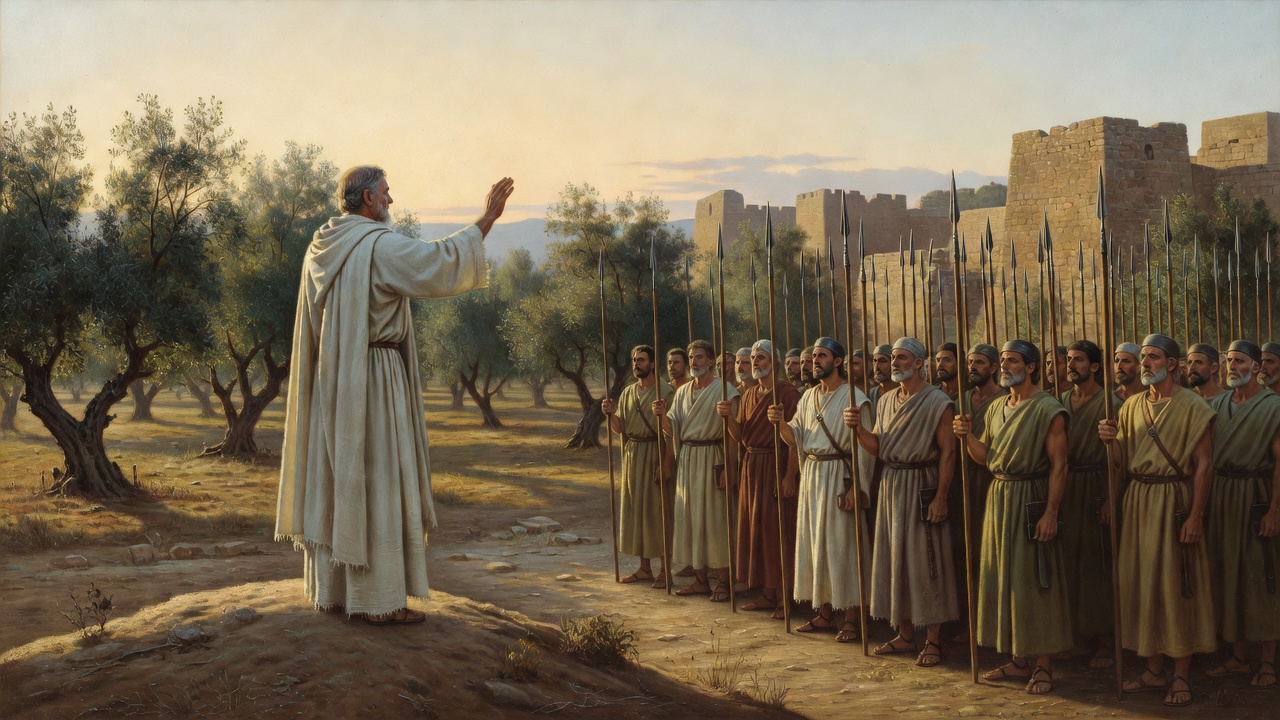
Você sabia?
Leis sobre a Guerra
- Antes de entrar em combate, os oficiais israelitas anunciavam isenções específicas do serviço militar, dispensando homens que tivessem construído uma casa ainda não dedicada, plantado uma vinha ainda não colhida, ficado noivos ou sentissem medo.Fontes: o próprio texto bíblico
- A lei estabelecia políticas de guerra diferentes para cidades distantes em comparação com as cidades da Terra Prometida; às cidades distantes ofereciam-se primeiro termos de paz, enquanto os habitantes das nações locais deviam ser totalmente destruídos para evitar a idolatria.Fontes: o próprio texto bíblico
- Durante longos cercos, as forças israelitas eram proibidas de cortar árvores frutíferas para construir estruturas de cerco, limitando o corte de madeira apenas a árvores que sabiam não produzir alimento.Fontes: o próprio texto bíblico
Notas escritas com auxílio de IA a partir de fontes abertas (Theographic Bible Metadata, CC BY-SA 4.0; Easton’s Bible Dictionary, domínio público) e revisadas antes de publicar.
Lugares deste capítulo
- Egypt · 30.129, 31.308 · versículo 1
Só aparecem lugares com identificação de alta confiança (90% ou mais segundo as fontes acadêmicas reunidas pelo OpenBible). Mapa da época: DARE (Digital Atlas of the Roman Empire), CC BY 4.0; mapa atual: © colaboradores do OpenStreetMap; lugares: OpenBible.info (CC BY 4.0).
Créditos e licença desta tradução
Bibiri Kuyie Nnɑ́ɑǹtì Pɑ́tíri
The Holy Bible in the Ditammari language of Benin
copyright © 2001 SIM International
Language: Ditammari
Translation by: SIM
This translation text is made available to you under the
terms of the Creative Commons License: Attribution-Noncommercial-No Derivative Works.
( http://creativecommons.org/licenses/by-nc-nd/3.0/ )
In addition, you have permission to port the text to different file formats, as long as you
do not change any of the text or punctuation of the Bible.
You may share, copy, distribute, transmit, and extract portions
or quotations from this work, provided that you include the above copyright
information:
You must give Attribution to the work.
You do not sell this work for a profit.
You do not make any derivative works that change any of the actual words or punctuation of the Scriptures.
Permissions beyond the scope of this license may be
available if you contact
us with your request.
This translation is made available to you under the terms of the
Creative Commons Attribution-No Derivatives license 4.0.
You may share and redistribute this Bible translation or extracts from it in any format, provided that:
You include the above copyright and source information.
You do not make any derivative works that change any of the actual words or punctuation of the Scriptures.
Pictures included with Scriptures and other documents on this site are licensed just for use with those Scriptures and documents.
For other uses, please contact the respective copyright owners.
2022-05-31
Fonte: http://ebible.org/tbzsim/ · eBible.org