Amós 4
Bibiri Kuyie Nnɑ́ɑǹtì Pɑ́tíri · Toque num versículo para ver as referências cruzadas.
Kuyie nkpɑ̀nnɛ̀mɛ̀ Sɑmmɑrii kó bɛnitipòbɛ̀
1Mɛm̀mɛ ti Yiɛ̀ nKuyie mbɛ́immɛ̀ kɛ tú:
Díndi Sɑmmɑrii ɛì kó tinitipòtì
tìì dùnnɛ Bɑsɑ̃ɑ̃ ɛì kó inɑɑni tɛ̃mɛ̀,
dínni bɛ̀ɛ̀ yo mbɛsénnìbɛ̀ kpɛrɛ,
kɛ fɛ̃́ũnko bɛcĩ̀rìbɛ̀,
díndi bɛ̀ɛ̀ nɑ̀ɑ́ ndi dɑɑbɛ̀ kɛ tú,
bɛ̀ ndi duɔ̀ nkɛ̀ dì yɔ̃̀,
kéntɛ́nɛ̀ kɛ́keè.
2Mí ndi Yiɛ̀ nKuyie n dò mpɑ́í pɑ́í nwe kɛ̀ míì bɛ́i,
dɛ yiè kpɑɑnímu
kɛ̀ bɛ̀ bo di tɔ̃nnɛ́ iyĩmpie ndiɛyì
kɛ́tɔ̃nnɛ́ isɑ́m̀pɔ́ì di kó iyɑɑ̀bí
kɛ dí dɛtɛ kɛ́dennɛ dimɔu.
3Di bo yiɛ iduotí kó mɛfíè dimɑ́ɑ̀ dimɑ́ɑ̀,
bɑ́ wè kòò nwetí o ììkɛ̀,
bɛ̀ bo di kɛi nkɛ dí dee nhEsimɔɔ tɑ̃rì ĩ́nkɛ̀.
Mí ndi Yiɛ̀ nKuyie mmíì bɛ́i.
Mubɑ́ɑmmu tetìrɛ̀ kɔ̃mu
4Kɛ̀ Kuyie mbɛ́i nkɛ dɔ̀:
Tũ nkɔtɛnɛ̀ Betɛɛdi kɛ́dɔɔ̀ mɛyɛi,
kɔtɛnɛ̀ Kidikɑɑdi kɛ́dɔkɛ dɔɔ̀ mɛyɛi.
Fíénɛ̀ di wũɔ̃ dikṹnweńnì sɛ̀ì,
diyiè tɑ̃ɑ̃́nnì yiè
kɛ́dɛitɛ di mɔkɛ dɛ̀ɛ̀ kó dimɑ̀ɑ̀ miɛkɛ
dɛ̀ɛ̀ tu dɛpííndɛ̀ kɛ́ n duɔ́.
5Cɔ́unnɛ̀ disɑ̃nni kó yɛpɑ̃rɛ̀
yɛ̀ɛ̀ kɔkɛ́nɛ̀ mutie mùù muuti,
ikúnɛ̀ yɛpɑ̃rɛ̀ kó dikɑ̃̀tìrì
kɛ yɛ̃́ díndi Isidɑyɛɛribɛ di mɛ ndɔ́mɛ̀.
Mí ndi Yiɛ̀ nKuyie mmíì bɛ́i.
Isidɑyɛɛribɛ to kpeńnìmɛ̀
6Mɛm̀mɛ kɛ̀ ti Yiɛ̀ nKuyie mbɛ́i nkɛ dɔ̀:
Mí ndi Yiɛ̀ nKuyie míì di bɔntɛ́ dikònnì,
míì duɔ́ nkɛ̀ di pɑ̀ɑ̀ tidiitì sihɛkɛsí simɔu miɛkɛ,
nɛ̀ mɛmmɛ bɑ́ di í wɛ̃̀tɛní m borɛ̀.
7Míì duɔ́ nkɛ̀ fɛtɑɑfɛ̀ dòńtɛ́ tidiitì bɛtɑ̃̀ɑ̃̀bɛ̀ bɛ̀tɑ̃ɑ̃ti,
míì duɔ́ nkɛ̀ fɛ̀ ɔ̃ɔ̃ ni di nhɛì kɛ́soó nditɛrì,
kɛ́nniu ku mpɑku kɛ̀ kutɛkù kó tidiitì kpeí.
8Yɛhɛkɛ̀ yɛ̀dɛ́ɛ̀ yoo yɛ̀tɑ̃ɑ̃ti níí bo nhɑ̃́ɑ̃́nnɛ̀ sinɛ́yɛ̃ĩ
kɛ kɔrì dihɛì dìmɑ́ɑ̀ miɛkɛ kɛ bo pɛ́tɛ́ mɛniɛ nkɛ́yɑ̃̀,
bɛ̀ mɛ mbɑ́ɑ́ pɛ́tɛ́ kɛ́yɑ̃̀ kɛ́nsɑ̀nnɛ̀.
Nɛ̀ mɛmmɛ di mɛ nyí wɛ̃̀tɛní m borɛ̀.
Mí ndi Yiɛ̀ nKuyie mmíì tì ndi denni.
9Míì duɔ́ nkɛ̀ tidiitì fɑ̃ũ ndɛpɑɑ
nkɛ̀ fɛtùɔ̀rìfɛ̀ tì pĩ,
kɛ̀ fɛcofɛ cɑ̀ɑ́kɛ́ di pénnɛ̀ nɛ̀ titebiiti.
Nɛ̀ mɛmmɛ di í wɛ̃̀tɛní m borɛ̀.
Mí ndi Yiɛ̀ nKuyie mmíì tì ndi denni.
10Kɛ̀ n duɔ́ nkɛ̀ di wũɔ̃ muɔkɛ kɛ ku,
Esibiti kɔbɛ kpɛyi do kumɛ̀,
kɛ duɔ́ nkɛ̀ bɛ̀ kùɔ di kó bɛdɑpɑ̀mbɛ̀ mudoò miɛkɛ
kɛ pĩ̀ḿmú di sɛ̃ĩ́,
kɛ̀ bɛ̀ɛ̀ ku di kó dihɑ̃ɑ̃pɔ̀nkɑrì kɛ̀ bɛ nɔ́ú dɑ̀tínnɛ́.
Nɛ̀ mɛmmɛ di í wɛ̃̀tɛní m borɛ̀.
Mí ndi Yiɛ̀ nKuyie mmíì tì ndi denni.
11Kɛ̀ di dɛ̀ítɛ́
n do dɛ̀ítɛ́ mɛ̀ɛ̀ botí Sodɔmmu nɛ̀ Komɔɔ,
kɛ̀ di yentɛ́ tɛcĩ́ɛ̃̀tɛ̀ ɔ̃ ncɔ́ú
kɛ̀ bɛ̀ɛ pṹtɛ́ mɛ̀ɛ̀ botí kudɑkɛ̀mpùu.
Nɛ̀ mɛmmɛ di í wɛ̃̀tɛní m borɛ̀.
Mí ndi Yiɛ̀ nKuyie mmíì tì ndi denni.
12N yóó mɛ ndi dɔɔ̀ díndi Isidɑyɛɛribɛ,
kɛ̀ n yóó di dɔɔ̀ mɛmmɛ,
tũntɛnɛ̀ dimɑ́ɑ̀ kɛ̀ ti mɑ́útɛ́ mí nnɛ̀ díndi.
13Ti Yiɛ̀ nKuyie nkuù dɔ̀ɔ̀ yɛtɑ̃rɛ̀ kɛ ɑ̃nnɛ́ kuyɑɑkù,
kɛ nɑ́ɑ́ mbɛnìtìbɛ̀ kù dɔ́ kɛ́dɔɔ̀ tì,
kuù ɔ̃ɔ̃ ceetɛ kuwenniku kɛ̀ dɛ̀ɛ nɑɑ́ ndibiìnnì,
kù cèntì yɛtɑ̃rɛ̀ yómmɛ̀ mmɛ,
kuù yètìrì tu Mpɑkɛdɑɑ.
Você sabia?
Avisos ignorados e o Deus dos Exércitos
- Amós se dirige às mulheres ricas e exploradoras de Samaria chamando-as de vacas de Basã. Samaria era a capital do reino do norte de Israel, situada no alto de uma colina, enquanto Basã era uma região fértil ao norte de Gileade, conhecida por suas ricas pastagens.Fontes: o próprio texto bíblico · Samaria · Bashan
- O profeta convida ironicamente o povo a levar sacrifícios e dízimos a Betel e a Gilgal. Ambos os locais tinham profunda importância histórica e religiosa em Israel, mas haviam se tornado centros de rituais vazios e transgressão.Fontes: o próprio texto bíblico · Bethel (of Palestine) · Gilgal
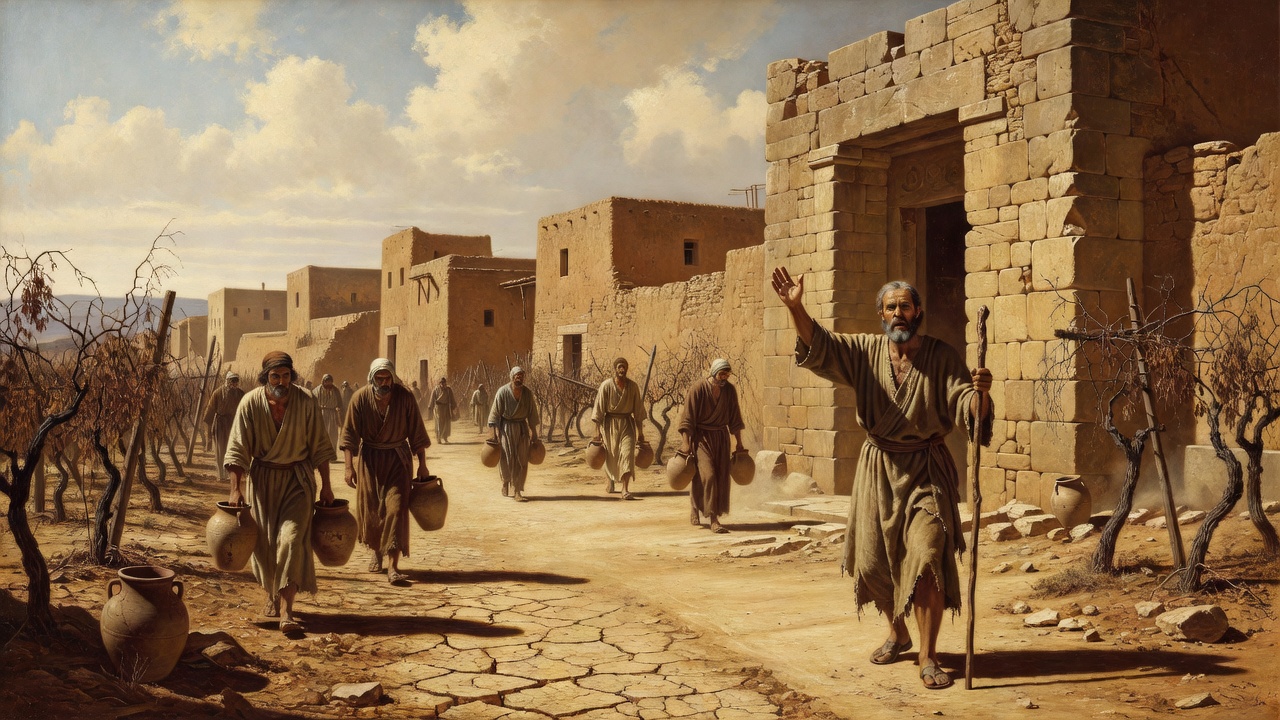
- Amós relata uma série de avisos divinos por meio de desastres naturais e militares, como secas severas, pragas de gafanhotos, pestes semelhantes às do Egito e derrotas em batalha. Apesar de cada calamidade, o texto repete o refrão de que o povo se recusou a voltar para Deus.Fontes: o próprio texto bíblico · Egypt
Notas escritas com auxílio de IA a partir de fontes abertas (Theographic Bible Metadata, CC BY-SA 4.0; Easton’s Bible Dictionary, domínio público) e revisadas antes de publicar.
Lugares deste capítulo
- Bashan · 32.781, 35.935 · versículo 1
- Samaria · 32.276, 35.195 · versículo 1
- Egypt · 30.129, 31.308 · versículo 10
Só aparecem lugares com identificação de alta confiança (90% ou mais segundo as fontes acadêmicas reunidas pelo OpenBible). Mapa da época: DARE (Digital Atlas of the Roman Empire), CC BY 4.0; mapa atual: © colaboradores do OpenStreetMap; lugares: OpenBible.info (CC BY 4.0).
Créditos e licença desta tradução
Bibiri Kuyie Nnɑ́ɑǹtì Pɑ́tíri
The Holy Bible in the Ditammari language of Benin
copyright © 2001 SIM International
Language: Ditammari
Translation by: SIM
This translation text is made available to you under the
terms of the Creative Commons License: Attribution-Noncommercial-No Derivative Works.
( http://creativecommons.org/licenses/by-nc-nd/3.0/ )
In addition, you have permission to port the text to different file formats, as long as you
do not change any of the text or punctuation of the Bible.
You may share, copy, distribute, transmit, and extract portions
or quotations from this work, provided that you include the above copyright
information:
You must give Attribution to the work.
You do not sell this work for a profit.
You do not make any derivative works that change any of the actual words or punctuation of the Scriptures.
Permissions beyond the scope of this license may be
available if you contact
us with your request.
This translation is made available to you under the terms of the
Creative Commons Attribution-No Derivatives license 4.0.
You may share and redistribute this Bible translation or extracts from it in any format, provided that:
You include the above copyright and source information.
You do not make any derivative works that change any of the actual words or punctuation of the Scriptures.
Pictures included with Scriptures and other documents on this site are licensed just for use with those Scriptures and documents.
For other uses, please contact the respective copyright owners.
2022-05-31
Fonte: http://ebible.org/tbzsim/ · eBible.org