2 Samuel 11
Bibiri Kuyie Nnɑ́ɑǹtì Pɑ́tíri · Toque num versículo para ver as referências cruzadas.
Dɑfiti duɔ́nɛ̀mɛ̀ Bɑtisebɑɑ
1Dibenni pɑ̀nnì bɛ̀ ɔ̃ɔ̃ ketɛ́ dìì mɔ̀nnì mudoò, kòo kpɑ̀ɑ̀tì Dɑfitii tɔ̃ nSoɑbu wèè bɑkɛ́ Isidɑyɛɛribɛ ɑ̃ɑ̃pɔ̀mbɛ̀, nɛ̀ bɛhɑ̃ɑ̃pɔ̀mbɛ̀ kɛ̀ bɛ̀ bo dokɛ́nɛ̀ Amɔniibɛ kɛ́ bɛ̀ pɔ̀ntɛ kɛ́pi bɛ ɛidiɛ̀ Dɑbɑɑ. Wenwe Dɑfiti kɛ̀ wenwe nkpɑɑ́ Sedisɑdɛmmu.
2Kuyuoku mɑkù kɛ sɔ̃́ nhò òmpɛ̀ kɛ́ítɛ́ní kɛ́dekɛ kudɑ̀nkù kɛ́ncentì tɛkpɑ̀ɑ̀tìcĩ́ɛ̃̀tɛ̀ ĩ́nkɛ̀ kɛ́yɑ̀ onitipòkù mɔù kòò wùɔ̀ kɛ wenni mɛdiɛ̀. 3Kɛ̀ Dɑfitii bíékɛ́ kɛ bo yɑ̀ wèè nitipòkù nwe, kɛ̀ bɛ̀ɛ ò nɑ̀kɛ́ kɛ dɔ̀: Bɑtisebɑɑ Udii Itiibɛ botí kou pokù nwe Ediɑmmu kóo sɑpɑ̀ɑ̀. 4Kòo tɔ̃ nkɛ̀ bɛ̀ɛ ò yuní, kòo kɔtɛní o cĩ́ɛ̃̀tɛ̀ kɛ sɔ̃́ nho yɔ́ntì dèè kòò wèńkùnnɛ òmɑ́ɑ̀ bɑ̀mbɑ̀, kòo ò duɔ́nɛ̀ kɛ́deè kòo kò.
5Kɛ̀ dɛ kóo nitipòkù púó nkɛ́tɔ̃ nkɛ̀ bɛ̀ɛ nɑ́kɛ́ Dɑfiti ò pùómmɛ̀.
6Kɛ̀ Dɑfiti pɑ̃̀nkɛɛ duɔ́ ntinɑ́ɑǹtì bɛhɑ̃ɑ̃pɔ̀mbɛ̀ kóo kótì Soɑbu kɛ dɔ̀: Duɔ́ nkɛ̀ Itiibɛ botí kou Udii konní.
Kɛ̀ Soɑbu duɔ́ nkòo konní. 7Kɛ̀ Udii tuɔkɛní okpɑ̀ɑ̀tì Dɑfiti borɛ̀, kòo ò bekɛ Soɑbu kɔ̃nnɑɑtí dòmmɛ̀ nɛ̀ bɛhɑ̃ɑ̃pɔ̀mbɛ̀ kɔku nɛ̀ mudoò cèntì mɛ̀ɛ̀ botí. 8Ò ò bekɛ mɛmmɛ kɛ́deè kóò nɑ̀kɛ́ kɛ dɔ̀: Kò nhɑ cĩ́ɛ̃̀tɛ̀ kɛ́om̀pɛ̀ sɑ́m̀pɔ́.
Kɛ̀ Udii ítɛ́ okpɑ̀ɑ̀tì cĩ́ɛ̃̀tɛ̀, kòo ò pɑ̃ dipɑ̃nnì kɛ́duɔ́nko. 9Udii mɛ nyí nkò nho cĩ́ɛ̃̀tɛ̀, kɛ́kɔtɛ kɛ́duɔ́ mbɛhɑ̃ɑ̃pɔ̀mbɛ̀ bɛ̀ɛ̀ bɑ̀ɑ okpɑ̀ɑ̀tì cĩ́ɛ̃̀tɛ̀ bɛ borɛ̀ ditowɑɑ̀. 10Dɑfiti tì kèè dìì mɔ̀nnì, kɛ́bekɛ Udii kɛ dɔ̀: A bonní kupɔ̀ɔ̀kù dɛ́tíkù nku dɛ̀ dòmmɛ kɑ̀ɑ í kò nhɑ cĩ́ɛ̃̀tɛ̀? 11Kɛ̀ Udii ò tɛ̃̀ńnɛ́ kɛ dɔ̀: Okpɑ̀ɑ̀tì, Kuyie ntɑummɛ̀ tɔu nɛ̀ Isidɑyɛɛribɛ nɛ̀ Sudɑɑ kɔbɛ kó bɛhɑ̃ɑ̃pɔ̀mbɛ̀ bɑ́ mbo titouti miɛkɛ, ti kóo kótì Soɑbu nɛ̀ iwɛ̃ĩ yɛmbɛ̀ bɑ́ mbo dikpɑ́ɑ̀ miɛkɛ kɛ̀ mí nnɛ́ bo n cĩ́ɛ̃̀tɛ̀ kɛ yo nkɛ yɔ̃ nkɛ dɔunɛ̀ m pokù, okpɑ̀ɑ̀tì nɛ̀ ɑ yètìrì kpɛ́í n yetɛmu m bɑ́ɑ́ dɔɔ̀ dɛ kó kubotí, míì bɛ́i! 12Kòo kpɑ̀ɑ̀tì Dɑfiti dɔ̀: Dɛ̀ wenni nkpɑɑ́ diɛ nyíe nkɛ̀ dɛ̀ wentɛ́ n nɛ́ duɔ́ nkɑ̀ɑ wɛ̃tɛ.
Kɛ̀ Udii nkpɑɑ́ Sedisɑdɛmmu kɛ̀ dɛ̀ yɑ̀ɑ wentɛ́nɛ̀. 13Kɛ̀ Dɑfitii ò yu kɛ̀ bɛ̀ɛ wɛ̃nnɛ́ kɛ́di kɛ́yɑ̃̀ mɛnɑɑ̀ nkòo ò duɔ́ mmɛnɑɑ̀ nkòo yɑ̃̀ kɛ́muɔ́, nɛ̀ mɛmmɛ kuyuoku mɔ̀nnì kɛ̀ Udii kɔtɛ kɛ́wɛ̃nnɛ́nɛ̀ bɛhɑ̃ɑ̃pɔ̀mbɛ̀ bɛ̀ɛ̀ bɑ̀ɑ okpɑ̀ɑ̀tì cĩ́ɛ̃̀tɛ̀ kɛ́duɔ́ ò í nkò nho cĩ́ɛ̃̀tɛ̀.
14Kɛ̀ dɛ̀ɛ wentɛ́ kɛ̀ Dɑfitii wɑ̃ri dipɑ́tíri Soɑbu kɛ́ dì duɔ́ nhUdii. 15Kɛ̀ dì tú: Niínnɛ̀ Udii fɛkpɑ̀rìnɑfɛ ììkɛ̀ mudoò cɛ̃́ɛ̃̀ dɛ̀ kɛ́wɛ̃tɛ difɔ̃nkúò kóò yóu dɛ ììkɛ̀ òmɑ́ɑ̀ kɛ̀ dɛ̀ɛ yie nkɛ̀ di dootitɔbɛ̀ɛ ò kɔ̀ùtɛ kòo kú.
Udii Bɑtisebɑɑ dɔù kumɛ̀
16Soɑbu wèè pɑkɛ́ dihɛì kɛ yɛ̃́ bɛ dootitɔbɛ̀ kperíbɛ̀ bo dìì bòrì, kòo túótɛ́ Udii kɛ́nií ndɛ ììkɛ̀. 17Kɛ̀ dihɛì kɔbɛɛ yɛ̀nní kɛ́do Soɑbu, kɛ́kuɔ Isidɑyɛɛribɛ miɛkɛ bɛnìtìbɛ̀ kɛ́kuɔnɛ̀ Dɑfiti kó bɛhɑ̃ɑ̃pɔ̀mbɛ̀ kɛ́kuɔ Udii Itiibɛ botí kou. 18Kɛ̀ Soɑbuu tɔ̃ nkɛ̀ bɛ̀ bo nɑ́kɛ́ Dɑfiti dɛ̀ wũɔ̃kɛ́mɛ̀ mudoò miɛkɛ, 19kɛ́nɑ́kɛ́ ò tɔ̃ nwè kɛ dɔ̀: Kɑ̀ɑ nɑ̀kɛ́ okpɑ̀ɑ̀tì dɛ̀ wũɔ̃kɛ́mɛ̀ mudoò miɛkɛ kɛ dèè, 20kɛ sɔ̃́ nkòo miɛkɛ pɛikɛ kòò tu dɛ̀ yĩmɛ kɛ̀ di tɔ̀ɔ́nnɛ̀ dihɛì, di í yɛ̃́ kɛ dò mbɛ̀ bo nɑ kɛ́mbo kuduotí ĩ́nkɛ̀ kɛ́tɑ̃ũnɑ́ɑ̀? 21We ndo kùɔ Abimɛdɛki Yedubɑɑdi birɛ Tebɛsi ɛì kou? Onitipòkù weè do bɔntɛ́ní kupèrìkù kuduotí ĩ́nkɛ̀ kɛ̀ kùu donní kóò yɑ̃̀kɛ kɛ́kuɔ, dɛ̀ dòmmɛ kɛ̀ di tɔ̀ɔ́nnɛ̀ kuduotí mɛdiɛ̀? Kɛ̀ nsɑ̀ kòo kpɑ̀ɑ̀tì dɑ bɛ́innɛ̀ mɛ kóo botí ɑ́ ò nɑ̀kɛ́ kɛ dɔ̀: A kóo tɔ̃ntì Udii Itiibɛ botí kou kumu múnkɛ mudoò miɛkɛ.
22Kɛ̀ ditɔ̃nnìi kétɛ́ kɛ́kò nkɛ́nɑ́kɛ́ Dɑfiti Soɑbu ò nɑ̀kɛ́ tì timɔu. 23Kɛ dɔ̀ bɛ̀ɛ̀ bɑ̀ɑ dihɛì bɛ̀ kpeńnìmu kɛ ti pɛ̃ɛ̃tɛ́. Bɛɛ̀ yɛ̀nní kɛ ti dintɛ́ dikpɑ́ɑ̀ kɛ̀ ti yetoo kɛ bɛ̀ bɛ̀ti kɛ tùɔ̀kɛnɛ̀ dihɛì kó dibòrì borɛ̀. 24Dɛndɛ dɛtɑ̃nnɛ̀ yɛmbɛ̀ còḿmúmɛ̀ kuduotí ĩ́nkɛ̀ kɛ ti tɑ̃ũní kɛ kùɔ bɛhɑ̃ɑ̃pɔ̀mbɛ̀ mɑbɛ̀ kɛ̀ ɑ kóo tɔ̃ntì Udii Itiibɛ botí kou kɔkɛ́ bɛ miɛkɛ.
25Kòo kpɑ̀ɑ̀tìi tɛ̃́nnɛ́ ditɔ̃nnì kɛ dɔ̀: Wɛ̃tɛ kɛ́yɑ́úkùnnɛ Soɑbu kɔ̃̀ntì kɛ dɔ̀, o yɛ̀mmɛ̀ bɑ́ɑ́ cɑɑ̀rɛ̀ nɛ̀ dɛ̀ɛ̀ dɔ̀ɔ̀ dɛ kpɛ́í. Mudoò miɛkɛ bɛnìtìbɛ̀ í yóó pɑɑ̀ mukṹṹ, wèe yetoo kɛ́pɔntɛ dɛ kó dihɛì.
26Bɑtisebɑɑ kèè dìì mɔ̀nnì o dɔù kumɛ̀ kɛ́kɔmmú o kṹṹ. 27Mukṹṹ nkó yɛwe pɛ̃ɛ̃tɛ́ dìì mɔ̀nnì kɛ̀ Dɑfitii tɔ̃ nkɛ̀ bɛ̀ɛ ò yuní kòo ò puokɛ kòo pɛitɛ́ dɛnitidɑbirɛ. Dɛ̀ í nnɑrikɛ ti Yiɛ̀ nKuyie nnɛ̀ Dɑfiti dɔ̀ɔ̀ dɛ̀ kpɛ́í.
Você sabia?
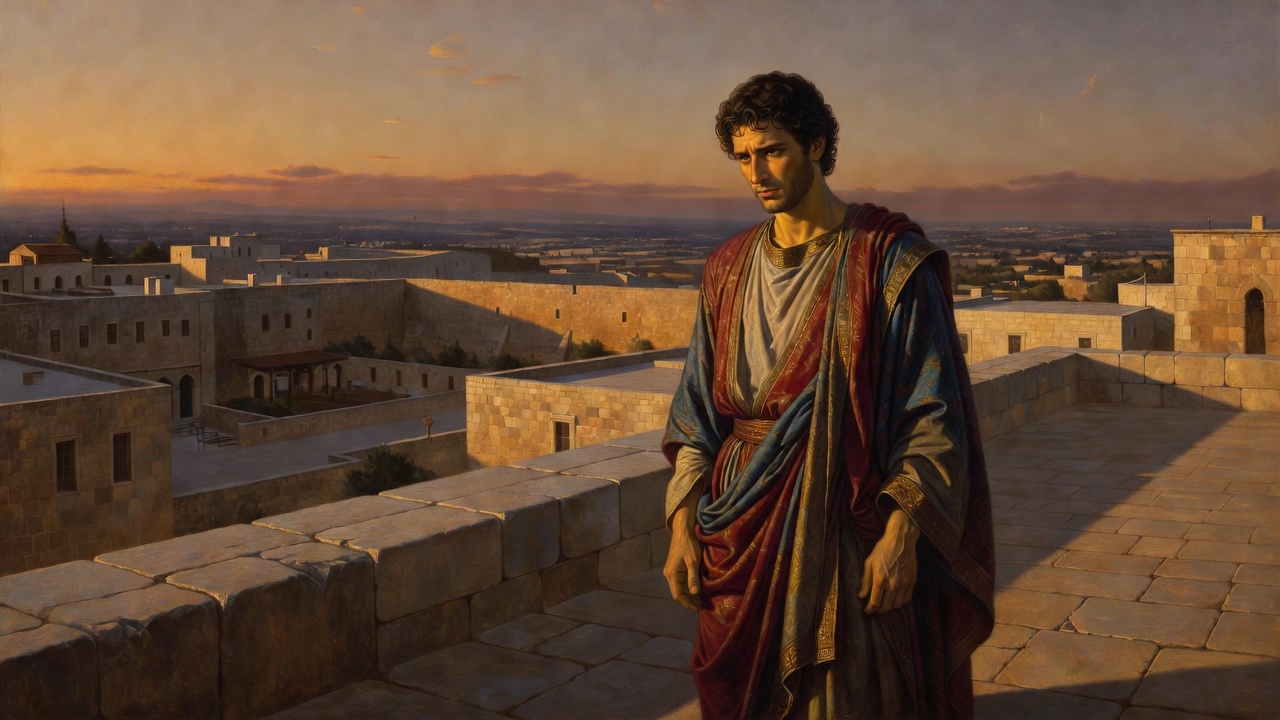
Davi, Bate-Seba e Urias
- Urias é identificado como um hitita e pertencia ao grupo dos guerreiros de elite de Davi, os "valentes". Ao ser chamado a Jerusalém vindo do campo de batalha, recusou-se a desfrutar do conforto de sua casa por solidariedade aos seus companheiros e à Arca da Aliança, que estavam acampados em tendas no campo aberto.Fontes: o próprio texto bíblico · Uriah
- O cerco a Rabá, a principal cidade dos amonitas a leste do rio Jordão, serve de pano de fundo para este capítulo. Embora a primavera fosse a época costumeira em que os reis saíam para guerrear, Davi permaneceu em Jerusalém e confiou a campanha militar ao seu comandante Joabe.Fontes: o próprio texto bíblico · Rabbah · Joab
- Ao orientar seu mensageiro sobre as baixas ocorridas perto dos muros da cidade, Joabe citou o precedente militar da morte de Abimeleque em Tebes, onde uma mulher o matou lançando uma pedra de moinho do alto da muralha. O relato bíblico refere-se ao pai de Abimeleque, Gideão, pelo nome de Jerubesete.Fontes: o próprio texto bíblico · Jerubbesheth · Thebez
Notas escritas com auxílio de IA a partir de fontes abertas (Theographic Bible Metadata, CC BY-SA 4.0; Easton’s Bible Dictionary, domínio público) e revisadas antes de publicar.
Lugares deste capítulo
- Ammon · 31.955, 35.934 · versículo 1
- Jerusalem · 31.777, 35.234 · versículos 1, 12, 22
- Rabbah · Hoje: Amman · 31.955, 35.934 · versículo 1
Só aparecem lugares com identificação de alta confiança (90% ou mais segundo as fontes acadêmicas reunidas pelo OpenBible). Mapa da época: DARE (Digital Atlas of the Roman Empire), CC BY 4.0; mapa atual: © colaboradores do OpenStreetMap; lugares: OpenBible.info (CC BY 4.0).
Créditos e licença desta tradução
Bibiri Kuyie Nnɑ́ɑǹtì Pɑ́tíri
The Holy Bible in the Ditammari language of Benin
copyright © 2001 SIM International
Language: Ditammari
Translation by: SIM
This translation text is made available to you under the
terms of the Creative Commons License: Attribution-Noncommercial-No Derivative Works.
( http://creativecommons.org/licenses/by-nc-nd/3.0/ )
In addition, you have permission to port the text to different file formats, as long as you
do not change any of the text or punctuation of the Bible.
You may share, copy, distribute, transmit, and extract portions
or quotations from this work, provided that you include the above copyright
information:
You must give Attribution to the work.
You do not sell this work for a profit.
You do not make any derivative works that change any of the actual words or punctuation of the Scriptures.
Permissions beyond the scope of this license may be
available if you contact
us with your request.
This translation is made available to you under the terms of the
Creative Commons Attribution-No Derivatives license 4.0.
You may share and redistribute this Bible translation or extracts from it in any format, provided that:
You include the above copyright and source information.
You do not make any derivative works that change any of the actual words or punctuation of the Scriptures.
Pictures included with Scriptures and other documents on this site are licensed just for use with those Scriptures and documents.
For other uses, please contact the respective copyright owners.
2022-05-31
Fonte: http://ebible.org/tbzsim/ · eBible.org