1 Coríntios 7
Bibiri Kuyie Nnɑ́ɑǹtì Pɑ́tíri · Toque num versículo para ver as referências cruzadas.
Pɔɔri tɛ̃̀ńnɛ́ tì dipopuò ĩ́nkɛ̀
1M bo di tɛ̃́nnɛ́ di m bekɛ tìì nɑ́ɑǹtì kɛ tú dɛ̀ wenni onìtì bo nkpɑmɛ̀ o pokɑ̀ɑ̀? Ɛ̃ɛ̃, kòo nìtì í kɑ̀ɑ́kɛ́ onitipòkù dɛ̀ wennimu. 2Bɛnìtìbɛ̀ nɛ́ mɛ̀ ndɔuti dɔutinɛ̀mɛ̀ bɛtɔbɛ̀. Nɛ̀ dɛ kpɛ́í mbɑ́ wèè nitidɔ̀ù mmɔkɛ o pokù, bɑ́ wèè nitipòkù kòo mmɔkɛ o dɔù. 3Onitidɔ̀ù ńduɔ̀ nho pokù ò dò nkɛ́ nhò duɔ̀ ndɛ̀, kòo nitipòkù múnkɛ ńduɔ̀ nho dɔù ò dò nkɛ́ nhò duɔ̀ ndɛ̀. 4Onitipòkù í te o kɔ̃̀ntì o dɔù weè tì te, onitidɔ̀ù mɛ nyí te o kɔ̃̀ntì, o pokù weè tì te. 5Òmɔù bɑ́ɑ́ yetɛnɛ̀ omɑ́ɑ̀ otɔù, kɛ̀ dɛ̀ í tú di wɛ̃nnɛ́ kɛ tɑ̃ɑ̃tɛ́ dimɔ̀nnì mɑrì kɛ bo bɑ́ntɛ̀ Kuyie, kɛ̀ di dèè di wɛ̃tɛ kɛ́sɔɔtɛ́. Dibɔɔ̀ yɑ̀ɑ̀ bo di soutɛ́ mɛ̀ɛ̀ kpɛ́í nkɛ yɛ̃́ di bɑ́ɑ́ nɑmɛ̀ kɛ́pĩ́ ndimɑ́ɑ̀.
6N di nɑ́ɑ́ n yɛ̀mmɛ̀ dò ndɛ̀ɛ̀ wenni dɛ̀ndɛ, n yí yɛ̃ ndi dɛ̀ dɔ̀ɔ̀nɛ̀ muwɛ̃rímú. 7N nɑ ndɔ́ dimɔu di nni ndònnɛ̀mu, timɔu ti nɛ́ í wɛ̃ nyɛpɑ̃rɛ̀, bɑ́ wè Kuyie nhò pɑ̃ dìì pɑ̃nnì cɑ̃̀ɑ̃́mmu.
8Ntɛnɛ̀ n nɑ́ɑ́ ntì tidɑkɔ́ɔ́tì nɛ̀ tipokɔ́ɔ́tì nɛ̀ bɛkúpobɛ̀: Dɛ̀ wennimu di bo nni ndònnɛ̀mɛ̀. 9Kɛ̀ di mɛ nyí yóó nɑ kɛ pĩ́ ndimɑ́ɑ̀, puokɛnɛ̀ kɛ́yenkɛ, kɛ̀ dɛɛ̀ tɔ̃ũnɛ̀ di bo ndɔ́mɛ̀ kɛ̀ dɛ̀ di tuɔ̀.
10Kirisi kɔbɛ bɛ̀ɛ̀ po nɛ̀ bɛ̀ɛ̀ ye, n yóó mɛ̀ mbɛ́i ndìì nùù í tú n kpɛri ti Yiɛ̀ nkpɛri ndi, wèè ye nhò bɑ́ɑ́ yetɛ o dɔù. 11Kòò mɛ nhò yetɛ ò nkɔ́kɛ́. Onitidɔ̀ù mɛ nyí dò nkɛ́bɛti o pokù.
12Díndi bɛtɔbɛ̀ ( n yóó di nɑ́kɛ́ tì í tú ti Yiɛ̀ nkpɛti, n kpɛti nti) kɛ̀ Kirisi kou mɔù po wèè í yie nKirisi kòò dɔ́ kɛ́ nhò ye nhò bɑ́ɑ́ ò bɛ̀ti. 13Kòo nitipòkù weè mɛ ntú Kirisi kou kɛ ye nwèè í yie nKirisi kòò dɔ́ kɛ́ nhò po ò bɑ́ɑ́ ò yetɛ. 14Kɛ yɛ̃́ onitidɔ̀ù wèè í yie nKirisi ò tɔ̀kɛ́nɛ̀mɛ̀ Kuyie nnɛ̀ ò pokù kpɛ́í, kòo nitipòkù wèè í yie nKirisi kòo tɔ̀kɛ́nɛ̀ Kuyie nnɛ̀ o dɔù kpɛ́í, kɛ̀ bɛ̀ mɛ nyɑ̀tɛ bɛ bí bo dɛ́tɛ́nɛ̀ Kuyie nkɛ nɛ́ do kù tɔ̀kɛ́nɛ̀. 15Wèè í dɔ́ Kuyie nkɛ̀ weè yetɛ wèè dɔ́ Kuyie nwèe wè yóu. Dɛ mɔ̀nnì dɛ̀mɑrɛ̀ tɛ̃́nkɛ í bɛ̀ tɑ̀unko. Kuyie ndi dɛɛtɛ́ kɛ̀ di bo nfòù diwɛ̀ì miɛkɛ nkɛ. 16Onitipòkù, ɑ bo yĩ́mɛ kɛ́nyɛ̃́ kɛ dò nhɑ bo dɛɛtɛ́ ɑ dɔù? Onitidɔ̀ù ɑ bo yĩ́mɛ kɛ́nyɛ̃́ kɛ dò nhɑ bo dɛɛtɛ́ ɑ pokù?
Bɑ́ wè wèe yie nho fɔ̃̀tìrì
17Kɛ̀ dɛ̀ í tú m mɛ̀ mbo kɛ nɑ́ɑ́ ntìì ĩ́nkɛ̀, bɑ́ wè wèe yie nho fɔ̃̀tìrì Kuyie nyóó ò dɛɛtɛ́ kòò bo dì. Tiǹti n tièmmɛ̀ Kirisi kɔbɛ bɛmɔu. 18Kɛ̀ Kuyie nyóó dɑ dɛɛtɛ́ kɛ sɔ̃́ nkɑ̀ɑ cɑ̃ntɛ́ bɑ́ nsɔrì kɑ̀ɑ mɛ nyí cɑ̃ntɛ́ bɑ́ ntú ɑ bo cɑ̃ntɛ́. 19Kɑ̀ɑ cɑ̃ntɛ́ yoo ɑ í cɑ̃ntɛ́ dɛ kpɛti í bo, ɑ bo nyíémmɛ̀ Kuyie nkuɔ́ dɛɛ̀ wenni. 20Bɑ́ wè wè mbo Kuyie nyóó ò dɛɛtɛ́ kòo bo dìì fɔ̃̀tìrì kɛ́ntũ nKuyie. 21Kɛ̀ Kuyie nyóó dɑ dɛɛtɛ́ kɛ sɔ̃́ nhɑ tú kudɑɑkù bɑ́ nyĩɛ̃̀kù. Kɛ̀ kucɛ mɛ mbo ɑ bo yĩ́mɛ̀ kɛ tɛ̃́nkɛ bɑ́ ntú kudɑɑkù ɑ́ yɛ̀. 22Kɛ yɛ̃́ wèè do tú kudɑɑkù ò tiekɛmɛ̀ omɑ́ɑ̀ Kirisi kó mɛtɑummɛ̀ miɛkɛ, wèè do te omɑ́ɑ̀ kòo nɑɑ́ nKirisi kó kudɑɑkù. 23Kuyie ndi dontɛ́mu kɛ yietí kudonku diɛkù, tɛ̃́nkɛ bɑ́ nɑɑ́nnɛ̀ bɛnìtìbɛ̀ kó tidɑɑtì. 24N kɔbɛ bɑ́ wè ò mbo Kuyie nyóó o dɛɛtɛ́ kòo bo dìì fɔ̃̀tìrì kɛ́ nkù tũ.
Bɛ̀ɛ̀ kɔ́kɛ́ nɛ̀ bɛkúpobɛ̀
25Bɛ̀ɛ̀ í po nɛ̀ bɛ̀ɛ̀ í ye, n yóó mɛ̀ mbɛ́i ntì í tú ti Yiɛ̀ nkpɛti, mí nKuyie ndɔ̀ɔ̀ wè mɛsɑ̀ɑ̀ mmíì yɛ̀mmɛ̀ mɛ̀ dò, kɛ̀ di bo nɑ kɛ́yie n kpɛti.
26N yɛ̀mmɛ̀ dò nti mɛ̀ mbo yɛ̀ɛ̀ mɔ̀rɛ̀ yɛiyɛ miɛkɛ, dɛ̀ wennimu kɛ dò nhonìtì ḿbo o fɔ̃̀tìrì. 27Kɑ̀ɑ mɔ̀kɛ ɑ pokù, ɑ bɑ́ɑ́ yĩ́ ɑ bo ò bɛ̀ti, kɑ̀ɑ mɛ nyí mɔkɛ, ɑ bɑ́ nwɑnti kɛ́puokɛ. 28Kɑ̀ɑ po ɑ í dɔ̀ɔ̀ mɛyɛi, kɑ̀ɑ mɛ nye nhɑ í dɔ̀ɔ̀ mɛyɛi. Bɛ̀ɛ̀ po nɛ̀ bɛ̀ɛ̀ ye mbɛ̀ yó nhɑ́ɑ́rìmu, dɛɛ̀ te kɛ n yí dɔ́ di tɑ mɛhɑ́ɑ́rìmɛ̀ miɛkɛ.
29Ntɛ n duɔ̀ nyìì tié: Dimɔ̀nnì kũpɛ́mu, bɛ̀ɛ̀ po, bɛ̀ ndò mbɛ̀ í po. 30Bɛ̀ɛ̀ kuɔ̀ mbɛ̀ bɑ́ ndɑkɛnɛ̀ yɛdɑbùò, bɛ̀ɛ̀ yɑ̃̀nku bɛ̀ bɑ́ ndɑkɛnɛ̀ tiyɑ̃nkùtì, bɛ̀ɛ̀ do mbɛ̀ bɑ́ ndɑkɛnɛ̀ mudommu. 31Bɛ̀ɛ̀ mɔ̀kɛ tikpɑ̀tì bɛ̀ bɑ́ ntì dɑ̀kɛnɛ̀, kɛ yɛ̃́ kutenkù ɑutɛ́mɛ̀ kɛ bo deè.
32N dɔ́ kɛ́ di dɛɛtɛ́nɛ̀ iyɛntotí nyi, wèè í po ò ɔ̃ ndɑkɛnɛ̀ ti Yiɛ̀ nkó mutɔ̃mmú mmu, kɛ dɔ́ kɛ́dɔɔ̀ ti Yiɛ̀ ndɔ́ dɛ̀. 33Wèè po kòo ndɑkɛnɛ̀ o cĩ́ɛ̃̀tɛ̀ kó mutɔ̃mmú, kɛ dɔ́ kɛ́dɔɔ̀ o pokù dɔ́ dɛ̀. 34Kòo yɛ̀mmɛ̀ bo tipíìtì tidɛ́. Mɛɛ̀ botí nku onitipòkù wèè í ye nnɛ̀ osɑpɑ̀ɑ̀ nwèè í ye mbɛ̀ ɔ̃ ndɑkɛnɛ̀mɛ̀ ti Yiɛ̀ nkó mutɔ̃mmú, kɛ dɔ́ kɛ́nwenni bɛ kɔ̃̀ntì nɛ̀ bɛ yɛ̀mmɛ̀. Wèè mɛ nye nhò ɔ̃ ndɑkɛnɛ̀ o cĩ́ɛ̃̀tɛ̀ kó mutɔ̃mmú mmu kɛ dɔ́ kɛ́dɔɔ̀ o dɔù dɔ́ dɛ̀.
35N yí di dɔɔrinɛ̀ muwɛ̃rímú, n dɔ́ kɛ́ di teennɛ̀mu kɛ̀ di mbo kɛ̀ dɛ̀ wenni, kɛ tɑunɛ̀ Kuyie nkɛ pĩ́ nku tɔ̃mmú.
36Kòò mɔù wɑɑ́ ndipocɛ̃nnì kɛ sɔ̃́ ndi dɔ́ kɛ́pɛ̃ɛ̃tɛ́ di túòrɛ̀, kòò dɔ́ kɛ́ dì tùótɛ́, kɛ dì tùótɛ́, wè í cɑ̀ɑ̀rɛ̀. 37Kòò mɔù mɛ ntotí o yɛ̀mmɛ̀ weti weti, kɛ bo nɑ kɛ́mpĩ́ nhomɑ́ɑ̀, kɛ bɑ́ɑ́ túótɛ́ o pocɛ̃nnì, wè í cɑ̀ɑ̀rɛ̀. 38Wèè tùótɛ́ o pocɛ̃nnì ò dɔ̀ɔ̀ kɛ̀ dɛ̀ wennimu, kɛ̀ wèè í tùótɛ́ kòo kpɛrɛ dɔkɛ wenni.
39Onitipòkù wèè ye nhò tɑunɛ̀ o dɔù nwe bɛ fòmmu mumɔu miɛkɛ, kòo dɔù mɛ nku ò bo nɑ kɛ́yenkɛ ò dɔ́ wè kɛ̀ dɛ yiɛ̀ ncɛ̃́nkɛ tú Kirisi kou. 40N yɛ̀mmɛ̀ dò nkòò í wɛ̃̀tɛ kɛ yenkɛ dɛ̀ dɔ̀kɛ bo nhò nɑɑti. N yɛ̃́mu kɛ dò n nɑ́ɑ́ ntì Muyɑɑ́nsɑ̀ɑ̀mù muù tì nni nduɔ́.
Você sabia?
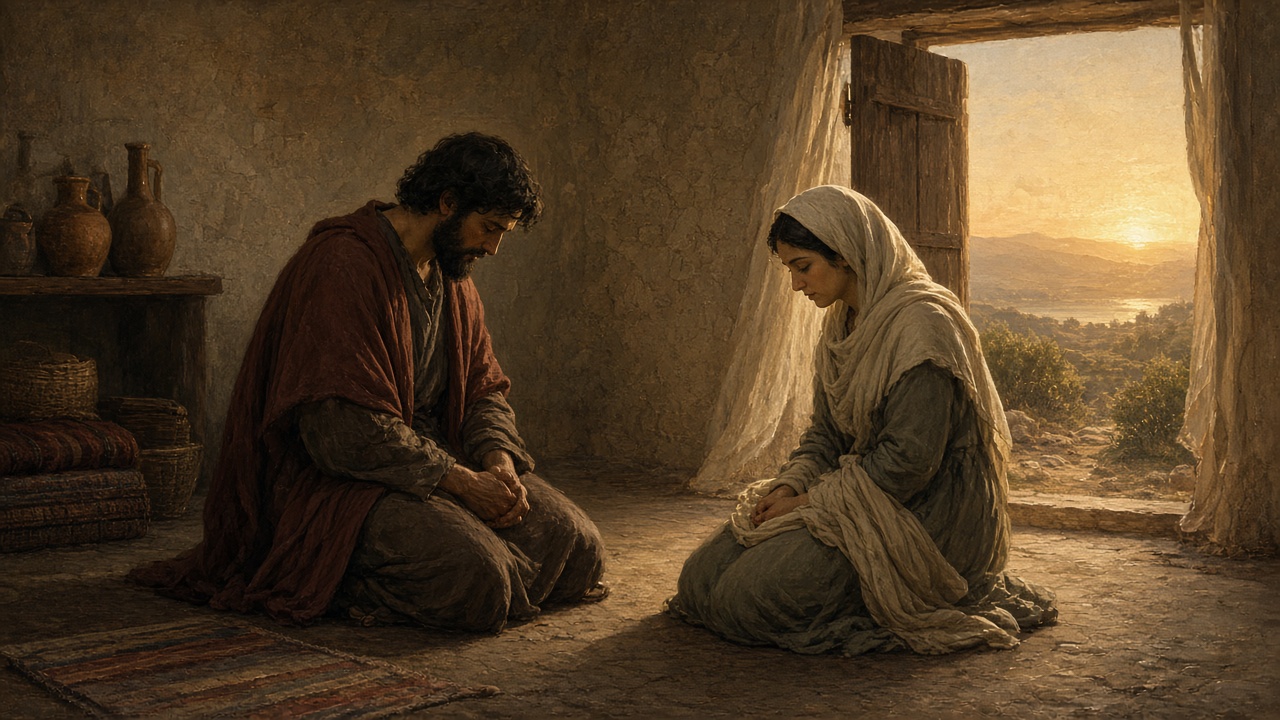
Conselhos sobre o casamento e a crise presente
- O capítulo começa como resposta a assuntos sobre os quais os leitores haviam escrito. O autor diz que é bom abster-se das relações sexuais, mas, porque há tanta imoralidade sexual, cada homem deve ter a própria esposa e cada mulher o próprio marido. Ele apresenta isso como uma concessão, não como uma ordem, e diz que cada pessoa tem o seu próprio dom da parte de Deus.Fontes: o próprio texto bíblico
- No casamento, o autor diz que a esposa não tem autoridade sobre o próprio corpo, mas o marido, e, do mesmo modo, o marido não tem autoridade sobre o próprio corpo, mas a esposa. Não devem privar-se um do outro, exceto por mútuo consentimento e por um tempo, para se dedicarem à oração, e depois voltar a unir-se, para que Satanás não os tente por falta de domínio próprio. O dicionário bíblico de Easton (1897) apresenta o nome Satanás como “adversário” ou “acusador” e observa que ele tentou Jesus no deserto.Fontes: o próprio texto bíblico · Satan
- O autor distingue um mandamento que atribui ao Senhor — a esposa não deve separar-se do marido, e o marido não deve divorciar-se da esposa — do seu próprio juízo, nos casos em que diz que fala ele, e não o Senhor, inclusive casamentos com uma pessoa incrédula e questões sobre virgens. Por causa do que chama de crise presente, e porque diz que o tempo é curto e que este mundo, na sua forma atual, está passando, ele acha bom permanecer como se está. Acrescenta que casar não é pecar, embora os que casam enfrentem dificuldades nesta vida.Fontes: o próprio texto bíblico
Notas escritas com auxílio de IA a partir de fontes abertas (Theographic Bible Metadata, CC BY-SA 4.0; Easton’s Bible Dictionary, domínio público) e revisadas antes de publicar.
Créditos e licença desta tradução
Bibiri Kuyie Nnɑ́ɑǹtì Pɑ́tíri
The Holy Bible in the Ditammari language of Benin
copyright © 2001 SIM International
Language: Ditammari
Translation by: SIM
This translation text is made available to you under the
terms of the Creative Commons License: Attribution-Noncommercial-No Derivative Works.
( http://creativecommons.org/licenses/by-nc-nd/3.0/ )
In addition, you have permission to port the text to different file formats, as long as you
do not change any of the text or punctuation of the Bible.
You may share, copy, distribute, transmit, and extract portions
or quotations from this work, provided that you include the above copyright
information:
You must give Attribution to the work.
You do not sell this work for a profit.
You do not make any derivative works that change any of the actual words or punctuation of the Scriptures.
Permissions beyond the scope of this license may be
available if you contact
us with your request.
This translation is made available to you under the terms of the
Creative Commons Attribution-No Derivatives license 4.0.
You may share and redistribute this Bible translation or extracts from it in any format, provided that:
You include the above copyright and source information.
You do not make any derivative works that change any of the actual words or punctuation of the Scriptures.
Pictures included with Scriptures and other documents on this site are licensed just for use with those Scriptures and documents.
For other uses, please contact the respective copyright owners.
2022-05-31
Fonte: http://ebible.org/tbzsim/ · eBible.org