Colossenses 3
Hudani Kielien · Toque num versículo para ver as referências cruzadas.
1Ingiese ta Mexihare hhantu aminne oluse asiman jiereshiku shiqinni erei. Hhende Mexiha Hudai borun miende souzho. 2Ta zemin jiereshiku shiqinni bu sumuladene asiman jiereshiku shiqinni sumula. 3Ta ijin fuguzhi tai amin Mexihare hhantu Hudai sudoro niuizho. 4Mexihashi matai amin wo. Hhe xienjikudei ta hhere hhantu fama dunda xienjine.
5Ingiese tai sudoro bisan zemin jieredu zui gieku duranlai fugugha, jiushi lon kijieku, zannanni, nefuxin, doghunnii sumulaku, tanxin gieku wo. Tanxin giese nigiedai beiizho. 6Enelai yenyin jiere Hudai hokuku kielien ulie chenliechen kunlai jiere bouzhene. 7Taye eqighandei enelai dunda udu daokude ingiezhi giezhoma, 8ede ta hokuku, piqi shuaiku, doghunni, kufurei fanjiku, shizheku kielienlai man widagha. 9Ta nieniedene ghudan bu kielie. Ta khuichen kun, pse hhe giedanlai teidene 10shini kunni musizho. Ene shini kun hhei zhayaghasan Ezhanyi yanzizhe hhei tanizhi izhi shinishizho. 11Enende Xila kun Yutai kun, hetoune giesan kun ese giesan kun, yeren, unhua witu kun, hoji, ziyutu kun, enelai ulie fenjine. Mexihashi soyuji wo, soyujilai dunda wine.
12Tashi Huda sunghusan, zhiguitu, oresan kun wo. Ingiese ta ubali xiiku, gou zhughe, meilade uzheku, renyi, rennai giekui musi. 13Ene kun hhe kunde boxin kieliekui bise aghuide sumulazhi nieniene roulie. Ezhan tai matugie rouliezhoshi taye qingiezhi kunlai roulie. 14Enelase chugo orekui musi. Oreku manlai lienjighazhi hulunshighane. 15Mexihani pinnan tai zhughei gonji gie. Ene pinnande oluzhi tai uruzhi nie beye gholughawo. Taye chan mafan kielie. 16Ta Mexihani kielienyi zhughedene zhengiejia olonde teizhi soyuji aghelighala nieniedene surughazhi nieniene jingao gie. Mafan gieku zhugheghala shige, zanmeige, ganjin donghala Hudade doula. 17Ta yan kieliezhi yan gieliuzhe Ezhan Ersani niereghala gie. Hhei tungo giezhi ada Hudade mafan kielie.
Shini Kunni Udu Daoku
18Biereila, zhanguijine shunji, ene Ezhanyi miende heshi wo. 19Zhanguijila biereidene ore, hhelai bu zayala.
20Kewosila, yandeliuzhe ana adanughunne chenlie, eneshi Ezhan bayasukui wo. 21Adala, kesilane bu hokugha, pse hhelade zhughe widane.
22Hojila, yandeliuzhe duyani ezhannughunne chenlie. Yan giese kunlai bayasughachen kun mutun zinie kunlai nudun melie bu giedene Ezhanni zunjizhi shixinji gie. 23Ta yan giese kunlade gieku mutun bu giedene Ezhande gieku mutun zhughesene gie. 24Ingiekushi ta Ezhanni hhense jianli wo giezhi jiachanni jienliekui mejiene. Ta shunjisanshi Ezhan Mexiha wo. 25Gou wini giesan kunde gou wini irene. Ezhan kunde pienxin ulie giene.
Você sabia?
Vida nova num só corpo e no lar
- Este capítulo apresenta a vida transformada como uma troca de roupa. Afirma-se que os leitores se despiram do velho homem com suas práticas e se revestiram do novo homem, que vai sendo renovado em conhecimento, à imagem do seu Criador. Em seguida, são chamados a vestir-se de um coração compassivo, de bondade, humildade, mansidão e paciência, e a pôr sobre todas essas virtudes o amor, que é o vínculo da perfeita unidade.Fontes: o próprio texto bíblico
- O capítulo enumera grego e judeu, circunciso e incircunciso, bárbaro, cita, escravo e livre, e declara que aqui nenhuma dessas distinções permanece, porque Cristo é tudo e está em todos.Fontes: o próprio texto bíblico
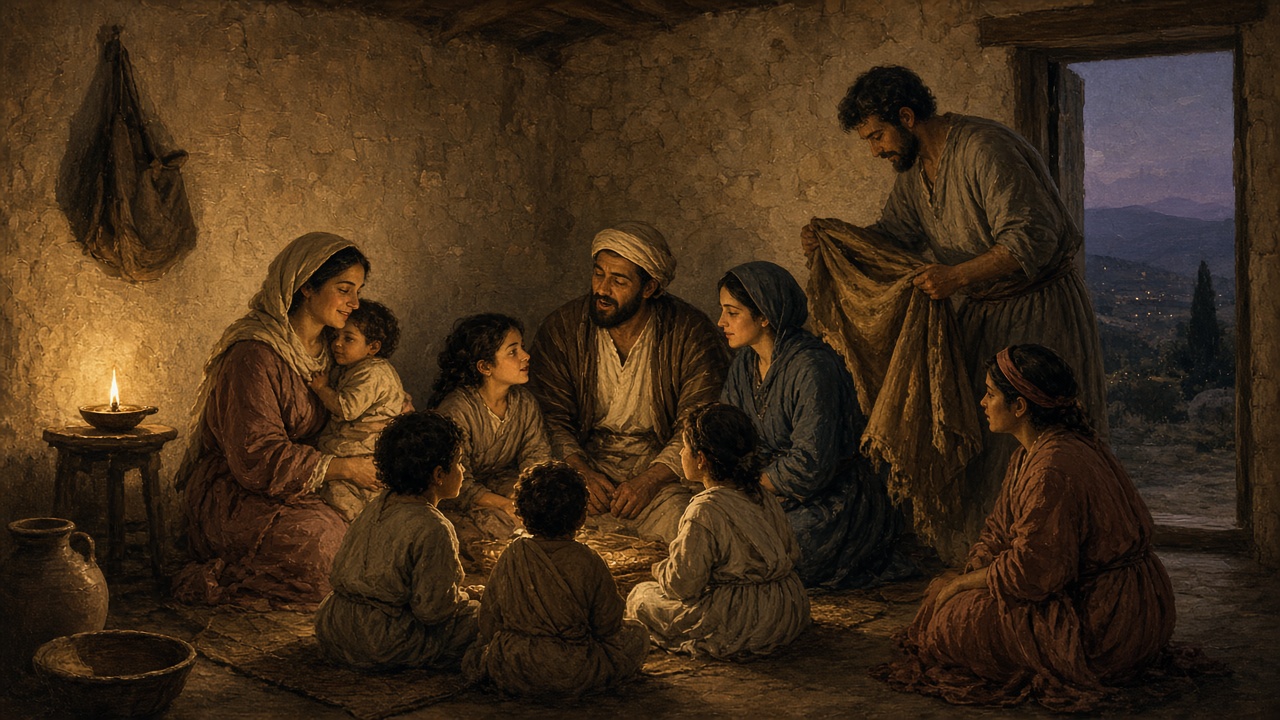
- O capítulo passa então a dar instruções para as relações da casa: esposas e maridos, filhos e pais, e escravos e seus senhores terrenos. Os pais são advertidos a não provocar os filhos, para que eles não desanimem. Aos escravos se diz que obedeçam com sinceridade de coração, não apenas enquanto estão sendo observados, e que trabalhem com todo o seu ser para o Senhor, e não para os homens, com a promessa de uma herança da parte do Senhor como recompensa; quem pratica o mal será pago pelo que fez, e não há favoritismo.Fontes: o próprio texto bíblico
Notas escritas com auxílio de IA a partir de fontes abertas (Theographic Bible Metadata, CC BY-SA 4.0; Easton’s Bible Dictionary, domínio público) e revisadas antes de publicar.
Créditos e licença desta tradução
Hudani Kielien
The New Testament in the Dongxiang language of China: Hudani Kielien
Copyright © 2020-2024 River Street Publishing
Language: (Dongxiang)
Contributor: Wycliffe Bible Translators, Inc.
This translation is made available to you under the terms of the
Creative Commons Attribution Share-Alike license 4.0.
You have permission to share and redistribute this Bible translation in any format and to make reasonable revisions and adaptations of this translation, provided that:
You include the above copyright and source information.
If you make any changes to the text, you must indicate that you did so in a way that makes it clear that the original licensor is not necessarily endorsing your changes.
If you redistribute this text, you must distribute your contributions under the same license as the original.
Pictures included with Scriptures and other documents on this site are licensed just for use with those Scriptures and documents.
For other uses, please contact the respective copyright owners.
Note that in addition to the rules above, revising and adapting God's Word involves a great responsibility to be true to God's Word. See Revelation 22:18-19.
2025-07-02
Fonte: http://ebible.org/sce/ · eBible.org