Mateus 10
Biblija tu limba Rrãmãnã · Toque num versículo para ver as referências cruzadas.
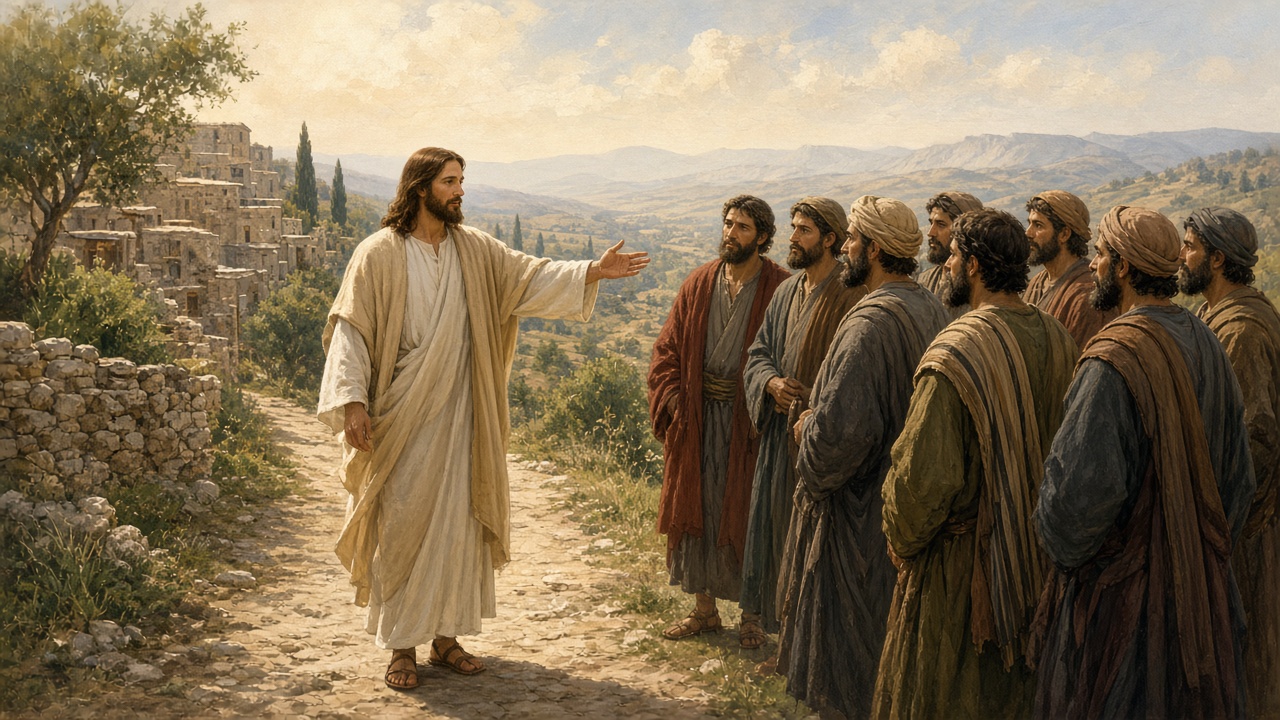
Doisprãdzatslji sh-Misiunea a lor
1Atumtsea Isusul lã acljimã di doisprãdzatsi ucenitsilji a lui ningã nãsu, sh-lã deadi autoritat s-li aĝuneascã duhurili atseali nicuarati, shi s-vindicã itsi lãngoari sh-itsi niputeari. 2Aesti suntu numili a doisprãdzatsi apostulji: protlu Simonul acljimat Petru, shi Andrea, fratili a lui, Iacovul hiljiu al Zevedeu, shi Ioanul, fratili a lui, 3Filipul sh-Bartolomeu, Toma sh-Mateu taxidarlu, Iacovul hiljiu al Alfeu, sh-Tadeul, 4Simon Cananeulu, sh-Iuda Iscariotul atsel tsi deapoea lu prideadi.
5Aeshti suntu di doisprãdzatslji tsi Isusul lji pitricu sh-lã deadi ordinli aesti: “Nu vã dutsets cãtrã pãngãnjili sh-nu intrats tu vãrã cãsãbã a Samaritenjilor. 6Ma dutsets-vã ma ghini la oili atseali chiruti di la casa al Israel. 7Dutsets-vã sh-predicats, dzãcãnda: ‘Amirãriljea a tserurilor s-apruche.’ 8Vindicats lãndzitsãlji, curats leproshilji, injiats mortsãlji, aĝunits demonjili. Geaba loatã, geaba s-dats. 9Nu adunats furii, nitsi asimi, nitsi bãcãr tu punga a voastrã, 10nitsi tastru ti cali, nitsi doauã pãreclji di tunicã, nitsi sandali, nitsi ciumagã, cã lucrutorlu easti axiu ti hranea a lui. 11Tu itsi cãsãbã icã hoarã tsi s-intrats, ntribats macã ari aclo vãrã om axiu, shi shãdets aclo pãnã-cãndu s-vã nchisits. 12Shi cãndu s-intrats tu casã, s-lu salutats. 13Sh-macã atsea casã easti axiu, va yinã pacea a voastrã pri ea, macã nu easti axiu, pacea a voastrã va s-toarnã nãpoi la voi. 14Sh-macã vãrã nu vã ashteaptã, sh-nu lã avdi zboarili a voastri, ishinda di atsea casã icã di atsel cãsãbã, scuturats puhlu di cicioarili a voastri. 15Dealihea ma vã dzãc cã tu dzua a giudicatiljei loclu a Sodomãljei sh-a Gomoriljei va hibã cu ma multã lishureatsã di atsel cãsãbã.
16Ia, mini ma vã-pitrecã ca oili namisa di luchilji. S-hits mintimenji ca nãpãrtisili sh-curats ca purunghilji. 17Afiritsi-vã di oaminjili cã va s-vã prida nãintea a sinedriului a lor, shi va s-vã batã tu sinagogãli a lor. 18Sh-va vã aducã nãintea a guvernatorilor sh-nãintea a amiradzilor trã itia a mea, tsi s-mãrtirsits nãintea a lor shi a pãgãnjilor. 19Sh-cãndu s-vã prida tu mãnjili a lor, nu vã minduits cã tsi va s-grits, cã tu atsea oarã va vã si da atsea tsi prindi dzãtsets. 20Cã nu va s-hits voi tsi grits, ma Duhlu a Tatãlui a vostru tsi va s-greascã trã voi. 21Tora fratili va prida frati-su la moarti, sh-tatili hiljiu a lui, cilmenjilji va si scoalã contra a pãrintsãlor, sh-va lji vatãmã. 22Sh-tuts va vã aurascã trã numa mea, ma atsel tsi va aravdã pãnã tu soni va s-ascapã. 23Cãndu vã s-aĝuneascã tu un cãsãbã, fudzits tu un altã, cã dealihea vã dzãc, cã nu va s-bitisits tricãnda cãsãbadzili a Israelui ma nãinti tsi s-yinã Hiljiu a omlui.
24Uceniclu nu easi prisupru di nvitsãtorlu a lui, nitsi servitorlu prisupru di nicuchirlu a lui. 25Lj-agiundzi a uceniclui si s-facã ca nvitsãtorlu a lui, sh-a huzmichearlu ca nicuchirlu a lui. Macã nicuchirlu a casiljei lu acljimarã Belzebub, ahãntu ma multu va s-lji acljeamã ashã atselji a casiljei a lui!
26S-nu avets fricã, cã nu ari tsiva anvãlitã tsi nu s-dizvãleascã, sh-vãrã tsiva ascumtu tsi nu va s-facã cunuscutã. 27Atsea tsi mini vã dzãc tu scutidi, dzãtsets-u tu lunjinã, sh-atsea tsi avdzãts tu ureclji, predicats-u pri citii. 28Sh-nu vã aspãrats di atselji tsi vatãmã truplu, ma nu pot s-vatãmã suflitul. S-vã aspãratsã ma multu di atsel tsi poati s-chearã suflitlu sh-truplu tu Gehenã. 29Nu s-vindu vahi doi harabelji ti un aspru? Cu tut atsea nitsiunu di elji nu cadi mpadi fãrã vrearea a Talãlui a vostru. 30Ma a voauã sh-perilji di capã vã suntu numirati. 31S-nu avets fricã! Voi custusits ma multu di multsã harabelji.
32Trã atsea, caitsido tsi va mãrtiriseascã ti mini nãintea a oamnjilor, sh-mini va mãrtirisescu nãintea a Tatãlui a meu, tsi easti tu tseruri. 33Ma caitsido tsi va mi aleapid nãintea a oamnjlor, sh-mini va lu aleapid nãintea a Tatãlui a meu tsi easti tu tseruri. 34S-nu vã minduits cã mini am vinit s-aducã pacea pri loc. Nu vinj s-aducã pacea, ma spata. 35Cã mini vinj s-dispartu hiljiu di tatãl, hiljea di muma, sh-nveasta di soacra, 36sh-neamitsilji a omlui va hibã atselji di casa a lui.
37Atsel tsi va tatãl, icã mumã ma multu dicãt mini, nu easti axiu trã mini. Sh-atsel tsi va hiljiu icã hiljiea ma multu dicãt mini, nu easti axiu trã mini. 38Sh-atsel tsi nu ljea crutsea a lui sh-nu yini dupã mini, nu easti axiu trã mini. 39Cai va s-tsãnã bana a lui va u-chearã, ma atsel tsi va u-chearã trã mini va u-aflã.
40Atsel tsi vã aproachi, mi aproachi mini, sh-atsel tsi mi aproachi mini, aproachi atsel tsi mi ari pitricut. 41Atsel tsi aproachi un prufit tu numa a prufitului, va ljea arãsplata a prufitlui. Sh-atsel tsi aproachi ndreptul tu numa a ndreptului, va ljea arãsplata a ndreptului. 42Sh-caitsido tsi lj-da di beari un putir di apã aratsi a vãrui di aeshti njitsi, tu numa a unui ucenic, dealihea vã dzãc cã elu nu va s-chearã pute rãsplãtirea a lui.”
Você sabia?
Os doze enviados em missão
- Simão, chamado Pedro, e seu irmão André — o primeiro par nomeado entre os doze — eram pescadores de Betsaida, na costa ocidental do mar da Galileia. Tiago e João, citados em seguida, eram filhos de Zebedeu, um pescador da Galileia que tinha os próprios barcos e empregados.Fontes: o próprio texto bíblico · Simon Peter · Andrew · Zebedee
- Mateus, identificado na lista como o cobrador de impostos, era filho de Alfeu e antes era conhecido como Levi; recolhia impostos em Cafarnaum, e o nome Mateus significa “dom de Deus”. Tomé, nomeado ao lado dele, também era chamado Dídimo, o equivalente grego do nome hebraico, que significa “gêmeo”. Bartolomeu significa “filho de Tolmai” e, em geral, se supõe que seja a mesma pessoa que Natanael.Fontes: o próprio texto bíblico · Matthew · Thomas · Bartholomew
- Jesus adverte que o dia do juízo será mais tolerável para Sodoma e Gomorra do que para uma cidade que recusar os doze apóstolos. O Dicionário Bíblico de Easton (1897) descreve essas cidades da planície de Sidim como destruídas pelo fogo e proverbiais pela maldade, e as situa, provavelmente próximas uma da outra, perto da extremidade norte do que hoje é o mar Morto.Fontes: o próprio texto bíblico · Sodom · Gomorrah
Notas escritas com auxílio de IA a partir de fontes abertas (Theographic Bible Metadata, CC BY-SA 4.0; Easton’s Bible Dictionary, domínio público) e revisadas antes de publicar.
Créditos e licença desta tradução
Biblija tu limba Rrãmãnã
Portions of the Holy Bible in the Aromanian prestige dialect spoken in central and southern Albania.
copyright © 2024 The Word for the World International
Language: Armãneashti/Arumanisht
Contributor: The Word for the World Europe
Bibla Aromaneshti Frasherot dit Arbenishi
The Word for the World International 2024
www.twftw.org
Aromaneshtli Frasherot easti un din dialectili a limbaljei proto-latine balcanica tsi s-greashti ma multu tu teritorlu a Republicaljei dit Albania, tu Nordul Grecie, tsi s-acljeama Epiru shi tu niscants locurili a Republicaljei dit Nord Machidunia etc. Armanjilji dit Albania, dit Nord Machidunia poati s-lu ghavaseascu textul scriat.
Aromanian Frasherot Bible of Albania
Aromanian Frasherot belongs to the dialects of the Proto-Latin Balkanic language spoken mainly in the territory of the Republic of Albania and of Northern Greece, which was called Epirus and in some other pockets in the Republic of North Macedonia, etc. Aromanians from Albania, and the Republic of North Macedonia can read and understand the printed text.
Bibla Arumune Frasherot e Shqiperise
Arumanishtja Frasherote iu përket dialekteve te gjuhes proto-latine ballanike te folur të folur kryesisht në teritorin e Republikës se Shqiperise dhe te Greqise Veriore, qe quhej Epir dhe ne disa xhepa te tjere ne Republiken e Maqedonise se Veriut etj. Arumunët e Shqiperisë, te Republikës se Maqedonise se Veriut mund të lexojnë dhe kuptojnë tekstin e shtypur.
This translation is made available to you under the terms of the
Creative Commons Attribution Share-Alike license 4.0.
You have permission to share and redistribute this Bible translation in any format and to make reasonable revisions and adaptations of this translation, provided that:
You include the above copyright and source information.
If you make any changes to the text, you must indicate that you did so in a way that makes it clear that the original licensor is not necessarily endorsing your changes.
If you redistribute this text, you must distribute your contributions under the same license as the original.
Pictures included with Scriptures and other documents on this site are licensed just for use with those Scriptures and documents.
For other uses, please contact the respective copyright owners.
Note that in addition to the rules above, revising and adapting God's Word involves a great responsibility to be true to God's Word. See Revelation 22:18-19.
2025-07-02
Fonte: http://ebible.org/rup/ · eBible.org