2 Timóteo 3
Biblija tu limba Rrãmãnã · Toque num versículo para ver as referências cruzadas.
Dumnidzãsirea tu Dzãlili di Soni
1Prindi s-u shtii aestã: tu dzãlili di ma nãpoi va yinã chiro greu. 2Oaminjilji va hibã egoishtsi, tãmãcheari di pãradz, alãvdãtori, pirifanji, blãstimãtori, niascultãtori a pãrintsãlor, aharishti a buneatsãljei, nipistimenji, 3ni-durutsi, ni-puitiutsi, zburãtori, ni-tsãnutsi, cãtilji, tsi nu l-vor buna, 4prudotsi, cap-groshi, fudulji, cheflii ma multu di cãt dumnidzescu. 5Atselji suntu dumnidzescu tu videari, ma alipidats a puteariljei a Dumnidzãlui. Sh-di aeshti dipãrteadz-ti. 6Cã di la aeshti suntu atselji tsi intrã pri cãsi shi li arãdã muljerili atseli ngãrcati cu amãrtii, apucati di orixi soi di soi. 7Elji nveatsã totãna, ma pute nu poatã s-agiungu la cunushtearea a alihiljei. 8Shi ashã cum Iannes sh-Iambresul lu cuntrarã Moisiul, ashã shi aeshti nvitsãtori s-cuntreadzã a alihiljei, suntu oaminji mintiaspartã, sh-arnisits tu pisti. 9Ma aeshti nu va neagã multu nãinti, ashã cum lã undzi sh-atsilor doi, cã zurleatsa-a lor va s-easã tu-padi sh-va s-veadã di tutsã.
Unã Dimãndãciuni tu Soni trã Timoteu
10Sh-tini lu urmash di-aproapi nvitsãtura a mea, purtarea, scupolu, pistea, arãvdarea, vrearea, insistarea, 11avinãrili, munduirili tsi pãtsãi tu Antiochi, tu Iconio, sh-tu Listra. Tini shtii tsi priaĝuniri tricui, ma Dumnidzãlu mi ascãpã di tuti. 12Sh-tuts atselji tsi vor s-bãneadzã cu dumnidzãsiri tu Hristolu Isus va s-priaĝuneascã, 13ma oaminjilji atselji arãilji sh-arãdzãtorlji va si s-ducã arãu sh-ma arãu, arãdzãnda altsãlji sh-mintea a lor. 14Ma tini armãnã tu atseali tsi nvitsash sh-ti cãndãrsish didip, shtiinda di la cai li nvitsashã. 15Di cu ficiureatsã lcunoshti Sãmtili Scrituri, tsi pot s-ti facã shtiut trã ascãparea prit pistipsirea tsi easti tu Hristolu Isus. 16Tutã Scritura easti insuflat di Dumnidzãlu sh lipsit trã nvitsari, cãndãrsiri, ndridzeari sh-educatsii ti ndriptati, 17tsi omlu a Dumnidzãlui s-hibã perfectu, sh-itimãsit ti itsi faptu bun.
Você sabia?
Tempos difíceis e a oposição à verdade
- Este capítulo compara as pessoas que se opõem à verdade com Janes e Jambres. Um dicionário bíblico identifica Janes como um dos egípcios que resistiram a Moisés, e Jambres como um dos que se opuseram a Moisés no Egito. A carta diz que, como eles, esses opositores têm a mente depravada e estão desqualificados quanto à fé, e que a insensatez deles ficará evidente para todos.Fontes: Jannes · Jambres · o próprio texto bíblico
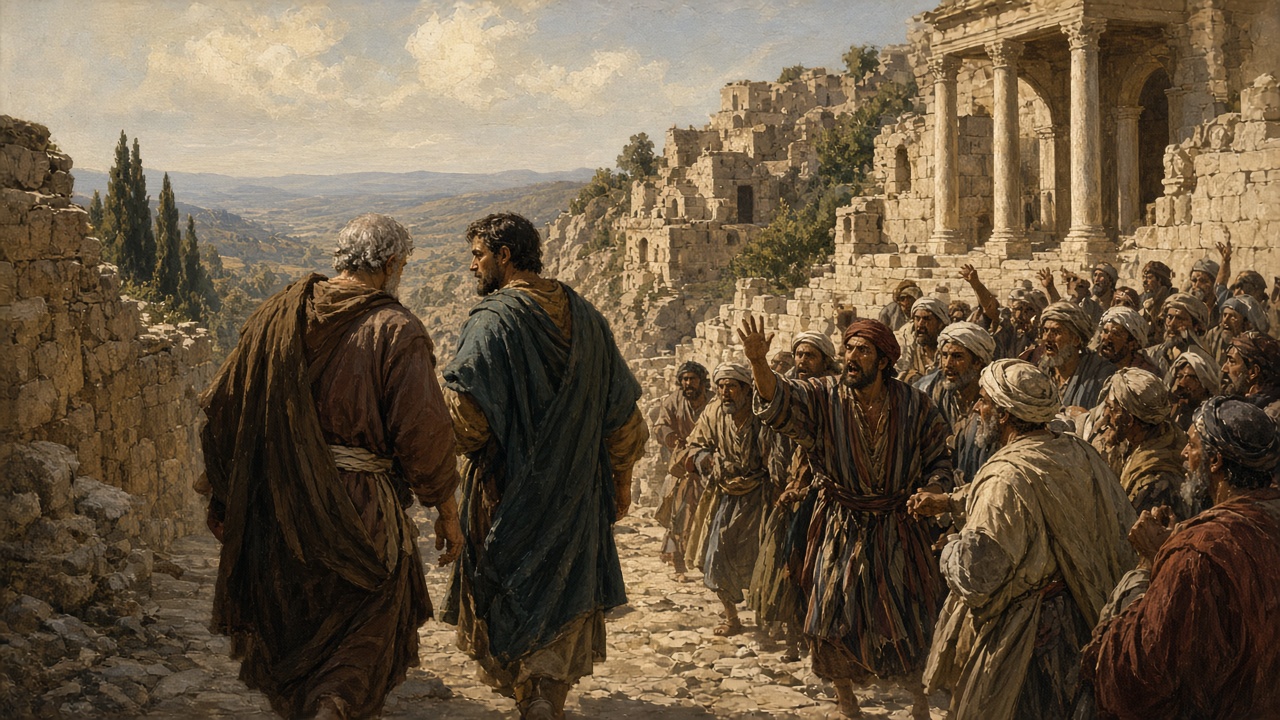
- Paulo recorda as perseguições e os sofrimentos que lhe aconteceram em Antioquia, Icônio e Listra, e diz que o Senhor o livrou de todas essas perseguições. Na primeira viagem missionária com Barnabé, os judeus em Antioquia, no extremo norte da Pisídia, incitaram uma oposição violenta, e os dois tiveram de partir; em Icônio foram perseguidos pelos judeus e fugiram para Listra. Icônio era a capital da antiga Licaônia; Listra era uma cidade da Licaônia, na Ásia Menor, numa região selvagem.Fontes: Antioch (Pisidia) · Iconium · Lystra · o próprio texto bíblico
Notas escritas com auxílio de IA a partir de fontes abertas (Theographic Bible Metadata, CC BY-SA 4.0; Easton’s Bible Dictionary, domínio público) e revisadas antes de publicar.
Lugares deste capítulo
- Antioch · Hoje: Antioch in Pisidia · 38.306, 31.189 · versículo 11
- Iconium · Hoje: Konya · 37.872, 32.492 · versículo 11
- Lystra · Hoje: Tel Lystra · 37.602, 32.338 · versículo 11
Só aparecem lugares com identificação de alta confiança (90% ou mais segundo as fontes acadêmicas reunidas pelo OpenBible). Mapa da época: DARE (Digital Atlas of the Roman Empire), CC BY 4.0; mapa atual: © colaboradores do OpenStreetMap; lugares: OpenBible.info (CC BY 4.0).
Créditos e licença desta tradução
Biblija tu limba Rrãmãnã
Portions of the Holy Bible in the Aromanian prestige dialect spoken in central and southern Albania.
copyright © 2024 The Word for the World International
Language: Armãneashti/Arumanisht
Contributor: The Word for the World Europe
Bibla Aromaneshti Frasherot dit Arbenishi
The Word for the World International 2024
www.twftw.org
Aromaneshtli Frasherot easti un din dialectili a limbaljei proto-latine balcanica tsi s-greashti ma multu tu teritorlu a Republicaljei dit Albania, tu Nordul Grecie, tsi s-acljeama Epiru shi tu niscants locurili a Republicaljei dit Nord Machidunia etc. Armanjilji dit Albania, dit Nord Machidunia poati s-lu ghavaseascu textul scriat.
Aromanian Frasherot Bible of Albania
Aromanian Frasherot belongs to the dialects of the Proto-Latin Balkanic language spoken mainly in the territory of the Republic of Albania and of Northern Greece, which was called Epirus and in some other pockets in the Republic of North Macedonia, etc. Aromanians from Albania, and the Republic of North Macedonia can read and understand the printed text.
Bibla Arumune Frasherot e Shqiperise
Arumanishtja Frasherote iu përket dialekteve te gjuhes proto-latine ballanike te folur të folur kryesisht në teritorin e Republikës se Shqiperise dhe te Greqise Veriore, qe quhej Epir dhe ne disa xhepa te tjere ne Republiken e Maqedonise se Veriut etj. Arumunët e Shqiperisë, te Republikës se Maqedonise se Veriut mund të lexojnë dhe kuptojnë tekstin e shtypur.
This translation is made available to you under the terms of the
Creative Commons Attribution Share-Alike license 4.0.
You have permission to share and redistribute this Bible translation in any format and to make reasonable revisions and adaptations of this translation, provided that:
You include the above copyright and source information.
If you make any changes to the text, you must indicate that you did so in a way that makes it clear that the original licensor is not necessarily endorsing your changes.
If you redistribute this text, you must distribute your contributions under the same license as the original.
Pictures included with Scriptures and other documents on this site are licensed just for use with those Scriptures and documents.
For other uses, please contact the respective copyright owners.
Note that in addition to the rules above, revising and adapting God's Word involves a great responsibility to be true to God's Word. See Revelation 22:18-19.
2025-07-02
Fonte: http://ebible.org/rup/ · eBible.org