Lucas 7
Abware̱se̱ŋ Wo̱re̱-ɔ · Toque num versículo para ver as referências cruzadas.
Ane̱ŋ ne̱ Yeesuu a kya Roma soogyaa ko̱ ke̱yaafɔre̱‑ɔ
1Saŋ ne̱ Yeesuu a tɔwe̱ ke̱tɔ ne̱ o de o gywii ase̱sɛ‑ɔ lo̱we̱‑ɔ, ne̱ ɔɔ yɔ Kapaaniyum maŋ‑nɔ. 2Amɔ saŋ amo̱‑ɔ asoogyaa abre̱sɛ‑ɔ ɔko̱ bo̱ mfe̱ŋ. Ɔ mo̱ŋ gye̱ Isireeliinyi fe̱yɛ Yeesuu‑o. Ɔ gye̱ Romanyi ne̱e̱. Ne̱ o de mò̱ ke̱yaafɔre̱ timaa ko̱ ne̱ ɔ lɔ ɔ da ɔ kpa a o wu. 3Soogyaa amo̱ a nu Yeesuu si maŋ‑ɔ‑rɔ‑ɔ, ne̱ oo suŋ Yudaa awuye abre̱sɛ ko̱ fe̱yɛ bo̱ ya ko̱re̱ Yeesuu na ɔ bo̱ kya mò̱ ke̱yaafɔre̱‑ɔ sa mò̱. 4Ne̱ baa ba Yeesuu ase̱ bo̱ ko̱re̱ mò̱ fe̱yɛ ɔ ba. Ne̱ bo̱ yɛ, “Hare̱e̱ ɔnyare̱ amo̱ a mo̱ŋ gye̱ Isireeliinyi‑o gbaa ooo, a bware fe̱yɛ fo̱ bo̱ kya mò̱‑rɔ. 5Bo̱ le̱e̱ fe̱yɛ ɔ kpa ane̱ ase̱sɛ ase̱ŋ, ne̱ mò̱ fɔŋfɔŋ a be̱e̱ pwɛɛ ke̱bware̱ko̱re̱kyaŋ sa ane̱.”
6Amo̱se̱‑ɔ ne̱ bamo̱ aa Yeesuu a taa bo̱ yɔ. Bamo̱ a kpa a bo̱ fo̱ lɔŋ‑ɔ‑rɔ‑ɔ, ne̱ soogyaa‑o a suŋ mò̱ nyare̱‑ana fe̱yɛ bo̱ ya gyaŋŋaa Yeesuu. Ne̱ baa ya tɔwe̱ gywii mò̱ fe̱yɛ, “Mo̱ nyaŋpe̱, fo̱ ma kpo̱ne̱ fo̱ e̱ye̱e̱ ba mo̱ ase̱. A le̱e̱ fe̱yɛ mo̱ŋ gye̱ se̱sɛ timaa ne̱ m bware fe̱yɛ fo̱ ba mo̱ lɔŋ‑nɔ‑ɔ. 7Ne̱ mo̱‑ɔ m be̱e̱ mo̱ŋ fo̱ fe̱yɛ m ba fo̱ ase̱ mo̱ fɔŋfɔŋ. Amo̱se̱‑ɔ fo̱ ya de̱ŋ sa kanɔ bo̱ kyo̱ŋwe̱ gbaa, mo̱ ke̱yaafɔre̱‑ɔ e̱ kpaare̱. 8Ŋ gbaa mo̱ ne̱ n gye̱ se̱sɛ laŋgyaŋ, ne̱ n de abre̱sɛ ne̱ bo̱ kyɔ mo̱‑ɔ, de asoogyaa awuye mo̱ kaase̱, ne̱ mo̱ ya tɔwe̱ gywii bamo̱ ɔko̱ fe̱yɛ, ‘Nare̱,’ ɔ yɔ ne̱e̱, ne̱ mo̱ ya tɔwe̱ gywii ɔko̱ mɔ fe̱yɛ, ‘Ba,’ puri amo̱‑rɔ amɔ ɔ ba. Ne̱ mo̱ ya tɔwe̱ gywii mo̱ ke̱yaafɔre̱ fe̱yɛ, ‘Waa ke̱mo̱‑ɔ,’ amɔ ɔ waa.”
9Yeesuu a nu ane̱ŋ ne̱ ɔnyare̱ amo̱ a suŋ bo̱ tɔwe̱‑ɔ, ne̱ e̱ye̱e̱ a kpe̱ŋ mò̱, ne̱ oo buruwaa tɔwe̱ gywii lamaŋ ne̱ ɔ gya mò̱ se̱‑ɔ fe̱yɛ, “Mo̱ e̱ tɔwe̱ mo̱ i gywii mo̱ne̱ fe̱yɛ mo̱ŋ tɛɛ ŋu se̱sɛ ne̱ ɔ kɔɔre̱ mo̱ o gyi mfaanɛɛ‑ɔ, ane̱ Isireelii awuye‑ro gbaa mo̱ŋ tɛɛ ŋu ɔko̱ ane̱ŋ. Ne̱ ɔnyare̱ mɔ mo̱ŋ gye̱ Isireeliinyi.”
10Ne̱ mbɔɔ amo̱ a kiŋŋi yɔ soogyaa amo̱ aye̱ ya to̱ fe̱yɛ mò̱ ke̱yaafɔre̱ amo̱ a kpaare̱.
Ane̱ŋ ne̱ Yeesuu a kyiŋŋi kpenlekye̱e̱ ko̱ kagyinyaŋsɛɛ le̱e̱ lowi‑ro‑o
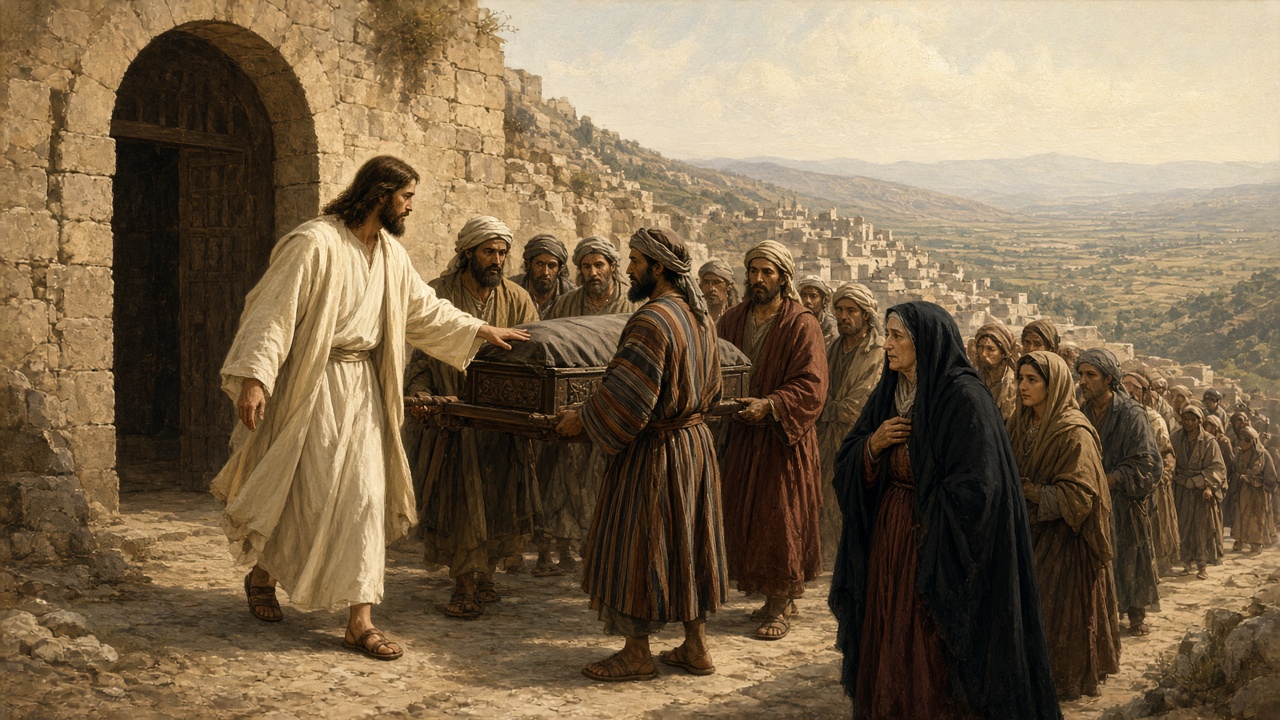
11Ŋke mfe̱ne̱ ko̱ kamɛɛ‑ɔ, ne̱ Yeesuu a yɔ maŋ ko̱ ne̱ ba te̱e̱ ɛ Nayiŋ‑o‑ro. Amɔ saŋ amo̱‑ɔ mò̱ agyase̱po̱‑ɔ na ase̱sɛ biribiri gya mò̱ se̱. 12Saŋ ne̱ ba kpa a bo̱ lwee maŋ‑ɔ‑rɔ‑ɔ na ase̱sɛ ko̱ so̱ kifuniŋ, na ase̱sɛ bwe̱e̱tɔ gya se̱ ba le̱e̱ maŋ‑ɔ‑rɔ ba yɔ purekpa. Asaa kpenlekye̱e̱ ko̱ mɔ kagyinyaŋsɛɛ wo̱re̱ kpeŋ ne̱ o de‑o ya wu, ne̱ bo̱ de mò̱ a bo̱ ya pure, ne̱ maŋ‑ɔ‑rɔ ase̱sɛ gya se̱ ane̱ŋ. 13Amɔ Yeesuu ke̱de̱ŋ ŋu ɔkye̱e̱ amo̱‑ɔ, ne̱ mò̱ ase̱ŋ a waa mò̱ e̱wɛɛ, ne̱ ɔɔ tɔwe̱ gywii ɔkye̱e̱‑ɔ fe̱yɛ, “Fo̱ ma lɛɛ su.”
14Ne̱ Yeesuu a nare̱ ya dabo̱rɔ kifuniŋ‑o, ne̱ bamo̱ ne̱ bo̱ so̱‑ɔ a sii ye̱re̱. Ne̱ Yeesuu yɛ, “Ke̱yaafɔre̱, ko̱so̱.” 15Ne̱ ke̱yaafɔre̱ ne̱ oo wu‑o a ko̱so̱ kye̱na, ne̱ ɔɔ le̱e̱ ɔ sa se̱ŋsa. Ne̱ Yeesuu a taa mò̱ sa mò̱ nyi.
16Ne̱ kufu a nya bamo̱ ne̱ bo̱ bo̱ mfe̱ŋ‑ɔ pɛɛɛ, ne̱ baa kyo̱rɔ Wuribware̱. Ne̱ bo̱ yɛ, “Wuribware̱ kyaamɛɛ dabe̱ ko̱ a ba ane̱ ase̱. Wuribware̱ a ba a ɔ bo̱ mo̱rɔwe̱ mò̱ ase̱sɛ.” 17Ne̱ Yeesuu ase̱ŋ a yɔ e̱maŋ ne̱ e̱ maa mfe̱ŋ‑ɔ‑rɔ na ifuri amo̱ pɛɛɛ se̱.
Ane̱ŋ ne̱ Yohanee Osuubɔpo̱‑ɔ a suŋ mbɔɔ Yeesuu ase̱‑ɔ
18Ne̱ Yohanee Osuubɔpo̱ a agyase̱po̱‑ɔ a tɔwe̱ atɔ ne̱ Yeesuu a waa‑ɔ pɛɛɛ ase̱ŋ gywii Yohanee. Ne̱ ɔɔ te̱e̱ bamo̱ abɛɛ anyɔ suŋ bamo̱ Yeesuu ase̱ na bo̱ ya bise mò̱ fe̱yɛ, “Fo̱ e̱ gye̱ Kristoo ne̱ Yohanee yɛ ɔ ba a ɔ bo̱ le̱e̱ Wuribware̱ ase̱‑ɔ ɔɔɔ, bɛɛɛ se̱sɛ baŋbaŋ ko̱ be̱e̱ ɔ bo̱‑rɔ ne̱ ane̱ ke̱e̱ mò̱ kpa aaa?”
20Amo̱ fe̱raa bamo̱ a yɔ Yeesuu ase̱‑ɔ, ne̱ baa bise mò̱ fe̱yɛ, “Yohanee Osuubɔpo̱‑ɔ ya suŋ ane̱ na ane̱ bo̱ bise fo̱ fe̱yɛ fo̱ e̱ gye̱ Kristoo ne̱ ɔ yɛ ɔ ba a ɔ bo̱ le̱e̱ Wuribware̱ ase̱‑ɔ ɔɔɔ, bɛɛɛ se̱sɛ baŋbaŋ ko̱ be̱e̱ ɔ bo̱‑rɔ ne̱ ane̱ ke̱e̱ mò̱ kpa aaa?”
21Saŋ amo̱ mɔ‑ɔ, Yeesuu a kyɔ kya alɔpo̱ bwe̱e̱tɔ na bamo̱ ne̱ ibrisi te bamo̱ se̱‑ɔ. Ate̱napo̱ pɛɛɛ, oo buŋŋi bamo̱ akatɔ. 22To, ne̱ ɔɔ be̱ŋŋaa Yohanee Osuubɔpo̱ a mbɔɔ‑ɔ fe̱yɛ, “Mo̱nꞌ kiŋŋi nare̱ ya tɔwe̱ ke̱tɔ ne̱ mo̱ne̱ a nu mo̱ e̱ tɔwe̱, na ke̱tɔ ne̱ mo̱ne̱ a ŋu mo̱ e̱ waa‑ɔ gywii Yohanee. Fe̱yɛ ane̱ŋ ne̱ Wuribware̱ kyaamɛɛ ko̱ a kyo̱rɛɛ waa abware̱se̱ŋ wo̱re̱‑ɔ‑rɔ bo̱ le̱e̱ mò̱ ne̱ ɔ ba a ɔ bo̱ ba‑ɔ kuŋu si ase̱ŋ‑ɔ, amo̱ e̱ gye̱ fe̱yɛ, mbe̱yɔmɔ ate̱napo̱ ke̱e̱, ne̱ agyabɔɔ naa, ne̱ abwatɔpo̱ ke̱bwatɔ a lo̱we̱, ne̱ akpawu i nu ase̱ŋ, ne̱ bamo̱ ne̱ baa wu‑o a kyiŋŋi, ne̱ atiripo̱ i nu ase̱ŋ timaa‑o. 23Ɔko̱ ne̱ ɔ maa yɔwe̱ ko̱kɔɔre̱ mo̱ gyi‑o e̱ nya ŋyure.”
24Saŋ ne̱ Yohanee Osuubɔpo̱ a mbɔɔ‑ɔ a kiŋŋi bo̱ yii‑o, ne̱ Yeesuu a le̱e̱ ɔ tɔwe̱ Yohanee ase̱ŋ o gywii ase̱sɛ bwe̱e̱tɔ ne̱ bo̱ gya mò̱ se̱‑ɔ. Ɔ yɛ, “Saŋ ne̱ mo̱ne̱ a yɔ Yohanee ase̱ kimukee‑ro‑o, nte̱tɔ ne̱ mo̱ne̱ a yɔ a mo̱nꞌ ya de̱e̱re̱? Ɔko̱ ne̱ o kyurowi mò̱ mfɛɛre̱ fe̱yɛ ane̱ŋ ne̱ e̱fa i kpeere ŋ yɔ mfe̱e̱ na mfe̱e̱ saŋ ne̱ afwii e̱ da mmo̱‑ɔ ne̱ mo̱ne̱ a ya de̱e̱re̱ aaa? 25Nte̱tɔ ne̱ mo̱ne̱ a le̱e̱ a mo̱nꞌ ya de̱e̱re̱? Se̱sɛ ne̱ o buŋ waagya timaa‑o ne̱ mo̱ne̱ a yɔ a mo̱nꞌ ya de̱e̱re̱ aaa? Ase̱sɛ ne̱ bo̱ buŋ ane̱ŋ a atɔ ne̱ bamo̱ kakye̱na‑rɔ bo̱ kɔne̱‑ɔ gye̱ atɔ awuye ne̱ bo̱ te e̱lɔŋ dame̱naŋsɛ dabe̱ dabe̱‑rɔ‑ɔ. 26Mo̱nꞌ tɔwe̱ gywii mo̱, nsɛ ne̱ mo̱ne̱ a yɔ a mo̱nꞌ ya de̱e̱re̱? Wuribware̱ kyaamɛɛ aaa? Kase̱ŋtiŋ ne̱e̱, amaa n gye̱ Wuribware̱ kyaamɛɛ‑ɔ wo̱re̱ ne̱ mo̱ne̱ a ya ŋu. Mo̱ne̱ a ŋu ɔko̱ na ɔ kyɔ bo̱ tii si. 27A le̱e̱ fe̱yɛ Yohanee Osuubɔpo̱‑ɔ ase̱ŋ ne̱ baa kyo̱rɛɛ waa abware̱se̱ŋ wo̱re̱‑ɔ‑rɔ fe̱yɛ Wuribware̱ e̱ tɔwe̱ o gywii Kristoo fe̱yɛ,
‘Mo̱ i suŋ mo̱ kabɔɔ a m bo̱ gye̱ fo̱ ŋkpɛɛ,
na ɔ ya lɔŋŋɔ kpa bo̱ ye̱ra fo̱.’ ”
28Ne̱ Yeesuu a tɔwe̱ bo̱ tii si fe̱yɛ, “Mo̱ e̱ tɔwe̱ mo̱ i gywii mo̱ne̱ fe̱yɛ se̱sɛ ko̱ mo̱ŋ kye̱na swe̱e̱re̱ mɔ se̱ ne̱ ɔ kyɔ Yohanee Osuubɔpo̱‑ɔ, amaa mò̱ ne̱ ɔ gye̱ kagyingyii Wuribware̱ se̱ a kuwure‑o‑ro kyɔ Yohanee.”
29Ase̱sɛ‑ɔ pɛɛɛ, fɔŋfɔŋ leŋpoo akɔɔre̱po̱‑ɔ, a nu ane̱ŋ ne̱ Yeesuu a tɔwe̱ Yohanee Osuubɔpo̱‑ɔ ase̱ŋ‑ɔ, ne̱ bamo̱ akatɔ a gyi, ne̱ bo̱ yɛ Wuribware̱ bware. Ase̱sɛ mɔ ne̱ baa tɔwe̱ ane̱ŋ‑ɔ gye̱ bamo̱ ne̱ Yohanee a bɔ asuu‑o ne̱e̱. 30Amaa Farisii awuye‑o na Wuribware̱ mbraa akaapo̱po̱‑ɔ e̱ gye̱ bamo̱ ne̱ bamo̱ fe̱raa baa kine kpa ne̱ Wuribware̱ e̱ bo̱rɔ se̱ a ɔ bo̱ mo̱rɔwe̱ ase̱sɛ‑ɔ, ne̱ baa kine fe̱yɛ Yohanee bɔ bamo̱ asuu‑o.
31Ne̱ Yeesuu a kya se̱ ɛ, “Mbe̱yɔmɔ, nte̱tɔ ne̱ mo̱ e̱ nya a m bo̱ biri ndɔɔ a ase̱sɛ‑ɔ ne̱e̱? E̱me̱ne̱ ne̱ bo̱ du? 32Bo̱ du ne̱e̱ fe̱yɛ ŋyaagyi a te ba soori ko̱lɔŋde̱ se̱, ne̱ bamo̱ katuŋ ko̱ e̱ fɛɛ‑rɔ ba kyo̱ŋwe̱ katuŋ ko̱ fe̱yɛ,
‘Ane̱ a da ko̱ko̱fɔ‑rɔ akɔye̱ sa mo̱ne̱,
amaa mo̱ne̱ mo̱ŋ kyaa ooo.
Ne̱ ane̱ a be̱e̱ waa kale,
amaa mo̱ne̱ mo̱ŋ su ooo.’
33To, Yohanee Osuubɔpo̱‑ɔ a ba‑ɔ, ɔɔ kra ako̱ŋ, ne̱ oo kisi nta kunuu, ne̱ mo̱ne̱ yɛ, ‘Ɔbɔnsam te mò̱ se̱.’ 34Amaa mo̱, dimaadi mò̱ gyi‑o, a ba, ne̱ mo̱ a gyi nuu fe̱raa, ne̱ mo̱ne̱ be̱e̱ mo̱ne̱ yɛ, ‘Mo̱nꞌ ke̱e̱ ɔnyare̱ amo̱, ɔ gye̱ oteesekpapo̱, na ɔtanuupo̱, na leŋpoo akɔɔre̱po̱ bamo̱ nyare̱, na e̱bɔye̱ awaapo̱ bamo̱ nyare̱ ne̱e̱.’ 35Amaa fo̱ ya ŋu ɔko̱ ne̱ mò̱ e̱ gya Wuribware̱ a kanyiase̱ŋ a e̱kpa‑ɔ se̱‑ɔ, fo̱ i ŋu fe̱yɛ mò̱ kanyiase̱ŋ‑ɔ gye̱ kase̱ŋtiŋ.”
Ane̱ŋ ne̱ Yeesuu a yɔ Simɔŋ Farisiinyi‑o aye̱‑ɔ
36Ne̱ Farisii awuye‑o ɔko̱ ne̱ ba te̱e̱ mò̱ ɛ Simɔŋ‑ɔ a nyiŋŋi Yeesuu fe̱yɛ ɔ ba mò̱ aye̱ bo̱ gyi ateese. Ne̱ ɔɔ yɔ mfe̱ŋ ya kye̱na a o gyi. 37Amɔ saŋ amo̱ ɔkye̱e̱ ko̱ mɔ bo̱ maŋ‑ɔ‑rɔ mfe̱ŋ, ne̱ ɔ gye̱ e̱bɔye̱ ɔwaapo̱. Ne̱ oo nu fe̱yɛ Yeesuu a ba Farisiinyi amo̱ aye̱ o gyi. Amo̱se̱‑ɔ ne̱ ɔɔ kpa mò̱ laŋpe̱ŋtaa bo̱ bo̱rɔ kalɔgyii ko̱ ne̱ baa baa kibu ko̱ ne̱ ba te̱e̱ ke̱mo̱ ɛ alabase̱taa‑ɔ bo̱ waa‑ɔ baa mfe̱ŋ. 38Amo̱ a gye̱ Yudaa awuye mbraa‑ɔ se̱, ne̱ bo̱ da ba gyi. Ne̱ ɔkye̱e̱‑ɔ a bo̱ ye̱re̱ Yeesuu ayaa ase̱. Ne̱ o su o de mò̱ akyukyu ɔ pɔ mò̱ ayaapapaa. Ne̱ ŋkee ɔɔ ba mò̱ ipwii bo̱ kpɛɛ akyukyu‑o Yeesuu ayaapapaa‑ɔ se̱, ne̱ ŋkee ɔɔ kyo̱kywe̱e̱ amo̱ se̱, ne̱ oo twiiri laŋpe̱ŋtaa‑ɔ bo̱ we̱e̱ se̱.
39Ne̱ Farisiinyi ne̱ Yeesuu te mò̱ lɔŋ‑nɔ‑ɔ a ŋu ane̱ŋ‑ɔ, ne̱ ɔɔ fa mò̱ mfɛɛre̱‑rɔ fe̱yɛ, “Ɔnyare̱ mɔ dɛɛ ɔ gye̱ Wuribware̱ kyaamɛɛ kase̱ŋtiŋ ne̱e̱, weetee o ŋu ke̱tɔ ne̱ ɔkye̱e̱ mɔ ne̱ ɔ dabo̱rɔ mò̱‑ɔ gye̱‑ɔ. Na o ŋu ane̱ŋ ne̱ ɔkye̱e̱ mɔ te ɔ waa e̱bɔye̱‑ɔ.”
40Amo̱ fe̱raa ne̱ Yeesuu a tɔwe̱ fe̱yɛ, “Simɔŋ, n de ko̱tɔko̱ a n tɔwe̱ gywii fo̱.”
Ne̱ Simɔŋ yɛ, “Yooo, ɔkaapo̱po̱, tɔwe̱ gywii mo̱.”
41Ne̱ Yeesuu a tɔwe̱ fe̱yɛ, “Anyare̱ anyɔ ko̱ e̱ bo̱‑rɔ. Ne̱ bo̱ de atɔ wuye ko̱, ne̱ o de mò̱ atanne̱ ɔ para ase̱sɛ‑ɔ ko̱kɔ. Bamo̱ ɔko̱ de mò̱ ko̱kɔ siidii ŋkpe̱ŋ nnuu, ne̱ ɔko̱‑ɔ mɔ de siidii alafa anuu. 42Bamo̱ anyɔ‑ɔ mɔ pɛɛɛ mo̱ŋ taare̱ ko̱kɔ‑ɔ ka, amo̱se̱ se̱‑ɔ ne̱ ɔɔ taa bo̱ ke bamo̱. To, bamo̱ abɛɛ anyɔ mɔ‑rɔ, nsɛ e̱ gye̱ ne̱ mò̱ akatɔ i gyi atɔ wuye amo̱ se̱ bwe̱e̱tɔ‑ɔ ne̱e̱?”
43Ne̱ Simɔŋ Farisiinyi‑o a be̱ŋŋaa fe̱yɛ, “Mo̱ e̱ kɔɔre̱ a n gyi fe̱yɛ mò̱ ne̱ mò̱ ko̱kɔ kyɔ bwe̱e̱tɔ, ne̱ ɔɔ taa bo̱ ke mò̱‑ɔ.”
Ne̱ Yeesuu yɛ, “A gye̱ kase̱ŋtiŋ.”
44Amo̱ fe̱raa ne̱ oo buruwaa de̱e̱re̱ ɔkye̱e̱ amo̱ a keri‑o, ne̱ ɔɔ tɔwe̱ gywii Simɔŋ fe̱yɛ, “Fo̱ a ŋu ɔkye̱e̱ mɔ aaa? Mo̱ a ba fo̱ aye̱‑ɔ, fo̱ mo̱ŋ kra mo̱ nɛɛnɛɛ, fe̱yɛ fo̱ mo̱ŋ sa mo̱ nkyu na m bo̱ fwe̱e̱ ayaapapaa se̱, amaa ɔkye̱e̱‑ɔ fe̱raa a ba mo̱ akyukyu bo̱ fwe̱e̱ mo̱ ayaapapaa se̱, ne̱ ɔɔ ba mò̱ ipwii bo̱ kpɛɛ amo̱ se̱. 45Fo̱ mo̱ŋ kyo̱kywe̱e̱ mo̱ ke̱daabɔŋ bo̱ sa mo̱ aŋsɛ na ke̱ba, amaa ɔkye̱e̱‑ɔ fe̱raa mo̱ŋ yɔwe̱ mo̱ ayaapapaa se̱ ko̱kyo̱kywe̱e̱ le̱e̱ hare̱e̱ saŋ ne̱ mo̱ a ba mfe̱e̱‑ɔ. 46Fo̱ mo̱ŋ kyiine mo̱ kuŋu‑ro mfɔ, amaa mò̱ fe̱raa a twiiri laŋpe̱ŋtaa we̱e̱ mo̱ ayaapapaa se̱. 47Amo̱se̱‑ɔ mo̱ e̱ tɔwe̱ mo̱ i gywii fo̱ fe̱yɛ, hare̱e̱ ɔkye̱e̱ mɔ e̱bɔye̱ a kyɔ gbaa ooo, Wuribware̱ a taa e̱mo̱ pɛɛɛ bo̱ ke mò̱. Ke̱kpa de̱maŋte̱ ne̱ ɔ kpa mo̱‑ɔ e̱ gye̱ ne̱ ke̱ e̱ kaapo̱ fe̱yɛ Wuribware̱ a taa mò̱ e̱bɔye̱‑ɔ bo̱ ke mò̱. Amaa ɔko̱ ne̱ ɔɔ waa e̱bɔye̱ kafwe̱e̱ ne̱ Wuribware̱ a taa bo̱ ke mò̱‑ɔ e̱ kpa Wuribware̱ kafwe̱e̱ ne̱e̱.”
48Ne̱ Yeesuu a tɔwe̱ gywii ɔkye̱e̱‑ɔ fe̱yɛ, “Mo̱ a taa fo̱ e̱bɔye̱ bo̱ ke fo̱.” 49Ne̱ bamo̱ ne̱ bamo̱ aa Yeesuu i gyi‑o wo̱re̱ wo̱re̱ e̱ tɔwe̱ ba gywii abɛɛ fe̱yɛ, “Ɔnyare̱ mɔ e̱ fa fe̱yɛ ɔ gye̱ nsɛ, ne̱ hare̱e̱ o de ase̱sɛ e̱bɔye̱ o ke bamo̱?”
50Amaa Yeesuu a be̱e̱ tɔwe̱ gywii ɔkye̱e̱‑ɔ ne̱e̱ fe̱yɛ, “Fo̱ a kɔɔre̱ mo̱ gyi‑o si‑o, Wuribware̱ a mo̱rɔwe̱ fo̱. To, nare̱ dame̱naŋsɛ.”
Você sabia?
Fé, compaixão e a pergunta de um profeta
- O Easton's Bible Dictionary (1897) descreve Cafarnaum como uma cidade da Galileia que não é mencionada no Antigo Testamento e que se tornou a cidade que Jesus tratava como sua depois de ser expulso de Nazaré, cenário de muitos episódios da sua vida. Neste capítulo, ele chega ali e encontra o servo muito estimado de um centurião à beira da morte; anciãos judeus rogam, dizendo que o oficial ama a nação deles e construiu a sinagoga deles.Fontes: Capernaum · o próprio texto bíblico
- O Easton's Bible Dictionary (1897) liga o nome Naim a uma palavra hebraica que significa pastos verdes ou amável, e identifica a cidade com a aldeia de Nein, na encosta noroeste do Jebel ed-Duhy, também chamado monte Moré ou Pequeno Hermom, a cerca de quatro milhas de Tabor e vinte e cinco milhas a sudoeste de Cafarnaum, acima da planície de Esdrelão. À porta da cidade, Jesus encontrou o funeral do filho único de uma viúva, e o espanto se espalhou pela multidão.Fontes: Nain · o próprio texto bíblico
- João Batista é apresentado como o precursor do Senhor e como homem de linhagem sacerdotal: seu pai, Zacarias, era sacerdote da turma de Abias, e sua mãe, Isabel, era uma das filhas de Arão. A missão dele é descrita como objeto de profecia, e neste capítulo Jesus diz às multidões que João é mais do que um profeta, o mensageiro enviado adiante para preparar o caminho, enquanto os discípulos de João perguntam se Jesus é aquele que havia de vir.Fontes: John the Baptist · o próprio texto bíblico
Notas escritas com auxílio de IA a partir de fontes abertas (Theographic Bible Metadata, CC BY-SA 4.0; Easton’s Bible Dictionary, domínio público) e revisadas antes de publicar.
Lugares deste capítulo
- Nain · Hoje: Nein · 32.631, 35.350 · versículo 11
- Judea · Hoje: Judea 1 · 31.777, 35.234 · versículo 17
Só aparecem lugares com identificação de alta confiança (90% ou mais segundo as fontes acadêmicas reunidas pelo OpenBible). Mapa da época: DARE (Digital Atlas of the Roman Empire), CC BY 4.0; mapa atual: © colaboradores do OpenStreetMap; lugares: OpenBible.info (CC BY 4.0).
Créditos e licença desta tradução
Abware̱se̱ŋ Wo̱re̱-ɔ
New Testament in Chumburung (GH:ncu:Chumburung)
copyright © 2010 Wycliffe Bible Translators, Inc.
Language: Chumburung
Translation by: Wycliffe Bible Translators, Inc.
Copyright Information
© 2010, Wycliffe Bible Translators, Inc. All rights reserved.
This translation text is made available to you under the
terms of the Creative Commons License: Attribution-Noncommercial-No Derivative Works.
( http://creativecommons.org/licenses/by-nc-nd/3.0/ )
In addition, you have permission to port the text to different file formats, as long as you
do not change any of the text or punctuation of the Bible.
You may share, copy, distribute, transmit, and extract portions
or quotations from this work, provided that you include the above copyright
information:
You must give Attribution to the work.
You do not sell this work for a profit.
You do not make any derivative works that change any of the actual words or punctuation of the Scriptures.
Permissions beyond the scope of this license may be
available if you contact
us with your request.
The New Testament
in Chumburung
© 2010, Wycliffe Bible Translators, Inc. All rights reserved.
This translation is made available to you under the terms of the
Creative Commons Attribution-Noncommercial-No Derivatives license 4.0.
You may share and redistribute this Bible translation or extracts from it in any format, provided that:
You include the above copyright and source information.
You do not sell this work for a profit.
You do not change any of the words or punctuation of the Scriptures.
Pictures included with Scriptures and other documents on this site are licensed just for use with those Scriptures and documents.
For other uses, please contact the respective copyright owners.
2025-05-16
Fonte: http://ebible.org/ncuNT/ · eBible.org