Lucas 5
Abware̱se̱ŋ Wo̱re̱-ɔ · Toque num versículo para ver as referências cruzadas.
Ane̱ŋ ne̱ Yeesuu a lee mò̱ agyase̱po̱ gye̱ŋkpɛɛsɛ‑ɔ
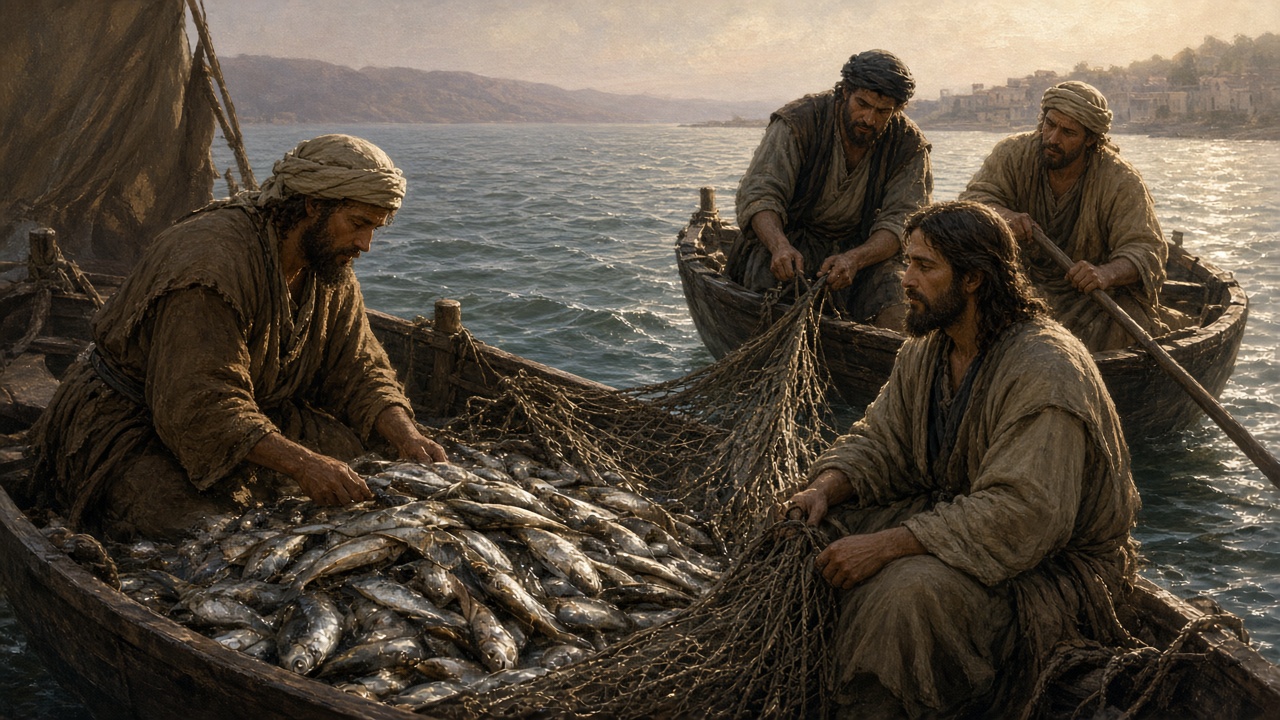
1Ŋke ŋko̱ Yeesuu a ye̱re̱ ke̱pare̱ dabe̱ ko̱ ne̱ ba te̱e̱ ke̱mo̱ ɛ Ginɛsarɛt (bɛɛɛ Galile̱ya)‑ɔ kɛɛ, ne̱ ŋkee ase̱sɛ i neŋŋi ba yɔ akatɔ‑rɔ na bo̱ nya ya nu mò̱ abware̱se̱ŋ ko̱tɔwe̱. 2Ne̱ Yeesuu a ŋu baa gyiiri e̱ko̱re̱e̱ e̱nyɔ bo̱ daŋ ke̱pare̱‑ɔ kɛɛ. Ne̱ ŋkiŋgyi akrapo̱‑ɔ a yɔ a bo̱ ya fwe̱e̱ bamo̱ asawu si. ŋkiŋgyi akrapo̱ ko̱|src="HK00208b.tif" size="span" ref="Lukas 5.2" 3Ne̱ oo lwee e̱ko̱re̱e̱‑ɔ ɔko̱‑rɔ. Simɔŋ ne̱ Yeesuu a kya mò̱ saa kye̱e̱sɛ fekyu‑o lee ne̱e̱. Ne̱ ɔɔ ko̱re̱ Simɔŋ fe̱yɛ o neŋ ko̱re̱e̱‑ɔ bo̱ dɔŋŋɔ nkyu si kafwe̱e̱, ne̱ Yeesuu a kye̱na ko̱re̱e̱‑ɔ‑rɔ kaapo̱ ase̱sɛ abware̱se̱ŋ.
4Yeesuu a tɔwe̱ abware̱se̱ŋ lo̱we̱‑ɔ, ne̱ ɔɔ tɔwe̱ gywii Simɔŋ fe̱yɛ, “Mo̱nꞌ neŋ bo̱ dɔŋŋɔ nkyu si yaa ke̱bo̱keŋ‑no, na mo̱nꞌ twe̱e̱ asawu‑o waa‑rɔ kra ŋkiŋgyi.”
5Ne̱ Simɔŋ yɛ, “Mo̱ nyaŋpe̱, ane̱ a waa kusuŋ kanye‑o pɛɛɛ, ane̱ mɔ ane̱ mo̱ŋ kra sɛye̱. Amaa fo̱ e̱ yɛ ane̱ŋ fe̱raa, mo̱ e̱ twe̱e̱ asawu a ŋ waa‑rɔ.”
6Ne̱ baa twe̱e̱ asawu‑o waa‑rɔ. Ne̱ baa kra ŋkiŋgyi bwe̱e̱tɔ, hare̱e̱ asawu‑o e̱ kpa a a kyaye̱‑rɔ. 7Amo̱se̱‑ɔ ne̱ baa ya bamo̱ ke̱sare̱e̱ fe̱yɛ bamo̱ ko̱so̱bɛɛ‑ana ne̱ bamo̱ gbaa bo̱ bo̱ bamo̱ ko̱re̱e̱‑rɔ‑ɔ bo̱ kya bamo̱‑rɔ. Ne̱ baa bo̱ kya bamo̱‑rɔ, ne̱ baa lee ŋkiŋgyi‑o bo̱ bo̱rɔ e̱ko̱re̱e̱ e̱nyɔ‑ɔ, hare̱e̱ e̱ko̱re̱e̱‑ɔ a tɔwe̱ se̱ e̱ kpa a e̱ gya nkyu.
8Ne̱ e̱ye̱e̱ a kpe̱ŋ Simɔŋ na bamo̱ ne̱ mò̱ aa bamo̱ bo̱ mò̱ ko̱re̱e̱‑ɔ‑rɔ bo̱ le̱e̱ ane̱ŋ ne̱ baa kra ŋkiŋgyi bwe̱e̱tɔ‑ɔ se̱. Ane̱ŋ dɛɛ ne̱ Sibidii mò̱ gyi‑ana, Yakubu na Yohanee ne̱ bo̱ gye̱ Simɔŋ mò̱ ko̱so̱bɛɛ‑ana amo̱‑ɔ e̱ye̱e̱ a kpe̱ŋ bamo̱. Simɔŋ (ne̱ Yeesuu e̱ ba a ɔ bo̱ te̱e̱ mò̱ ɛ Peetroo‑o) a ŋu mfaanɛɛ‑ɔ, ne̱ oo kpuni aŋurii Yeesuu akatɔ‑rɔ, ne̱ ɔɔ tɔwe̱ fe̱yɛ, “Mo̱ nyaŋpe̱, nare̱ le̱e̱ mo̱ ase̱, bo̱ le̱e̱ fe̱yɛ n gye̱ e̱bɔye̱ ɔwaapo̱ ne̱e̱.”
Ne̱ Yeesuu a tɔwe̱ gywii Simɔŋ fe̱yɛ, “Fo̱ ma sa a fo̱ duŋ te̱ŋ fo̱. Le̱e̱ ndɔɔ bo̱ yɔ fo̱ maa lɛɛ kra ŋkiŋgyi. Amaa ase̱sɛ ne̱ fo̱ e̱ de̱e̱ buwi kpa na fo̱ baa bamo̱ mo̱ ase̱.” 11Mfe̱ŋ ne̱ baa gyiiri bamo̱ e̱ko̱re̱e̱‑ɔ bo̱ be̱ya ke̱pare̱‑ɔ kideŋbe si, ne̱ baa yɔwe̱ ke̱tɔ ke̱maa, ne̱ baa gya Yeesuu si.
Ane̱ŋ ne̱ Yeesuu a kya bwatɔpo̱ ko̱‑ɔ
12Saŋ ko̱ Yeesuu a yɔ ɔ bo̱ maŋ ko̱‑rɔ, na bwatɔpo̱ nyare̱ ko̱ mɔ bo̱ mfe̱ŋ. Mò̱ ke̱de̱ŋ ŋu Yeesuu‑o, ne̱ ɔɔ yɔ mò̱ ase̱, ne̱ oo kpuni aŋurii ko̱re̱ Yeesuu tɔwe̱ fe̱yɛ, “Mo̱ nyaŋpe̱, fo̱ e̱ kpa, fo̱ e̱ taare̱ a fo̱ kya mo̱ ko̱lɔ mɔ na ŋ nya lwee ase̱sɛ‑rɔ.”
13Ne̱ Yeesuu a be̱ŋŋaa mò̱ fe̱yɛ, “Mo̱ e̱ kpa.” Ne̱ Yeesuu a ba ke̱sare̱e̱ bo̱ dɔŋŋɔ ɔlɔpo̱‑ɔ se̱, ne̱ ɔ yɛ, “Mbe̱yɔmɔ fe̱raa fo̱ e̱ taare̱ a fo̱ lwee ase̱sɛ‑rɔ, a le̱e̱ fe̱yɛ fo̱ a kpaare̱.” Mfe̱ŋ dɛɛ ne̱ ɔnyare̱ amo̱ a ke̱bwatɔ‑ɔ a lo̱we̱.
14Ne̱ Yeesuu a yii mò̱ se̱ fe̱yɛ, “De̱ŋ bo̱rɔ kpa kyɛye̱ se̱ yɔ Wuribware̱ alɔŋŋɔpo̱‑ɔ ɔko̱ ase̱ na ɔ de̱e̱re̱ fo̱, na fo̱ bɔ alɔŋŋɔtɔ ne̱ Mosis a tɔwe̱ ɛ mò̱ ne̱ ɔɔ lɔ ko̱lɔ mɔ, ne̱ ɔɔ kpaare̱‑ɔ bɔ, na ɔke̱maa ŋu fe̱yɛ ane̱ŋ a ko̱lɔ‑ɔ mo̱ŋ lɛɛ ki te mò̱ se̱‑ɔ. Fo̱ a maa se̱ fo̱ e̱ yɔ, fo̱ ma kaŋ ye̱re̱ kpa‑rɔ tɔwe̱ ke̱tɔ ne̱ mo̱ a waa sa fo̱‑ɔ gywii ɔko̱.”
15Amo̱ gbaa ne̱ Yeesuu ke̱nyare̱ a yɔ e̱maŋ se̱‑ɔ ne̱e̱. Ne̱ ase̱sɛ biribiri a ba a bo̱ bo̱ nu ase̱ŋ ne̱ ɔ tɔwe̱‑ɔ, na ɔ kya bamo̱ alɔ. 16Amaa mò̱ ya nya kpa ane̱ŋ ne̱ ɔ taare̱‑ɔ, ɔ yɔ ɔ naa mò̱ wo̱re̱ mfe̱ŋ ne̱ a du diŋŋ‑o na ɔ nya ko̱re̱ ke̱bware̱ko̱re̱.
Ane̱ŋ ne̱ Yeesuu a kya ke̱gyabɔɔ ko̱‑ɔ
17Kake ŋko̱, ne̱ Yeesuu e̱ kaapo̱ abware̱se̱ŋ lɔŋ ko̱‑rɔ, ne̱ Farisii awuye ko̱ na Wuribware̱ mbraa akaapo̱po̱ ko̱ a ba bo̱ te Yeesuu ase̱ mfe̱ŋ. Bamo̱ bo̱ko̱ a le̱e̱ maŋ ke̱maa ne̱ ɔ bo̱ Galile̱ya swe̱e̱re̱ se̱‑ɔ. Ne̱ bo̱ko̱ mɔ a le̱e̱ Yude̱ya swe̱e̱re̱ se̱ na Yɛro̱salɛm maŋ‑nɔ. Saŋ amo̱‑ɔ na ɔ be̱e̱ o de Wuribware̱ a ke̱yaale̱ŋ‑ɔ ɔ kya alɔpo̱.
18Ne̱ anyare̱ ko̱ a so̱rɔ ke̱gyabɔɔ ko̱ kraŋ se̱ baa, ne̱ baa le̱ŋ bamo̱ e̱ye̱e̱ na bo̱ taa mò̱ lwee lɔŋ‑ɔ‑rɔ yaa bo̱ be̱ya Yeesuu akatɔ‑rɔ. 19Amaa bo̱ le̱e̱ ane̱ŋ ne̱ ase̱sɛ kyɔ bwe̱e̱tɔ‑ɔ se̱‑ɔ, bo̱ mo̱ŋ taare̱ nya kpa na bo̱ taa mò̱ lweero. Amo̱se̱‑ɔ ne̱ baa so̱rɔ mò̱ bo̱ de̱e̱ yɔ ke̱kyaŋ ne̱ Yeesuu bo̱ ke̱mo̱‑rɔ‑ɔ so̱so̱. Bamo̱ a tɛɛ ke̱mo̱ so̱so̱‑ɔ se̱‑ɔ, ne̱ baa tuwi bɔ so̱so̱. Mfe̱ŋ ne̱ baa taa mò̱ bo̱ dɔŋŋɔ kraŋ se̱, ba ife bo̱ da‑rɔ, ne̱ baa kra ife‑o‑ro yɔwe̱ mò̱‑rɔ kafwe̱e̱ kafwe̱e̱ bo̱ kyo̱ŋwe̱ ke̱kyaŋ‑ɔ‑rɔ yaa bo̱ be̱ya Yeesuu akatɔ‑rɔ.
20Ane̱ŋ ne̱ baa pee akatɔ baa ke̱gyabɔɔ amo̱‑ɔ se̱‑ɔ, Yeesuu a ŋu fe̱yɛ baa kɔɔre̱ mò̱ gyi bwe̱e̱tɔ. Amo̱se̱‑ɔ ne̱ ɔɔ tɔwe̱ gywii ke̱gyabɔɔ‑ɔ fe̱yɛ, “Mo̱ nyare̱, mo̱ a taa fo̱ e̱bɔye̱‑ɔ bo̱ ke fo̱.”
21Amo̱ fe̱raa, ne̱ Wuribware̱ mbraa akaapo̱po̱‑ɔ na Farisii awuye‑o a le̱e̱ ba ŋwiini ba gywii abɛɛ fe̱yɛ, “Nsɛ e̱ gye̱ ɔnyare̱ mɔ ne̱ mò̱‑ɔ mò̱ e̱ sa se̱ŋsa ane̱ŋ fe̱yɛ mò̱ a gye̱ Wuribware̱‑ɔ? Ɔnyare̱ mɔ a tɔwe̱ abuse̱ŋse̱ŋ. Ne̱e̱ Wuribware̱ wo̱re̱ e̱ gye̱ ne̱ ɔ taare̱ a ɔ taa e̱bɔye̱ bo̱ ke ase̱sɛ ɛ?”
22Mfe̱ŋ ne̱ Yeesuu a kyɔ ŋu bamo̱ mfɛɛre̱, ne̱ oo bise bamo̱ fe̱yɛ, “Nte̱tɔ i de mo̱ne̱? 23Ke̱mo̱‑ɔ ke̱mo̱ e̱ bo̱ tɔwe̱ lɔ, ‘Mo̱ a taa fo̱ e̱bɔye̱ bo̱ ke fo̱’ bɛɛɛ ‘Ko̱so̱ nare̱’? 24To, mo̱ e̱ kaapo̱ mo̱ne̱ fe̱yɛ mo̱, dimaadi mò̱ gyi‑o, de ke̱yaale̱ŋ swe̱e̱re̱ mɔ se̱ na n taare̱ taa ɔke̱maa e̱bɔye̱ bo̱ ke mò̱.” Ne̱ ɔɔ tɔwe̱ gywii ke̱gyabɔɔ‑ɔ fe̱yɛ, “Ke̱e̱ ɛ, ko̱so̱ taa fo̱ kraŋ a fo̱ nare̱ yɔ pe̱.”
25Puri amo̱‑rɔ ne̱ ke̱gyabɔɔ amo̱ a ko̱so̱ lamaŋ amo̱ akatɔ‑rɔ mfe̱ŋ bɔɔ mò̱ kraŋ, ne̱ ɔɔ nare̱ mò̱ ayaa anyɔ se̱ o yii pe̱, na ɔ kyo̱rɔ Wuribware̱. 26Ne̱ bamo̱ ne̱ bo̱ bo̱ mfe̱ŋ‑ɔ pɛɛɛ mɔ e̱ye̱e̱ a kpe̱ŋ bamo̱. Ne̱ kufu a nya bamo̱, ne̱ baa kyo̱rɔ Wuribware̱ na ba tɔwe̱ fe̱yɛ, “Ase̱ŋ dabe̱ ko̱ ne̱ ane̱ a ŋu ndɔɔ.”
Ane̱ŋ ne̱ Yeesuu a te̱e̱ Lewii, ne̱ ɔɔ ba bo̱ gya mò̱ se̱‑ɔ
27Amo̱ kamɛɛ‑rɔ, ne̱ Yeesuu a le̱e̱ ya ŋu leŋpoo ɔkɔɔre̱po̱ ko̱ ne̱ ba te̱e̱ mò̱ ɛ Lewii‑o (ne̱ bo̱ be̱e̱ ba te̱e̱ mò̱ ɛ Matiyo‑o) na o te mò̱ leŋpoo kɔɔre̱kpa. Ne̱ Yeesuu a tɔwe̱ gywii mò̱ fe̱yɛ, “Ko̱so̱ gya mo̱ se̱.” 28Mfe̱ŋ ne̱ Lewii a ko̱so̱ yɔwe̱ ke̱tɔ ke̱maa, ne̱ ɔɔ gya Yeesuu si.
29Ne̱ Lewii a ya waa ateese mò̱ aye̱ sa Yeesuu a o gyi. Ne̱ ɔɔ be̱e̱ nyiŋŋi leŋpoo akɔɔre̱po̱ bwe̱e̱tɔ na ase̱sɛ ko̱ fe̱yɛ bo̱ ba na bo̱ gyi ateese amo̱. 30Amo̱ fe̱raa ne̱ Farisii awuye‑o na Wuribware̱ mbraa akaapo̱po̱ ko̱ ne̱ bo̱ tii bamo̱ se̱ bo̱ gya bamo̱ ananatɔ se̱‑ɔ a le̱e̱ ba tɛɛ ba gywii Yeesuu agyase̱po̱‑ɔ, ne̱ bo̱ yɛ, “Nte̱tɔ se̱ ne̱ mo̱ne̱ aa leŋpoo akɔɔre̱po̱ na e̱bɔye̱ awaapo̱ i gyi abɛɛ ase̱?”
31Ne̱ Yeesuu a nya me̱naŋ be̱ŋŋaa bamo̱ fe̱yɛ, “Ɔko̱ ne̱ ɔ lɔ‑ɔ ne̱ ba sa kadwii. N gye̱ ɔko̱ ne̱ o de alaŋfiya‑o. 32Amo̱se̱‑ɔ n gye̱ bamo̱ ne̱ bo̱ mo̱ŋ gye̱ e̱bɔye̱ awaapo̱‑ɔ se̱ ne̱ mo̱ a ba, amaa bamo̱ ne̱ bo̱ gye̱ e̱bɔye̱ awaapo̱‑ɔ se̱ ne̱ mo̱ a ba, na m bo̱ tɔwe̱ gywii bamo̱ fe̱yɛ bo̱ nu bamo̱ e̱ye̱e̱ kiŋŋi le̱e̱ bamo̱ e̱bɔye̱‑rɔ.”
Ako̱ŋ ke̱kra ase̱ŋ
33Ne̱ ase̱sɛ ko̱ a bo̱ tɔwe̱ gywii Yeesuu fe̱yɛ, “Yohanee a agyase̱po̱‑ɔ na Farisii awuye a bo̱mo̱‑ɔ e̱ kra ako̱ŋ iluwi bwe̱e̱tɔ na ba ko̱re̱ ke̱bware̱ko̱re̱, amaa fo̱ fe̱raa fo̱ bo̱mo̱‑ɔ i gyi ba nuu saŋ ke̱maa.”
34Ne̱ Yeesuu a be̱ŋŋaa bamo̱ fe̱yɛ, “Mo̱ne̱ e̱ fa fe̱yɛ saŋ ne̱ ɔko̱ e̱ kpa a ɔ waare̱e̱‑ɔ, ɔko̱fɔ mò̱ kuri mò̱ nyare̱‑ana e̱ kye̱na ako̱ŋ na ɔ bo̱‑rɔ aaa? Mo̱ŋ kɔɔre̱ gyi. 35N du ne̱e̱ fe̱yɛ ɔko̱fɔ mò̱ kuri‑o, ne̱ mo̱ agyase̱po̱‑ɔ mɔ du ne̱e̱ fe̱yɛ ɔko̱fɔ mò̱ kuri mò̱ nyare̱‑ana‑ɔ. Ŋke ŋko̱ e̱ ba ne̱ ba kra ɔko̱fɔ mò̱ kuri a bo̱ le̱e̱ bamo̱ ase̱, na ŋkee bo̱ kra ako̱ŋ.”
36Ne̱ Yeesuu a be̱e̱ tɔwe̱ ke̱kpare̱ mɔ gywii bamo̱ fe̱yɛ, “Ɔko̱ maa kyaŋ waagya po̱pwɛɛ na ɔ bo̱ taa waagya de̱daa‑rɔ. Ɔko̱ ne̱ mò̱ ya waa ane̱ŋ, ɔ nye̱ra waagya po̱pwɛɛ‑ɔ, na mfe̱ŋ ne̱ ɔɔ ba waagya‑ɔ bo̱ taa‑rɔ‑ɔ na waagya de̱daa‑ɔ maa waa ko̱ŋko̱. 37Ane̱ŋ dɛɛ ne̱ mo̱ne̱ nyi fe̱yɛ bo̱ de nta ba waa praŋto̱wa ne̱ ba ba kabo̱ wo̱re̱ bo̱ waa‑ɔ‑rɔ. Bo̱ de nta po̱pwɛɛ ba waa praŋto̱wa po̱pwɛɛ‑rɔ. Nta po̱pwɛɛ ya lwee praŋto̱wa de̱daa‑rɔ, nta‑ɔ i fwii na praŋto̱wa‑ɔ bwee nye̱ra na nta‑ɔ twiiri we̱e̱. 38Amo̱se̱‑ɔ, bo̱ de nta po̱pwɛɛ ba waa praŋto̱wa po̱pwɛɛ‑rɔ. 39Ne̱ ɔko̱ mɔ ya nuu nta de̱daa, ɔ maa lɛɛ kpa mpo̱pwɛɛ kunuu. Ɔ yɛ nde̱daa‑ɔ bɔ mpo̱pwɛɛ‑ɔ. Amo̱se̱ se̱‑ɔ mo̱ agyase̱po̱‑ɔ maa kra ako̱ŋ.”
Você sabia?
Chamados, curas e vinho novo
- Jesus ensinou o povo do barco de Simão, no lago de Genesaré, enquanto a multidão se apertava na margem. O nome vem de uma cidade de Naftali, na margem ocidental, antes chamada Quinerete; a planície junto ao lago, notável pela fertilidade e pela beleza, era chamada “o Paraíso da Galileia”.Fontes: Gennesaret · o próprio texto bíblico
- Simão, também chamado Pedro, cresceu em Betsaida, na costa ocidental do mar da Galileia, e aprendeu o ofício de pescador. Tiago e João, seus sócios no outro barco, eram filhos de Zebedeu, um pescador galileu; o Dicionário Bíblico de Easton (1897) infere que Zebedeu tinha certa posição em Cafarnaum, pois possuía dois barcos e jornaleiros.Fontes: Simon Peter · James (Son of Zebedee) · Zebedee · o próprio texto bíblico
- O homem que Jesus chamou da coletoria se chama Levi neste capítulo; em outros relatos é Mateus, filho de Alfeu, cobrador de impostos em Cafarnaum. O Dicionário Bíblico de Easton (1897) sugere que ele talvez tenha adotado o nome Mateus em grata lembrança do chamado, e descreve o grande banquete que ofereceu naquele mesmo dia como uma festa de despedida.Fontes: Matthew · o próprio texto bíblico
Notas escritas com auxílio de IA a partir de fontes abertas (Theographic Bible Metadata, CC BY-SA 4.0; Easton’s Bible Dictionary, domínio público) e revisadas antes de publicar.
Lugares deste capítulo
- Gennesaret · Hoje: El Ghuweir · 32.861, 35.507 · versículo 1
- Galilee · 32.760, 35.527 · versículo 17
- Jerusalem · 31.777, 35.234 · versículo 17
- Judea · Hoje: Judea 1 · 31.777, 35.234 · versículo 17
Só aparecem lugares com identificação de alta confiança (90% ou mais segundo as fontes acadêmicas reunidas pelo OpenBible). Mapa da época: DARE (Digital Atlas of the Roman Empire), CC BY 4.0; mapa atual: © colaboradores do OpenStreetMap; lugares: OpenBible.info (CC BY 4.0).
Créditos e licença desta tradução
Abware̱se̱ŋ Wo̱re̱-ɔ
New Testament in Chumburung (GH:ncu:Chumburung)
copyright © 2010 Wycliffe Bible Translators, Inc.
Language: Chumburung
Translation by: Wycliffe Bible Translators, Inc.
Copyright Information
© 2010, Wycliffe Bible Translators, Inc. All rights reserved.
This translation text is made available to you under the
terms of the Creative Commons License: Attribution-Noncommercial-No Derivative Works.
( http://creativecommons.org/licenses/by-nc-nd/3.0/ )
In addition, you have permission to port the text to different file formats, as long as you
do not change any of the text or punctuation of the Bible.
You may share, copy, distribute, transmit, and extract portions
or quotations from this work, provided that you include the above copyright
information:
You must give Attribution to the work.
You do not sell this work for a profit.
You do not make any derivative works that change any of the actual words or punctuation of the Scriptures.
Permissions beyond the scope of this license may be
available if you contact
us with your request.
The New Testament
in Chumburung
© 2010, Wycliffe Bible Translators, Inc. All rights reserved.
This translation is made available to you under the terms of the
Creative Commons Attribution-Noncommercial-No Derivatives license 4.0.
You may share and redistribute this Bible translation or extracts from it in any format, provided that:
You include the above copyright and source information.
You do not sell this work for a profit.
You do not change any of the words or punctuation of the Scriptures.
Pictures included with Scriptures and other documents on this site are licensed just for use with those Scriptures and documents.
For other uses, please contact the respective copyright owners.
2025-05-16
Fonte: http://ebible.org/ncuNT/ · eBible.org