Lucas 24
Abware̱se̱ŋ Wo̱re̱-ɔ · Toque num versículo para ver as referências cruzadas.
Ane̱ŋ ne̱ Yeesuu a kyiŋŋi le̱e̱ lowi‑ro‑o
1Me̱me̱ne̱da, kake ne̱ Yudaa awuye‑o i kyure, ne̱ bo̱ maa waa kusuŋ ke̱maa‑ɔ a kyo̱ŋ‑ɔ, Kosiyara gye̱gyaye̱ tututu, ne̱ akye̱e̱‑ɔ a yɔ Yeesuu ke̱gye̱raŋta‑ɔ ase̱, na bo̱ de kadwii na kakyanne̱‑ɔ bamo̱ ase̱. 2Amaa bamo̱ a fo̱ ke̱gye̱raŋta‑ɔ ase̱‑ɔ, baa ŋu fe̱yɛ ke̱fo̱re̱ dabe̱ ne̱ baa kuroŋ bo̱ kpuse ke̱mo̱ kanɔ‑ɔ se̱ fe̱yɛ po̱ne̱‑ɔ a kuroŋ le̱e̱‑rɔ. 3Amo̱se̱‑ɔ ne̱ baa lweero. Amaa bo̱ mo̱ŋ ŋu ane̱ nyaŋpe̱ Yeesuu kifuniŋ‑o da‑rɔ. 4Ane̱ŋ se̱‑ɔ ne̱ e̱ye̱e̱ a kpe̱ŋ bamo̱. Puri amo̱‑rɔ mfe̱ŋ ne̱ baa ŋu anyare̱ anyɔ ko̱, na bo̱ buŋ e̱kaare̱ ne̱ e̱ to̱re̱ se̱ pare̱pare̱pare̱‑ɔ bo̱ ye̱re̱ bamo̱ ase̱. 5Kufu a nya akye̱e̱ amo̱‑ɔ se̱, ne̱ baa buŋŋe anyare̱ anyɔ amo̱ akatɔ‑rɔ.
Ne̱ anyare̱ anyɔ‑ɔ a bise bamo̱ fe̱yɛ, “Nte̱tɔ se̱ ne̱ mo̱ne̱ i buwi alowipo̱‑rɔ mo̱ne̱ e̱ kpa ɔko̱ ne̱ o te‑o? 6Yeesuu mo̱ŋ bo̱ mfe̱e̱, ɔɔ kyɔ kyiŋŋi le̱e̱ lowi‑ro, ɔɔ dare̱e̱. Mo̱nꞌ nyiŋŋi si fe̱yɛ ɔɔ tɔwe̱ gywii mo̱ne̱ saŋ ne̱ ɔ bo̱ Galile̱ya‑ɔ fe̱yɛ, 7‘A tiri fe̱yɛ bo̱ taa mo̱, dimaadi mò̱ gyi‑o, bo̱ waa abɔye̱waapo̱ ke̱sare̱e̱‑rɔ, na bo̱ da mo̱ bo̱ me̱ra kiyii kpare̱-abɛɛ‑rɔ se̱, na ke̱mo̱ kake sase̱po̱‑ɔ na n kyiŋŋi le̱e̱ lowi‑ro.’ ”
8Ne̱ akye̱e̱‑ɔ a nyiŋŋi ase̱ŋ‑ɔ se̱. 9Ne̱ baa kiŋŋi le̱e̱ ke̱gye̱raŋta‑ɔ‑rɔ, ne̱ baa ya tɔwe̱ ke̱tɔ ne̱ baa ŋu‑o pɛɛɛ gywii mò̱ agyase̱po̱ kudu kako̱‑ɔ, na bamo̱ ne̱ bo̱ bo̱ bamo̱ ase̱‑ɔ. 10Amɔ akye̱e̱ amo̱ anyare̱ e̱ gye̱ Mariya Magadalanyi na Yohana na Yakubu mò̱ nyi Mariya. Akye̱e̱ mɔ na bo̱ko̱ ne̱ bo̱ tii bamo̱ se̱‑ɔ ya yɔ ya tɔwe̱ ase̱ŋ‑ɔ pɛɛɛ gywii Yeesuu ayaa‑rɔ aye̱re̱po̱‑ɔ. 11Amaa baa fa ne̱e̱ fe̱yɛ ke̱tɔ ne̱ akye̱e̱ amo̱ a tɔwe̱ gywii bamo̱‑ɔ mo̱ŋ de kaase̱. Amo̱se̱‑ɔ bo̱ mo̱ŋ kɔɔre̱ gyi.
12Ne̱ Peetroo fe̱raa a ko̱so̱ ŋwɛɛnaŋ yɔ Yeesuu a ke̱gye̱raŋta‑ɔ ase̱. Mò̱ a fo̱‑ɔ, ne̱ oo buŋŋe de̱e̱re̱‑rɔ ŋu kyefuri ne̱ baa bo̱ miri Yeesuu kifuniŋ‑o. Ɔ mo̱ŋ lɛɛ ŋu sɛye̱ bo̱ tii si. Ne̱ ke̱tɔ ne̱ kaa waa‑ɔ a kpe̱ŋ mò̱ e̱ye̱e̱, ne̱ oo kiŋŋi yɔ pe̱.
Imayus ko̱yɔ‑ɔ
13Kake amo̱ dɛɛ, ne̱ Yeesuu agyase̱po̱ anyɔ ko̱ a ko̱so̱ le̱e̱ Yɛro̱salɛm maŋ‑nɔ bo̱ naa ba yɔ kamaŋgyii ko̱ ne̱ ba te̱e̱ ɛ Imayus‑o. Mfe̱ŋ na Yɛro̱salɛm e̱ waa fe̱yɛ e̱maye̱re̱ isunoo. 14Bo̱ naa ba yɔ na ba tɔwe̱ ke̱tɔ ne̱ kaa waa Yeesuu Yɛro̱salɛm‑ɔ ase̱ŋ. 15Bamo̱ a naa na ba tɔwe̱ amo̱ ase̱ŋ‑ɔ, ne̱ Yeesuu fɔŋfɔŋ a le̱e̱ to̱ŋ ko̱ nare̱ ya tɔ bamo̱‑rɔ, ne̱ ŋkee mò̱ aa bamo̱ naa. 16Baa ŋu mò̱, amaa bo̱ mo̱ŋ pini mò̱.
17Ne̱ Yeesuu a bise bamo̱ fe̱yɛ, “Nte̱tɔ ase̱ŋ ne̱ mo̱ne̱ naa mo̱ne̱ e̱ tɔwe̱ mo̱ne̱ i gywii abɛɛ‑ɔ ne̱e̱?”
Ne̱ baa sii ye̱re̱, ne̱ oo ŋu fe̱yɛ bamo̱ akatɔ a pee. 18Ne̱ bamo̱ ɔko̱ ne̱ ba te̱e̱ mò̱ ɛ Kilopas‑ɔ a bise Yeesuu fe̱yɛ, “Amɔ fo̱ fe̱raa fo̱ wo̱re̱ e̱ gye̱ ɔfɔ Yɛro̱salɛm mfe̱e̱, ne̱ fo̱ mo̱ŋ nyi ŋke mfe̱ne̱ mɔ‑rɔ a ke̱tɔ ne̱ kaa ba‑ɔ?”
19Ne̱ Yeesuu yɛ, “Nte̱tɔ ase̱ŋ ya ba?”
Ne̱ baa be̱ŋŋaa mò̱ fe̱yɛ, “Ke̱tɔ ne̱ kaa waa Yeesuu Nasarɛte̱nyi‑o. Weetee ɔ gye̱ Wuribware̱ a akyaamɛɛ‑ɔ ɔko̱ ne̱e̱, ne̱ ase̱sɛ‑ɔ a ŋu fe̱yɛ Wuribware̱ a sa mò̱ ke̱yaale̱ŋ bwe̱e̱tɔ fe̱yɛ ɔ waa akpe̱ŋe̱ye̱e̱tɔ, na ɔ kaapo̱ abware̱se̱ŋ. 20Ne̱ Wuribware̱ alɔŋŋɔpo̱‑ɔ na maŋ agye̱ŋkpɛɛpo̱‑ɔ a gyi mò̱ ase̱ŋ, ne̱ baa bu mò̱ ke̱pɔ, ne̱ bo̱ yɛ a bware fe̱yɛ o wu. Ne̱ baa taa mò̱ sa Roma awuye, ne̱ baa da mò̱ bo̱ me̱ra kiyii kpare̱-abɛɛ‑rɔ se̱. 21Na weetee ane̱ mɔ ane̱ de mò̱ te̱maa fe̱yɛ mò̱ e̱ gye̱ ne̱ ɔ ba na ɔ bo̱ mo̱rɔwe̱ Isireelii awuye. Amɔ ŋke nsa e̱ gye̱ ndɔɔ fe̱yɛ bamo̱ a waa mò̱ ane̱ŋ ne̱ ane̱ a tɔwe̱‑ɔ. 22Amaa ane̱ akye̱e̱ ne̱ bo̱ tii ane̱ se̱‑ɔ a sa ne̱ e̱ye̱e̱ a kpe̱ŋ ane̱, bo̱ le̱e̱ fe̱yɛ baa ya de̱e̱re̱ ke̱gye̱raŋta‑ɔ‑rɔ gye̱gyaye̱ kese‑ro. 23Ne̱ bo̱ mo̱ŋ ŋu kifuniŋ‑o, ne̱ baa kiŋŋi bo̱ tɔwe̱ gywii ane̱ fe̱yɛ Wuribware̱ mbɔɔ ko̱ a lee bamo̱ e̱ye̱e̱ bo̱ kaapo̱ bamo̱. Mfe̱ŋ ne̱ baa tɔwe̱ gywii bamo̱ fe̱yɛ Yeesuu a kyiŋŋi le̱e̱ lowi‑ro. 24Ne̱ ane̱‑rɔ bo̱ko̱ a ya de̱e̱re̱ ke̱gye̱raŋta‑ɔ‑rɔ, bo̱ mo̱ŋ ŋu Yeesuu‑o fe̱yɛ ane̱ŋ dɛɛ ne̱ akye̱e̱ amo̱ a tɔwe̱‑ɔ.”
25Ne̱ Yeesuu a tɔwe̱ gywii bamo̱ fe̱yɛ, “Mo̱ne̱ mo̱ŋ de mfɛɛre̱. Mo̱ne̱ saŋ mo̱ne̱ mo̱ŋ kɔɔre̱ ke̱tɔ ne̱ Wuribware̱ akyaamɛɛ a kyo̱rɛɛ waa abware̱se̱ŋ wo̱re̱‑ɔ‑rɔ‑ɔ gyi mo̱ne̱ ŋkpo̱nɔ‑rɔ. 26Mo̱ne̱ mo̱ŋ tɛɛ nu kaase̱ fe̱yɛ a tiri fe̱yɛ Kristoo ne̱ Wuribware̱ yɛ o suŋ‑o i ŋu awo̱re̱fɔɔ na o wu, pwɛɛ na ɔ dɛɛ nya wuraa na ke̱dabe̱ Wuribware̱ se̱.”
27Bamo̱ aa Yeesuu a kya kpa se̱ bo̱ naa‑ɔ, ne̱ Yeesuu a le̱e̱ o lee ke̱tɔ ne̱ Mosis na Wuribware̱ akyaamɛɛ‑ɔ a kyo̱rɛɛ waa abware̱se̱ŋ wo̱re̱‑ɔ‑rɔ‑ɔ bo̱ kaapo̱ mò̱ kuŋu si ase̱ŋ‑nɔ pɛɛɛ gywii bamo̱.
28Bamo̱ a kpa a bo̱ tɔ kamaŋgyii ne̱ ba yɔ kamo̱ se̱‑ɔ‑rɔ‑ɔ, ne̱ Yeesuu a waa fe̱yɛ mò̱ fe̱raa e̱ kyo̱ŋ se̱ mfe̱ŋ‑ɔ. 29Amaa bo̱ mo̱ŋ sure si fe̱yɛ ɔ kyo̱ŋ yɔ‑ɔ se̱‑ɔ, ne̱ bo̱ yɛ ɔ bo̱ so̱we̱ bamo̱ ase̱ mfe̱e̱, a le̱e̱ fe̱yɛ kyɔwe̱ a lo̱we̱. Amo̱se̱‑ɔ ne̱ Yeesuu a ya so̱we̱ bamo̱ ase̱.
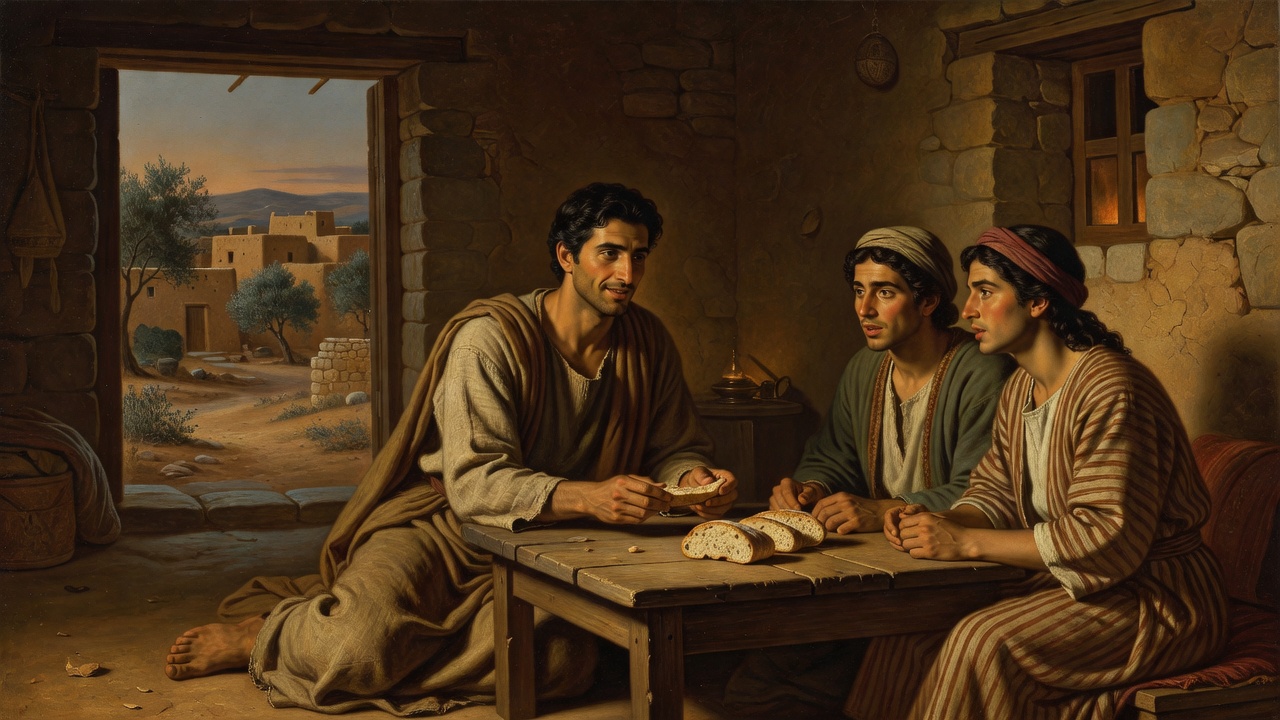
30Ne̱ mò̱ aa bamo̱ a kye̱na na bo̱ gyi ateese, ne̱ ɔɔ taa bodobodoo‑o, ne̱ ɔɔ sa Wuribware̱ aŋsɛ we̱e̱ se̱, ne̱ ɔɔ te̱ŋŋe̱‑rɔ sa bamo̱ a bo̱ gyi. 31Ŋkee ne̱ bamo̱ akatɔ a buŋŋi nɛɛnɛɛ‑ɔ ne̱e̱, ne̱ baa pini mò̱ mfe̱ŋ, amaa bo̱ mo̱ŋ lɛɛ ŋu mò̱, ɔɔ ŋaa.
32Ne̱ baa tɔwe̱ gywii abɛɛ fe̱yɛ, “Saŋ ne̱ ɔɔ kaapo̱ ane̱ abware̱se̱ŋ‑ɔ‑rɔ‑ɔ, aa waa ane̱ kɔne̱, ne̱ ane̱ ŋkpo̱nɔ‑rɔ a yuri ane̱, bɛɛɛ?”
33Mfe̱ŋ ne̱ baa ko̱so̱ puri amo̱‑rɔ kiŋŋi yɔ Yɛro̱salɛm maŋ‑nɔ ya to̱ fe̱yɛ Yeesuu agyase̱po̱ kudu kako̱‑ɔ na bamo̱ ne̱ bo̱ tii si‑o a gyaŋŋe̱. Ne̱ abɛɛ anyɔ‑ɔ a tɔwe̱ gywii bamo̱ fe̱yɛ baa ŋu Yeesuu na ɔ ke̱e̱. 34Ne̱ baa be̱ŋŋaa bamo̱ fe̱yɛ, “Kase̱ŋtiŋ, ane̱ nyaŋpe̱ a kyiŋŋi le̱e̱ lowi‑ro. Oo lee mò̱ e̱ye̱e̱ bo̱ kaapo̱ Simɔŋ.” 35Ne̱ anyare̱ anyɔ‑ɔ a tɔwe̱ ke̱tɔ ne̱ kaa ba kpa‑ɔ‑rɔ‑ɔ na ane̱ŋ ne̱ baa pini Yeesuu saŋ ne̱ ɔɔ te̱ŋŋe̱ bodobodoo‑o‑ro sa bamo̱‑ɔ gywii bamo̱.
Ane̱ŋ ne̱ Yeesuu a lee mò̱ e̱ye̱e̱ bo̱ kaapo̱ mò̱ agyase̱po̱‑ɔ
36Na anyare̱ anyɔ‑ɔ saŋ ba tɔwe̱ ase̱ŋ‑ɔ ba gywii Yeesuu agyase̱po̱‑ɔ, ne̱ Yeesuu fɔŋfɔŋ a le̱e̱ bamo̱ se̱ ɔ ye̱re̱ bamo̱‑rɔ mfe̱ŋ, ne̱ ɔɔ ka bamo̱ kanɔ fe̱yɛ, “E̱ye̱e̱ yure mo̱ne̱.” 37Ne̱ kufu a nya bamo̱, ba fa fe̱yɛ ba ŋu kye̱ŋaŋpo̱ ko̱ ne̱e̱. 38Ne̱ oo bise bamo̱ fe̱yɛ, “Ntɔ i de mo̱ne̱ kufu? Nte̱tɔ se̱ ne̱ mo̱ne̱ maa kɔɔre̱ mo̱ne̱ i gyi? 39Mo̱nꞌ de̱e̱re̱ mo̱ asare̱e̱ na mo̱ ayaapapaa, na mo̱nꞌ ŋu fe̱yɛ mo̱ ne̱e̱. Na mo̱nꞌ kra mo̱‑rɔ a mo̱nꞌ ke̱e̱. Kye̱ŋaŋpo̱ de ayeegyi na abowii fe̱yɛ ane̱ŋ ne̱ mo̱ne̱ a ŋu n de‑o ooo?”
40Mò̱ a tɔwe̱ ane̱ŋ‑ɔ, ne̱ ɔɔ taa mò̱ asare̱e̱ na ayaapapaa bo̱ kaapo̱ bamo̱. 41Bo̱ saŋ bo̱ mo̱ŋ kɔɔre̱ Yeesuu a ase̱ŋ‑ɔ gyi kyɛɛkyɛɛ. Amaa bamo̱ akatɔ a gyi, ne̱ e̱ye̱e̱ a kpe̱ŋ bamo̱. To, ne̱ Yeesuu a bise bamo̱ fe̱yɛ, “Mo̱ne̱ de ateese ko̱ mfe̱e̱ aaa?”
42Ne̱ baa taa kakiŋgyi de̱ŋasɛ katiŋ ko̱ sa mò̱. 43Ne̱ ɔɔ taa wo̱ bamo̱ akatɔ‑rɔ mfe̱ŋ.
44Ne̱ ɔɔ tɔwe̱ gywii bamo̱ fe̱yɛ, “Saŋ ne̱ n te na mo̱ aa mo̱ne̱ e̱ sa se̱ŋsa‑ɔ, mo̱ a tɔwe̱ ase̱ŋ ko̱ gywii mo̱ne̱, ne̱ m be̱e̱ mo̱ e̱ tɔwe̱ amo̱‑rɔ. Amo̱ e̱ gye̱ fe̱yɛ ke̱tɔ ke̱maa ne̱ Mosis a kyo̱rɛɛ waa mò̱ mbraa wo̱re̱‑ɔ‑rɔ‑ɔ, ne̱ Wuribware̱ akyaamɛɛ a kyo̱rɛɛ‑ɔ, ne̱ Deefid a kyo̱rɛɛ waa mò̱ iliŋ wo̱re̱‑ɔ‑rɔ bo̱ le̱e̱ mo̱ kuŋu si‑o e̱ ba kase̱ŋtiŋ.”
45Ne̱ ɔɔ kya se̱ kaapo̱ ke̱tɔ ne̱ ke̱ bo̱ abware̱se̱ŋ wo̱re̱‑ɔ‑rɔ, ne̱ a gye̱ mò̱ kuŋu si ase̱ŋ‑ɔ kaase̱. 46Ne̱ ŋkee ɔɔ tɔwe̱ ne̱e̱ fe̱yɛ, “Baa kyo̱rɛɛ waa abware̱se̱ŋ wo̱re̱‑ɔ‑rɔ ne̱e̱ fe̱yɛ Kristoo ne̱ Wuribware̱ yɛ o suŋ a ɔ bo̱ kyo̱ŋwe̱ kaye̱ mɔ‑rɔ‑ɔ i gyi awo̱re̱fɔɔ, na o wu, na ke̱mo̱ ŋke nsa o kyiŋŋi le̱e̱ lowi‑ro. 47Na mo̱nꞌ yɔ mfe̱e̱ a Yɛro̱salɛm awuye‑o na kaye̱‑rɔ ase̱sɛ pɛɛɛ ase̱ ya ba mo̱ ke̱nyare̱ bo̱ tɔwe̱ ase̱ŋ timaa‑o gywii bamo̱. Na mo̱nꞌ tɔwe̱ gywii bamo̱ fe̱yɛ ɔke̱maa nu mò̱ e̱ye̱e̱, na o kiŋŋi le̱e̱ mò̱ e̱bɔye̱‑rɔ, na Wuribware̱ nya taa mò̱ e̱bɔye̱‑ɔ bo̱ ke mò̱. 48Mo̱ne̱ fɔŋfɔŋ e̱ gye̱ amo̱ aye̱re̱rɔpo̱. 49Na mo̱ fɔŋfɔŋ sa a Wuribware̱ a kufwiiŋe timaa‑o ywe̱e̱ mo̱ne̱ se̱, fe̱yɛ ane̱ŋ ne̱ n se̱ Wuribware̱ a tɔwe̱ bo̱ be̱ya fe̱yɛ ɔ waa‑ɔ. Amaa mo̱nꞌ gywii maŋ‑nɔ mfe̱e̱ bo̱ fo̱ saŋ ne̱ mo̱ne̱ e̱ nya mfaanɛɛ a ke̱yaale̱ŋ ne̱ ke̱ e̱ le̱e̱ so̱so̱‑ɔ.”
Ane̱ŋ ne̱ Yeesuu yii so̱so̱‑ɔ
50Ne̱ ŋkee Yeesuu a sa ne̱ mò̱ aa mò̱ agyase̱po̱‑ɔ a yɔ hare̱e̱ Bɛtaniya kamaŋgyii, ne̱ ɔɔ yase̱ mò̱ asare̱e̱ so̱so̱, ne̱ oo yure bamo̱ mfe̱ŋ. 51Mò̱ a maa se̱ o yure bamo̱‑ɔ, ne̱ Wuribware̱ a bo̱ yaa mò̱ so̱so̱.
52Ne̱ mò̱ agyase̱po̱‑ɔ a sii mfe̱ŋ suŋ mò̱, ne̱ baa kiŋŋi yɔ Yɛro̱salɛm maŋ‑nɔ, na bamo̱ akatɔ a gyi bwe̱e̱tɔ. 53Ne̱ baa yɔ bo̱ bo̱ Wuribware̱ suŋkpa‑ɔ kabuno ba kyo̱rɔ Wuribware̱ kake ke̱maa.
Você sabia?
A manhã da ressurreição e o caminho de Emaús
- Lucas descreve Emaús como uma aldeia a cerca de sete milhas de Jerusalém. O Easton's Bible Dictionary (1897) cita essa distância como sessenta furlongs e registra duas identificações: el-Kubeibeh, a mais de sete milhas a noroeste de Jerusalém, cujo nome, 'pequena cúpula', vem dos restos de uma igreja dos cruzados que ainda se encontram ali, e Khurbet Khamasa, 'as ruínas de Khamasa', a cerca de oito milhas a sudoeste, onde também há ruínas dos cruzados.Fontes: Emmaus · o próprio texto bíblico
- Maria Madalena, Joana, Maria, mãe de Tiago, e outras mulheres que iam com elas foram quem contou aos apóstolos o que havia acontecido no túmulo. Maria Madalena recebe o nome de Magdala, sua terra natal, e o Easton's Bible Dictionary (1897) considera um equívoco identificá-la com a mulher chamada 'pecadora' em Lucas 7. Joana, esposa de Cuza, administrador de Herodes Antipas, tetrarca da Galileia, era uma das mulheres que serviam a Jesus, e o mesmo dicionário diz que ele lhe apareceu depois da ressurreição.Fontes: Mary Magdalene · Joanna · o próprio texto bíblico
- Um dos dois discípulos no caminho chama-se Cléopas, forma abreviada de Cleópatros. O Easton's Bible Dictionary (1897) diz que nada se sabe de certo sobre ele e que não é seguro que fosse o Clopas de João 19:25 nem o Alfeu de Mateus 10:3, embora possa ter sido.Fontes: Cleophas · o próprio texto bíblico
Notas escritas com auxílio de IA a partir de fontes abertas (Theographic Bible Metadata, CC BY-SA 4.0; Easton’s Bible Dictionary, domínio público) e revisadas antes de publicar.
Lugares deste capítulo
- Galilee · 32.760, 35.527 · versículo 6
- Jerusalem · 31.777, 35.234 · versículos 13, 18, 33, 47, 49, 52
- Nazareth · 32.702, 35.298 · versículo 19
Só aparecem lugares com identificação de alta confiança (90% ou mais segundo as fontes acadêmicas reunidas pelo OpenBible). Mapa da época: DARE (Digital Atlas of the Roman Empire), CC BY 4.0; mapa atual: © colaboradores do OpenStreetMap; lugares: OpenBible.info (CC BY 4.0).
Créditos e licença desta tradução
Abware̱se̱ŋ Wo̱re̱-ɔ
New Testament in Chumburung (GH:ncu:Chumburung)
copyright © 2010 Wycliffe Bible Translators, Inc.
Language: Chumburung
Translation by: Wycliffe Bible Translators, Inc.
Copyright Information
© 2010, Wycliffe Bible Translators, Inc. All rights reserved.
This translation text is made available to you under the
terms of the Creative Commons License: Attribution-Noncommercial-No Derivative Works.
( http://creativecommons.org/licenses/by-nc-nd/3.0/ )
In addition, you have permission to port the text to different file formats, as long as you
do not change any of the text or punctuation of the Bible.
You may share, copy, distribute, transmit, and extract portions
or quotations from this work, provided that you include the above copyright
information:
You must give Attribution to the work.
You do not sell this work for a profit.
You do not make any derivative works that change any of the actual words or punctuation of the Scriptures.
Permissions beyond the scope of this license may be
available if you contact
us with your request.
The New Testament
in Chumburung
© 2010, Wycliffe Bible Translators, Inc. All rights reserved.
This translation is made available to you under the terms of the
Creative Commons Attribution-Noncommercial-No Derivatives license 4.0.
You may share and redistribute this Bible translation or extracts from it in any format, provided that:
You include the above copyright and source information.
You do not sell this work for a profit.
You do not change any of the words or punctuation of the Scriptures.
Pictures included with Scriptures and other documents on this site are licensed just for use with those Scriptures and documents.
For other uses, please contact the respective copyright owners.
2025-05-16
Fonte: http://ebible.org/ncuNT/ · eBible.org