Lucas 22
Abware̱se̱ŋ Wo̱re̱-ɔ · Toque num versículo para ver as referências cruzadas.
Ane̱ŋ ne̱ baa da Yeesuu kuŋu si kikpuni‑o
1Ne̱ saŋ e̱ kpa a ɔ fo̱ fe̱yɛ bo̱ gyi Bodobodoo-ne̱-yiisi-mo̱ŋ‑te‑ro‑o na Wuribware̱-a‑kya-ane̱-yɔwe̱ a ateese‑o agyibe̱e̱. 2Saŋ amo̱‑ɔ amɔ Wuribware̱ alɔŋŋɔpo̱ abre̱sɛ‑ɔ na Wuribware̱ mbraa akaapo̱po̱‑ɔ i buwi ba kpa e̱kpa ne̱ ba ye̱re̱ se̱ na bo̱ bo̱ kra Yeesuu mɔɔ‑ɔ. Ba kpa ane̱ŋ ne̱ ba waa na bo̱ mɔɔ mò̱, na ɔko̱ mo̱ŋ ŋu‑o ne̱e̱. A le̱e̱ fe̱yɛ bo̱ se̱re̱ ase̱sɛ bwe̱e̱tɔ ne̱ bo̱ naa Yeesuu ase̱ ba nu mò̱ ase̱ŋ‑ɔ.
Ane̱ŋ ne̱ Yudas a sure si fe̱yɛ o gyi Yeesuu kidiburo‑o
3Amɔ Yeesuu agyase̱po̱ kudu anyɔ‑ɔ ɔko̱ bo̱‑rɔ ne̱ ba te̱e̱ mò̱ ɛ Yudas Kariyotinyi. Saŋ amo̱‑ɔ ne̱ Ɔbɔnsam a lwee Yudas mfɛɛre̱‑rɔ. 4Ane̱ŋ se̱‑ɔ, ne̱ ɔɔ yɔ ya tɔwe̱ gywii Wuribware̱ alɔŋŋɔpo̱ abre̱sɛ‑ɔ na Wuribware̱ suŋkpa a ade̱e̱re̱se̱po̱ abre̱sɛ‑ɔ ane̱ŋ ne̱ ɔ taare̱ a o gyi Yeesuu kidiburo gywii bamo̱‑ɔ. 5Amo̱ a waa bamo̱ kɔne̱‑ɔ se̱‑ɔ, ne̱ bo̱ yɛ ba ba atanne̱ a bo̱ ka mò̱ ko̱kɔ. 6Ne̱ Yudas a sure si, ne̱ ɔɔ le̱e̱ ɔ kpa e̱kpa ne̱ ɔ ye̱re̱ se̱ na ɔ bo̱ nya Yeesuu sa bamo̱, na ɔko̱ mo̱ŋ pini‑ro‑o.
Siraa ne̱ Yeesuu mò̱ aa mò̱ agyase̱po̱‑ɔ a waa na bo̱ gyi Wuribware̱-a‑kya-ane̱-yɔwe̱ a ateese‑o
7Kake nsi ne̱ ba gyi Bodobodoo-ne̱-yiisi-mo̱ŋ‑te‑ro‑o, na bo̱ mɔɔ nsanne̱gyii a bo̱ bo̱ gyi Wuribware̱-a‑kya-ane̱-yɔwe̱ a ateese‑o, ne̱ Yeesuu a suŋ Peetroo na Yohanee bo̱ kyo̱ŋwe̱ fe̱yɛ, “Mo̱nꞌ nare̱ ya lɔŋŋɔ ke̱tɔ ke̱maa, na ane̱ bo̱ gyi Wuribware̱-a‑kya-ane̱-yɔwe̱ a ateese‑o.”
9Ne̱ baa bise Yeesuu fe̱yɛ, “Mfe̱ne̱ ne̱ fo̱ e̱ kpa fe̱yɛ ane̱ ya lɔŋŋɔ sa fo̱‑ɔ ne̱e̱?”
10Ne̱ Yeesuu a be̱ŋŋaa fe̱yɛ, “Mo̱ne̱ ya yɔ mo̱ne̱ i lwee maŋ‑ɔ‑rɔ, mo̱ne̱ e̱ gyaŋŋaa ɔnyare̱ ko̱ na ɔ so̱ kalɔ na nkyu, na mo̱nꞌ gya mò̱ se̱ yɔ lɔŋ ne̱ o lwee mò̱‑rɔ‑ɔ‑rɔ. 11Na mo̱nꞌ tɔwe̱ gywii lɔŋ wuye‑o fe̱yɛ, ‘Ɔkaapo̱po̱‑ɔ yɛ, Ŋke̱e̱ ke̱kyaŋ ne̱ mo̱ aa mo̱ agyase̱po̱‑ɔ i gyi Wuribware̱-a‑kya-ane̱-yɔwe̱ a ateese‑o ke̱mo̱‑rɔ‑ɔ?’ 12Mfe̱ŋ‑ɔ na ɔ kaapo̱ mo̱ne̱ abaŋso̱ro̱o̱ ke̱kyaŋ dabe̱ ko̱ ne̱ ke̱ bo̱ so̱so̱‑ɔ‑rɔ, na baa kyɔ lɔŋŋɔ ke̱mo̱‑rɔ waa ngya na iteeburi bo̱ ye̱ra‑rɔ. Na mo̱nꞌ waa ke̱tɔ ke̱maa siraa bo̱ ye̱ra ane̱.”
13Bamo̱ a yɔ maŋ‑ɔ‑rɔ‑ɔ, ane̱ŋ ne̱ Yeesuu a tɔwe̱‑ɔ dɛɛ ne̱ baa ŋu, ne̱ baa waa Wuribware̱-a‑kya-ane̱-yɔwe̱ a ateese‑o siraa mfe̱ŋ.
Ane̱ nyaŋpe̱ a ateese‑o
14Ateese‑o kigyibe̱e̱ a fo̱‑ɔ, ne̱ Yeesuu mò̱ aa mò̱ ayaa‑rɔ aye̱re̱po̱‑ɔ a kye̱na kye̱na na bo̱ gyi ateese. 15Ne̱ ɔɔ tɔwe̱ gywii bamo̱ fe̱yɛ, “A waa mo̱ kɔne̱ bwe̱e̱tɔ fe̱yɛ mo̱ aa mo̱ne̱ a gyi Wuribware̱-a‑kya-ane̱-yɔwe̱ a ateese mɔ pwɛɛ na n dɛɛ gyi awo̱re̱fɔɔ na ŋ wu. 16A le̱e̱ fe̱yɛ mo̱ i gyi mo̱ne̱ kase̱ŋtiŋ fe̱yɛ, ma lɛɛ gyi ateese mɔ daa, amɔ bo̱ fo̱ saŋ ne̱ Wuribware̱ e̱ ba na ɔ bo̱ gyi mò̱ kuwure, ne̱ ke̱tɔ ke̱maa ne̱ ateese mɔ ye̱re̱ bo̱ sa‑ɔ a waa‑ɔ.”
17Ne̱ Yeesuu a taa nta ko̱to̱re̱nkyu bo̱rɔ, ne̱ ɔɔ sa Wuribware̱ aŋsɛ we̱e̱ se̱, ne̱ ɔ yɛ, “Mo̱ne̱ pɛɛɛ mo̱nꞌ kɔɔre̱ nuu. 18Mo̱ e̱ tɔwe̱ mo̱ i gywii mo̱ne̱ fe̱yɛ le̱e̱ mbe̱yɔmɔ bo̱ yɔ, ma lɛɛ nuu nta mɔ, amɔ saŋ ne̱ Wuribware̱ i gyi kuwure‑o a fo̱.”
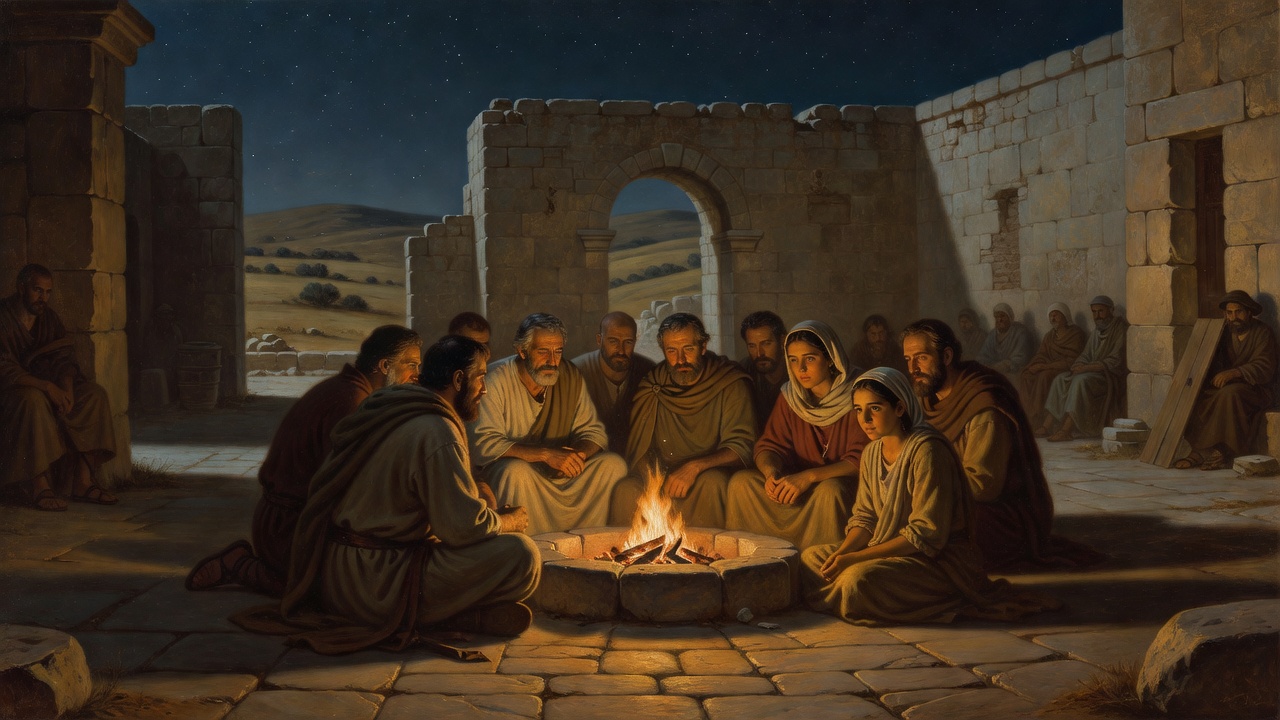
19Ne̱ ɔɔ taa bodobodoo, ne̱ ɔɔ sa Wuribware̱ aŋsɛ we̱e̱ se̱, ne̱ ɔɔ te̱ŋŋe̱‑rɔ sa bamo̱, ne̱ ɔ yɛ, “Mo̱ ko̱yo̱wɔre̱gyi ne̱ mo̱ e̱ ba a m bo̱ sa mo̱ne̱‑ɔ ne̱e̱. Mo̱nꞌ gyi bo̱ nyiŋŋi mo̱.”
20Ane̱ŋ dɛɛ, ne̱ bamo̱ a gyi lo̱we̱‑ɔ, ne̱ ɔɔ taa nta na ko̱to̱re̱nkyu bo̱rɔ sa bamo̱, ne̱ ɔ yɛ, “Mo̱ mbo̱gya ne̱ n tii Wuribware̱ na ase̱sɛ mbo̱ŋtɔ‑rɔ a e̱taŋ po̱pwɛɛ a kanɔ‑ɔ ne̱e̱. N twiiri a ŋ we̱e̱ sa mo̱ne̱.
21Amaa mo̱nꞌ nu fe̱yɛ ɔko̱ ne̱ o gyi mo̱ kidiburo‑o te mo̱ ase̱ gyikpa mfe̱e̱. 22Mo̱, dimaadi mò̱ gyi‑o, i wu fe̱yɛ ane̱ŋ ne̱ Wuribware̱ a tɔwe̱ bo̱ ye̱ra‑ɔ, amaa ɔko̱ ne̱ o gyi mo̱ kidiburo‑o i ŋu ase̱ŋ ne̱e̱ fɛɛ.” 23Ne̱ baa le̱e̱ ba bise abɛɛ ba kpa bamo̱‑rɔ ɔko̱ ne̱ ɔ ba a ɔ bo̱ gyi mò̱ kidiburo amo̱‑ɔ.
Ane̱ŋ ne̱ Yeesuu agyase̱po̱‑ɔ i gyiiri ke̱bre̱sɛ se̱ ikii‑o
24Ne̱ ikii a lwee Yeesuu agyase̱po̱‑ɔ‑rɔ ba kpa mò̱ ne̱ ɔ gye̱ bamo̱‑rɔ ɔbre̱sɛ‑ɔ. 25Ne̱ Yeesuu a tɔwe̱ gywii bamo̱ fe̱yɛ, “Nde̱ se̱ awuye awure de bamo̱ e̱le̱ŋ, ne̱ ba kpa fe̱yɛ ɔke̱maa te̱e̱ bamo̱ ke̱nyare̱ dabe̱ fe̱yɛ ‘ase̱sɛ bamo̱ nyare̱.’ 26Amaa mo̱ne̱ lee kwe̱e̱. Ɔko̱ ne̱ ɔ gye̱ mo̱ne̱‑rɔ ɔbre̱sɛ‑ɔ kii mo̱ne̱ kayaagyi, na mo̱ne̱‑rɔ ɔgye̱ŋkpɛɛpo̱‑ɔ mɔ kii mo̱ne̱ ke̱nya. 27Ɔko̱ ne̱ o te na ɔko̱ waa ateese baa mò̱‑ɔ e̱ gye̱ bre̱sɛ, bɛɛɛ ɔko̱ ne̱ ɔ waa ateese‑o e̱ gye̱ bre̱sɛ? Ɔke̱maa nyi fe̱yɛ ɔko̱ ne̱ o te na bo̱ waa ateese baa na o gyi‑o e̱ gye̱ bre̱sɛ. Amaa m fe̱raa m bo̱ mo̱ne̱‑rɔ ne̱e̱ mo̱ i suŋ mo̱ e̱ sa mo̱ne̱. 28Mo̱ aa mo̱ne̱ ya gyi awo̱re̱fɔɔ ne̱ mo̱ a gyi‑o pɛɛɛ. 29Ane̱ŋ se̱‑ɔ, fe̱yɛ ane̱ŋ ne̱ n se̱ a sa mo̱ kuwure‑o, ŋ gbaa mo̱ e̱ sa mo̱ne̱ ko̱ko̱ ane̱ŋ dɛɛ. 30Mo̱ aa mo̱ne̱ e̱ kye̱na mo̱ kuwure‑o si, na ane̱ gyi a ane̱ nuu, na mo̱nꞌ gyi ane̱ Isireelii awuye a nsuro kudu ŋnyɔ‑ɔ kuwure.”
Ane̱ŋ ne̱ Yeesuu yɛ Peetroo e̱ tɔwe̱ ɛ ɔ mo̱ŋ nyi mò̱‑ɔ
31Mfe̱ŋ ne̱ Yeesuu a te̱e̱ fe̱yɛ, “Simɔŋ, Simɔŋ, Ɔbɔnsam a ko̱re̱ mo̱ kpa na ɔ kyɔ mo̱ne̱‑rɔ ke̱e̱ mo̱ne̱‑rɔ bamo̱ ne̱ ɔ taare̱ a ɔ nya na bo̱ kii mò̱ lee‑o, fe̱yɛ ane̱ŋ ne̱ bamo̱ ya kyaare̱ yaabraa, ne̱ baa lee agyi‑o, ba taa afeŋfeŋtee‑o bo̱ twe̱e̱‑ɔ. 32Simɔŋ, mo̱ e̱ tɔwe̱ a n gywii fo̱ fe̱yɛ fo̱ e̱ se̱re̱ a fo̱ yɔwe̱ mo̱. Amaa mo̱ a ko̱re̱ ke̱bware̱ko̱re̱ sa fo̱ fe̱yɛ saŋ amo̱, fo̱ ma yɔwe̱ mo̱ ko̱kɔɔre̱gyi. Na saŋ ne̱ fo̱ a kiŋŋi fo̱ e̱ ba‑ɔ, fo̱ waa fo̱ bɛɛko̱‑ana agyase̱po̱‑ɔ mfe̱e̱ wɔre̱.”
33Ne̱ Peetroo a be̱ŋŋaa mò̱ fe̱yɛ, “Mo̱ nyaŋpe̱, mo̱ e̱ gya fo̱ se̱, ne̱ amo̱ e̱ gye̱ kitii na bo̱ tii mo̱ aa fo̱, ne̱ amo̱ e̱ gye̱ lowi na mo̱ aa fo̱ a wu.” 34Mfe̱ŋ ne̱ Yeesuu yɛ, “Peetroo, mo̱ e̱ tɔwe̱ mo̱ i gywii fo̱ fe̱yɛ, ndɔɔ kanye mɔ fo̱ e̱ swe̱e̱ iluwi e̱sa fe̱yɛ fo̱ mo̱ŋ nyi mo̱ pwɛɛ na kyaŋare̱ dɛɛ fo̱re̱.”
Atanne̱ mbɔɔte̱e̱ na e̱ko̱re̱e̱ na apaŋ ase̱ŋ
35Ne̱ Yeesuu a bise mò̱ agyase̱po̱‑ɔ fe̱yɛ, “Saŋ ne̱ mo̱ a dɛɛ suŋ mo̱ne̱ fe̱yɛ mo̱nꞌ ya tɔwe̱ ase̱ŋ timaa‑o, ne̱ ŋ yɛ mo̱ne̱ e̱ yɔ mo̱ne̱ ma taa atanne̱ mbɔɔte̱e̱ na e̱ko̱re̱e̱ na ase̱be̱ta‑ɔ, mo̱ne̱ a yɔ‑ɔ, mo̱ne̱ a nu mo̱ne̱ e̱ye̱e̱ fe̱yɛ mo̱ne̱ a mo̱ŋ yaa ate̱tɔmo̱ŋta amo̱ aaa?” Ne̱ bo̱ yɛ, “Daabii.”
36Ne̱ Yeesuu yɛ, “Amaa mbe̱yɔmɔ fe̱raa ɔke̱maa ne̱ o de atanne̱ kabɔɔte̱e̱‑ɔ na ko̱re̱e̱‑ɔ, a tiri fe̱yɛ ɔ taa kra. Ne̱ ɔke̱maa ne̱ mò̱ e̱ mo̱ŋ de ke̱paŋ, a tiri fe̱yɛ o fe mò̱ kaare̱ bo̱ sɔɔ ko̱ko̱. 37Bo̱ le̱e̱ fe̱yɛ mo̱nꞌ nu le̱e̱ mo̱ ase̱ fe̱yɛ ane̱ŋ dɛɛ ne̱ baa kyo̱rɛɛ mo̱ ase̱ŋ waa abware̱se̱ŋ wo̱re̱‑ɔ‑rɔ fe̱yɛ, ‘Baa waa mò̱ ke̱tɔ ne̱ ba waa abɔye̱waapo̱‑ɔ’, a tiri fe̱yɛ a ba kase̱ŋtiŋ. A le̱e̱ fe̱yɛ ane̱ŋ ne̱ baa kyo̱rɛɛ mo̱ kuŋu si ase̱ŋ‑ɔ, saŋ e̱ kpa a ɔ fo̱ fe̱yɛ a waa kase̱ŋtiŋ.”
38Ne̱ mò̱ agyase̱po̱‑ɔ a be̱ŋŋaa mò̱ fe̱yɛ, “Ane̱ nyaŋpe̱, ke̱e̱, apaŋ anyɔ bo̱ mfe̱e̱.”
Ne̱ Yeesuu yɛ, “Daabii, aa baare.”
Ane̱ŋ ne̱ Yeesuu a ya ko̱re̱ ke̱bware̱ko̱re̱ Mfɔ-Ayii ke̱be̱e̱‑ɔ se̱‑ɔ
39Fe̱yɛ ane̱ŋ ne̱ ɔ kyɔ ɔ waa saŋ ke̱maa‑ɔ, ne̱ ɔɔ yɔ Mfɔ-Ayii ke̱be̱e̱‑ɔ se̱, ne̱ mò̱ agyase̱po̱‑ɔ a gya mò̱ se̱ yɔ mfe̱ŋ. 40Bamo̱ a fo̱ mfe̱ŋ‑ɔ, ne̱ Yeesuu a tɔwe̱ gywii bamo̱ fe̱yɛ, “Mo̱nꞌ ko̱re̱ Wuribware̱ fe̱yɛ Ɔbɔnsam ma kaŋ kyɔ mo̱ne̱‑rɔ ke̱e̱ fe̱yɛ mo̱ne̱ i kiŋŋi kamɛɛ aaa.” 41Ne̱ ɔɔ kyo̱ŋ yɔ akatɔ se̱ kafwe̱e̱ ya kpuni aŋurii ko̱re̱ ke̱bware̱ko̱re̱. 42Ɔ yɛ, “N se̱, mbe̱yɔmɔ fe̱raa mo̱ e̱ ko̱re̱ fo̱ ne̱e̱ fe̱yɛ, fo̱ e̱ kpa, fo̱ sa a mo̱ awo̱re̱fɔɔ ne̱ mo̱ i gyi mɔ‑ɔ gye̱ kɛɛ, na m ma wu. Amaa kanɔ ŋke̱maa ne̱ fo̱ e̱ kpa‑ɔ bware sa mo̱.” [ 43Ne̱ Wuribware̱ kabɔɔ ko̱ a le̱e̱ mò̱ se̱ bo̱ sa ne̱ mò̱ e̱ye̱e̱ a se̱ŋ mò̱. 44Ne̱ aa tɔɔraa mò̱ gbaa, ne̱ ŋkee oo pee akatɔ ko̱re̱ ke̱bware̱ko̱re̱, na ɔ swaare̱ mbo̱gya, ne̱ n le̱e̱ mò̱ kayo̱wɔre̱ se̱ n dwe̱e̱ swe̱e̱re̱.]
45Ne̱ ɔɔ ko̱so̱ le̱e̱ ke̱bware̱ko̱re̱kpa‑ɔ mfe̱ŋ ya to̱ mò̱ agyase̱po̱‑ɔ da bo̱ di idi, a le̱e̱ fe̱yɛ bamo̱ gbaa aa tɔɔraa bamo̱, ne̱ tɔɔraa amo̱ a sa ne̱ baa kpo̱ne̱. 46Ne̱ oo bise bamo̱ fe̱yɛ, “Nte̱tɔ se̱ ne̱ mo̱ne̱ da mo̱ne̱ di idi‑o ne̱e̱? Mo̱nꞌ ko̱so̱ ko̱re̱ ke̱bware̱ko̱re̱ fe̱yɛ Ɔbɔnsam ma kaŋ kyɔ mo̱ne̱‑rɔ ke̱e̱ fe̱yɛ mo̱ne̱ i kiŋŋi kamɛɛ aaa.”
Ane̱ŋ ne̱ baa kra Yeesuu‑o
47Na Yeesuu saŋ ɔ sa se̱ŋsa, ne̱ Yudas ne̱ ɔ gye̱ Yeesuu agyase̱po̱ kudu anyɔ‑ɔ ɔko̱‑ɔ a gye̱ ase̱sɛ kukwii ko̱ ŋkpɛɛ ba. Ne̱ ɔɔ bo̱ kyo̱kywe̱e̱ Yeesuu ke̱daabɔŋ se̱ bo̱ ka mò̱ kanɔ, fe̱yɛ ane̱ŋ ne̱ Yudaa awuye e̱ ka abɛɛ kanɔ saŋ ke̱maa‑ɔ. 48Ne̱ Yeesuu yɛ, “Yudas, amɔ fo̱ de ke̱daabɔŋ se̱ ko̱kyo̱kywe̱e̱ ne̱e̱ fo̱ de mo̱, dimaadi mò̱ gyi‑o, fo̱ e̱ sa mo̱ ado̱ŋ aaa?”
49Amo̱ fe̱raa Yeesuu agyase̱po̱‑ɔ a ŋu ke̱tɔ ne̱ ke̱ e̱ ba‑ɔ, ne̱ bo̱ yɛ, “Ane̱ nyaŋpe̱, ane̱ ba ane̱ apaŋ‑ɔ bo̱ kɔ bamo̱ aaa?” 50Ne̱ bamo̱ ɔko̱ a baa ke̱paŋ bo̱ ŋe Wuribware̱ ɔlɔŋŋɔpo̱ bre̱sɛ‑ɔ anya‑ɔ ɔko̱ kigyisese̱bɔ te̱ŋ.
51Ne̱ Yeesuu yɛ, “Yɔwe̱, amo̱‑ɔ a baare.” Ne̱ Yeesuu a dabo̱rɔ ɔnyare̱ amo̱ a ke̱se̱bɔ‑ɔ, ne̱ ɔɔ kya ke̱mo̱.
52Ne̱ Yeesuu a bise Wuribware̱ alɔŋŋɔpo̱ abre̱sɛ na Wuribware̱ suŋkpa a ade̱e̱re̱se̱po̱ abre̱sɛ na maŋ abre̱sɛ ne̱ baa ba a bo̱ bo̱ kra mò̱‑ɔ pɛɛɛ fe̱yɛ, “Amɔ mo̱ne̱ a baa apaŋ na akyokuŋ ne̱e̱ na mo̱nꞌ bo̱ kra mo̱ fe̱yɛ oyu‑o ooo? 53Ŋke mfe̱ne̱ mɔ‑rɔ mo̱ aa mo̱ne̱ ne̱e̱ na mo̱ e̱ kaapo̱ abware̱se̱ŋ Wuribware̱ suŋkpa‑ɔ kabuno, na mo̱ne̱ mɔ mo̱ne̱ mo̱ŋ kra mo̱. Amaa mbe̱yɔmɔ ne̱ Wuribware̱ a sa Ɔbɔnsam kpa fe̱yɛ ɔ sa a mo̱nꞌ waa ane̱ŋ‑ɔ ne̱e̱.”
Ane̱ŋ ne̱ Peetroo yɛ ɔ mo̱ŋ nyi Yeesuu‑o
54Mfe̱ŋ ne̱ baa kra Yeesuu taa mò̱ yaa Wuribware̱ ɔlɔŋŋɔpo̱ bre̱sɛ a lɔŋ‑ɔ‑rɔ. Bamo̱ a yɔ‑ɔ, ne̱ Peetroo a sii kamɛɛ ɔ gya bamo̱ se̱. 55Baa kure de̱e̱kpa ko̱ mɔ lɔŋ‑ɔ kabuno nse̱na, ne̱ Peetroo a sii gyɔŋŋɔ bamo̱ ne̱ bo̱ te ba wo̱re̱ de̱e̱kpa amo̱‑ɔ ase̱‑ɔ mfe̱ŋ. 56Amɔ kabre ko̱ a ŋu Peetroo na o te de̱e̱kpa amo̱ ase̱‑ɔ, ne̱ ɔɔ de̱e̱re̱ mò̱ akatɔ‑rɔ, ne̱ ɔ yɛ, “Ɔnyare̱ mɔ gbaa na Yeesuu e̱ gye̱ ne̱ bo̱ naa.”
57Ne̱ Peetroo a swe̱e̱ fe̱yɛ, “Ɔkye̱e̱, mo̱ŋ nyi mò̱ gbaa.”
58Bo̱ waa kafwe̱e̱‑ɔ, ne̱ ɔnyare̱ ko̱ a be̱e̱ ŋu Peetroo, ne̱ ɔ yɛ, “Ne̱e̱ fo̱ gbaa fo̱ gye̱ Yeesuu a ase̱sɛ‑ɔ ɔko̱ ɛ?” Ne̱ Peetroo be̱e̱ ɔ yɛ, “Ɔnyare̱, mo̱ŋ tii bamo̱ se̱ ooo.”
59Be̱e̱ bo̱ fo̱ dɔŋhwe̱re̱e̱ ko̱ŋko̱‑ɔ, ne̱ ɔnyare̱ ko̱ mɔ a be̱e̱ ba bo̱ pee akatɔ tɔwe̱ fe̱yɛ, “Amo̱‑ɔ fe̱raa mo̱ŋ de ikii, ɔnyare̱ mɔ na Yeesuu e̱ gye̱ ne̱ bo̱ naa, a le̱e̱ fe̱yɛ mò̱ se̱ŋsa gbaa a le̱e̱ Galile̱yanyi lee‑o ne̱e̱.”
60Ne̱ Peetroo a be̱e̱ be̱ŋŋaa fe̱yɛ, “Ɔnyare̱, mo̱ŋ nyi ke̱tɔ ne̱ fo̱ e̱ tɔwe̱ ke̱mo̱ ase̱ŋ‑ɔ.” Puri amo̱‑rɔ mfe̱ŋ na ɔ saŋ ɔ sa se̱ŋsa, ne̱ kyaŋare̱ a fo̱re̱. 61Mfe̱ŋ ne̱ Yeesuu a buruwaa de̱e̱re̱ Peetroo akatɔ‑rɔ, ne̱ Peetroo a nyiŋŋi si fe̱yɛ Yeesuu a tɔwe̱ gywii mò̱ fe̱yɛ, “Ndɔɔ kanye mɔ, fo̱ e̱ swe̱e̱ iluwi e̱sa fe̱yɛ fo̱ mo̱ŋ nyi mo̱, pwɛɛ na kyaŋare̱ dɛɛ fo̱re̱.” 62Amo̱ fe̱raa ne̱ Peetroo a le̱e̱ yɔ kawu ya su bwe̱e̱tɔ.
Ane̱ŋ ne̱ baa saare̱ Yeesuu, ne̱ baa daye̱ mò̱‑ɔ
63Ne̱ bamo̱ ne̱ ba de̱e̱re̱ Yeesuu si‑o a saare̱ mò̱, ne̱ baa daye̱ mò̱. 64Ne̱ baa ba kaprakɛɛ bo̱ ŋure mò̱ akatɔ se̱. Amɔ ɔko̱ ya da mò̱ na bo̱ tɔwe̱ gywii mò̱ fe̱yɛ, “Fo̱ i nyi fe̱yɛ fo̱ gye̱ Wuribware̱ a akyaamɛɛ‑ɔ ɔko̱, tɔwe̱ mò̱ ne̱ ɔɔ da fo̱‑ɔ gywii ane̱.” 65Ne̱ baa tɔwe̱ ase̱ŋ bwe̱e̱tɔ bo̱ saare̱ mò̱.
Ane̱ŋ ne̱ baa yaa Yeesuu Yudaa awuye a iwurekpa‑ɔ
66Kaye̱ ŋke‑o, ne̱ maŋ abre̱sɛ‑ɔ na Wuribware̱ alɔŋŋɔpo̱ abre̱sɛ‑ɔ na Wuribware̱ mbraa akaapo̱po̱‑ɔ a bo̱ gyaŋŋe̱, ne̱ baa baa Yeesuu bamo̱ akatɔ‑rɔ. 67Ne̱ bo̱ yɛ, “Tɔwe̱ a ane̱ nu, fo̱ e̱ gye̱ Kristoo ne̱ Wuribware̱ a suŋ bo̱ kyo̱ŋwe̱ kaye̱ mɔ‑rɔ‑ɔ ɔɔɔ?”
Ne̱ ɔɔ be̱ŋŋaa bamo̱ fe̱yɛ, “Mo̱ ya tɔwe̱ gywii mo̱ne̱ gbaa, mo̱ne̱ maa kɔɔre̱ a mo̱nꞌ gyi. 68Ane̱ŋ dɛɛ ne̱ mo̱ ya bise mo̱ne̱ ase̱ŋ, ne̱ mo̱ne̱ maa lee kanɔ. 69Amaa mo̱ e̱ tɔwe̱ mo̱ i gywii mo̱ne̱ fe̱yɛ le̱e̱ mbe̱yɔmɔ bo̱ yɔ, mo̱, dimaadi mò̱ gyi‑o, e̱ kye̱na Wuribware̱ owure dabe̱‑ɔ kigyise si, na mo̱ aa mò̱ a gyi mò̱ kuwure‑o.”
70Ne̱ bamo̱ pɛɛɛ yɛ, “Amo̱ fe̱raa, amɔ fo̱ gye̱ Wuribware̱ mò̱ gyi‑o ne̱e̱ e̱e̱e̱?”
Ne̱ Yeesuu a be̱ŋŋaa bamo̱ fe̱yɛ, “Ane̱ŋ ne̱ mo̱ne̱ a tɔwe̱‑ɔ gye̱ kase̱ŋtiŋ.”
71Ne̱ bo̱ yɛ, “Ane̱ maa lɛɛ kpa ɔko̱ a ɔ bo̱ tɔwe̱ ko̱tɔko̱ pwɛɛ na ane̱ dɛɛ ŋu fe̱yɛ oo gyi ke̱pɔ. Ane̱ fɔŋfɔŋ gbaa a nu mò̱ a tɔwe̱ fe̱yɛ mò̱ aa Wuribware̱ ta.”
Você sabia?
A ceia da Páscoa e a prisão
- O capítulo chama de Páscoa a Festa dos Pães Asmos, que se aproximava, e situa a refeição no dia em que o cordeiro da Páscoa devia ser sacrificado. Jesus enviou Pedro e João, ambos de Betsaida e ambos pescadores, para prepará-la; eles encontraram uma grande sala mobiliada no andar superior e, chegada a hora, ele se reclinou à mesa com os apóstolos.Fontes: o próprio texto bíblico · Simon Peter · John the Apostle
- Judas, um dos Doze, é chamado Iscariotes, sobrenome explicado como homem de Queriote, e é identificado como filho de Simão. O capítulo diz que Satanás — nome que significa adversário ou acusador — entrou nele; Judas então combinou com os principais sacerdotes e os oficiais do templo entregar Jesus por dinheiro, longe da multidão.Fontes: o próprio texto bíblico · Judas Iscariot · Satan
- Depois da refeição, Jesus foi, como de costume, ao Monte das Oliveiras, uma serra a leste de Jerusalém, assim chamada pelas oliveiras que cobrem suas encostas e separada da cidade pelo vale do Cedrom. Ele se afastou cerca de um tiro de pedra para além dos discípulos, ajoelhou-se e orou; então chegou uma multidão conduzida por Judas, e Jesus foi levado à casa do sumo sacerdote.Fontes: o próprio texto bíblico · Mount of Olives
Notas escritas com auxílio de IA a partir de fontes abertas (Theographic Bible Metadata, CC BY-SA 4.0; Easton’s Bible Dictionary, domínio público) e revisadas antes de publicar.
Lugares deste capítulo
Só aparecem lugares com identificação de alta confiança (90% ou mais segundo as fontes acadêmicas reunidas pelo OpenBible). Mapa da época: DARE (Digital Atlas of the Roman Empire), CC BY 4.0; mapa atual: © colaboradores do OpenStreetMap; lugares: OpenBible.info (CC BY 4.0).
Créditos e licença desta tradução
Abware̱se̱ŋ Wo̱re̱-ɔ
New Testament in Chumburung (GH:ncu:Chumburung)
copyright © 2010 Wycliffe Bible Translators, Inc.
Language: Chumburung
Translation by: Wycliffe Bible Translators, Inc.
Copyright Information
© 2010, Wycliffe Bible Translators, Inc. All rights reserved.
This translation text is made available to you under the
terms of the Creative Commons License: Attribution-Noncommercial-No Derivative Works.
( http://creativecommons.org/licenses/by-nc-nd/3.0/ )
In addition, you have permission to port the text to different file formats, as long as you
do not change any of the text or punctuation of the Bible.
You may share, copy, distribute, transmit, and extract portions
or quotations from this work, provided that you include the above copyright
information:
You must give Attribution to the work.
You do not sell this work for a profit.
You do not make any derivative works that change any of the actual words or punctuation of the Scriptures.
Permissions beyond the scope of this license may be
available if you contact
us with your request.
The New Testament
in Chumburung
© 2010, Wycliffe Bible Translators, Inc. All rights reserved.
This translation is made available to you under the terms of the
Creative Commons Attribution-Noncommercial-No Derivatives license 4.0.
You may share and redistribute this Bible translation or extracts from it in any format, provided that:
You include the above copyright and source information.
You do not sell this work for a profit.
You do not change any of the words or punctuation of the Scriptures.
Pictures included with Scriptures and other documents on this site are licensed just for use with those Scriptures and documents.
For other uses, please contact the respective copyright owners.
2025-05-16
Fonte: http://ebible.org/ncuNT/ · eBible.org