Hebreus 2
Abware̱se̱ŋ Wo̱re̱-ɔ · Toque num versículo para ver as referências cruzadas.
1Amo̱se̱‑ɔ, Wuribware̱ mò̱ gyi‑o a tɛɛ ɔ kyɔ Wuribware̱ a mbɔɔ‑ɔ se̱‑ɔ, amo̱ fe̱raa ane̱ pee akatɔ gya mò̱ ke̱kaapo̱ ne̱ ane̱ a nu‑o si dame̱naŋsɛ, na ane̱ ma nya fo̱ kpa. 2De̱daa‑ɔ, Wuribware̱ a mbɔɔ‑ɔ se̱ ne̱ Wuribware̱ a bo̱rɔ bo̱ sa mò̱ mbraa‑ɔ, ne̱ m maa taare̱ a n kyurowi. Amo̱se̱‑ɔ, ɔke̱maa ne̱ ɔ mo̱ŋ gya mmo̱ se̱‑ɔ a nya mò̱ katɔmaabu‑o kakɔka. 3Amo̱ a waa ane̱ŋ‑ɔ se̱‑ɔ, ne̱ ane̱ ne̱ ane̱ te ndɔɔ‑ɔ ya kine ase̱ŋ timaa ne̱ a kaapo̱ ane̱ fe̱yɛ Wuribware̱ e̱ mo̱rɔwe̱ ane̱‑ɔ, e̱me̱ne̱ e̱ waa ne̱ ɔ maa gyiiri ane̱ ke̱se̱bɔ? Abware̱se̱ŋ mɔ ne̱ a kaapo̱ ane̱ŋ ne̱ Wuribware̱ e̱ kpa a ɔ mo̱rɔwe̱ ane̱‑ɔ ne̱ ane̱ nyaŋpe̱ Yeesuu a gye̱ ŋkpɛɛ tɔwe̱. Ne̱ bamo̱ ne̱ bamo̱ fɔŋfɔŋ a nu mò̱ a tɔwe̱‑ɔ a be̱e̱ tɔwe̱‑rɔ gywii ane̱. 4Bamo̱ a tɔwe̱ ase̱ŋ timaa mɔ‑ɔ, ne̱ Wuribware̱ a ye̱re̱ bamo̱‑rɔ waa akpe̱ŋe̱ye̱e̱tɔ e̱wo̱re̱se̱ e̱wo̱re̱se̱ bo̱ kaapo̱ fe̱yɛ bamo̱ ke̱kaapo̱‑ɔ e̱ gye̱ kase̱ŋtiŋ. Ŋkee ne̱ ɔɔ bo̱rɔ mò̱ kufwiiŋe timaa‑o si sa mò̱ se̱sɛ ke̱maa na mò̱ aketɔ ane̱ŋ ne̱ Wuribware̱ e̱ kpa‑ɔ.
Ke̱tɔ se̱ ne̱ Yeesuu a kii se̱sɛ dimaadi‑o
5Amaa kaye̱ mɔ ne̱ ka ba a ka bo̱ ba, ne̱ mo̱ e̱ tɔwe̱ kamo̱ ase̱ŋ‑ɔ, n gye̱ mò̱ mbɔɔ‑ɔ ne̱ Wuribware̱ a taa kamo̱ bo̱ bɔɔrɔ fe̱yɛ bo̱ ke̱e̱ kamo̱ se̱. 6Fe̱yɛ ane̱ŋ ne̱ baa kyo̱rɛɛ waa abware̱se̱ŋ wo̱re̱‑ɔ‑rɔ to̱ŋ ko̱‑ɔ,
“O Wuribware̱, nsɛ e̱ gye̱ dimaadi, ne̱ mò̱ ase̱ŋ tiri fo̱‑ɔ ne̱e̱?
Dimaadi mò̱ gyi e̱ gye̱ nsɛ, ne̱ fo̱ ke̱e̱ mò̱ se̱?
7Ne̱ fo̱ a kyo̱ŋ amo̱ se̱, sa ne̱ kafwe̱e̱ ne̱ fo̱ mbɔɔ‑ɔ kyɔ mò̱,
ne̱ fo̱ a bo̱nyaa mò̱, sa mò̱ ke̱dabe̱ na wuraa.
8Ne̱ fo̱ a sa ne̱ o gyi atɔ pɛɛɛ kuwure,
ne̱ ke̱mo̱ ke̱ke̱maa bo̱ mò̱ kaase̱.”
Mbe̱yɔmɔ, mò̱ a tɛɛ tɔwe̱ fe̱yɛ ɔɔ taa atɔ pɛɛɛ bo̱ waa se̱sɛ a kuwure‑o kaase̱‑ɔ, a kaapo̱ ne̱e̱ fe̱yɛ ke̱tɔ ke̱maa ne̱ ɔɔ taa bo̱ waa ke̱mo̱ kaase̱. Amaa ndɔɔ a kaye̱ mɔ fe̱raa, ane̱ mo̱ŋ lɛɛ ŋu ke̱tɔ ke̱maa fe̱yɛ ke̱ bo̱ se̱sɛ a kuwure‑o kaase̱. 9Amaa ke̱tɔ ne̱ ane̱ a ŋu‑o e̱ gye̱ fe̱yɛ Yeesuu kwe̱e̱ ane̱ dimaadi ne̱ baa saŋ‑ɔ‑rɔ, bo̱ le̱e̱ fe̱yɛ Wuribware̱ a sa ne̱ saŋ kafwe̱e̱ ne̱ Yeesuu a kye̱na fe̱yɛ se̱sɛ dimaadi kaye̱ mɔ‑rɔ‑ɔ, mò̱ mbɔɔ‑ɔ a kyo̱ŋ mò̱ ke̱dabe̱. Amaa kamɛɛ‑rɔ ne̱ ɔɔ sa mò̱ ke̱dabe̱ na wuraa na bo̱nyaa so̱so̱. Yeesuu a nya ane̱ŋ a ke̱dabe̱ na wuraa‑o, a le̱e̱ fe̱yɛ oo gyi awo̱re̱fɔɔ wu sa ɔke̱maa. Bo̱ le̱e̱ ane̱ŋ ne̱ Wuribware̱ a su ase̱sɛ se̱‑ɔ, ne̱ Yeesuu a wu ane̱ŋ a lowi‑o.
10Mbe̱yɔmɔ Nyiŋkpe̱ŋ-twe̱e̱-atɔ‑pɛɛɛ-Bware̱ a kpa fe̱yɛ se̱sɛ dimaadi ne̱ ɔɔ twe̱e̱‑ɔ bwe̱e̱tɔ nya ke̱dabe̱ na wuraa so̱so̱‑ɔ se̱‑ɔ, a bware fe̱yɛ ɔ bo̱rɔ awo̱re̱fɔɔ ne̱ Yeesuu a gyi‑o si sa ne̱ kpa ke̱maa se̱ Yeesuu a kii se̱sɛ dimaadi ɔgye̱ŋkpɛɛpo̱ na ɔmo̱rɔwe̱po̱. 11Yeesuu ne̱ ɔ gye̱ ɔkpe̱yaa‑ɔ na bamo̱ ne̱ ɔ sa ne̱ ba kii akpe̱yaa‑ɔ gye̱ se̱ ko̱ŋko̱ agyi ne̱e̱. Amo̱se̱ ne̱ ipeere mo̱ŋ de mò̱ ke̱te̱e̱ bamo̱ mò̱ ko̱we̱bɛɛ‑ana. 12Fe̱yɛ ane̱ŋ ne̱ ɔɔ tɔwe̱ abware̱se̱ŋ wo̱re̱‑ɔ‑rɔ‑ɔ,
“Mo̱ i lee fo̱ ke̱nyare̱ a n gywii mo̱ aye̱ awuye.
Na ŋ waa iliŋ bo̱ kyo̱rɔ fo̱
mfe̱ŋ ne̱ ase̱sɛ e̱ gyaŋŋe̱ ba suŋ fo̱‑ɔ.”
13Ne̱ ɔɔ be̱e̱ tɔwe̱ to̱ŋ ko̱ fe̱yɛ,
“Mo̱ e̱ taa mo̱ e̱ye̱e̱ a m bo̱ dɔŋŋɔ mò̱ se̱.”
Ɔɔ be̱e̱ tɔwe̱ to̱ŋ ko̱ fe̱yɛ,
“Ke̱e̱ ɛ, mo̱ aa agyi ne̱ Wuribware̱ a sa mo̱‑ɔ bo̱ mfe̱e̱.”
14Agyi amo̱ a gye̱ ase̱sɛ dimaadi‑o si, Yeesuu gbaa a kii se̱sɛ dimaadi. Amo̱se̱‑ɔ aa sa ne̱ mò̱ lowi ne̱ oo wu‑o si, ɔɔ kɔ gya Ɔbɔnsam ne̱ o de ke̱yaale̱ŋ a ɔ mɔɔ‑ɔ. 15Ne̱ ɔɔ sa ne̱ bamo̱ pɛɛɛ ne̱ lowi kufu dɛɛ ki de bamo̱ se̱ ke̱yaale̱ŋ le̱e̱ saŋ ne̱ baa ko̱we̱ bamo̱‑ɔ bo̱ fo̱ saŋ ne̱ baa le̱e̱ gya mò̱ se̱‑ɔ a nya bamo̱ e̱ye̱e̱. 16Kase̱ŋtiŋ, n gye̱ Wuribware̱ a mbɔɔ‑ɔ ne̱ ɔ mo̱rɔwe̱. Abraham a ananagyi‑o ne̱ ɔ mo̱rɔwe̱. 17Amo̱se̱ ne̱ a tiri fe̱yɛ ɔɔ le̱e̱ mò̱ bɛɛko̱‑ana se̱sɛ dimaadi kpa ke̱maa se̱‑ɔ. Oo ŋu ase̱ŋ, ne̱ Ɔbɔnsam a kyɔ mò̱‑rɔ ke̱e̱ kpo̱ne̱‑ɔ se̱‑ɔ, mbe̱yɔmɔ mò̱ e̱ de̱ŋ ɔ taare̱ a ɔ kya bamo̱ ne̱ Ɔbɔnsam e̱ kyɔ bamo̱‑rɔ ɔ ke̱e̱‑ɔ‑rɔ. Bo̱ le̱e̱ awo̱re̱fɔɔ ne̱ oo gyi‑o si, mò̱ e̱ gye̱ ne̱ ɔɔ fo̱ fe̱yɛ o kii kase̱ŋtiŋ Wuribware̱ ɔlɔŋŋɔpo̱ bre̱sɛ ne̱ o su mò̱ ase̱sɛ se̱‑ɔ, na ɔ nya ba mò̱ fɔŋfɔŋ mbo̱gya bo̱ kpɛɛ ane̱ e̱bɔye̱, na ɔ lɔŋŋɔ ane̱ aa Wuribware̱ ke̱bo̱ŋtɔ‑rɔ.
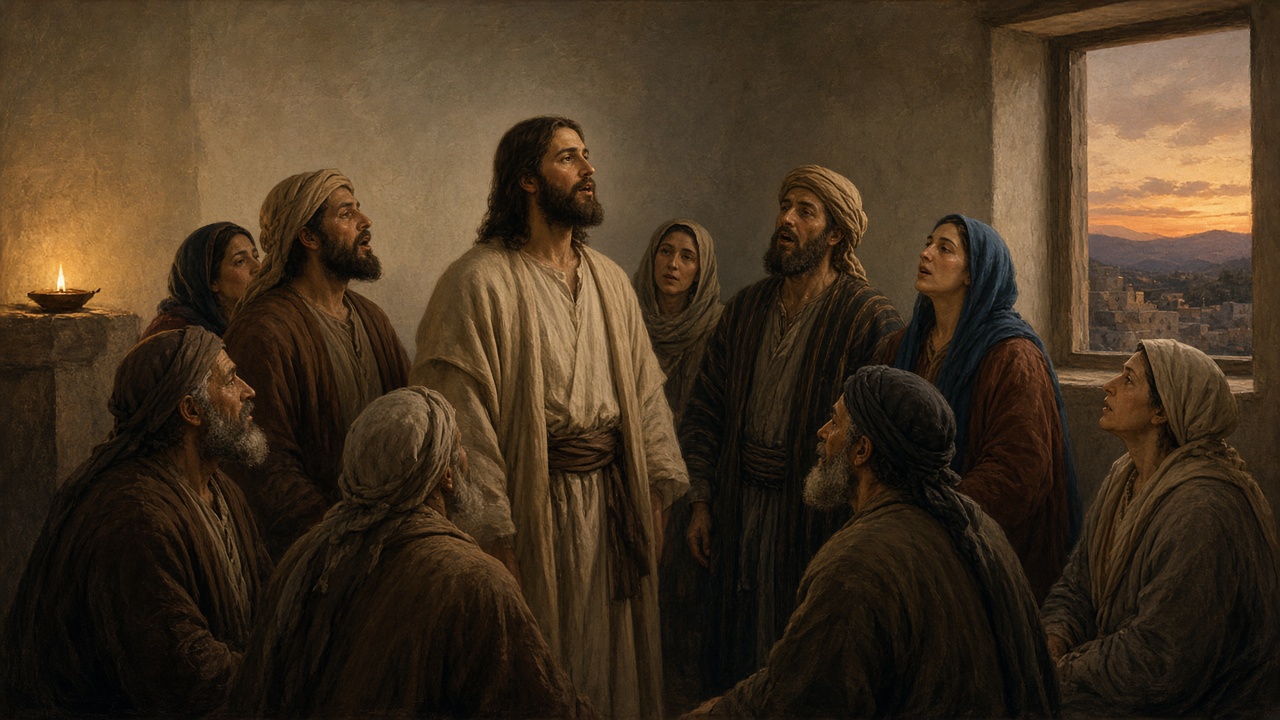
Você sabia?
Compartilhando a humanidade, coroado pelo sofrimento
- Hebreus 2 lembra que a mensagem falada por anjos era obrigatória e que toda transgressão e desobediência recebeu o seu justo castigo, e então pergunta como poderá escapar quem negligenciar tão grande salvação. Essa salvação foi anunciada primeiro pelo Senhor, confirmada a nós por aqueles que o ouviram e atestada por Deus por meio de sinais, prodígios, vários milagres e dons do Espírito Santo distribuídos segundo a sua vontade.Fontes: o próprio texto bíblico
- O capítulo cita um testemunho de que o homem foi feito um pouco menor que os anjos, coroado de glória e honra, com tudo colocado debaixo dos seus pés. Quando Deus lhe sujeitou todas as coisas, nada deixou fora do seu controle; contudo, no presente não vemos tudo sujeito a ele. Jesus, feito um pouco menor que os anjos, agora é coroado de glória e honra porque sofreu a morte, para que, pela graça de Deus, provasse a morte por todos.Fontes: o próprio texto bíblico
- Hebreus 2 diz que Jesus não socorre anjos, mas os descendentes de Abraão, e que precisou ser feito semelhante aos irmãos em tudo, para se tornar um sumo sacerdote misericordioso e fiel a serviço de Deus, a fim de fazer expiação pelos pecados do povo. Abraão, filho de Terá, é chamado pai de uma multidão e descrito como o herdeiro das promessas.Fontes: o próprio texto bíblico · Abraham
Notas escritas com auxílio de IA a partir de fontes abertas (Theographic Bible Metadata, CC BY-SA 4.0; Easton’s Bible Dictionary, domínio público) e revisadas antes de publicar.
Créditos e licença desta tradução
Abware̱se̱ŋ Wo̱re̱-ɔ
New Testament in Chumburung (GH:ncu:Chumburung)
copyright © 2010 Wycliffe Bible Translators, Inc.
Language: Chumburung
Translation by: Wycliffe Bible Translators, Inc.
Copyright Information
© 2010, Wycliffe Bible Translators, Inc. All rights reserved.
This translation text is made available to you under the
terms of the Creative Commons License: Attribution-Noncommercial-No Derivative Works.
( http://creativecommons.org/licenses/by-nc-nd/3.0/ )
In addition, you have permission to port the text to different file formats, as long as you
do not change any of the text or punctuation of the Bible.
You may share, copy, distribute, transmit, and extract portions
or quotations from this work, provided that you include the above copyright
information:
You must give Attribution to the work.
You do not sell this work for a profit.
You do not make any derivative works that change any of the actual words or punctuation of the Scriptures.
Permissions beyond the scope of this license may be
available if you contact
us with your request.
The New Testament
in Chumburung
© 2010, Wycliffe Bible Translators, Inc. All rights reserved.
This translation is made available to you under the terms of the
Creative Commons Attribution-Noncommercial-No Derivatives license 4.0.
You may share and redistribute this Bible translation or extracts from it in any format, provided that:
You include the above copyright and source information.
You do not sell this work for a profit.
You do not change any of the words or punctuation of the Scriptures.
Pictures included with Scriptures and other documents on this site are licensed just for use with those Scriptures and documents.
For other uses, please contact the respective copyright owners.
2025-05-16
Fonte: http://ebible.org/ncuNT/ · eBible.org