Atos 8
Abware̱se̱ŋ Wo̱re̱-ɔ · Toque num versículo para ver as referências cruzadas.
Ane̱ŋ ne̱ Sɔɔl a sa ne̱ asɔre̱e̱ awuye‑o a ŋu ase̱ŋ‑ɔ
1Ne̱ aa waa Sɔɔl kɔne̱ fe̱yɛ Stifaŋ a wu.
Le̱e̱ ŋke nsi ne̱ Stifaŋ a wu‑o, ne̱ baa le̱e̱ ba waa Yɛro̱salɛm maŋ‑nɔ a asɔre̱e̱ awuye‑o awo̱re̱fɔɔ na bo̱ro̱kɔɔne̱. Ne̱ Kristoo akɔɔre̱gyipo̱ ne̱ bo̱ bo̱ Yɛro̱salɛm maŋ‑nɔ‑ɔ pɛɛɛ a brawe̱‑rɔ yɔ Yude̱ya swe̱e̱re̱ se̱ na Samariya swe̱e̱re̱ se̱ saŋ ayaa‑rɔ aye̱re̱po̱ kudu anyɔ‑ɔ wo̱re̱. 2Ase̱sɛ timaa ko̱ ya taa Stifaŋ kifuniŋ‑o yaa pure. Ne̱ baa su kale sa mò̱. 3Amaa Sɔɔl a pee ke̱katɔ we̱e̱ asɔre̱e̱ awuye‑o si ko̱tɔɔraa. Ne̱ ŋkee ɔɔ nare̱ bamo̱ e̱lɔŋ‑nɔ a ɔ bo̱ gyaŋŋe̱ se̱ o gyiiri bamo̱, hare̱e̱ ɔkye̱e̱ bɛɛɛ ɔnyare̱ ooo, o tii.
Abware̱se̱ŋ ne̱ Filipo a tɔwe̱ Samariya swe̱e̱re̱ se̱‑ɔ
4Ne̱ asɔre̱e̱ awuye ne̱ baa brawe̱‑rɔ‑ɔ a lweero yɔ to̱ŋ ke̱maa ba tɔwe̱ abware̱se̱ŋ. 5Ne̱ Filipo a le̱e̱ Yude̱ya swe̱e̱re̱ se̱ yɔ Samariya maŋ ko̱ se̱ ɔ tɔwe̱ fe̱yɛ Yeesuu e̱ gye̱ Kristoo ne̱ Wuribware̱ yɛ o suŋ a ɔ bo̱ kyo̱ŋwe̱ bamo̱‑ɔ o gywii bamo̱ ne̱ bo̱ bo̱ mfe̱ŋ‑ɔ. 6Ne̱ ɔɔ waa akpe̱ŋe̱ye̱e̱tɔ bo̱ kaapo̱ bamo̱. Amo̱se̱ se̱ ne̱ ase̱sɛ bwe̱e̱tɔ a gyaŋŋe̱ a bo̱ nu ase̱ŋ ne̱ ɔɔ tɔwe̱‑ɔ, ne̱ baa lɔŋ e̱se̱bɔ nu mò̱ ase̱ nɛɛnɛɛ. 7Ne̱ ɔɔ gya ibrisi bo̱ ko̱so̱ ase̱sɛ bwe̱e̱tɔ se̱ na e̱ fɛɛ‑rɔ. Ne̱ ɔɔ kya agyabɔɔ na bamo̱ ne̱ bamo̱ ke̱sare̱e̱ bɛɛɛ ke̱yaa a wu‑o bwe̱e̱tɔ. 8Amo̱se̱‑ɔ ne̱ kakatɔgyi a ba maŋ‑ɔ‑rɔ.
9Saŋ‑ɔ mɔ, ɔnyare̱ ko̱ mɔ dɛɛ ɔ bo̱ maŋ‑ɔ‑rɔ mfe̱ŋ, ne̱ ba te̱e̱ mò̱ ɛ Simɔŋ, na o de kisibeŋ ɔ waa atɔ ne̱ a kpe̱ŋ e̱ye̱e̱‑ɔ ɔ kaapo̱ maŋ awuye amo̱. Ɔ yɛ ɔ gye̱ se̱sɛ dabe̱ ne̱e̱. 10Amo̱se̱‑ɔ pwɛɛ ne̱ Filipo a dɛɛ ba maŋ‑ɔ‑rɔ, le̱e̱ abre̱sɛ pɛɛɛ se̱ ya bo̱ fo̱ ŋyaagyi pɛɛɛ se̱ maŋ awuye amo̱ i nu Simɔŋ amo̱ ase̱ŋ nɛɛnɛɛ. Bo̱ yɛ, “Ɔnyare̱ mɔ mo̱ŋ de Wuribware̱ a ke̱dabe̱‑ɔ ɔɔɔ? N gye̱ mò̱ ne̱ Wuribware̱ e̱ te̱e̱ fe̱yɛ Mo̱‑ɔdabe̱‑ɔ?” 11Ke̱tɔ se̱ ne̱ baa nu mò̱ ase̱ŋ nɛɛnɛɛ‑ɔ e̱ gye̱ fe̱yɛ ɔɔ ba mò̱ kisibeŋ‑o bo̱ waa akpe̱ŋe̱ye̱e̱tɔ bo̱ kaapo̱ bamo̱ maŋ‑ɔ‑rɔ kyee. 12Amaa bamo̱ a nu Filipo a tɔwe̱ Wuribware̱ a kuwure‑o‑ro ase̱ŋ timaa na ane̱ŋ ne̱ Yeesuu Kristoo ke̱nyare̱ de ke̱yaale̱ŋ‑ɔ, ne̱ baa kɔɔre̱ gyi, ne̱ bamo̱ akye̱e̱ na anyare̱ pɛɛɛ a bɔ asuu. 13Ne̱ Simɔŋ fɔŋfɔŋ‑ɔ gbaa a kɔɔre̱ ase̱ŋ‑ɔ gyi. Ne̱ ɔɔ bɔ asuu, ne̱ ŋkee ɔ naa ɔ gya Filipo si, ne̱ akpe̱ŋe̱ye̱e̱tɔ ne̱ Filipo a waa‑ɔ a kpe̱ŋ mò̱ e̱ye̱e̱.
14Ayaa‑rɔ aye̱re̱po̱ ne̱ bo̱ bo̱ Yɛro̱salɛm maŋ‑nɔ‑ɔ a nu fe̱yɛ Samariya awuye‑o a kɔɔre̱ Wuribware̱ a ase̱ŋ‑ɔ gyi‑o, ne̱ baa suŋ Peetroo na Yohanee bo̱ kyo̱ŋwe̱ bamo̱ ase̱. 15Bamo̱ a fo̱ mfe̱ŋ‑ɔ, ne̱ baa ko̱re̱ ke̱bware̱ko̱re̱ sa bamo̱, na Wuribware̱ nya sa bamo̱ mò̱ kufwiiŋe timaa‑o. 16A le̱e̱ fe̱yɛ hare̱e̱ Filipo a bɔ bamo̱ asuu Yeesuu ke̱nyare̱‑rɔ‑ɔ gbaa ooo, Wuribware̱ a kufwiiŋe timaa‑o mo̱ŋ tɛɛ ywe̱e̱ bamo̱ ɔko̱ se̱ daa. 17Ne̱ Peetroo na Yohanee a teyi bamo̱ asare̱e̱ bo̱ dɔŋŋɔ bamo̱ se̱, ne̱ baa nya Wuribware̱ a kufwiiŋe timaa‑o.
18Simɔŋ a ŋu fe̱yɛ Peetroo na Yohanee a ba bamo̱ asare̱e̱ bo̱ dɔŋŋɔ akɔɔre̱gyipo̱ ne̱ bo̱ bo̱ mfe̱ŋ‑ɔ se̱, ne̱ baa nya Wuribware̱ a kufwiiŋe timaa‑o si‑o, ne̱ oo ke Peetroo na Yohanee atanne̱. 19Ne̱ ɔ yɛ, “Mo̱nꞌ sa ŋ gbaa mo̱ ane̱ŋ a ke̱yaale̱ŋ‑ɔ na ŋ gbaa, mo̱ ya ba ke̱sare̱e̱ bo̱ dɔŋŋɔ ɔko̱ se̱, na se̱sɛ‑ɔ nya Wuribware̱ a kufwiiŋe timaa‑o.”
20Amaa Peetroo a be̱ŋŋaa mò̱ ne̱e̱ fe̱yɛ, “Wuribware̱ sa a fo̱ aa fo̱ atanne̱ lwee de̱e̱kpa ne̱ oo kure bo̱ be̱ya na ɔ bo̱ kywɛɛ e̱bɔye̱ awaapo̱‑ɔ, a le̱e̱ fe̱yɛ fo̱ a fa fe̱yɛ fo̱ e̱ taare̱ a fo̱ sɔɔ Wuribware̱ aketɔ‑ɔ. 21Fo̱ mo̱ŋ tii ane̱ se̱, ne̱ fo̱‑ɔ fo̱ be̱e̱ fo̱ maa taare̱ a fo̱ waa ane̱ kusuŋ mɔ, bo̱ le̱e̱ fe̱yɛ e̱bɔye̱ ne̱ e̱ bo̱ fo̱ kakpo̱nɔ‑rɔ kyɔ bwe̱e̱tɔ Wuribware̱ ase̱. 22Amo̱se̱‑ɔ nu fo̱ e̱ye̱e̱ bo̱ le̱e̱ fo̱ ase̱ŋ bɔye̱ mɔ ne̱ fo̱ a fa‑ɔ se̱, na fo̱ ko̱re̱ Wuribware̱ fe̱yɛ ɔ taa fo̱ ase̱ŋ bɔye̱ mɔ bo̱ ke fo̱. 23A le̱e̱ fe̱yɛ mo̱ a ŋu fe̱yɛ fo̱ ko̱kwe̱e̱ ne̱ fo̱ de‑o kyɔ bwe̱e̱tɔ, ne̱ fo̱ e̱bɔye̱ ne̱ fo̱ de‑o mɔ kyɔ fo̱ se̱.”
24Amo̱ fe̱raa, ne̱ Simɔŋ a tɔwe̱ gywii Peetroo na Yohanee fe̱yɛ, “Mo̱ e̱ ko̱re̱ mo̱ne̱ ne̱e̱, mo̱nꞌ ko̱re̱ Wuribware̱ sa mo̱, na atɔ mɔ ne̱ fo̱ a tɔwe̱ amo̱ ase̱ŋ‑ɔ pɛɛɛ ma kaŋ waa mo̱.”
25Peetroo na Yohanee a tɔwe̱ ke̱tɔ ne̱ Yeesuu a waa bamo̱ fɔŋfɔŋ akatɔ‑rɔ na abware̱se̱ŋ gywii ase̱sɛ‑ɔ lo̱we̱‑ɔ, ne̱ baa kiŋŋi yɔ Yɛro̱salɛm maŋ‑nɔ. Bamo̱ a kiŋŋi ba yɔ‑ɔ, ne̱ baa tɔwe̱ abware̱se̱ŋ gywii Samariya e̱maŋ e̱maŋ‑nɔ awuye.
Filipo na Itiyopiya krakye̱e̱ bre̱sɛ ko̱ ase̱ŋ
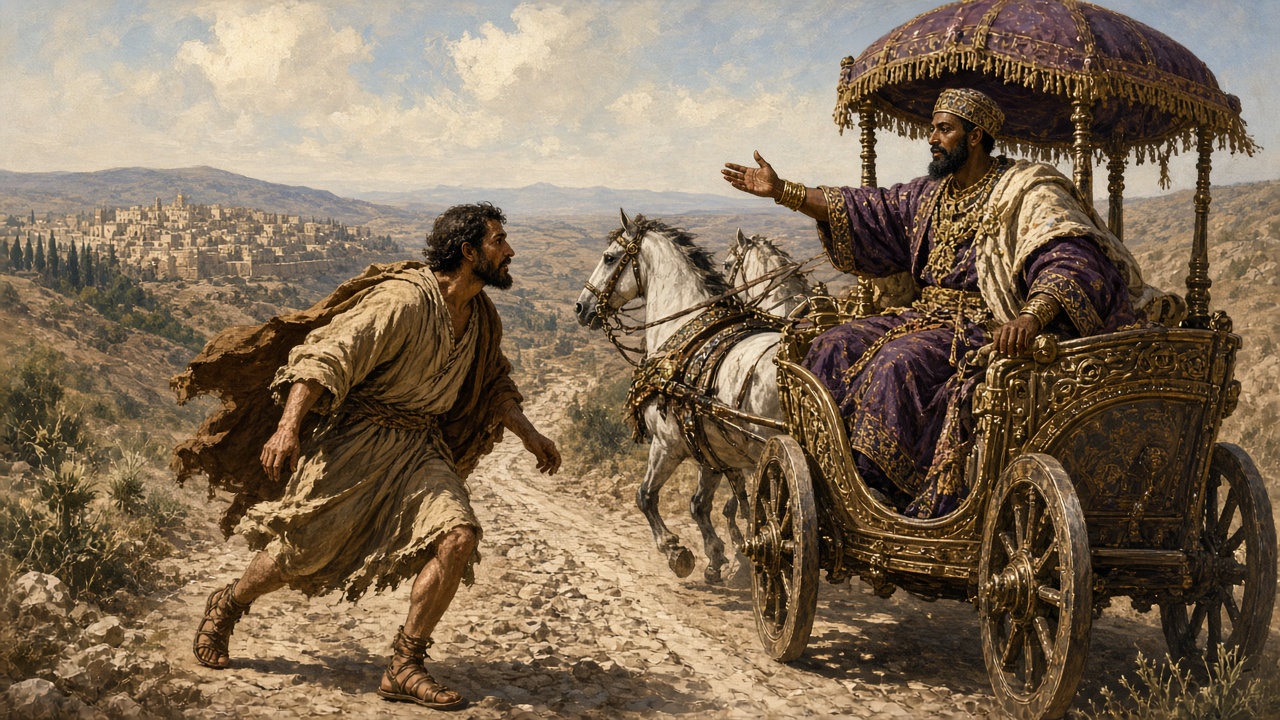
26Ne̱ Wuribware̱ kabɔɔ ko̱ a le̱e̱ so̱so̱ bo̱ tɔwe̱ gywii Filipo fe̱yɛ, “Waa siraa yɔ kyɔwe̱ twɛɛkpa ke̱be̱nasare̱e̱ se̱ ya bo̱rɔ kpa ne̱ ɔ le̱e̱ Yɛro̱salɛm maŋ‑nɔ ɔ yɔ Gasa maŋ‑nɔ.” (Mbe̱yɔmɔ bo̱ mo̱ŋ lɛɛ bo̱ bɔ kpa amo̱, a le̱e̱ fe̱yɛ ɔko̱ mo̱ŋ lɛɛ o te ifuri amo̱ se̱.) 27Ne̱ Filipo a waa siraa, ne̱ ɔɔ ywe̱e̱ kpa‑ɔ se̱. Amɔ swe̱e̱re̱ ko̱ ne̱ ba te̱e̱ mò̱ ɛ Itiyopiya‑o krakye̱e̱ bre̱sɛ ko̱ ne̱ ɔ de̱e̱re̱ bamo̱ wurekye̱e̱ ne̱ ba te̱e̱ mò̱ ɛ Kaŋdakee‑o atanne̱ se̱‑ɔ te mò̱ kpaŋa tireelaa ko̱‑rɔ. Mò̱ a kɔɔre̱ Wuribware̱ gyi‑o si‑o ne̱ ɔɔ yɔ Yɛro̱salɛm maŋ a ɔ ya suŋ Wuribware̱ mò̱ suŋkpa‑ɔ mfe̱ŋ. Ne̱ mbe̱yɔmɔ o kiŋŋi ɔ yɔ pe̱. 28Mò̱ a te‑ro‑o, na ɔ kare̱ Wuribware̱ kyaamɛɛ Isaya a ase̱ŋ ne̱ ɔɔ kyo̱rɛɛ waa abware̱se̱ŋ wo̱re̱‑ɔ‑rɔ‑ɔ keŋkeŋ ɔ yɔ. Filipo a de̱e̱ lwee Itiyopiya krakye̱e̱ bre̱sɛ a kpaŋa tireelaa‑o‑ro ya kaapo̱ mò̱ abware̱se̱ŋ.|src="CN01932b.tif" size="span" ref="Ayaa‑rɔ aye̱re̱po̱‑ɔ asuŋ 8.28–38" 29Mfe̱ŋ ne̱ Wuribware̱ a kufwiiŋe timaa‑o a tɔwe̱ gywii Filipo fe̱yɛ, “Yɔ tireelaa ne̱ ɔ gye̱ fo̱ ŋkpɛɛ‑ɔ amo̱ ase̱, na fo̱ ya nare̱ me̱raa mò̱.” 30Ne̱ Filipo a yɔ mò̱ ase̱ ya nu fe̱yɛ ɔnyare̱ amo̱ e̱ kare̱ abware̱se̱ŋ wo̱re̱‑ɔ‑rɔ ke̱be̱gya ne̱ Wuribware̱ kyaamɛɛ Isaya a kyo̱rɛɛ‑ɔ. Ne̱ oo bise mò̱ fe̱yɛ, “Fo̱ i nu ke̱tɔ ne̱ fo̱ e̱ kare̱‑ɔ kaase̱ aaa?” 31Ne̱ Itiyopiya krakye̱e̱ bre̱sɛ amo̱ a be̱ŋŋaa mò̱ fe̱yɛ, “E̱me̱ne̱ ne̱ mo̱ e̱ waa a n nu kaase̱ na ɔko̱ mo̱ŋ kaapo̱ mo̱?” Ne̱ ɔɔ sa ne̱ Filipo a de̱e̱ lweero kye̱na mò̱ ase̱, ne̱ baa kya se̱ ba yɔ. 32Wo̱re̱ ne̱ ɔ kare̱‑ɔ‑rɔ, Isaya a kyo̱rɛɛ ne̱e̱ ɛ,
“Ɔɔ waa diŋŋ fe̱yɛ kasanne̱gyii ne̱ bo̱ de a bo̱ ya mɔɔ‑ɔ,
bɛɛɛ ŋkɔ sanne̱ ne̱ ba te̱ŋŋe̱ mò̱ ifwii si,
na ɔ maa su‑o, ɔ mo̱ŋ tɔwe̱ sɛye̱.
33Ne̱ baa waa mò̱ awo̱re̱fɔɔ na mò̱ ase̱ŋ de kpa
ne̱ bamo̱ mɔ baa kine bo̱ mo̱ŋ taa kase̱ŋtiŋ sa mò̱.
Ɔko̱ maa taare̱ a ɔ kaapo̱ mò̱ ananagyi,
bo̱ le̱e̱ fe̱yɛ baa te̱ŋ mò̱ ŋkpa se̱, lee mò̱ le̱e̱ kaye̱ mɔ‑rɔ.”
34To, ne̱ oo bise Filipo fe̱yɛ, “Tɔwe̱ se̱sɛ ne̱ kyaamɛɛ mɔ e̱ tɔwe̱ mò̱ ase̱ŋ‑ɔ gywii mo̱, mò̱ e̱ye̱e̱ ne̱ o de bɛɛɛ ɔko̱ aaa?” 35Ne̱ Filipo a kaapo̱ ɔnyare̱‑ɔ abware̱se̱ŋ‑ɔ‑rɔ le̱e̱ mfe̱ŋ ne̱ ɔɔ kare̱‑ɔ tɔwe̱ Yeesuu kayo̱wɔre̱ se̱ ase̱ŋ gywii mò̱.
36Bamo̱ a yɔ, ne̱ baa ya fo̱ bo̱ŋ ko̱ ase̱‑ɔ, ne̱ krakye̱e̱ amo̱ yɛ, “Ke̱e̱, nkyu ko̱ e̱ bo̱ mfe̱e̱‑ɔ. Ne̱ nte̱tɔ se̱ ne̱ ma bɔ asuu‑o ne̱e̱?” [ 37Ne̱ Filipo a tɔwe̱ gywii mò̱ fe̱yɛ, “Fo̱ ya kɔɔre̱ gyi fo̱ kakpo̱nɔ‑rɔ fe̱raa, fo̱ e̱ taare̱ a fo̱ bɔ asuu.” Ne̱ ɔɔ be̱ŋŋaa fe̱yɛ, “Mo̱ a kɔɔre̱ gyi. Mo̱ a kɔɔre̱ gyi fe̱yɛ Wuribware̱ mò̱ gyi‑o e̱ gye̱ Yeesuu Kristoo.”] 38Amo̱ fe̱raa ne̱ krakye̱e̱‑ɔ a sa ne̱ tireelaa ne̱ bo̱ te‑ro‑o a ye̱re̱, ne̱ mò̱ aa Filipo a le̱e̱ yɔ nkyu‑o‑ro, ne̱ Filipo a bɔ mò̱ asuu. 39Bamo̱ ke̱de̱ŋ le̱e̱ nkyu‑o‑ro, ne̱ Wuribware̱ a kufwiiŋe‑o a taa Filipo o de o yii. Amo̱se̱‑ɔ krakye̱e̱‑ɔ mo̱ŋ lɛɛ ŋu mò̱. Ne̱ ɔɔ kya mò̱ kpa se̱ yɔ pe̱ na mò̱ akatɔ a gyi. 40Amaa Filipo bo̱ sa se̱ ɔ bo̱ Ase̱dɔd maŋ‑nɔ, ne̱ ɔɔ kya se̱ yɔ Kaye̱sare̱ya maŋ‑nɔ. Ne̱ ɔɔ tɔwe̱ ase̱ŋ timaa‑o kpa‑rɔ gywii maŋ ke̱maa se̱ awuye.
Você sabia?
A mensagem se espalha além de Jerusalém
- Após a morte de Estêvão, irrompeu uma grande perseguição contra a igreja em Jerusalém, e todos, exceto os apóstolos, foram dispersos pela Judeia e por Samaria. Filipe, um dos sete e mais tarde chamado o evangelista, estava entre eles; foi primeiro a Samaria, onde as multidões deram atenção à sua mensagem sobre o Cristo.Fontes: o próprio texto bíblico · Phillip the Evangelist
- Antes da chegada de Filipe, Simão já havia muito tempo assombrado Samaria com feitiçaria, e o povo o chamava de o poder divino conhecido como o Grande Poder. Ele creu e foi batizado, e depois ofereceu dinheiro pelo poder de conceder o Espírito Santo pela imposição das mãos; a palavra simonia, que designa a compra de um cargo espiritual, deriva do seu nome.Fontes: o próprio texto bíblico · Simon the Sorcerer
- Duas estradas ligavam Jerusalém a Gaza; Filipe foi enviado pela que passava por Hebrom e por uma região pouco habitada, chamada deserto. Ali encontrou um eunuco etíope, tesoureiro de Candace, rainha dos etíopes, que voltava de adorar em Jerusalém e lia o profeta Isaías em sua carruagem. Candace era um título usado por rainhas sucessivas de Meroé, na Alta Núbia, rico centro de comércio entre a África e o sul da Ásia.Fontes: o próprio texto bíblico · Phillip the Evangelist · Candace
Notas escritas com auxílio de IA a partir de fontes abertas (Theographic Bible Metadata, CC BY-SA 4.0; Easton’s Bible Dictionary, domínio público) e revisadas antes de publicar.
Lugares deste capítulo
- Jerusalem · 31.777, 35.234 · versículos 1, 14, 25, 26, 27
- Judea · Hoje: Judea 1 · 31.777, 35.234 · versículo 1
- Samaria · Hoje: Samaria 2 · 32.276, 35.195 · versículos 1, 5, 9, 14, 25
- Gaza · Hoje: Tell Harube · 31.504, 34.464 · versículo 26
- Ethiopia · 16.935, 33.751 · versículo 27
- Ashdod · Hoje: Tel Ashdod · 31.757, 34.658 · versículo 40
- Caesarea · Hoje: Caesarea Maritima · 32.500, 34.892 · versículo 40
Só aparecem lugares com identificação de alta confiança (90% ou mais segundo as fontes acadêmicas reunidas pelo OpenBible). Mapa da época: DARE (Digital Atlas of the Roman Empire), CC BY 4.0; mapa atual: © colaboradores do OpenStreetMap; lugares: OpenBible.info (CC BY 4.0).
Créditos e licença desta tradução
Abware̱se̱ŋ Wo̱re̱-ɔ
New Testament in Chumburung (GH:ncu:Chumburung)
copyright © 2010 Wycliffe Bible Translators, Inc.
Language: Chumburung
Translation by: Wycliffe Bible Translators, Inc.
Copyright Information
© 2010, Wycliffe Bible Translators, Inc. All rights reserved.
This translation text is made available to you under the
terms of the Creative Commons License: Attribution-Noncommercial-No Derivative Works.
( http://creativecommons.org/licenses/by-nc-nd/3.0/ )
In addition, you have permission to port the text to different file formats, as long as you
do not change any of the text or punctuation of the Bible.
You may share, copy, distribute, transmit, and extract portions
or quotations from this work, provided that you include the above copyright
information:
You must give Attribution to the work.
You do not sell this work for a profit.
You do not make any derivative works that change any of the actual words or punctuation of the Scriptures.
Permissions beyond the scope of this license may be
available if you contact
us with your request.
The New Testament
in Chumburung
© 2010, Wycliffe Bible Translators, Inc. All rights reserved.
This translation is made available to you under the terms of the
Creative Commons Attribution-Noncommercial-No Derivatives license 4.0.
You may share and redistribute this Bible translation or extracts from it in any format, provided that:
You include the above copyright and source information.
You do not sell this work for a profit.
You do not change any of the words or punctuation of the Scriptures.
Pictures included with Scriptures and other documents on this site are licensed just for use with those Scriptures and documents.
For other uses, please contact the respective copyright owners.
2025-05-16
Fonte: http://ebible.org/ncuNT/ · eBible.org