1 Coríntios 7
Abware̱se̱ŋ Wo̱re̱-ɔ · Toque num versículo para ver as referências cruzadas.
Awaare̱yɛ ase̱ŋ
1Mbe̱yɔmɔ mo̱ e̱ kpa a n lee se̱ŋbise ne̱ mo̱ne̱ a bise mo̱ mo̱ne̱ wo̱re̱‑ɔ‑rɔ‑ɔ kanɔ. Ke̱mo̱ ne̱ ke̱ gye̱ ŋkpɛɛ‑ɔ bo̱ le̱e̱ awaare̱yɛ ase̱ŋ se̱. Mo̱ e̱ fa fe̱yɛ ɔnyare̱ e̱ mo̱ŋ waare̱e̱, ɔɔ waa atɔ. 2Amaa a bware fe̱yɛ ɔnyare̱ ke̱maa nya mò̱ ka, na ɔkye̱e̱ ke̱maa mɔ nya mò̱ kuri, na bo̱ ma kyɔ mo̱ne̱‑rɔ ke̱e̱ a mo̱nꞌ waa kakye̱e̱kpa na kanyare̱kpa na kipurima. 3Ɔnyare̱ ma kine fe̱yɛ mò̱ aa mò̱ ka maa di, ane̱ŋ dɛɛ ne̱ mò̱ ka mɔ ma kine fe̱yɛ mò̱ aa mò̱ kuri maa di. 4Ɔnyare̱ kayo̱wɔre̱ mo̱ŋ gye̱ mò̱ fɔŋfɔŋ lee ne̱e̱, mò̱ ka e̱ bo̱ kamo̱. Ane̱ŋ dɛɛ ne̱ ɔkye̱e̱ kayo̱wɔre̱ mo̱ŋ gye̱ mò̱ fɔŋfɔŋ lee, mò̱ kuri e̱ bo̱ kamo̱. 5Amo̱se̱ se̱‑ɔ mo̱ne̱ ma kaŋ kine kidi ke̱kye̱e̱ na ke̱nyare̱ kpa mɔ se̱, amɔ mo̱ne̱ a kyɔ gye̱ ŋkpɛɛ waa kanɔ sure si fe̱yɛ mo̱ne̱ ma di, na mo̱nꞌ nya nya saŋ kafwe̱e̱ a mo̱nꞌ bo̱ tii mo̱ne̱ ke̱bware̱ko̱re̱ se̱ fe̱raa. Amo̱ kamɛɛ‑rɔ na mo̱ne̱ aa mo̱ne̱ ka‑ana be̱e̱ di. Mo̱ne̱ ya kyee ke̱be̱e̱ ya di mo̱ne̱ ka‑ana ase̱, Ɔbɔnsam e̱ kyɔ mo̱ne̱‑rɔ a mo̱nꞌ nya waa bɔye̱, a le̱e̱ fe̱yɛ mo̱ne̱ maa taare̱ a mo̱nꞌ kra mo̱ne̱ e̱ye̱e̱. 6Ane̱ŋ a atɔ mɔ ne̱ mo̱ e̱ tɔwe̱ mo̱ i gywii mo̱ne̱‑ɔ mo̱ŋ gye̱ mbraa ne̱ ŋ ya le̱e̱ Wuribware̱ ase̱‑ɔ, amaa a gye̱ atɔ ko̱ ne̱ mo̱ e̱ sa mo̱ne̱ kpa fe̱yɛ, amo̱ e̱ pre̱ mo̱ne̱, mo̱nꞌ waa. 7Kase̱ŋtiŋ si, weetee mo̱ e̱ kpa fe̱yɛ ase̱sɛ pɛɛɛ kye̱na bo̱ yɔ na bo̱ mo̱ŋ waare̱e̱, fe̱yɛ ane̱ŋ ne̱ mo̱‑ɔ mo̱ŋ waare̱e̱ pɛɛɛ‑ɔ. Amaa a maa taare̱ a baare sa ɔke̱maa. Wuribware̱ a sa ane̱ ɔke̱maa na ke̱tɔ ne̱ o nyi e̱waa bwe̱e̱tɔ, ne̱ ko̱ kwe̱e̱ mò̱ bɛɛko̱ lee‑ro‑o.
8Amo̱se̱ se̱‑ɔ, ŋ yɛ bamo̱ ne̱ bo̱ mo̱ŋ waare̱e̱‑ɔ na akye̱e̱ ne̱ bo̱ gye̱ akpenlekye̱e̱‑ɔ a bware fe̱yɛ bo̱ ma lɛɛ waare̱e̱. 9Amaa bamo̱ e̱ ma taare̱ a bo̱ kra bamo̱ e̱ye̱e̱, amo̱ fe̱raa bo̱ waare̱e̱. Mo̱ne̱ ya waare̱e̱, a bware a kyo̱ŋ fe̱yɛ mo̱ne̱ a te, na mo̱ne̱ mo̱ŋ waare̱e̱, na mo̱ne̱ saŋ mo̱ne̱ gywii fe̱yɛ mo̱nꞌ waare̱e̱. 10Awaare̱e̱po̱‑ɔ mɔ, n de mbraa ko̱ a m bo̱ sa mo̱ne̱, n gye̱ mo̱ ase̱ ne̱ ŋ ya le̱e̱, amaa ane̱ nyaŋpe̱ Kristoo ase̱ ne̱ ŋ ya le̱e̱. Mbraa‑ɔ e̱ gye̱ fe̱yɛ ɔkye̱e̱ ma kine mò̱ kuri. 11Amaa mò̱ ya kaŋ kine mò̱ kuri, ɔ ma kaŋ kpa anyare̱, amaa ɔ sa a mò̱ aa mò̱ kuri a be̱e̱ lɔŋŋɔ bamo̱ mbo̱ŋtɔ‑rɔ. Ane̱ŋ dɛɛ ne̱ ɔnyare̱ mɔ ma kine mò̱ ka.
12Mo̱‑ɔ, n de ase̱ŋ a n tɔwe̱ gywii awaare̱e̱po̱‑ɔ, a mo̱ŋ gye̱ mbraa ne̱ ŋ ya le̱e̱ ane̱ nyaŋpe̱ ase̱‑ɔ ne̱e̱. Amo̱ e̱ gye̱ fe̱yɛ, ɔnyare̱ ya kii Kristoonyi, ne̱ mò̱ ka mo̱ŋ tɛɛ kii Kristoonyi, ne̱ ɔkye̱e̱‑ɔ ya sure si fe̱yɛ mò̱ aa mò̱ kye̱na a bo̱ bo̱ yɔ, ɔ ma kaŋ kine ɔkye̱e̱‑ɔ. 13Ane̱ŋ dɛɛ ne̱ ɔkye̱e̱ ya kii Kristoonyi ne̱ mò̱ kuri mo̱ŋ tɛɛ kii Kristoonyi, ne̱ mò̱ ya sure si fe̱yɛ mò̱ aa mò̱ kye̱na a bo̱ bo̱ yɔ, amo̱ fe̱raa ɔ ma kaŋ kine mò̱ kuri‑o. 14Ke̱tɔ se̱ ne̱ amo̱‑ɔ gye̱ ane̱ŋ‑ɔ e̱ gye̱ fe̱yɛ Kristoonyi ɔkye̱e̱‑ɔ a sa ne̱ mò̱ kuri ne̱ ɔ mo̱ŋ gye̱ Kristoonyi‑o mo̱ŋ lɛɛ o de iyisi Wuribware̱ ase̱. Ane̱ŋ dɛɛ ne̱ Kristoonyi ɔnyare̱‑ɔ a sa ne̱ mò̱ ka ne̱ ɔ mo̱ŋ gye̱ Kristoonyi‑o mɔ mo̱ŋ lɛɛ o de iyisi Wuribware̱ ase̱. N gye̱ ane̱ŋ, bamo̱ gyi‑ana de iyisi. Amaa amo̱‑ɔ se̱‑ɔ, bamo̱ gyi‑ana mo̱ŋ de iyisi Wuribware̱ ase̱.
15Amaa fe̱yɛ ɔnyare̱‑ɔ bɛɛɛ ɔkye̱e̱‑ɔ ne̱ ɔ mo̱ŋ gye̱ Kristoonyi‑o, ne̱ mò̱ e̱ kpa a ɔ yɔ, ɔ sa a ɔ nare̱. Ane̱ŋ a ase̱ŋ mɔ ne̱ mo̱ e̱ tɔwe̱ mbe̱yɔmɔ‑ɔ maa ŋure ɔko̱ ne̱ oo sii o te mò̱ wo̱re̱‑ɔ ne̱e̱. A le̱e̱ fe̱yɛ Wuribware̱ a te̱e̱ ane̱ ne̱e̱ fe̱yɛ ane̱ bo̱ kye̱na kaye̱e̱yuri‑ro. 16Fo̱, ɔkye̱e̱, fo̱ aa fo̱ kuri e̱ saŋ mo̱ne̱ te abɛɛ ase̱, fo̱ e̱ taare̱ a fo̱ tɔwe̱ fe̱yɛ o kperi fo̱ se̱ a o kii Kristoonyi aaa? Bɛɛɛ fo̱, ɔnyare̱, fo̱ aa fo̱ ka e̱ mo̱ŋ brawe̱ abɛɛ se̱, fo̱ e̱ taare̱ a fo̱ kaapo̱ fe̱yɛ o kperi fo̱ se̱ a o kii Kristoonyi aaa?
Mo̱nꞌ kye̱na ane̱ŋ ne̱ mo̱ne̱ dɛɛ mo̱ne̱ te, ne̱ Wuribware̱ a te̱e̱ mo̱ne̱ fe̱yɛ mo̱nꞌ bo̱ gya mò̱ se̱‑ɔ
17Amo̱se̱ se̱‑ɔ, ŋ yɛ se̱sɛ kye̱na ane̱ŋ ne̱ Wuribware̱ a sa mò̱ fe̱yɛ ɔ kye̱na‑ɔ. Ɔ kye̱na fe̱yɛ ane̱ŋ ne̱ ɔ kyɔ o te, ne̱ Wuribware̱ a te̱e̱ mò̱ fe̱yɛ ɔ bo̱ gya mò̱ se̱‑ɔ. Mbraa mɔ ne̱ mo̱ e̱ kaapo̱ asɔre̱e̱‑ɔ pɛɛɛ. 18Ɔke̱maa ne̱ baa te̱ŋ mò̱ ko̱twe̱e̱tu pwɛɛ ne̱ Wuribware̱ a dɛɛ te̱e̱ mò̱‑ɔ ma le̱ŋ e̱ye̱e̱ fe̱yɛ o buŋ mò̱ ko̱twe̱e̱tu alɔpane̱‑ɔ se̱. Ɔke̱maa mɔ ne̱ bo̱ mo̱ŋ te̱ŋ mò̱ ko̱twe̱e̱tu pwɛɛ ne̱ Wuribware̱ a dɛɛ te̱e̱ mò̱‑ɔ be̱e̱ ɔ ma buwi kpa fe̱yɛ bo̱ te̱ŋ mò̱ ko̱twe̱e̱tu. 19Hare̱e̱ ba te̱ŋ fo̱ ko̱twe̱e̱tu bɛɛɛ bo̱ mo̱ŋ te̱ŋ ooo, a mo̱ŋ gye̱ atɔ ne̱ a tiri‑o. Ke̱tɔ ne̱ ki tiri‑o e̱ gye̱ fe̱yɛ fo̱ gya Wuribware̱ a mbraa‑ɔ se̱. 20M be̱e̱ mo̱ e̱ tɔwe̱ ane̱ŋ ne̱ mo̱ a tɔwe̱‑ɔ dɛɛ fe̱yɛ ɔke̱maa kye̱na ane̱ŋ ne̱ ɔ dɛɛ o te, ne̱ Wuribware̱ a te̱e̱ mò̱‑ɔ. 21Fo̱ e̱ dɛɛ fo̱ gye̱ ke̱nya nsaŋ amo̱, fo̱ ma sa a ane̱ŋ a atɔ‑ɔ tɔɔraa fo̱. Amaa fo̱ e̱ nya kpa fe̱yɛ fo̱ e̱ kɔɔre̱ fo̱ e̱ye̱e̱, fo̱ waa ane̱ŋ. 22Ɔko̱ ne̱ ɔ dɛɛ ɔ gye̱ se̱sɛ ke̱nya‑ɔ saŋ ne̱ ɔɔ bo̱ kii Kristoonyi‑o, a du ne̱e̱ fe̱yɛ mò̱ a bo̱ kii ane̱ nyaŋpe̱ Kristoo ogyi‑o, a le̱e̱ fe̱yɛ ɔɔ nya mò̱ e̱ye̱e̱ le̱e̱ e̱bɔye̱‑rɔ. Ane̱ŋ dɛɛ ne̱ mò̱ ne̱ ɔ gye̱ kaye̱ mɔ‑rɔ ogyi‑o saŋ ne̱ ɔɔ bo̱ kii Kristoonyi‑o ma lɛɛ tɔwe̱ fe̱yɛ ɔ gye̱ ogyi, a le̱e̱ fe̱yɛ ane̱ nyaŋpe̱ a te̱e̱ mò̱ fe̱yɛ ɔ bo̱ kii mò̱ ke̱nya. 23A le̱e̱ fe̱yɛ Kristoo a sɔɔ mo̱ne̱ pɛɛɛ yawo̱ le̱ŋle̱ŋsɛ, ne̱ mo̱ne̱ a kii mò̱ anya. Amo̱se̱‑ɔ mo̱ne̱ ma lɛɛ kii se̱sɛ dimaadi anya. 24Amo̱se̱ se̱‑ɔ, mo̱ ko̱so̱bɛɛ‑ana, mo̱nꞌ sa a ɔke̱maa kye̱na ane̱ŋ ne̱ ɔ kyɔ ɔ dɛɛ o te, ne̱ Wuribware̱ a te̱e̱ mò̱‑ɔ.
Awaare̱yɛ ase̱ŋ nkyase̱
25Mbe̱yɔmɔ mo̱ i lee mo̱ne̱ se̱ŋbise bo̱ le̱e̱ mbregyii si kanɔ. Mo̱ŋ de mbraa bo̱ le̱e̱ ane̱ŋ a ase̱ŋ mɔ se̱ bo̱ le̱e̱ ane̱ nyaŋpe̱ Kristoo ase̱, amaa mo̱ e̱ tɔwe̱ amo̱ se̱ ase̱ŋ timaa a n gywii mo̱ne̱. Mo̱ a gye̱ ɔko̱ ne̱ ane̱ nyaŋpe̱ a yure‑o si‑o, mo̱ne̱ e̱ taare̱ a mo̱nꞌ kɔɔre̱ mo̱ gyi, ma pe̱nna ɔko̱. 26Mo̱ e̱ kɔɔre̱ mo̱ i gyi fe̱yɛ a bware sa se̱sɛ fe̱yɛ ɔ kye̱na ane̱ŋ na ɔ ma waare̱e̱, a le̱e̱ fe̱yɛ mbe̱yɔmɔ ane̱ i ŋu ase̱ŋ bwe̱e̱tɔ kaye̱ mɔ‑rɔ. 27Ɔnyare̱ i de ka, ɔ ma kaŋ kine mò̱, amaa ɔnyare̱ e̱ mo̱ŋ tɛɛ waare̱e̱, ɔ ma lɛɛ buwi kpa ka. 28Ɔnyare̱ ya waare̱e̱, ɔ mo̱ŋ waa bɔye̱ ne̱e̱. Kabregyii mɔ ya waare̱e̱, ɔ mo̱ŋ waa bɔye̱. Amaa mo̱ e̱ kpa ne̱e̱ fe̱yɛ ase̱ŋ ne̱ bamo̱ ne̱ ba waare̱e̱‑ɔ i ŋu‑o, mo̱ne̱ ma ŋu amo̱.
29Mo̱ ko̱so̱bɛɛ‑ana, ke̱tɔ ne̱ mo̱ e̱ kaapo̱‑ɔ e̱ gye̱ fe̱yɛ saŋ mo̱ŋ lɛɛ ɔ kyɔ na kaye̱ gye̱ kɛɛ. Le̱e̱ mbe̱yɔmɔ bo̱ yɔ, anyare̱ waare̱e̱po̱ kye̱na fe̱yɛ bamo̱ a mo̱ŋ de aka‑ɔ. 30Sunle‑ana kye̱na fe̱yɛ bamo̱ akatɔ a gyi‑o. Bamo̱ ne̱ bamo̱ akatɔ a gyi‑o kye̱na fe̱yɛ bamo̱ kakye̱na‑rɔ a mo̱ŋ bo̱ kɔne̱‑ɔ. Bamo̱ ne̱ baa sɔɔ ate̱tɔmo̱ŋta‑ɔ kye̱na fe̱yɛ n gye̱ bamo̱ e̱ bo̱ ate̱tɔmo̱ŋta ne̱ baa sɔɔ‑ɔ. 31Bamo̱ ne̱ bo̱ gye̱ ayawo̱gyipo̱‑ɔ kye̱na fe̱yɛ bamo̱ ate̱tɔmo̱ŋta a mo̱ŋ tiri‑o. Ke̱tɔ se̱ ne̱ mo̱ a tɔwe̱ amo̱‑ɔ pɛɛɛ‑ɔ e̱ gye̱ fe̱yɛ ane̱ŋ ne̱ kaye̱ mɔ du mbe̱yɔmɔ‑ɔ ka kyo̱ŋ ka yɔ ne̱e̱. 32Mo̱ e̱ kpa fe̱yɛ mo̱nꞌ lee mo̱ne̱ e̱ye̱e̱ le̱e̱ ase̱ŋ‑nɔ. Mbe̱yɔmɔ ɔnyare̱ ne̱ ɔ mo̱ŋ tɛɛ waare̱e̱‑ɔ, ane̱ nyaŋpe̱ a asuŋ‑o tiri mò̱, ne̱ ɔ le̱ŋ e̱ye̱e̱ fe̱yɛ ɔ waa ke̱tɔ ne̱ ki i gyi ane̱ nyaŋpe̱ akatɔ‑ɔ. 33Amaa ɔnyare̱ ne̱ ɔɔ waare̱e̱‑ɔ de mò̱ e̱ye̱e̱ o biri kaye̱ mɔ‑rɔ ate̱tɔmo̱ŋta ne̱e̱, ne̱ ɔ le̱ŋ e̱ye̱e̱ ɔ waa mò̱ ka na mò̱ akatɔ gyi. 34Amo̱se̱ se̱‑ɔ, ɔ kpa a ɔ ba akatɔ anyɔ bo̱ de̱e̱re̱ praŋto̱wa‑rɔ. Ɔkye̱e̱ ne̱ ɔ mo̱ŋ waare̱e̱‑ɔ bɛɛɛ kabregyii ne̱ ɔ mo̱ŋ waare̱e̱‑ɔ, ane̱ nyaŋpe̱ ase̱ŋ tiri mò̱, ne̱ ɔɔ taa mò̱ kakpo̱nɔ pɛɛɛ na mò̱ kayo̱wɔre̱ pɛɛɛ sa ane̱ nyaŋpe̱. Amaa ɔkye̱e̱ waare̱e̱po̱ fe̱raa, kaye̱ mɔ‑rɔ ate̱tɔmo̱ŋta ase̱ŋ tiri mò̱, ne̱ ɔ le̱ŋ e̱ye̱e̱ a ɔ waa mò̱ kuri na mò̱ akatɔ gyi.
35N gye̱ sa ne̱ mo̱ e̱ tɔwe̱ amo̱‑ɔ na mo̱ne̱ kakye̱na‑rɔ waa le̱ŋ sa mo̱ne̱. Amaa mo̱ e̱ kpa mo̱ne̱ ke̱dame̱naŋsɛ ne̱e̱. Ke̱tɔ ne̱ mo̱ e̱ kpa‑ɔ pɛɛɛ e̱ gye̱ fe̱yɛ mo̱nꞌ waa atɔ ne̱ a bware‑o, na mo̱nꞌ taa mo̱ne̱ ŋkpo̱nɔ pɛɛɛ bo̱ suŋ ane̱ nyaŋpe̱.
36Fe̱yɛ ɔnyare̱ ne̱ baa ke̱re̱ ɔkye̱e̱ sa mò̱‑ɔ fe̱raa, mò̱ e̱ ma taare̱ a ɔ kra mò̱ e̱ye̱e̱, ne̱ ɔkye̱e̱‑ɔ e̱ kpa a ɔ daŋ kyo̱ŋ awaare̱yɛ se̱ fe̱raa, amo̱ fe̱raa, ɔnyare̱‑ɔ waare̱e̱ ɔkye̱e̱‑ɔ. Amo̱‑ɔ mo̱ŋ gye̱ bɔye̱. 37Ŋkee fe̱raa bamo̱ ya ke̱re̱ ɔkye̱e̱ sa ɔnyare̱, ne̱ ɔnyare̱‑ɔ ya waa mò̱ mfɛɛre̱ fe̱yɛ ɔ maa waare̱e̱ ɔkye̱e̱‑ɔ, ɔko̱ e̱ ma ye̱re̱ mò̱ fe̱yɛ ɔ taa ɔkye̱e̱‑ɔ, ne̱ mò̱ e̱ taare̱ a ɔ kra mò̱ e̱ye̱e̱, ne̱ mò̱ ya tɔwe̱ fe̱yɛ ɔ maa waare̱e̱, amo̱ fe̱raa ɔ waa atɔ. 38Amo̱se̱ se̱‑ɔ, ɔke̱maa ne̱ ɔɔ waare̱e̱‑ɔ a waa atɔ. Amaa ɔko̱ ne̱ ɔ mo̱ŋ waare̱e̱‑ɔ a waa atɔ kyo̱ŋ ɔko̱ ne̱ ɔɔ waare̱e̱‑ɔ.
39Mbe̱yɔmɔ ɔkye̱e̱ ne̱ ɔɔ waare̱e̱‑ɔ mo̱ŋ bo̱ mò̱ e̱ye̱e̱ na mò̱ kuri saŋ o te. Amaa mò̱ kuri ya wu fe̱raa, o de kpa fe̱yɛ ɔ be̱e̱ waare̱e̱ ɔko̱ ne̱ ɔ kpa‑ɔ. Amaa a tiri fe̱yɛ Kristoonyi ne̱ ɔ waare̱e̱. 40Amaa mo̱ e̱ kɔɔre̱ a n gyi fe̱yɛ mò̱ ya kye̱na na ɔ mo̱ŋ lɛɛ waare̱e̱ pɛɛɛ, ne̱ mò̱ akatɔ i gyi bwe̱e̱tɔ. Ane̱ŋ ne̱ m fe̱raa mo̱ e̱ fa‑ɔ ne̱e̱. Ne̱ ŋ nyi fe̱yɛ Wuribware̱ a kufwiiŋe‑o e̱ gye̱ ne̱ ɔɔ sa mo̱ ane̱ŋ a mfɛɛre̱‑ɔ.
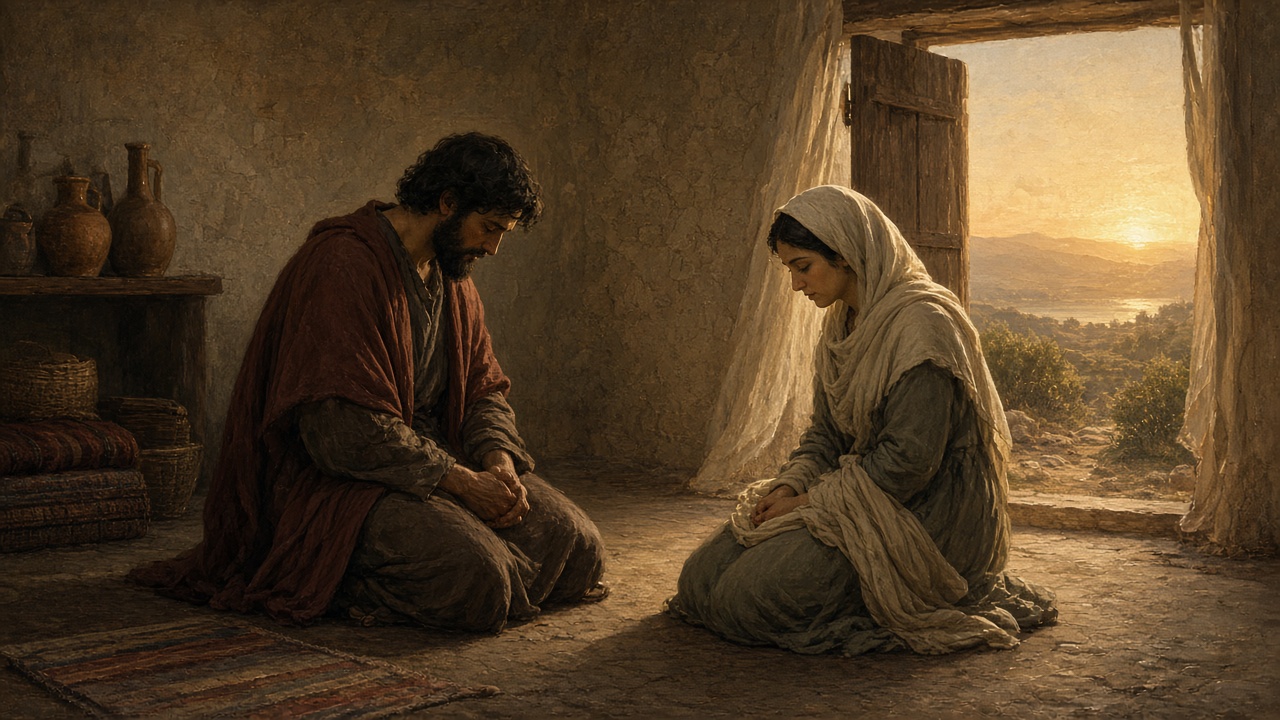
Você sabia?
Conselhos sobre o casamento e a crise presente
- O capítulo começa como resposta a assuntos sobre os quais os leitores haviam escrito. O autor diz que é bom abster-se das relações sexuais, mas, porque há tanta imoralidade sexual, cada homem deve ter a própria esposa e cada mulher o próprio marido. Ele apresenta isso como uma concessão, não como uma ordem, e diz que cada pessoa tem o seu próprio dom da parte de Deus.Fontes: o próprio texto bíblico
- No casamento, o autor diz que a esposa não tem autoridade sobre o próprio corpo, mas o marido, e, do mesmo modo, o marido não tem autoridade sobre o próprio corpo, mas a esposa. Não devem privar-se um do outro, exceto por mútuo consentimento e por um tempo, para se dedicarem à oração, e depois voltar a unir-se, para que Satanás não os tente por falta de domínio próprio. O dicionário bíblico de Easton (1897) apresenta o nome Satanás como “adversário” ou “acusador” e observa que ele tentou Jesus no deserto.Fontes: o próprio texto bíblico · Satan
- O autor distingue um mandamento que atribui ao Senhor — a esposa não deve separar-se do marido, e o marido não deve divorciar-se da esposa — do seu próprio juízo, nos casos em que diz que fala ele, e não o Senhor, inclusive casamentos com uma pessoa incrédula e questões sobre virgens. Por causa do que chama de crise presente, e porque diz que o tempo é curto e que este mundo, na sua forma atual, está passando, ele acha bom permanecer como se está. Acrescenta que casar não é pecar, embora os que casam enfrentem dificuldades nesta vida.Fontes: o próprio texto bíblico
Notas escritas com auxílio de IA a partir de fontes abertas (Theographic Bible Metadata, CC BY-SA 4.0; Easton’s Bible Dictionary, domínio público) e revisadas antes de publicar.
Créditos e licença desta tradução
Abware̱se̱ŋ Wo̱re̱-ɔ
New Testament in Chumburung (GH:ncu:Chumburung)
copyright © 2010 Wycliffe Bible Translators, Inc.
Language: Chumburung
Translation by: Wycliffe Bible Translators, Inc.
Copyright Information
© 2010, Wycliffe Bible Translators, Inc. All rights reserved.
This translation text is made available to you under the
terms of the Creative Commons License: Attribution-Noncommercial-No Derivative Works.
( http://creativecommons.org/licenses/by-nc-nd/3.0/ )
In addition, you have permission to port the text to different file formats, as long as you
do not change any of the text or punctuation of the Bible.
You may share, copy, distribute, transmit, and extract portions
or quotations from this work, provided that you include the above copyright
information:
You must give Attribution to the work.
You do not sell this work for a profit.
You do not make any derivative works that change any of the actual words or punctuation of the Scriptures.
Permissions beyond the scope of this license may be
available if you contact
us with your request.
The New Testament
in Chumburung
© 2010, Wycliffe Bible Translators, Inc. All rights reserved.
This translation is made available to you under the terms of the
Creative Commons Attribution-Noncommercial-No Derivatives license 4.0.
You may share and redistribute this Bible translation or extracts from it in any format, provided that:
You include the above copyright and source information.
You do not sell this work for a profit.
You do not change any of the words or punctuation of the Scriptures.
Pictures included with Scriptures and other documents on this site are licensed just for use with those Scriptures and documents.
For other uses, please contact the respective copyright owners.
2025-05-16
Fonte: http://ebible.org/ncuNT/ · eBible.org