Mateus 8
Ibibemuwe-Num Iyiki Ifa Ru Dũya · Toque num versículo para ver as referências cruzadas.
Uner ingbim
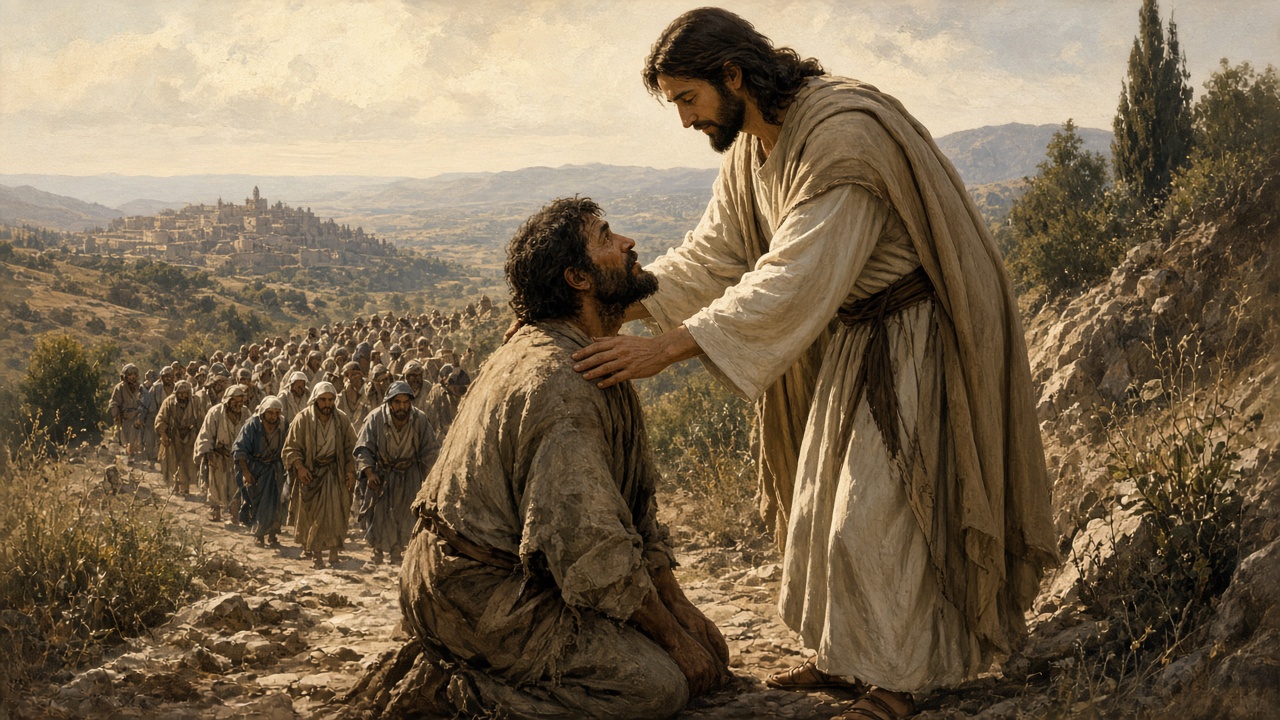
1Ivangyɛ Uyesu aka acipuwa ri igũ hã, anera arhɛrhɛ aka adɔsa unga. 2Uner ingbim uwɔɔ aba atararhu ra anangnga na agɔr agɛ, <<A uteiya, ungo uba ubemungo, ungo udɛ̃ɛ̃ usarango umum.>>
3Uyesu aberu uboknga abanga unga na agɛ, <<Umum ĩbeemum, usar!>> Kanying ingbimnga ikerhungge. 4Mɔcɛ Uyesu agɔr unga agɛ, <<Niba udɛyikɔ unera. Bɔr uzĩ, udɛyiwe itsingo ru uwuku udzowe idɛm-Num, nu udzowe izũwã ru nyaki Íkpem Umusa iki itsu. Ngge iwe ideka ru umbɔ ugɛ ungo uku ukerhungo.>>
Imangmang unggbaashi // abi iwa Uroma
5Ivangyɛ Uyesu aka atsĩ ru Ukafanahum, uteiya abi iwa Uroma uwɔɔ aba ashɔ̃rhũ Uyesu ama ayike unga. 6Agɛ, <<A uteiya, ugãrhãmum ashai iyor awe ri iya, anu igũ ighong akarhãrhã.>>
7Uyesu agɔr unga agɛ, <<Umum iwuri iba ikerhukũ unga.>>
8Unggbaashi abi iwa Uroma ha agɔr agɛ, <<A uteiya, umum isi imɛ̃ɛ̃mum ungo iki iba ri iyamum. Bɔr urherhu urhɛm ukpekũ, ugãrhãmum hã awuri ikerhunga. 9Umum iwe ru ubok ijee, abi iwa abɔɔ awu ru ubokmum. Igɔr uwɛrɛ inggɛ, <Uzĩ,> unga azĩã, nu uwɔrɔ inggɛ, <Uba,> unga abanga. Umum iba igɔr ugãrhãmum inggɛ, <Ukorhe riminɛ,> unga akorhe.>>
10Ivangyɛ Uyesu aka agũ rimi, unga adzeidzeu na agɔr abika adɔsa unga agɛ, <<Umum indɛyiwa umbi idzidzɛrhe, ru Uisrairha kishoo umum inasi ikpomum uwuku uwe ru imangmang ikerketangge ru nyaki iyɛrɛ ha. 11Umum igɔr umbi ugɛ anera arhɛrhɛ awuri idzeki igɔ̃kpee nu udiku urhɛɛ, aba asei nggu Uibrahim, Uishaku nu Uyakubu agha irhowa ri Iyɛrhe afã. 12Bɔr awuri itare irhɛ abi Uisrairha ra awiya ru uzĩ, anangkɛ umbɔ aka iciu akpe nggu itãi anyĩ.>>
13Mɔcɛ Uyesu agɔr uteiya abi iwa Uroma hã agɛ, <<Uzĩ! Iwuri ikorhungge ru nyaka ungo uku uwe ru imangmango.>> Kanying ugãrhãnga akerhunga ri ivang hã.
Uyesu akerhuwe anera arhɛrhɛ
14Ivangyɛ Uyesu aka atsĩ ri iya Ubitru, unga anyã uya utsɛrha Ubitru anu nu ukoma iyora imani. 15Unga abangu uboknga imani iyor ha inekungge unga. Uya ha asok akorhuwe unga ubingha.
16Urhɛɛ uku uwe, umbɔ akũ anera arhɛrhɛ abika awe ru ípfu iyiki ibewe aba ru unga. Unga akũ irhɛm awayiwe ngge na akerhuwe abi irhãrhã kishoo. 17Akorha akɛrɛ ngge itsuifɛr ubinkpi umbɔ aka arherhe ra angwĩ uner uwuku usɔm Arherhu-Num Uishaya agɛ,
<<Unga nyanguwe irhãrhãmɛn,
unga akerhuwe ighongamɛn.>>
Ayetnum akika adɔsu Uyesu
18Ivangyɛ Uyesu aka anyã nggaa ikikɔng anera iki idzipa unga, unga atsu umbɔ agar ukau ha azĩ ugar ukpɔrɔ. 19Mɔcɛ uner uwuku umesuwe Ikpem aba agɔr unga agɛ, <<A umarhem, umum idɔsa ungo izĩ ubɛn anang ungo iki izĩ.>>
20Uyesu adzipa agɔr unga agɛ, <<Íjui ngbako iyiki ici iwengge ri ingwĩngge, anunu ikɛi aweke ra ashiyake, bɔr Ungwɛ̃-Ner ashia ra anangkɛ unga aka itsu itsinga.>>
21Ungwɛ̃ imesa uwɔɔ agɔr unga agɛ, <<A uteiya, uneka umum inggbaashia izĩ ĩdzake utɛmum.>>
22Bɔr Uyesu agɔr unga agɛ, <<Udɔsa umum, uneke abika akpe adzake abika akpembɔ.>> Ijui ngbako iyiki ici nggu angwɛ̃ngge|alt="Fox with babies in foxhole/den" src="bk00051b.tif" size="col" loc="8.22" copy="Louise Bass and Horace Knowles" ref="8.20"
Uyesu adɔɔte ugba inai
23Mɔcɛ unga atsĩ ukhukhɔɔ amɛ̃, angwɛ̃ imesanga adɔsa unga. 24Kanying ugba ukerketakpɔ usoyi ru ukau amɛ̃ hã, amɛ̃ asoyi atsĩrhã ru ukhukhɔɔ ha. Bɔr Uyesu awu ru urhɔ. 25Angwɛ̃ imesa azĩ azita unga, agɔr agɛ, <<A uteiya, ufɔrha umɛn! Umɛn iki iwuri itsĩmmɛn!>>
26Unga agɔr umbɔ agɛ, <<Umbi abi imangmang iyiki ici, awu use utsu umbi agũ iwei rimi?>> Mɔcɛ unga asok atsɛrhu ugba nu ubvun ukau ha. Ukpɔ kishoo udɔɔr uku utata.
27Anera adzeidzeu na arhusa agɛ, <<Awu ikpũ uner uwukusong nuwi? Ugba nu ubvun ukau ikɛi agũna unga!>>
Ikikerhuwe inera ivaa // abi ipfu iyiki ibewe
28Ivangyɛ unga aka atsĩ ugar ukpɔrɔ ra abĩ abi Ugadara, inera ivaa abi ipfu iyiki ibewe aka adzek ra anang adzak anera agbopa unga. Umbɔ awu ubin iwei akarhãrhã, ngge itsu anera asi idɛ̃ɛ̃ adɔsumbɔ utsĩndĩ hã. 29Umbɔ atsu ivum agɛ, <<A Ungwɛ̃ Unum, ungo uba itser use ru umɛn? Ungo uba idzaa umɛn uver ri ivanga idɔrhi iwe?>>
30Ukhapa ru umbɔ, ukpui arhede arhɛrhɛ udɛ̃ɛ̃ ughãwã. 31Ípfu iyiki ibewa ha ishɔ̃rhũ Uyesu igɛ, <<Ungo uba uwayikɔ umɛn, utsu umɛn itsĩ ru ukpui arhede ukpɔrɔ.>>
32Mɔcɛ unga agɔr ngge agɛ, <<Àka azĩ!>> Ngge idze izĩ ru ukpui arhede ha, ake asok atĩ acipa nu ughoghor abang ukau ha agba atsĩ ra amɛ̃ akpeke. 33Abi ughãwã arhede ha atĩ atsĩ ru utepa adzowe isarhe ha kishoo, nu ubinkpi uku ukorhe ra abi ipfu iyiki ibewa ha. 34Mɔcɛ kishoo anera ru utepa adzek agbangu Uyesu. Ivangyɛ umbɔ aka anyã unga, umbɔ ashɔ̃rhã unga ama asoka ra abĩmbɔ.
Você sabia?
Curas, fé e o mar
- Cafarnaum, cidade em que Jesus entra neste capítulo, era uma cidade da Galileia que não aparece no Antigo Testamento. O Easton's Bible Dictionary (1897) diz que ela se tornou a “sua própria cidade” depois que ele deixou Nazaré, e inclui o pedido do centurião e a cura na casa de Pedro entre os acontecimentos ali situados.Fontes: Capernaum · o próprio texto bíblico
- Jesus diz que muitos virão do oriente e do ocidente para participar do banquete com Abraão, Isaque e Jacó no reino dos céus. O Easton's Bible Dictionary (1897) apresenta Abraão como filho de Terá e herdeiro das promessas, Isaque como o único filho de Abraão com Sara, e Jacó — também chamado Israel — como o filho gêmeo mais novo de Isaque e Rebeca.Fontes: o próprio texto bíblico · Abraham · Isaac · Jacob (Israel)
- Mateus apresenta as curas daquela noite como cumprimento do que foi dito por meio do profeta Isaías: “Ele tomou as nossas enfermidades e carregou as nossas doenças.” O Easton's Bible Dictionary (1897) identifica Isaías como filho de Amoz, que profetizou nos reinados de Uzias, Jotão, Acaz e Ezequias.Fontes: o próprio texto bíblico · Isaiah
Notas escritas com auxílio de IA a partir de fontes abertas (Theographic Bible Metadata, CC BY-SA 4.0; Easton’s Bible Dictionary, domínio público) e revisadas antes de publicar.
Lugares deste capítulo
- Gadara · Hoje: Umm Qais · 32.656, 35.679 · versículo 28
Só aparecem lugares com identificação de alta confiança (90% ou mais segundo as fontes acadêmicas reunidas pelo OpenBible). Mapa da época: DARE (Digital Atlas of the Roman Empire), CC BY 4.0; mapa atual: © colaboradores do OpenStreetMap; lugares: OpenBible.info (CC BY 4.0).
Créditos e licença desta tradução
Ibibemuwe-Num Iyiki Ifa Ru Dũya
Duya: Ibibemuwe-Num Iyiki Ifa Ru Dũya (New Testament)
copyright © 2024 Wycliffe Bible Translators, Inc.
Language: (Duya)
Translation by: Dũya Development Association
Contributor: SIL Nigeria
This translation is made available to you under the terms of the
Creative Commons Attribution Share-Alike license 4.0.
You have permission to share and redistribute this Bible translation in any format and to make reasonable revisions and adaptations of this translation, provided that:
You include the above copyright and source information.
If you make any changes to the text, you must indicate that you did so in a way that makes it clear that the original licensor is not necessarily endorsing your changes.
If you redistribute this text, you must distribute your contributions under the same license as the original.
Pictures included with Scriptures and other documents on this site are licensed just for use with those Scriptures and documents.
For other uses, please contact the respective copyright owners.
Note that in addition to the rules above, revising and adapting God's Word involves a great responsibility to be true to God's Word. See Revelation 22:18-19.
2025-05-08
Fonte: http://ebible.org/ldb/ · eBible.org