1 Tessalonicenses 4
Ibibemuwe-Num Iyiki Ifa Ru Dũya · Toque num versículo para ver as referências cruzadas.
Isei isei iyiriyɛ Unum aka abema
1Ri imimasha, umbi angwɛ̃mɛn nu anapumɛn, umɛn imesuwa umbi isei isei iyi ibibemu Unum, ru nyaka umbi aka asei. Icɛrɛ umɛn irhusa ni itsu umbi ri itsok Uteijee Uyesu àka atoma asei rimi hã. 2Ubinkutsu umbi ahwɛngmbi ubinkpi umɛn iki itsuka umbi ri ijee iyi Uteijee Uyesu.
3Awu ibibemu Unum umbi asei asasar, na niba akorhumbi kishoo itser itoma-dak. 4Ubɛn unera ru umbi amesi ikpɔm iyornga ru utsĩndĩ isisar nu imor, 5isi iwengge iyi ikponi iyor iyiriyɛ atsen abi Uyahuda aka asi ihwɛngmbɔ Unum. 6Ikɛi ra arherhe itoma-dak ha unera niba agbaa avau ru ungwɛ̃mbɔ use unga akpo utsĩndĩ adakuwe amɛn ungwɛ̃mbɔ. Uteijee awuri itsuka ufai ra anera ru ikpũ arhim akɛrɛ kishoo, ru nyaka umɛn iki isɔma umbi ni igbiita atombi. 7Ubinkutsu, Unum asi iyisunga umɛn isisei iyiki ida isisar, bɔr umɛn ibɛk ri isisar. 8Nggee, unga uwuku ukpɛ̃ imesa iyɛrɛ asi ikpɛ̃ɛ̃ unera, bɔr akpɛ̃ Unum, uwuku udzisa umbi Ipfunga Isarsatangge.
9Umɛn isi íbvui itsɛngamɛn umbi arherhe ibema angwɛ̃mbi, umbi nibikambi Unum aka amesuwanga umbi ibema adɔka. 10Idzidzɛrhe, umbi aka isaka abemumbi abika adɔsa kishoo ra abĩ Umakidoniya. Rimi hã umɛn ifituwa umbi angwɛ̃mɛn nu anapumɛn, àka atoma akorhe rimi hã ikɛi.
11Àka anyanga ngge iwu ubinkpi umbi aka abee, ri isei isei uku ughwɔɔw ri ibibɛkmbi, aka atsu amɛn ri itsermbi ukpekũ na akũ abokmbi atɔ̃ itser, ru nyaka umɛn iki isɔma umbi. 12Mɔcɛ inum ibibɛkmbi iwuri ikũ abirabɛ aka asi ihwɛngmbɔ Unum adzaa umbi imor, ngge itsú umbi aneke itsorha atsimbi ra ayor anera.
Ibiba Uteijee
13Umbi angwɛ̃mɛn nu anapumɛn, umɛn isi ibeemɛn umbi awe abika ada ihwɛng ubin ri itsi abɔrɔ aka awu ru urhɔ akpe, use umbi agũ ighong ru nyaka aner abɔɔ, abika ashimbɔ ri ifosa. 14Umɛn iwemɛn ri imangmang ugɛ Uyesu akpe na asoka ikɛi, nggee umɛn iwemɛn ri imangmang ugɛ Unum awuri ikũ abika adɔsa ha aka akpe aba nggu Uyesu. 15Ru nyaka Arherhu Uteijee, umɛn idɛyiwa umbi ugɛ umɛn iki ibɛk icɛrɛ, umɛn ibɛk utsɛku ibiba Uteijee, umɛn isi ínggbaashia isomɛn ra abirabɛ aka awu ru urhɔ. 16Ubinkutsu Uteijee nibikanga awuri idzeka afã acipuwa, nggu uyisa ijee utsotsorakpɔ, nggu urhɛm unggbaashi ípfu itser-Num nu irhak utsom ukpu Unum, abika akpe ru Ukiristo awuri igbaashia asok. 17Aki ha aba amaake, umɛn abi urhɛ awuri ishupa umɛn nggu umbɔ ra amɛɛ ru umɛn ikpo Uteijee ra afafã. Nu umɛn iwuri iwe nggu Uteijee ugbagbaa. 18Nggee àka afituwe adɔka nggu irhɛm iyɛrɛ ha.
Você sabia?
Santidade, amor e esperança pelos que morreram
- Este capítulo observa que seus leitores já demonstravam amor a todos os irmãos por toda a Macedônia. Nos tempos do Novo Testamento, a Macedônia era uma província romana situada ao norte da Grécia, governada por um propretor com o título de procônsul. Paulo foi chamado por uma visão do "homem da Macedônia" para pregar o evangelho ali.Fontes: o próprio texto bíblico · Macedonia
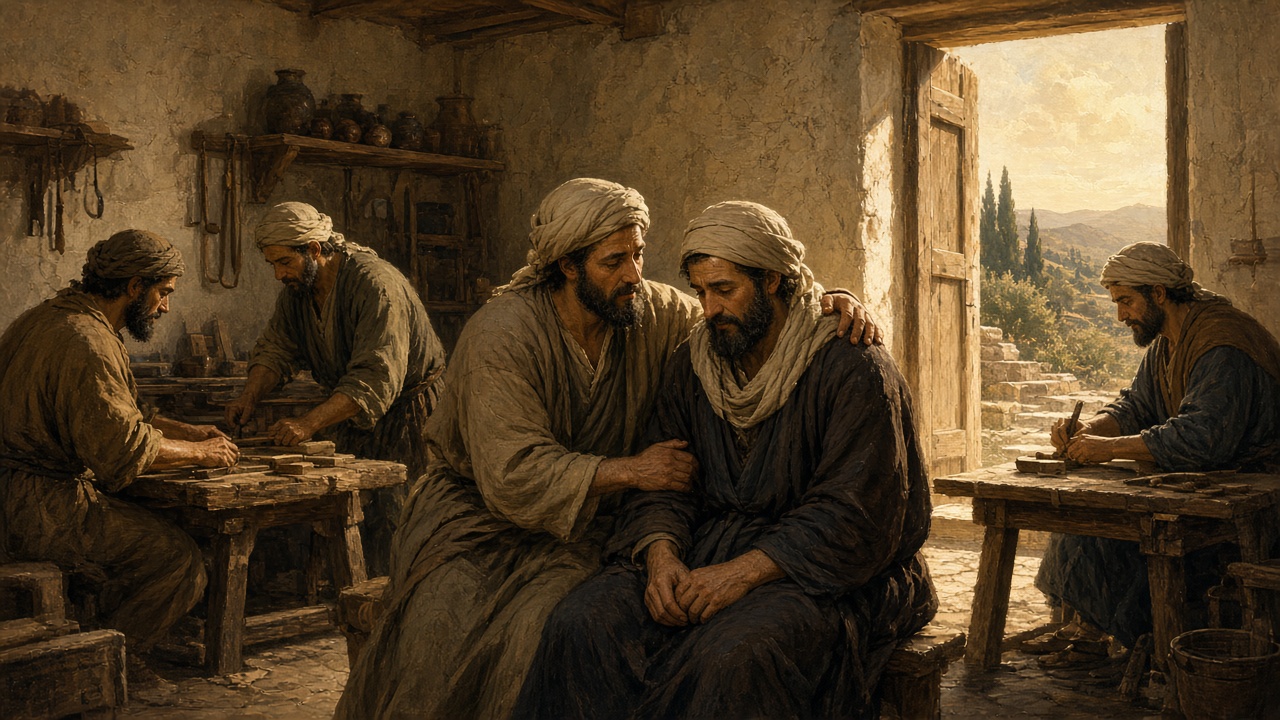
- O capítulo fala dos mortos como pessoas que dormem ou adormeceram, e pede aos leitores que não se entristeçam como os demais, que não têm esperança. Porque Jesus morreu e ressuscitou, diz o texto, Deus trará com Jesus os que nele adormeceram; os mortos em Cristo ressuscitarão primeiro, e então os que ainda estiverem vivos serão arrebatados com eles nas nuvens para encontrar o Senhor nos ares.Fontes: o próprio texto bíblico
- Os leitores são exortados a aspirar a uma vida tranquila, a cuidar dos próprios assuntos e a trabalhar com as próprias mãos, como já lhes havia sido instruído. O capítulo apresenta isso como o modo de se portar corretamente diante dos de fora e de não depender de ninguém.Fontes: o próprio texto bíblico
Notas escritas com auxílio de IA a partir de fontes abertas (Theographic Bible Metadata, CC BY-SA 4.0; Easton’s Bible Dictionary, domínio público) e revisadas antes de publicar.
Lugares deste capítulo
- Macedonia · 41.600, 22.540 · versículo 10
Só aparecem lugares com identificação de alta confiança (90% ou mais segundo as fontes acadêmicas reunidas pelo OpenBible). Mapa da época: DARE (Digital Atlas of the Roman Empire), CC BY 4.0; mapa atual: © colaboradores do OpenStreetMap; lugares: OpenBible.info (CC BY 4.0).
Créditos e licença desta tradução
Ibibemuwe-Num Iyiki Ifa Ru Dũya
Duya: Ibibemuwe-Num Iyiki Ifa Ru Dũya (New Testament)
copyright © 2024 Wycliffe Bible Translators, Inc.
Language: (Duya)
Translation by: Dũya Development Association
Contributor: SIL Nigeria
This translation is made available to you under the terms of the
Creative Commons Attribution Share-Alike license 4.0.
You have permission to share and redistribute this Bible translation in any format and to make reasonable revisions and adaptations of this translation, provided that:
You include the above copyright and source information.
If you make any changes to the text, you must indicate that you did so in a way that makes it clear that the original licensor is not necessarily endorsing your changes.
If you redistribute this text, you must distribute your contributions under the same license as the original.
Pictures included with Scriptures and other documents on this site are licensed just for use with those Scriptures and documents.
For other uses, please contact the respective copyright owners.
Note that in addition to the rules above, revising and adapting God's Word involves a great responsibility to be true to God's Word. See Revelation 22:18-19.
2025-05-08
Fonte: http://ebible.org/ldb/ · eBible.org