Mateus 13
Biblica® Kiugo Gĩtheru Kĩa Ngai Kĩhingũre · Toque num versículo para ver as referências cruzadas.
Ngerekano ya Mũhuri wa Mbeũ
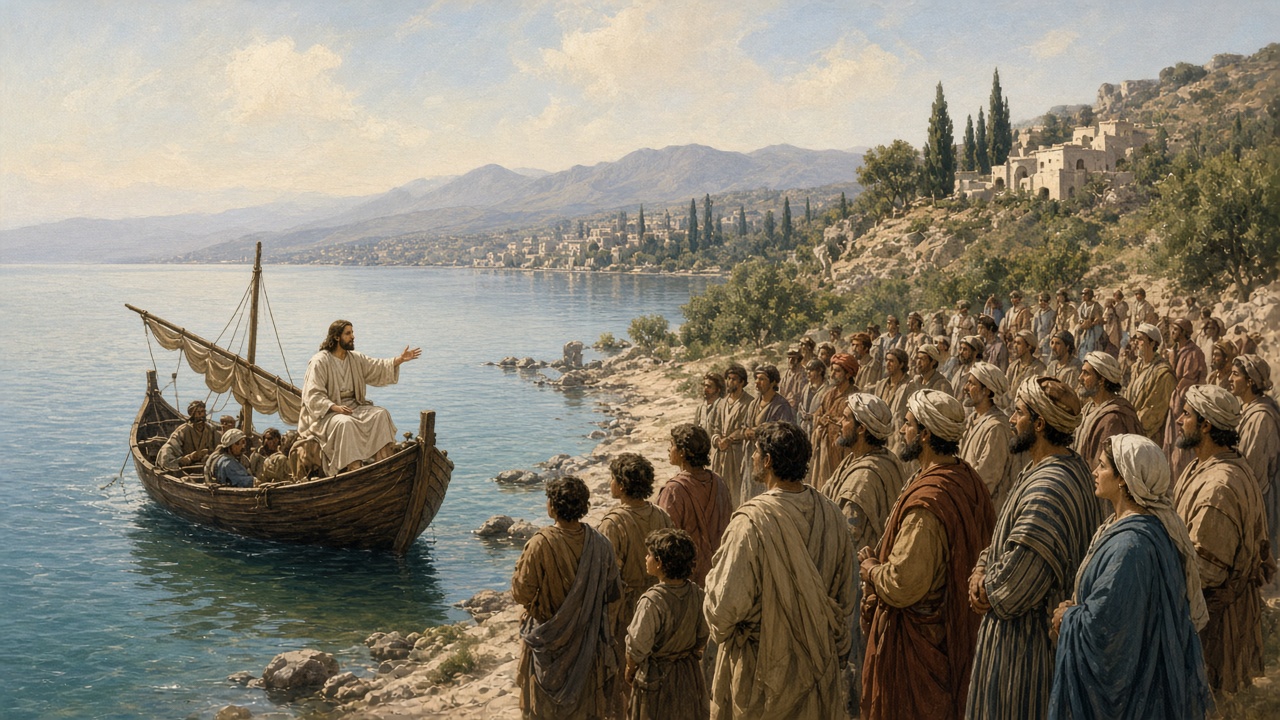
1Mũthenya o ro ũcio-rĩ, Jesũ nĩoimire nyũmba agĩthiĩ agĩikara thĩ hũgũrũrũ-inĩ cia iria. 2Ikundi cia andũ aingĩ mũno ikĩũngana harĩa aarĩ nginya ĩgĩtũma atoonye gatarũ na agĩikara thĩ thĩinĩ wayo, nao andũ acio othe makĩrũgama hũgũrũrũ-inĩ cia iria. 3Nake akĩmaruta maũndũ maingĩ na ngerekano, akĩmeera atĩrĩ: “Mũrĩmi nĩoimagarire akahure mbeũ ciake. 4Na rĩrĩa aahuraga mbeũ icio-rĩ, imwe ikĩgũa mũkĩra-inĩ wa njĩra, nacio nyoni igĩũka ĩgĩcirĩa. 5Ingĩ ikĩgũa rũnyanjara-inĩ kũrĩa gũtaarĩ na tĩĩri mũingĩ. Nacio ikĩmera o narua tondũ tĩĩri ndwarĩ mũriku. 6Na hĩndĩ ĩrĩa riũa rĩarire, rĩgĩcina mĩmera ĩyo, nayo ĩkĩũma tondũ ndĩarĩ na mĩri. 7Na mbeũ ingĩ ikĩgũa mĩigua-inĩ, nayo mĩigua ĩgĩkũra, ĩgĩthararia mbeũ icio rĩrĩa ciamerire. 8Ingĩ nacio ikĩgũa tĩĩri-inĩ ũrĩa mũnoru, ikĩgĩa na maciaro imwe ĩgĩciara maita igana, iria ingĩ igĩciara maita mĩrongo ĩtandatũ, na iria ingĩ igĩciara maita mĩrongo ĩtatũ ma iria ciahaandirwo. 9Ũrĩa ũrĩ na matũ ma kũigua, nĩaigue.”
10Nao arutwo ake magĩũka kũrĩ we, makĩmũũria atĩrĩ, “Waragĩria andũ na ngerekano nĩkĩ?”
11Nake akĩmacookeria atĩrĩ, “Inyuĩ nĩmũheetwo ũmenyo wa kũmenya hitho cia ũthamaki wa igũrũ, no-o matiheetwo. 12Ũrĩa wothe ũrĩ na indo nĩakoongererwo nyingĩ aingĩhie makĩria. Nake ũrĩa wothe ũtarĩ, nĩagatuunywo o na kĩrĩa arĩ nakĩo. 13Gĩkĩ nĩkĩo gĩtũmaga ndĩmaarĩrie na ngerekano:
“Nĩ ũndũ o na gũkorwo nĩmoonaga-rĩ, mationaga;
o na gũkorwo nĩmaiguaga-rĩ, matiiguaga kana makamenya.
14Nĩo makinyĩirwo nĩ ũhoro ũrĩa warathirwo nĩ mũnabii Isaia, rĩrĩa oigire atĩrĩ:
“ ‘Kũigua mũgũtũũra mũiguaga, no mũtikaamenya ũndũ;
kuona mũgũtũũra muonaga, no mũtigakuũkĩrwo.
15“ ‘Nĩgũkorwo ngoro cia andũ aya nĩ ngingitaru;
matũ mao matiiguaga,
na nĩmahingĩte maitho mao.
Tondũ maahota kuona na maitho mao,
na maigue na matũ mao,
o na ngoro ciao igĩe na ũmenyo,
manjookerere, na niĩ ndĩmahonie.’
16No kũrathimwo nĩ maitho manyu tondũ nĩmoonaga, na matũ manyu tondũ nĩmaiguaga. 17Tondũ ngũmwĩra atĩrĩ na ma, anabii na andũ aingĩ athingu nĩmerirĩirie kuona maũndũ marĩa mũrona no-o matiamonire, na nĩmerirĩirie kũigua maũndũ marĩa mũraigua no matiamaiguire.
18“Nĩ ũndũ ũcio, ta iguai ngĩtaarĩria ũhoro wa ngerekano ĩyo ya mũhuri wa mbeũ: 19Hĩndĩ ĩrĩa mũndũ o wothe aigua ndũmĩrĩri ya ũthamaki na akaaga kũmĩmenya-rĩ, hĩndĩ ĩyo ũrĩa mũũru okaga akamũtunya kĩrĩa kĩhaande ngoro-inĩ yake. Ĩno nĩyo mbeũ ĩrĩa yahurirwo mũkĩra-inĩ wa njĩra. 20Ũrĩa wamũkĩrire mbeũ ĩrĩa yagũire rũnyanjara-inĩ nĩ mũndũ ũrĩa ũiguaga kiugo, na o rĩmwe agakĩamũkĩra arĩ na gĩkeno. 21No tondũ ndarĩ mĩri-rĩ, aikaraga o kahinda kanini. Hĩndĩ ĩrĩa thĩĩna woka, kana kwagĩa na kĩnyariirano nĩ ũndũ wa kiugo-rĩ, agagĩtiganĩria o narua. 22Nake ũrĩa wamũkagĩra mbeũ ĩrĩa yagũire mĩigua-inĩ-rĩ, nĩ mũndũ ũrĩa ũiguaga kiugo, no mĩhangʼo ya mũtũũrĩre ũyũ, na kũheenererio nĩ ũtonga, igagĩthararia, ikagiria kĩgĩe na maciaro. 23No ũrĩa wamũkĩrire mbeũ ĩrĩa yagũire tĩĩri-inĩ ũrĩa mũnoru-rĩ, nĩ mũndũ ũrĩa ũiguaga kiugo, na agakĩmenya. Nake agaciara maciaro, ũmwe akaruta maita igana, ũngĩ maita mĩrongo ĩtandatũ, na ũngĩ maita mĩrongo ĩtatũ ma mbeũ ĩrĩa yahaandĩtwo.”
Ngerekano ya Riya
24Ningĩ Jesũ akĩmahe ngerekano ĩngĩ, akĩmeera atĩrĩ: “Ũthamaki wa igũrũ ũhaana ta mũndũ ũrĩa wahaandire mbeũ njega mũgũnda wake. 25No rĩrĩa andũ othe maakomete-rĩ, thũ yake ĩgĩũka, ĩkĩhura itindiĩ thĩinĩ wa ngano, na ĩgĩĩthiĩra. 26Hĩndĩ ĩrĩa ngano yamerire na igĩciara-rĩ, hĩndĩ ĩyo itindiĩ o narĩo rĩkĩonekana.
27“Ndungata cia mwene mũgũnda igĩũka kũrĩ we, ikĩmwĩra atĩrĩ, ‘Mwathi witũ, githĩ ndwahaandire mbeũ njega mũgũnda waku? Kaĩ itindiĩ rĩkiumĩte kũ?’
28“Agĩcookia atĩrĩ, ‘Nĩ mũndũ ũrĩ ũthũ na niĩ wekire ũguo.’
“Ndungata icio ikĩmũũria atĩrĩ, ‘Nĩũkwenda tũthiĩ, tũkarĩmunye?’
29“Nake agĩcookia atĩrĩ, ‘Aca, tondũ mũkĩmunya itindiĩ rĩu, mwahota kũrĩmunyanĩria na ngano. 30Rekei ikũranĩre nginya hĩndĩ ya magetha. Hĩndĩ ĩyo-rĩ, nĩngeera agethi atĩrĩ: Ambai mũmunye itindiĩ na mũrĩohe itĩĩa, nĩguo rĩcinwo; mũcooke mũcookanĩrĩrie ngano, mũmĩige ikũmbĩ rĩakwa.’ ”
Ngerekano ya Mbeũ ya Karatarĩ, na ya Ndawa ya Kũimbia Mĩgate
31Nĩamaheire ngerekano ĩngĩ, akĩmeera atĩrĩ: “Ũthamaki wa igũrũ ũtariĩ ta mbeũ ya karatarĩ, ĩrĩa mũndũ oire akĩhaanda mũgũnda wake. 32O na akorwo mbeũ ĩyo nĩyo nini mũno kũrĩ mbeũ ciothe-rĩ, rĩrĩa yakũra, nĩĩnenehaga kũrĩ mĩmera ĩrĩa ĩngĩ ya mũgũnda na ĩgatuĩka mũtĩ, nacio nyoni cia rĩera-inĩ igooka igaaka itara honge-inĩ ciaguo.”
33Agĩcooka akĩmahe ngerekano o ĩngĩ, akĩmeera atĩrĩ: “Ũthamaki wa igũrũ ũhaana ta ndawa ya kũimbia mĩgate ĩrĩa mũndũ-wa-nja oire na akĩmĩtukania na mũtu mũingĩ o nginya mũtu ũcio wothe ũkĩimbio nĩyo.”
34Jesũ aaragĩria kĩrĩndĩ maũndũ macio mothe na ngerekano na ndaamaragĩria ũndũ o na ũmwe atekũhũthĩra ngerekano. 35Nĩguo ũhoro ũrĩa waaririo na kanua ka mũnabii ũhinge rĩrĩa oigire atĩrĩ:
“Ngaatumũra kanua gakwa njarie na ngerekano,
nĩngaaria maũndũ marĩa matũire marĩ mahithe kuuma rĩrĩa thĩ yombirwo.”
Gũtaarĩria Ngerekano ya Itindiĩ
36Hĩndĩ ĩyo agĩtiga kĩrĩndĩ, agĩtoonya nyũmba. Arutwo ake magĩũka kũrĩ we, makĩmwĩra atĩrĩ, “Tũtaarĩrie ngerekano ya itindiĩ rĩrĩa rĩarĩ thĩinĩ wa mũgũnda.”
37Nake akĩmacookeria atĩrĩ, “Ũrĩa wahaandire mbeũ njega nĩ Mũrũ wa Mũndũ. 38Mũgũnda nĩ thĩ, nayo mbeũ njega nĩcio ciana cia ũthamaki. Itindiĩ nĩ ciana cia ũrĩa mũũru, 39nayo thũ ĩrĩa ĩrĩhaandaga nĩ ũrĩa mũũru. Magetha nĩ ithirĩro rĩa mahinda maya, na agethi nĩ araika.
40“Nĩ ũndũ ũcio o ta ũrĩa itindiĩ rĩmunyagwo rĩgacinwo na mwaki-rĩ, ũguo noguo gũkahaana hĩndĩ ya ithirĩro rĩa mahinda maya. 41Mũrũ wa Mũndũ nĩagatũma araika ake, na nĩmakeheria maũndũ mothe marĩa marehaga mehia na andũ arĩa othe mekaga ũũru ũthamaki-inĩ wake. 42Nĩmakamaikia thĩinĩ wa icua rĩa mwaki, kũrĩa gũgaakorwo kĩrĩro na kũhagarania magego. 43Hĩndĩ ĩyo arĩa athingu magaakenga ta riũa thĩinĩ wa ũthamaki wa Ithe wao. Ũrĩa ũrĩ na matũ nĩ aigue.
Ngerekano ya Mũthiithũ Mũhithe, na Ruru
44“Ũthamaki wa igũrũ ũhaanaine na mũthiithũ wahithĩtwo mũgũnda. Na rĩrĩa mũndũ aawoonire, akĩũhitha rĩngĩ, na nĩ ũndũ wa ũrĩa akenete, agĩthiĩ akĩendia indo ciothe iria arĩ nacio akĩgũra mũgũnda ũcio.
45“Ningĩ ũthamaki wa igũrũ ũhaanaine na mwonjorithia wacaragia ruru njega. 46Hĩndĩ ĩrĩa oonire ĩmwe ya thogora mũnene-rĩ, agĩthiĩ akĩendia indo ciake ciothe iria aarĩ nacio, akĩmĩgũra.
Ngerekano ya Neti
47“O rĩngĩ, ũthamaki wa igũrũ ũhaanaine na neti ĩrĩa yaikirio iria-inĩ, nayo ĩgĩtega thamaki cia mĩthemba yothe. 48Hĩndĩ ĩrĩa yaiyũrire, ategi acio a thamaki makĩmĩguucia hũgũrũrũ-inĩ cia iria. Hĩndĩ ĩyo magĩikara thĩ, magĩthuura thamaki iria njega, magĩciĩkĩra ikabũ-inĩ, no iria njũru magĩcite. 49Ũguo nĩguo gũgaakorwo hĩndĩ ya ithirĩro rĩa mahinda maya. Araika nĩmagooka maamũranie arĩa aaganu kuuma kũrĩ arĩa athingu, 50na maikie arĩa aaganu icua-inĩ rĩa mwaki, kũrĩa gũgaakorwo na kĩrĩro na kũhagarania magego.”
51Jesũ akĩmooria atĩrĩ, “Nĩmwataũkĩrwo nĩ maũndũ macio mothe?”
Magĩcookia atĩrĩ, “Ĩĩ, nĩtwataũkĩrwo.”
52Akĩmeera atĩrĩ, “Nĩ ũndũ ũcio, mũrutani wa watho o wothe ũrĩa ũrutĩtwo ũhoro wa ũthamaki wa igũrũ-rĩ, ahaanaine na mwene nyũmba ũrĩa ũrutaga mũthiithũ-inĩ wake indo iria njerũ o na iria ngũrũ.”
Mũnabii ũtarĩ Mũtĩĩe
53Nake Jesũ aarĩkia kũheana ngerekano icio-rĩ, akiuma kũu. 54Aakinya itũũra rĩa kwao-rĩ, akĩambĩrĩria kũrutana thunagogi-inĩ ciao, nao makĩgega. Makĩũrania atĩrĩ, “Mũndũ ũyũ arutĩte kũ ũũgĩ ũyũ na ciĩko ici cia hinya? 55Githĩ ũyũ ti we mũrũ wa mũtharamara? Githĩ rĩĩtwa rĩa nyina ti Mariamu, na githĩ ariũ a nyina ti Jakubu, na Jusufu, na Simoni, na Juda? 56Na githĩ aarĩ a nyina othe tũtirĩ nao? Mũndũ ũyũ akĩrutĩte maũndũ maya mothe kũ?” 57Nao makĩmũrega.
No Jesũ akĩmeera atĩrĩ, “Kũndũ mũnabii ataheagwo gĩtĩĩo no itũũra-inĩ rĩake na gwake mũciĩ.” 58Nake ndaaringire ciama nyingĩ kũu, tondũ wa ũrĩa maagĩte gwĩtĩkia.
Você sabia?
Parábolas do Reino dos Céus
- No dia que este capítulo descreve, Jesus saiu de casa e sentou-se à beira do mar. A multidão ficou tão grande que ele entrou num barco e ensinou dali, enquanto o povo permanecia em pé na praia, e não lhes falou nada senão em parábolas. Uma cronologia data essas parábolas à beira-mar em 28 d.C.Fontes: o próprio texto bíblico · Seaside Parables and Miracle
- Quando os discípulos perguntaram por que ele falava ao povo em parábolas, Jesus respondeu que o conhecimento dos mistérios do reino dos céus lhes tinha sido dado, mas não às multidões. Disse que a profecia de Isaías se cumpria nas multidões: continuariam ouvindo e vendo, mas jamais entenderiam ou perceberiam, porque o coração delas se havia endurecido. O Easton’s Bible Dictionary (1897) descreve Isaías como filho de Amoz, que profetizou durante os reinados de Uzias, Jotão, Acaz e Ezequias.Fontes: o próprio texto bíblico · Isaiah
- Mais tarde, Jesus chegou à sua cidade natal, ensinou na sinagoga, e o povo se ofendeu com ele. Perguntaram se ele era o filho do carpinteiro, nomearam sua mãe Maria e seus irmãos Tiago, José, Simão e Judas, e observaram que suas irmãs viviam entre eles; por causa da incredulidade deles, ele não fez muitos milagres ali. Maria é identificada como esposa de José e mãe de Jesus, Simão como um dos irmãos do Senhor, e uma cronologia data essa segunda rejeição em Nazaré no ano 29 d.C.Fontes: o próprio texto bíblico · Mary (Mother of Jesus) · Simon · 2nd Rejection at Nazareth
Notas escritas com auxílio de IA a partir de fontes abertas (Theographic Bible Metadata, CC BY-SA 4.0; Easton’s Bible Dictionary, domínio público) e revisadas antes de publicar.
Lugares deste capítulo
- Nazareth · 32.702, 35.298 · versículo 54
Só aparecem lugares com identificação de alta confiança (90% ou mais segundo as fontes acadêmicas reunidas pelo OpenBible). Mapa da época: DARE (Digital Atlas of the Roman Empire), CC BY 4.0; mapa atual: © colaboradores do OpenStreetMap; lugares: OpenBible.info (CC BY 4.0).
Créditos e licença desta tradução
Biblica® Kiugo Gĩtheru Kĩa Ngai Kĩhingũre Gikuyu: Biblica® Kiugo Gĩtheru Kĩa Ngai Kĩhingũre (Bible) of Kenya copyright © 2013 Biblica, Inc. Language: Kikuyu (Gikuyu) Contributor: Biblica, Inc. Wĩra ũyũ ũheanĩtwo na ũndũ wa rũtha rwa biacara rwa Creative Commons Attribution-ShareAlike 4.0 International License (CC BY-SA). Ũngĩenda kuona kobĩ ya rũtha rũrũ rwa biacara, rora rũrenda-inĩ rwa: http://creativecommons.org/licenses/by-sa/4.0, kana ũtũme marũa kũrĩ: Creative Commons, PO Box 1866, Mountain View, CA 94042, USA. Biblica® nĩ mũhũri wa biacara wandĩkithĩtio nĩ Biblica, Inc., kũhũthĩra mũhũri wa biacara wa Biblica® kũbataraga marũa ma gwĩtĩkĩrio kuuma kũrĩ Biblica, Inc. Kuumana na rũtha rwa biacara rwa CC BY-SA, no ũkobie kana ũtambie wĩra ũyũ ũtarĩ mũgarũre, ĩndĩ ndũkagarũre rũri rwa biacara rwa Biblica®. Ũngĩgarũra kana ũkobie wĩra ũyũ, na tondũ wa ũguo ũtuĩke nĩ wĩra mwerũ uumanĩte na ũcio-rĩ, no nginya weheria mũhũri wa biacara wa Biblica®. Wĩra-inĩ ũcio mwerũ no nginya wonanie nĩ maũndũ marĩkũ ũgarũrĩte, na ũtarĩrie wĩra-inĩ ũcio ta ũũ: “Wĩra wa kĩhumo warĩ wa Biblica, Inc. na ũheanĩtwo tũhũ ng’enda-inĩ cia www.biblica.com na open.bible.” Kĩmenyitha kia Mwene-wĩra no nginya kĩandĩkwo iratathi rĩa kĩongo kĩa wĩra kana rĩa ũhoro wa Mwene-wĩra ta ũũ: Biblica® Kiugo Gĩtheru Kĩa Ngai Kĩhingũre™ Kĩmenyithia kĩa Mwene-wĩra © 2013 nĩ Biblica, Inc. Biblica® Open Kikuyu Holy Word of God™ Copyright © 2013 by Biblica, Inc. “Biblica” nĩ mũhũri wa biacara wandĩkithĩtio wabici-inĩ ya United States Patent and Trademark Office nĩ Biblica, Inc. Ũhũthĩrĩtwo na rũtha. “Biblica” is a trademark registered in the United States Patent and Trademark Office by Biblica, Inc. Used with permission. No nginya wĩtĩkĩrie wĩra ũcio mwerũ ũgarũrĩte ũheanwo na ũndũ wa rũtha rwa biacara rũu rwa CC BY-SA. Ũngĩenda kũmenyithia Biblica, Inc. ũhoro wĩgiĩ ũtaũri waku wa wĩra ũyũ-rĩ, twandĩkĩre rũrenda-inĩ rwa: https://open.bible/contact-us. This work is made available under the Creative Commons Attribution-ShareAlike 4.0 International License (CC BY-SA). To view a copy of this license, visit http://creativecommons.org/licenses/by-sa/4.0 or send a letter to Creative Commons, PO Box 1866, Mountain View, CA 94042, USA. Biblica® is a trademark registered by Biblica, Inc., and use of the Biblica® trademark requires the written permission of Biblica, Inc. Under the terms of the CC BY-SA license, you may copy and redistribute this unmodified work as long as you keep the Biblica® trademark intact. If you modify a copy or translate this work, thereby creating a derivative work, you must remove the Biblica® trademark. On the derivative work, you must indicate what changes you have made and attribute the work as follows: “The original work by Biblica, Inc. is available for free at www.biblica.com and open.bible.” Notice of copyright must appear on the title or copyright page of the work as follows: Biblica® Kiugo Gĩtheru Kĩa Ngai Kĩhingũre™ Kĩmenyithia kĩa Mwene-wĩra © 2013 nĩ Biblica, Inc. Biblica® Open Kikuyu Holy Word of God™ Copyright © 2013 by Biblica, Inc. “Biblica” nĩ mũhũri wa biacara wandĩkithĩtio wabici-inĩ ya United States Patent and Trademark Office nĩ Biblica, Inc. Ũhũthĩrĩtwo na rũtha. “Biblica” is a trademark registered in the United States Patent and Trademark Office by Biblica, Inc. Used with permission. You must also make your derivative work available under the same license (CC BY-SA). If you would like to notify Biblica, Inc. regarding your translation of this work, please contact us at https://open.bible/contact-us. This translation is made available to you under the terms of the Creative Commons Attribution Share-Alike license 4.0. You have permission to share and redistribute this Bible translation in any format and to make reasonable revisions and adaptations of this translation, provided that: You include the above copyright and source information. If you make any changes to the text, you must indicate that you did so in a way that makes it clear that the original licensor is not necessarily endorsing your changes. If you redistribute this text, you must distribute your contributions under the same license as the original. Pictures included with Scriptures and other documents on this site are licensed just for use with those Scriptures and documents. For other uses, please contact the respective copyright owners. Note that in addition to the rules above, revising and adapting God's Word involves a great responsibility to be true to God's Word. See Revelation 22:18-19. 2025-05-07
Fonte: http://ebible.org/kik/ · eBible.org