Jó 31
Biblica® Kiugo Gĩtheru Kĩa Ngai Kĩhingũre · Toque num versículo para ver as referências cruzadas.
1“Niĩ nĩtwarĩĩkanĩire na maitho makwa
ndikanarore mũirĩtu ndĩmwĩrirĩrie.
2Nĩ ũndũ-rĩ, kaĩ rũgai rwa mũndũ kuuma igũrũ kwa Ngai rũkĩrĩ kĩĩ?
Igai rĩake nĩ rĩrĩkũ kuuma kũrĩ ũcio Mwene-Hinya-Wothe ũrĩ igũrũ?
3Githĩ ti kwanangwo kwa arĩa aaganu,
na mũtino kũrĩ arĩa meekaga maũndũ mooru?
4Githĩ we ndonaga njĩra ciakwa,
na agatara o ikinya o ikinya rĩakwa?
5“Ingĩkorwo thiiaga na njĩra itarĩ cia ma-rĩ,
kana kũgũrũ gwakwa gũkahiũha thiĩ ngaheenanie-rĩ,
6Ngai nĩathime na ratiri cia kĩhooto,
nake nĩekũmenya atĩ niĩ ndirĩ ũcuuke;
7makinya makwa mangĩkorwo nĩmahũkĩte makoima njĩra-inĩ,
nayo ngoro yakwa ĩngĩkorwo nĩĩtongoretio nĩ maitho makwa,
kana moko makwa makorwo nĩmathaahĩtio-rĩ,
8hĩndĩ ĩyo kĩrĩa haandĩte kĩrorĩĩo nĩ andũ angĩ,
nacio irio cia mĩgũnda yakwa iromunywo.
9“Ngoro yakwa ĩngĩkorwo yanaheenererio nĩ mũndũ-wa-nja,
kana ngorwo ndanaceema mũrango-inĩ wa mũndũ wa itũũra,
10hĩndĩ ĩyo mũtumia wakwa arothĩa ngano ya mũndũ ũngĩ,
na arũme angĩ tiga niĩ marokoma nake.
11Nĩgũkorwo ũndũ ũcio nĩ ũmaramari wa thoni,
na nĩ rĩĩhia rĩa gũtuĩrwo ciira nĩ kĩama.
12Tondũ ũcio nĩ mwaki ũrĩa ũcinaga nginya ũkaananga;
na nĩũngĩamunyĩte magetha makwa mothe.
13“Ingĩkorwo nĩnyimĩte ndungata ciakwa cia arũme na cia andũ-a-nja kĩhooto
rĩrĩa manateta nĩ ũndũ wakwa-rĩ,
14niĩ ngeeka atĩa rĩrĩa Mũrungu akaanjũkĩrĩra?
Ngaacookia atĩa rĩrĩa ngeetwo ndĩĩtetere ũhoro-inĩ ũcio?
15Githĩ ũcio wanyũũmbire kũu nda ya maitũ to we wamoombire?
Githĩ tiwe watũthondekire tũrĩ kũu nda cia aa maitũ?
16“Ingĩkorwo ndanaima athĩĩni kĩrĩa maanerirĩria,
kana ngareka maitho ma mũtũmia wa ndigwa morwo nĩ hinya-rĩ,
17ingĩkorwo ndĩĩaga irio ciakwa nyiki,
ngaaga kũgayana na ũrĩa ũtarĩ ithe-rĩ,
18(no niĩ kuuma ũnini wakwa, mwana ta ũcio ndaamũreraga o ta ũrĩa angĩarerirwo nĩ ithe,
na kuuma gũciarwo gwakwa ndũire ndongoragia mũtumia wa ndigwa)
19ingĩkorwo ndanoona mũndũ agĩkua nĩ ũndũ wa kwaga nguo,
kana ngoona mũndũ mũbatari atarĩ kĩndũ gĩa kwĩhumba,
20na ngoro yake ndĩandathimire nĩ ũndũ wa kũmũiguithia ũrugarĩ
na guoya wa ngʼondu ciakwa-rĩ,
21ingĩkorwo ndanoya guoko gwakwa ngookĩrĩra mwana ũtarĩ ithe,
nĩkũmenya atĩ no nyone wa kũndeithia kwagĩa ciira igooti-inĩ-rĩ,
22hĩndĩ ĩyo guoko gwakwa kũroahũkĩra kĩande-inĩ kũgwe,
kũroinĩkĩra o irũngo-inĩ.
23Nĩ ũndũ nĩndetigagĩra mwanangĩko uumĩte kũrĩ Mũrungu,
na nĩ ũndũ wa gwĩtigĩra riiri wake, ndingĩekire maũndũ ta macio.
24“Ingĩkorwo nĩnjigĩte mwĩhoko wakwa harĩ thahabu,
kana ngeera thahabu ĩrĩa therie mũno atĩrĩ, ‘Wee nĩwe ũgitĩri wakwa,’
25ingĩkorwo ndanakenera ũtonga wakwa mũnene,
kana ngakenera uumithio ũrĩa moko makwa mecarĩirie-rĩ,
26ingĩkorwo ndanarũmbũiya riũa rĩarĩte,
kana mweri ũgĩthiĩ ũcangararĩte,
27na ngoro yakwa ĩkĩheenererio nĩcio na hitho,
kana guoko gwakwa gũgĩcikinyĩria kĩmumunyano gĩa gũcitĩĩa-rĩ,
28o na macio mangĩtuĩka mehia ma gũtuĩrwo ciira,
nĩgũkorwo ingĩtuĩkĩte mũndũ ũtarĩ mwĩhokeku harĩ Mũrungu ũrĩa ũrĩ igũrũ.
29“Ingĩkorwo ndaanakena nĩ thũ yakwa kuona mũtino,
kana ngĩmĩthekerera rĩrĩa thĩĩna wamĩkora,
30no niĩ ndirĩ ndetĩkĩra kanua gakwa keehie
na ũndũ wa kũhoera muoyo wayo kĩrumi,
31kũngĩkorwo andũ a nyũmba yakwa matirĩ moiga atĩrĩ,
‘Nũũ ũtarĩ warĩa nyama cia Ayubu akahũũna?’
32no gũtirĩ mũgeni wanaraara njĩra-inĩ,
nĩ ũndũ mũrango wa mũciĩ wakwa ũtũire ũhingũrĩirwo mũgendi,
33ingĩkorwo ndaanahitha mehia makwa, ta ũrĩa andũ meekaga,
na ũndũ wa kũhitha mahĩtia ngoro-inĩ yakwa
34tondũ wa gwĩtigĩra kĩrĩndĩ,
o na gwĩtigĩra kũmenwo nĩ mĩhĩrĩga
ngagĩkira ki na ndiume nja-rĩ,
35(“Naarĩ korwo ndaarĩ na mũndũ wa kũnjigua!
Rĩu nĩndekĩra rũũri rwa kwĩyarĩrĩria:
reke Mwene-Hinya-Wothe anjookerie ũhoro;
reke mũũthitangi andĩke marũa ma thitango yake.
36Ti-itherũ marũa macio ingĩmaigĩrĩra kĩande,
ndĩmehumbe taarĩ thũmbĩ.
37Njooke ndĩmũhe ũhoro wakwa ikinya gwa ikinya;
ndĩmũkuhĩrĩrie ta ndĩ mũnene.)
38“Korwo mũgũnda wakwa wakaya, ũnjũkĩrĩre,
nayo mĩtaro yaguo yothe ĩkorwo ĩkĩrĩra maithori,
39ingĩkorwo ndanarĩa maciaro maguo iteekũrĩha,
kana ngoraga ngoro cia ene guo-rĩ,
40hĩndĩ ĩyo congʼe ũrokũra kuo handũ ha ngano,
na riya handũ ha cairi.”
Ndeto cia Ayubu nĩciathira.
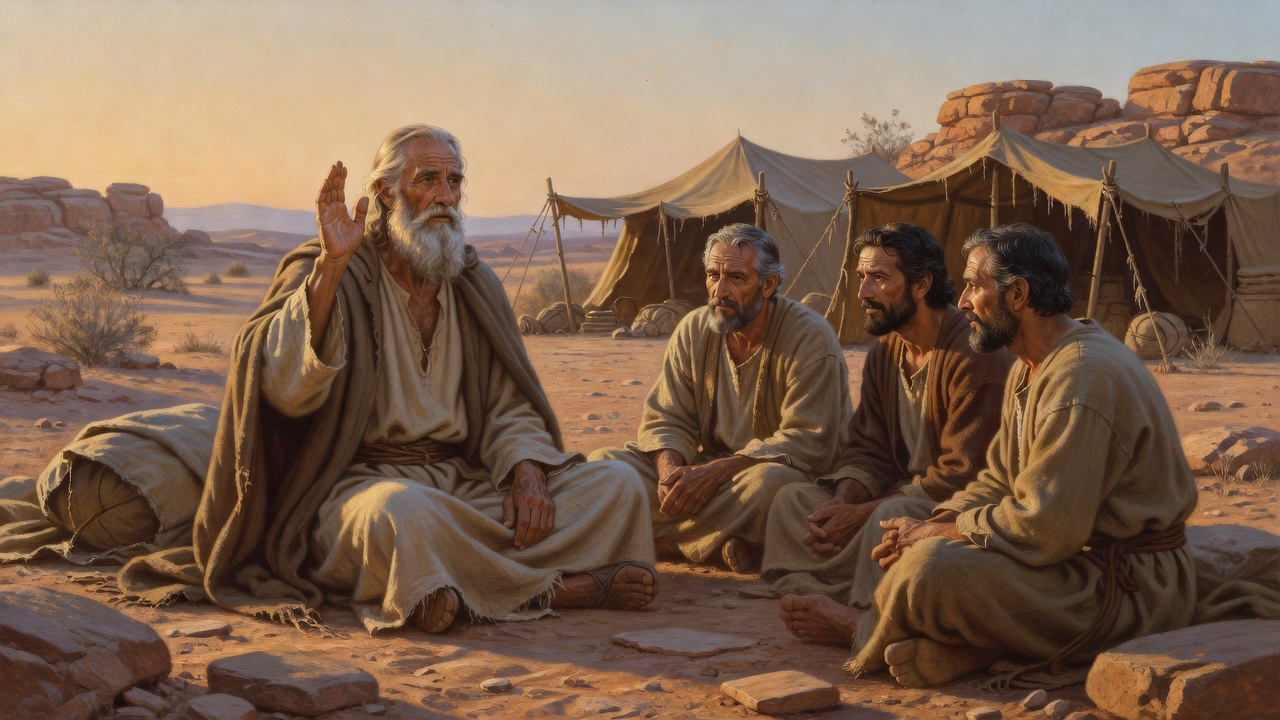
Você sabia?
O Juramento Final de Inocência de Jó
- Jó estrutura sua defesa por meio de uma série de maldições condicionais sobre si mesmo, jurando que, se cometeu determinados pecados morais ou sociais, severas punições deveriam atingi-lo. Seu código ético vai além dos atos externos e abrange motivações internas, exigindo justiça até para seus servos, pois senhor e servo foram formados no ventre pelo mesmo Deus.Fontes: o próprio texto bíblico
- Jó rejeita a antiga prática de lançar um beijo com a mão em direção ao sol radiante ou à lua em esplendor. No antigo Oriente Próximo, beijar a mão em honra aos corpos celestes era uma forma comum de adoração astral, a qual Jó considera um pecado que nega o Deus altíssimo.Fontes: o próprio texto bíblico
- O capítulo assinala o encerramento dos discursos de Jó com um apelo jurídico formal. Ele apresenta sua assinatura e pede que o Todo-Poderoso lhe responda, afirmando que carregaria com honra qualquer acusação formal sobre os ombros como uma coroa, aproximando-se de Deus com a dignidade de um príncipe.Fontes: o próprio texto bíblico · Job
Notas escritas com auxílio de IA a partir de fontes abertas (Theographic Bible Metadata, CC BY-SA 4.0; Easton’s Bible Dictionary, domínio público) e revisadas antes de publicar.
Créditos e licença desta tradução
Biblica® Kiugo Gĩtheru Kĩa Ngai Kĩhingũre Gikuyu: Biblica® Kiugo Gĩtheru Kĩa Ngai Kĩhingũre (Bible) of Kenya copyright © 2013 Biblica, Inc. Language: Kikuyu (Gikuyu) Contributor: Biblica, Inc. Wĩra ũyũ ũheanĩtwo na ũndũ wa rũtha rwa biacara rwa Creative Commons Attribution-ShareAlike 4.0 International License (CC BY-SA). Ũngĩenda kuona kobĩ ya rũtha rũrũ rwa biacara, rora rũrenda-inĩ rwa: http://creativecommons.org/licenses/by-sa/4.0, kana ũtũme marũa kũrĩ: Creative Commons, PO Box 1866, Mountain View, CA 94042, USA. Biblica® nĩ mũhũri wa biacara wandĩkithĩtio nĩ Biblica, Inc., kũhũthĩra mũhũri wa biacara wa Biblica® kũbataraga marũa ma gwĩtĩkĩrio kuuma kũrĩ Biblica, Inc. Kuumana na rũtha rwa biacara rwa CC BY-SA, no ũkobie kana ũtambie wĩra ũyũ ũtarĩ mũgarũre, ĩndĩ ndũkagarũre rũri rwa biacara rwa Biblica®. Ũngĩgarũra kana ũkobie wĩra ũyũ, na tondũ wa ũguo ũtuĩke nĩ wĩra mwerũ uumanĩte na ũcio-rĩ, no nginya weheria mũhũri wa biacara wa Biblica®. Wĩra-inĩ ũcio mwerũ no nginya wonanie nĩ maũndũ marĩkũ ũgarũrĩte, na ũtarĩrie wĩra-inĩ ũcio ta ũũ: “Wĩra wa kĩhumo warĩ wa Biblica, Inc. na ũheanĩtwo tũhũ ng’enda-inĩ cia www.biblica.com na open.bible.” Kĩmenyitha kia Mwene-wĩra no nginya kĩandĩkwo iratathi rĩa kĩongo kĩa wĩra kana rĩa ũhoro wa Mwene-wĩra ta ũũ: Biblica® Kiugo Gĩtheru Kĩa Ngai Kĩhingũre™ Kĩmenyithia kĩa Mwene-wĩra © 2013 nĩ Biblica, Inc. Biblica® Open Kikuyu Holy Word of God™ Copyright © 2013 by Biblica, Inc. “Biblica” nĩ mũhũri wa biacara wandĩkithĩtio wabici-inĩ ya United States Patent and Trademark Office nĩ Biblica, Inc. Ũhũthĩrĩtwo na rũtha. “Biblica” is a trademark registered in the United States Patent and Trademark Office by Biblica, Inc. Used with permission. No nginya wĩtĩkĩrie wĩra ũcio mwerũ ũgarũrĩte ũheanwo na ũndũ wa rũtha rwa biacara rũu rwa CC BY-SA. Ũngĩenda kũmenyithia Biblica, Inc. ũhoro wĩgiĩ ũtaũri waku wa wĩra ũyũ-rĩ, twandĩkĩre rũrenda-inĩ rwa: https://open.bible/contact-us. This work is made available under the Creative Commons Attribution-ShareAlike 4.0 International License (CC BY-SA). To view a copy of this license, visit http://creativecommons.org/licenses/by-sa/4.0 or send a letter to Creative Commons, PO Box 1866, Mountain View, CA 94042, USA. Biblica® is a trademark registered by Biblica, Inc., and use of the Biblica® trademark requires the written permission of Biblica, Inc. Under the terms of the CC BY-SA license, you may copy and redistribute this unmodified work as long as you keep the Biblica® trademark intact. If you modify a copy or translate this work, thereby creating a derivative work, you must remove the Biblica® trademark. On the derivative work, you must indicate what changes you have made and attribute the work as follows: “The original work by Biblica, Inc. is available for free at www.biblica.com and open.bible.” Notice of copyright must appear on the title or copyright page of the work as follows: Biblica® Kiugo Gĩtheru Kĩa Ngai Kĩhingũre™ Kĩmenyithia kĩa Mwene-wĩra © 2013 nĩ Biblica, Inc. Biblica® Open Kikuyu Holy Word of God™ Copyright © 2013 by Biblica, Inc. “Biblica” nĩ mũhũri wa biacara wandĩkithĩtio wabici-inĩ ya United States Patent and Trademark Office nĩ Biblica, Inc. Ũhũthĩrĩtwo na rũtha. “Biblica” is a trademark registered in the United States Patent and Trademark Office by Biblica, Inc. Used with permission. You must also make your derivative work available under the same license (CC BY-SA). If you would like to notify Biblica, Inc. regarding your translation of this work, please contact us at https://open.bible/contact-us. This translation is made available to you under the terms of the Creative Commons Attribution Share-Alike license 4.0. You have permission to share and redistribute this Bible translation in any format and to make reasonable revisions and adaptations of this translation, provided that: You include the above copyright and source information. If you make any changes to the text, you must indicate that you did so in a way that makes it clear that the original licensor is not necessarily endorsing your changes. If you redistribute this text, you must distribute your contributions under the same license as the original. Pictures included with Scriptures and other documents on this site are licensed just for use with those Scriptures and documents. For other uses, please contact the respective copyright owners. Note that in addition to the rules above, revising and adapting God's Word involves a great responsibility to be true to God's Word. See Revelation 22:18-19. 2025-05-07
Fonte: http://ebible.org/kik/ · eBible.org