Atos 7
Biblica® Kiugo Gĩtheru Kĩa Ngai Kĩhingũre · Toque num versículo para ver as referências cruzadas.
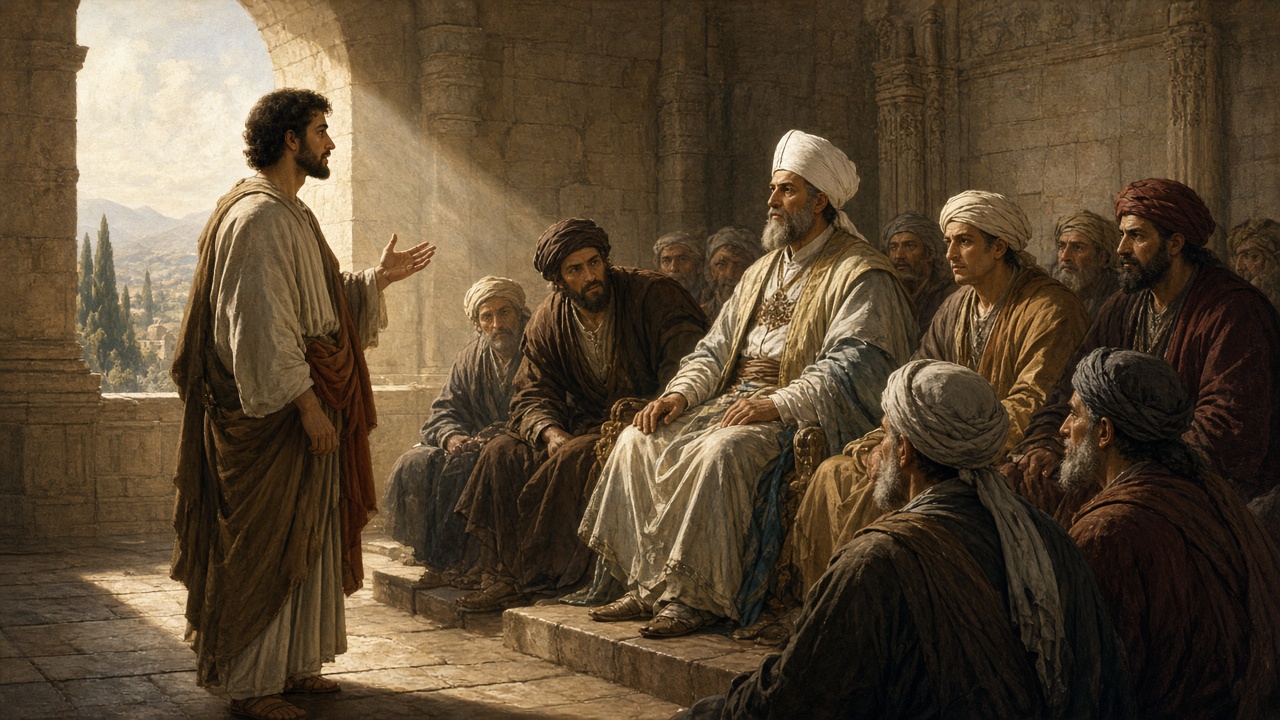
Stefano Kwarĩria Kĩama
1Nake mũthĩnjĩri-Ngai ũrĩa mũnene akĩmũũria atĩrĩ, “Thitango ici nĩ cia ma?”
2Nake Stefano agĩcookia atĩrĩ, “Ariũ a Baba na maithe maitũ, ta thikĩrĩriai! Ngai mwene riiri nĩoimĩrĩire ithe witũ Iburahĩmu hĩndĩ ĩrĩa aatũũraga bũrũri wa Mesopotamia, atanathiĩ gũtũũra bũrũri wa Harani. 3Akĩmwĩra atĩrĩ, ‘Thaama uume bũrũri wanyu na ũtige andũ anyu, ũthiĩ bũrũri ũrĩa ngaakuonia.’
4“Nĩ ũndũ ũcio Iburahĩmu akiuma bũrũri wa Akalidei agĩthiĩ gũtũũra Harani. Thuutha wa gĩkuũ gĩa ithe, Ngai akĩmũruta kuo na agĩũka bũrũri ũyũ mũtũũraga. 5Ndaamũheire igai gũkũ, o na ikinya rĩmwe. No Ngai nĩamwĩrire atĩ we hamwe na njiaro ciake nĩmakegwatĩra bũrũri ũyũ, o na gũtuĩka hĩndĩ ĩyo Iburahĩmu ndaarĩ na mwana. 6Ngai eerire Iburahĩmu atĩrĩ: ‘Njiaro ciaku igaatũũra irĩ ngʼeni bũrũri ũtarĩ wacio, kũrĩa igaatuuo ngombo na inyariirwo ihinda rĩa mĩaka magana mana.’ 7Ningĩ Ngai akiuga atĩrĩ, ‘No nĩngaherithia rũrĩrĩ rũu igaatungata irĩ ngombo; na thuutha ũcio-rĩ, nĩikoima bũrũri ũcio, nacio nĩikaahooya irĩ kũndũ gũkũ.’ 8Hĩndĩ ĩyo nĩarĩkanĩire na Iburahĩmu kĩrĩkanĩro kĩa ũhoro wa kũrua. Nake Iburahĩmu agĩtuĩka ithe wa Isaaka na akĩmũruithia thikũ ya kanana thuutha wa gũciarwo gwake. Thuutha-inĩ Isaaka agĩtuĩka ithe wa Jakubu, nake Jakubu agĩtuĩka ithe wa athuuri arĩa ikũmi na eerĩ.
9“Na tondũ wa maguuka maitũ kũiguĩra Jusufu ũiru, nĩmamwendirie bũrũri wa Misiri agatuĩke ngombo kuo. No Ngai aarĩ hamwe nake 10na akĩmũhonokia mathĩĩna-inĩ make mothe. Nĩaheire Jusufu ũũgĩ na akĩmũhotithia atuĩke wa kwendeka nĩ Firaũni mũthamaki wa Misiri; nĩ ũndũ ũcio akĩmũtua wa gwathaga Misiri o na nyũmba yake yothe ya ũthamaki.
11“Thuutha ũcio gũkĩgĩa ngʼaragu bũrũri-inĩ wothe wa Misiri, na Kaanani, na ĩkĩrehe gũthĩĩnĩka kũingĩ mũno, namo maithe maitũ makĩaga irio. 12Rĩrĩa Jakubu aiguire atĩ Misiri nĩ kwarĩ na ngano, agĩtũma maithe maitũ kuo hĩndĩ ya mbere. 13Na rĩrĩa maathiire riita rĩa keerĩ-rĩ, Jusufu akĩĩmenyithania kũrĩ ariũ a ithe, nake Firaũni akĩmenya ũhoro wa nyũmba ya Jusufu. 14Thuutha wa ũguo-rĩ, Jusufu agĩtũmanĩra ithe Jakubu na nyũmba yake yothe moke, nao othe maarĩ andũ mĩrongo mũgwanja na atano. 15Nake Jakubu agĩikũrũka, agĩthiĩ Misiri, kũrĩa we na maithe maitũ maakuĩrĩire. 16Mĩĩrĩ yao nĩyacookirio Shekemu na ĩgĩthikwo mbĩrĩra-inĩ ĩrĩa Iburahĩmu aagũrĩte na mbeeca kuuma kũrĩ ariũ a Hamori kũu Shekemu.
17“Rĩrĩa ihinda rĩakuhĩrĩirie rĩa Ngai kũhingia kĩĩranĩro gĩake kũrĩ Iburahĩmu-rĩ, mũigana wa andũ aitũ kũu Misiri nĩwongererekete mũno. 18Hĩndĩ ĩyo mũthamaki ũngĩ ũtooĩ ũhoro wa Jusufu agĩtuĩka wa gũthamaka Misiri. 19Agĩĩka andũ aitũ ũũru mũno na akĩhinyĩrĩria maithe maitũ na ũndũ wa kũmaringĩrĩria na hinya mate tũkenge twao nĩgeetha tũkue.
20“Ihinda-inĩ rĩu Musa nĩaciarirwo, nake aarĩ mwana mũthaka mũno. Akĩrererwo mũciĩ gwa ithe ihinda rĩa mĩeri ĩtatũ. 21Rĩrĩa aigirwo nja-rĩ, mwarĩ wa Firaũni akĩmuoya akĩmũrera ta mwana wake. 22Musa agĩthomithio na ũũgĩ wothe wa andũ a Misiri na aarĩ na hinya wa mĩario na ciĩko.
23“Rĩrĩa Musa aakinyirie mĩaka mĩrongo ĩna-rĩ, agĩtua itua rĩa gũceerera andũ ao a Isiraeli. 24Nĩonire mũndũ ũmwe wao akĩnyariirwo nĩ mũndũ wa Misiri. Nĩ ũndũ ũcio agĩthiĩ kũmũũrĩria na akĩmũrĩhĩria na ũndũ wa kũũraga mũndũ ũcio Mũmisiri. 25Musa eeciirĩtie atĩ andũ ao nĩmangĩonire atĩ Ngai nĩamũhũthagĩra nĩgeetha amahonokie, no-o matiamenyire ũguo. 26Mũthenya ũyũ ũngĩ Musa agĩthiĩ agĩkora andũ eerĩ a Isiraeli makĩrũa. Akĩgeria kũmaiguithania akĩmeeraga atĩrĩ, ‘Andũ aya, inyuĩ mũrĩ a ithe ũmwe; nĩ kĩĩ kĩratũma mwende gwĩkana ũũru?’
27“No mũndũ ũrĩa wekĩte ũcio ũngĩ ũũru agĩikania Musa, akĩmwĩra atĩrĩ, ‘Nũũ wagũtuire mwathi na mũtuithania wa maciira maitũ? 28Ũrenda kũnjũraga o ta ũrĩa ũrooragire Mũmisiri ira?’ 29Rĩrĩa Musa aiguire ũguo akĩũra agĩthiĩ bũrũri wa Midiani, kũrĩa aatũũrire arĩ ta mũgeni na akĩgĩa na ariũ eerĩ.
30“Na rĩrĩ, mĩaka mĩrongo ĩna yarĩkia gũthira-rĩ, mũraika akiumĩrĩra Musa arĩ nĩnĩmbĩ-inĩ cia mwaki iria ciakanaga kĩhinga-inĩ kũu werũ-inĩ hakuhĩ na Kĩrĩma gĩa Sinai. 31Rĩrĩa onire ũguo, akĩgega nĩ kĩrĩa onire. Na rĩrĩa aakuhagĩrĩria nĩguo one wega-rĩ, akĩigua mũgambo wa Mwathani ũkiuga atĩrĩ: 32‘Niĩ nĩ niĩ Ngai wa maithe manyu, Ngai wa Iburahĩmu, na Isaaka, o na Jakubu.’ Musa akĩinaina nĩ gwĩtigĩra na ndaigana kũrora.
33“Nake Mwathani akĩmwĩra atĩrĩ, ‘Ruta iraatũ ciaku, nĩgũkorwo hau ũrũgamĩte nĩ handũ hatheru. 34Ti-itherũ nĩnyonete kũhinyĩrĩrio kwa andũ akwa kũu bũrũri wa Misiri. Nĩnjiguĩte gũcaaya kwao, na nĩnjikũrũkĩte thĩ nĩguo ndĩmohorithie. Rĩu ũka nĩngũgũtũma ũcooke Misiri.’
35“Ũyũ nowe Musa ũrĩa maaregete makiuga atĩrĩ, ‘Nũũ ũgũtuĩte mwathi witũ na mũtũciirithia?’ Ngai we mwene nĩamũtũmire atuĩke mũnene na mũkũũri wao, na ũndũ wa mũraika ũrĩa wamuumĩrĩire kĩhinga-inĩ. 36Akĩmatongoria makiuma Misiri na agĩĩka morirũ na akĩringa ciama arĩ kũu Misiri, o na Iria-inĩ Itune, na ihinda rĩa mĩaka mĩrongo ĩna kũu werũ-inĩ.
37“Ũyũ nowe Musa ũrĩa werire andũ a Isiraeli atĩrĩ, ‘Ngai nĩakamũtũmĩra mũnabii ta niĩ kuuma kũrĩ andũ anyu kĩũmbe.’ 38We aarĩ kĩũngano-inĩ kũu werũ-inĩ, arĩ hamwe na mũraika ũrĩa wamwarĩirie Kĩrĩma-inĩ gĩa Sinai, na aarĩ hamwe na maithe maitũ; nake nĩamũkĩrire ciugo irĩ muoyo nĩgeetha atũkinyĩrie.
39“No rĩrĩ, maithe maitũ nĩmaregire kũmwathĩkĩra. Handũ ha ũguo-rĩ, o makĩmũrega, na thĩinĩ wa ngoro ciao makĩĩrirĩria gũcooka Misiri. 40Nao makĩĩra Harũni atĩrĩ, ‘Tũthondekere ngai iria irĩtũtongoragia. Nĩgũkorwo mũndũ ũyũ ũgwĩtwo Musa, ũrĩa watũtongoririe tũkiuma bũrũri wa Misiri, tũtiũĩ ũrĩa onete!’ 41Hĩndĩ ĩyo nĩguo maathondekire mũhianano watariĩ ta njaũ. Makĩũrutĩra magongona, na makĩgĩa na hĩndĩ ya gũkũngũĩra kĩrĩa maathondekete na moko mao. 42No Ngai akĩmahutatĩra, na akĩmarekereria mahooyage ciũmbe cia igũrũ. Ũhoro ũyũ ũtwaranĩte na ũrĩa kwandĩkĩtwo ibuku-inĩ rĩa anabii, atĩrĩ:
“ ‘Nĩmwandutĩire magongona na maruta
mĩaka mĩrongo ĩna kũu werũ-inĩ, inyuĩ nyũmba ya Isiraeli?
43Nĩmũtũũgĩrĩtie ihooero rĩa Moleku,
na njata ya ngai yanyu ĩrĩa ĩĩtagwo Refani,
mĩhianano ĩrĩa mwathondekire ya kũhooyaga.
Tondũ ũcio, nĩngatũma mũtahwo mũtwarwo’ kũhĩtũka Babuloni.
44“Maithe maitũ maarĩ na hema ĩrĩa yetagwo gĩikaro kĩa Ũira kũu werũ-inĩ. Nayo yathondeketwo o ta ũrĩa Ngai eerĩte Musa, kũringana na mũhianĩre ũrĩa onete. 45Maarĩkia kwamũkĩra hema-rĩ, maithe maitũ, matongoretio nĩ Joshua magĩũka nayo rĩrĩa menyiitĩire bũrũri kuuma kũrĩ ndũrĩrĩ iria Ngai aarutũrũrire ciehere mbere yao. Nayo ĩgĩtũũra kũu bũrũri ũcio o nginya hĩndĩ ya Daudi, 46ũrĩa wakenire nĩ gwĩtĩkĩrĩka nĩ Ngai, na akĩhooya etĩkĩrio aakĩre Ngai wa Jakubu gĩikaro. 47No Solomoni nĩwe wamwakĩire nyũmba.
48“No rĩrĩ, Ũrĩa-ũrĩ-Igũrũ-Mũno ndaikaraga nyũmba ciakĩtwo nĩ andũ. O ta ũrĩa mũnabii oigĩte atĩrĩ:
49“ ‘Igũrũ nĩkuo gĩtĩ gĩakwa kĩa ũnene,
nayo thĩ nĩ gaturwa ka makinya makwa.
Ũngĩkĩnjakĩra nyũmba ya mũthemba ũrĩkũ?
Kana kĩhurũko gĩakwa kĩngĩkorwo kũ?
50Githĩ ti guoko gwakwa gwathondekire indo ici ciothe?’
51“Inyuĩ andũ aya aremi, o inyuĩ mũtarĩ aruu ngoro na matũ! Inyuĩ mũtariĩ o ta maithe manyu: Inyuĩ mũtũũraga mũreganĩte na Roho Mũtheru! 52Nĩ kũrĩ mũnabii ũtaanyariirirwo nĩ maithe manyu? Mooragire o na andũ arĩa maarathire ũhoro wa gũũka kwa Ũrĩa Mũthingu. Na rĩu nĩmũmũkunyanĩire na mũkamũũraga; 53o inyuĩ mwamũkĩrire watho ũrĩa waathanirwo kũgerera araika no mũkĩaga kũwathĩkĩra.”
Stefano Kũhũũrwo na Mahiga
54Rĩrĩa maiguire maũndũ macio-rĩ, makĩrakara mũno, na makĩmũhagaranĩria magego. 55No Stefano, aiyũrĩtwo nĩ Roho Mũtheru, Agĩcũthĩrĩria igũrũ akĩona riiri wa Ngai, na Jesũ arũgamĩte guoko-inĩ kwa ũrĩo kwa Ngai. 56Akiuga atĩrĩ, “Onei, nĩndĩrona igũrũ rĩhingũkĩte nake Mũrũ wa Mũndũ arũgamĩte guoko-inĩ kwa ũrĩo kwa Ngai.”
57Maigua ũguo makĩhumbĩra matũ mao, makĩhanyũka harĩ we makiugagĩrĩria na mũgambo mũnene. 58makĩmũkururia, makĩmumia nja ya itũũra, na makĩambĩrĩria kũmũhũũra na mahiga nyuguto. Nao, aira makĩiga nguo ciao magũrũ-inĩ ma mwanake wetagwo Saũlũ.
59Rĩrĩa maamũhũũraga na mahiga nyuguto, Stefano nĩahooire Ngai, akiuga atĩrĩ, “Mwathani Jesũ, amũkĩra roho wakwa.” 60Agĩcooka agĩturia ndu, akĩanĩrĩra, akiuga atĩrĩ, “Mwathani, ndũkamoorie rĩĩhia rĩĩrĩ.” Na aarĩkia kuuga ũguo, agĩkoma.
Você sabia?
Estêvão reconta a história de Israel
- Estêvão abre o discurso com Abraão ainda na Mesopotâmia, antes de se estabelecer em Harã, quando recebeu a ordem de deixar sua terra e seus parentes. Mesopotâmia — em hebraico Aram-naharaim, “Síria dos dois rios” — era o nome que gregos e romanos davam à região entre o Eufrates e o Tigre; no Antigo Testamento ela também se chama Padan-aram, “a planície de Arã”, e o norte desse planalto foi o lar antigo dos antepassados dos hebreus. O Easton's Bible Dictionary (1897) observa que esse primeiro chamado não aparece no Antigo Testamento, embora Gênesis 12 o deixe implícito, e que Abraão saiu de Ur, na Caldeia, e percorreu cerca de 300 milhas ao norte, até Harã.Fontes: o próprio texto bíblico · Mesopotamia · Abraham
- Estêvão afirma que os ossos de Jacó e dos pais foram levados de volta a Siquém e depositados no túmulo que Abraão comprara aos filhos de Hamor. O Easton's Bible Dictionary (1897) identifica Hamor como um heveu cujo nome significa “jumento”, nota que em Atos 7:16 ele é chamado Emmor e diz que Jacó lhe comprou o terreno de Siquém em que José foi sepultado mais tarde. O verbete acrescenta que Siquém, filho de Hamor, fundou a cidade que recebeu o seu nome.Fontes: o próprio texto bíblico · Hamor
- Estêvão localiza a sarça ardente no deserto, perto do monte Sinai, e diz que Moisés recebeu ali palavras vivas da parte do anjo que lhe falou no monte. O Easton's Bible Dictionary (1897) trata Sinai — nome ligado a Sin, um deus da lua — como o mesmo distrito montanhoso também chamado Horebe. Segundo o verbete, os hebreus chegaram a essa região no terceiro mês após o Êxodo, depois de uma viagem de cerca de 150 milhas desde o mar Vermelho, com todas as voltas do caminho, e ficaram acampados cerca de um ano.Fontes: o próprio texto bíblico · Mount Sinai
Notas escritas com auxílio de IA a partir de fontes abertas (Theographic Bible Metadata, CC BY-SA 4.0; Easton’s Bible Dictionary, domínio público) e revisadas antes de publicar.
Lugares deste capítulo
- Haran · Hoje: Harran · 36.864, 39.033 · versículos 2, 4
- Mesopotamia · Hoje: Aram-naharaim · 36.864, 39.033 · versículo 2
- Chaldea · 30.962, 46.104 · versículo 4
- Egypt · 30.129, 31.308 · versículos 9, 10, 11, 12, 14, 15, 17, 18, 34, 36, 39, 40
- Canaan · 32.767, 35.333 · versículo 11
- Shechem · Hoje: Tell Balatah · 32.214, 35.282 · versículo 16
- Nile · Hoje: Nile River · 31.465, 30.367 · versículo 19
- Midian · 28.495, 35.012 · versículo 29
- Babylon · 32.543, 44.422 · versículo 43
Só aparecem lugares com identificação de alta confiança (90% ou mais segundo as fontes acadêmicas reunidas pelo OpenBible). Mapa da época: DARE (Digital Atlas of the Roman Empire), CC BY 4.0; mapa atual: © colaboradores do OpenStreetMap; lugares: OpenBible.info (CC BY 4.0).
Créditos e licença desta tradução
Biblica® Kiugo Gĩtheru Kĩa Ngai Kĩhingũre Gikuyu: Biblica® Kiugo Gĩtheru Kĩa Ngai Kĩhingũre (Bible) of Kenya copyright © 2013 Biblica, Inc. Language: Kikuyu (Gikuyu) Contributor: Biblica, Inc. Wĩra ũyũ ũheanĩtwo na ũndũ wa rũtha rwa biacara rwa Creative Commons Attribution-ShareAlike 4.0 International License (CC BY-SA). Ũngĩenda kuona kobĩ ya rũtha rũrũ rwa biacara, rora rũrenda-inĩ rwa: http://creativecommons.org/licenses/by-sa/4.0, kana ũtũme marũa kũrĩ: Creative Commons, PO Box 1866, Mountain View, CA 94042, USA. Biblica® nĩ mũhũri wa biacara wandĩkithĩtio nĩ Biblica, Inc., kũhũthĩra mũhũri wa biacara wa Biblica® kũbataraga marũa ma gwĩtĩkĩrio kuuma kũrĩ Biblica, Inc. Kuumana na rũtha rwa biacara rwa CC BY-SA, no ũkobie kana ũtambie wĩra ũyũ ũtarĩ mũgarũre, ĩndĩ ndũkagarũre rũri rwa biacara rwa Biblica®. Ũngĩgarũra kana ũkobie wĩra ũyũ, na tondũ wa ũguo ũtuĩke nĩ wĩra mwerũ uumanĩte na ũcio-rĩ, no nginya weheria mũhũri wa biacara wa Biblica®. Wĩra-inĩ ũcio mwerũ no nginya wonanie nĩ maũndũ marĩkũ ũgarũrĩte, na ũtarĩrie wĩra-inĩ ũcio ta ũũ: “Wĩra wa kĩhumo warĩ wa Biblica, Inc. na ũheanĩtwo tũhũ ng’enda-inĩ cia www.biblica.com na open.bible.” Kĩmenyitha kia Mwene-wĩra no nginya kĩandĩkwo iratathi rĩa kĩongo kĩa wĩra kana rĩa ũhoro wa Mwene-wĩra ta ũũ: Biblica® Kiugo Gĩtheru Kĩa Ngai Kĩhingũre™ Kĩmenyithia kĩa Mwene-wĩra © 2013 nĩ Biblica, Inc. Biblica® Open Kikuyu Holy Word of God™ Copyright © 2013 by Biblica, Inc. “Biblica” nĩ mũhũri wa biacara wandĩkithĩtio wabici-inĩ ya United States Patent and Trademark Office nĩ Biblica, Inc. Ũhũthĩrĩtwo na rũtha. “Biblica” is a trademark registered in the United States Patent and Trademark Office by Biblica, Inc. Used with permission. No nginya wĩtĩkĩrie wĩra ũcio mwerũ ũgarũrĩte ũheanwo na ũndũ wa rũtha rwa biacara rũu rwa CC BY-SA. Ũngĩenda kũmenyithia Biblica, Inc. ũhoro wĩgiĩ ũtaũri waku wa wĩra ũyũ-rĩ, twandĩkĩre rũrenda-inĩ rwa: https://open.bible/contact-us. This work is made available under the Creative Commons Attribution-ShareAlike 4.0 International License (CC BY-SA). To view a copy of this license, visit http://creativecommons.org/licenses/by-sa/4.0 or send a letter to Creative Commons, PO Box 1866, Mountain View, CA 94042, USA. Biblica® is a trademark registered by Biblica, Inc., and use of the Biblica® trademark requires the written permission of Biblica, Inc. Under the terms of the CC BY-SA license, you may copy and redistribute this unmodified work as long as you keep the Biblica® trademark intact. If you modify a copy or translate this work, thereby creating a derivative work, you must remove the Biblica® trademark. On the derivative work, you must indicate what changes you have made and attribute the work as follows: “The original work by Biblica, Inc. is available for free at www.biblica.com and open.bible.” Notice of copyright must appear on the title or copyright page of the work as follows: Biblica® Kiugo Gĩtheru Kĩa Ngai Kĩhingũre™ Kĩmenyithia kĩa Mwene-wĩra © 2013 nĩ Biblica, Inc. Biblica® Open Kikuyu Holy Word of God™ Copyright © 2013 by Biblica, Inc. “Biblica” nĩ mũhũri wa biacara wandĩkithĩtio wabici-inĩ ya United States Patent and Trademark Office nĩ Biblica, Inc. Ũhũthĩrĩtwo na rũtha. “Biblica” is a trademark registered in the United States Patent and Trademark Office by Biblica, Inc. Used with permission. You must also make your derivative work available under the same license (CC BY-SA). If you would like to notify Biblica, Inc. regarding your translation of this work, please contact us at https://open.bible/contact-us. This translation is made available to you under the terms of the Creative Commons Attribution Share-Alike license 4.0. You have permission to share and redistribute this Bible translation in any format and to make reasonable revisions and adaptations of this translation, provided that: You include the above copyright and source information. If you make any changes to the text, you must indicate that you did so in a way that makes it clear that the original licensor is not necessarily endorsing your changes. If you redistribute this text, you must distribute your contributions under the same license as the original. Pictures included with Scriptures and other documents on this site are licensed just for use with those Scriptures and documents. For other uses, please contact the respective copyright owners. Note that in addition to the rules above, revising and adapting God's Word involves a great responsibility to be true to God's Word. See Revelation 22:18-19. 2025-05-07
Fonte: http://ebible.org/kik/ · eBible.org