Hebreus 5
Topẽ vĩ rá · Toque num versículo para ver as referências cruzadas.
1Ẽprã ke tỹ Topẽ tũ ki rĩr tĩ to pã'i mág jykre vỹ ge nỹgtĩ, ha mẽ. Ã mré ke ag jagfy tóg vĩ tĩ, Topẽ mré, kỹ tóg ag jagfy Topẽ mỹ nén ũ pũn tĩ gé, kỹ tóg ag mẽg tãnh kỹ pũn tĩ gé, ag tỹ Topẽ vĩ mranh ja tugrĩn. 2Hã ra tóg tỹ ẽprã ke nĩ gé, ag mré, ag krój ri ke tóg nĩ gé, hã kỹ tóg ag krój nỹtĩ ra ag jagãgtãn há han tĩ, ũ tỹ Topẽ vĩ mranh sór tũ ra mranh mũ ẽn ag. 3Mranh tóg tĩ gé, Topẽ tũ ki rĩr tĩ to pã'i mág ẽn ti, hã kỹ tóg ã tỹ mranh mũ ẽn to Topẽ mỹ tãnh kỹ pũn tĩ gé, ã mré ke ag tũ ẽn mré. 4Hã ra tóg vẽso: “inh hỹn Topẽ tũ ki rĩr sór mũ, kỹ inh hỹn tỹ tag to pã'i mág nĩnh mũ,” henh ke tũ pẽ nĩ. Topẽ hã ne ũ to: “isũ ki rĩr tĩ to pã'i mág vỹ tỹ ã nĩnh mũ,” he tĩ', ti tỹ vãsỹ Arão kuprẽg vén ẽn ri ke.
5Hã kỹ Cristo vỹ vẽsóg ki tag to jykrén ja tũ nĩ gé. Ti pi(jé) vẽsỹ pã'i han ja nĩgtĩ', vẽsỹ Topẽ tũ ki rĩr tĩ ẽn to pã'i mág han sór ja tũ tóg nĩgtĩ'. Topẽ hã ne ti mỹ: “inh kósin vỹ tỹ ã nĩ,” he ja nĩ'. “Ũri sóg ã mỹ: tỹ inh ã panh nĩ, he mũ,” he ja ti nĩ, Topẽ ti, Jesus mỹ. 6Kỹ tóg ti mỹ tag tó gé, kỹ tóg rán kỹ nĩ gé, Topẽ vĩ tỹ rán kỹ nĩ ki, ha mẽ: “isũ ki rĩr jé ã tóg ke mũ. Tũ' henh ke tũ ti nĩnh mũ, ã tỹ isũ ki rĩr nĩ ti, Melquisedeque tỹ isũ ki rĩr mũ ẽn ri ke,” he ja ti nĩ gé, Cristo mỹ, Topẽ ti.
7Jesus vỹ, ã tỹ ga mĩ tĩg kỹ jagtar nĩn kỹ (tóg) Topẽ mỹ to vĩ', to vĩ' he ja nĩgtĩ, ti tỹ ti kren han jé, ti ter tũ nĩ jé. Kỹ tóg fỹ gé, Topẽ mré vẽmén kỹ. Vẽsỹrénh jagy han tóg. Kỹ Topẽ vỹ ti vĩ jẽmẽ ja nĩ, Jesus tỹ ti mỹ to vĩn kỹ. Topẽ mỹ tóg tỹ ũn há nĩ, Jesus ti, hã kỹ tóg ti vĩ jẽmẽ ja nĩ. 8Topẽ kósin vỹ tỹ ti nĩ, Jesus ti, hã ra tóg ã jagtar tugrĩn (tóg) Topẽ tỹ nén tó mũ ki kanhrãn kãn ja nĩ, ti tỹ Topẽ vĩ hã han jé. 9Ti tỹ vẽnh kanhrãn kãn kỹ tóg ẽg kren pẽ han ki kanhró nĩ ge sir. Ẽg jagfy tóg ter ja nĩ, kỹ tóg ẽg kren han mũ, ẽg tỹ ti vĩ ki króm kỹ. 10Topẽ vỹ ti mỹ: “inh mỹ isũ ag ki rĩrmnĩ, to pã'i mág vỹ tỹ ã nĩ, Melquisedeque ẽn ri ke,” he ja nĩ. Hã kỹ tóg tỹ pa'i nĩ, Jesus ti.
Ẽg tỹ ti to krónh kenh ke tũ
11Sỹ ãjag mỹ tag kãmén kãn sór mũ ra tóg jagy tĩ. Tó jagy ti tĩ, tag ti. Kỹ ãjag tóg mẽ há han tũ nĩgtĩ gé. Ãjag pi(jé) krĩ há nỹtĩ ver'. 12Ãjag tỹ ũ ag kanhrãn ke vẽ vẽ, ãjag tỹ vãsỹ Topẽ vĩ mẽ ja nỹtĩn kỹ. Hã ra ãjag tóg ver ki kagtĩg nỹtĩ. Ãjag kã ũ tỹ ãjag mỹ Jesus kãmén vén ẽn tó mãn kỹ tóg há nỹnh mũ vẽ. Gĩr kãsir ri ke ãjag nỹtĩ. Gĩr kãsir ag vỹ leite hã kron tĩ, ãjag tỹ ver kãsir nỹtĩn kỹ. 13Jãvo ũn sanh ag hã vỹ vẽjẽn kufy ko tĩ'. Gĩr tỹ leite kron mũ ri ke ãjag nỹtĩ, ãjag tỹ Jesus kãme ẽn ki kanhrãn kãn tũ nỹtĩn kỹ ver. 14Ũ tỹ to jykrén há han mũ ẽn vỹ ũn sanh há ri ke nĩ, kỹ tóg ki kanhró nĩ. “Tag vỹ há nĩ, tag vỹ há tũ nĩ, tag vỹ kuryj nĩ, jãvo tag vỹ kygnẽ kỹ nĩ,” he jé tóg ke mũ, ũ tỹ ki kanhrãn há han mũ ẽn.
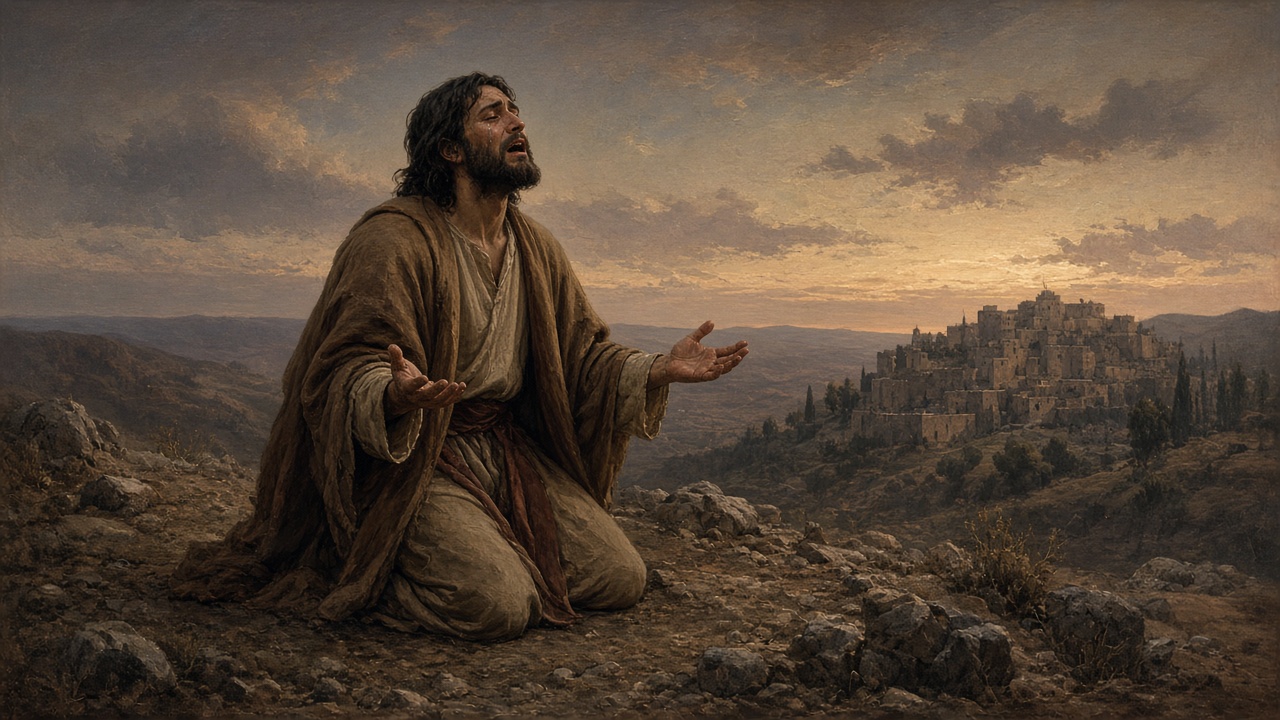
Você sabia?
Um sumo sacerdote chamado por Deus
- Hebreus 5 apresenta Arão como modelo de sumo sacerdote que não toma a honra para si, mas é chamado por Deus. Arão, filho mais velho de Anrão e Joquebede, nasceu no Egito três anos antes de seu irmão Moisés. Quando se aproximava a libertação de Israel do Egito, Deus o enviou ao encontro do irmão, ausente havia muito tempo, para que cooperassem na realização do Êxodo.Fontes: o próprio texto bíblico · Aaron
- Melquisedeque, cujo nome o Easton's Bible Dictionary (1897) explica como “rei de justiça”, era rei de Salém. Tudo o que o Antigo Testamento registra a seu respeito está em Gênesis 14:18–20, e ele só é mencionado mais uma vez, no Salmo 110:4. Hebreus 5 aplica a Cristo as palavras “Tu és sacerdote para sempre, segundo a ordem de Melquisedeque”, e o mesmo dicionário diz que Hebreus 7 expõe em detalhe a importância da sua história e apresenta o sacerdócio dele como superior ao de Arão, lembrando que Abraão lhe pagou o dízimo e que Melquisedeque abençoou Abraão.Fontes: o próprio texto bíblico · Melchisedec
Notas escritas com auxílio de IA a partir de fontes abertas (Theographic Bible Metadata, CC BY-SA 4.0; Easton’s Bible Dictionary, domínio público) e revisadas antes de publicar.
Créditos e licença desta tradução
Topẽ vĩ rá
New Testament in Kaingang (BR:kgp:Kaingang)
copyright © 2011 Wycliffe Bible Translators, Inc.
Language: Kaingang
Translation by: Wycliffe Bible Translators, Inc.
Copyright Information
© 2011, Wycliffe Bible Translators, Inc. All rights reserved.
This translation text is made available to you under the
terms of the Creative Commons License: Attribution-Noncommercial-No Derivative Works.
( http://creativecommons.org/licenses/by-nc-nd/3.0/ )
In addition, you have permission to port the text to different file formats, as long as you
do not change any of the text or punctuation of the Bible.
You may share, copy, distribute, transmit, and extract portions
or quotations from this work, provided that you include the above copyright
information:
You must give Attribution to the work.
You do not sell this work for a profit.
You do not make any derivative works that change any of the actual words or punctuation of the Scriptures.
Permissions beyond the scope of this license may be
available if you contact
us with your request.
The New Testament
in Kaingang
© 2011, Wycliffe Bible Translators, Inc. All rights reserved.
This translation is made available to you under the terms of the
Creative Commons Attribution-Noncommercial-No Derivatives license 4.0.
You may share and redistribute this Bible translation or extracts from it in any format, provided that:
You include the above copyright and source information.
You do not sell this work for a profit.
You do not change any of the words or punctuation of the Scriptures.
Pictures included with Scriptures and other documents on this site are licensed just for use with those Scriptures and documents.
For other uses, please contact the respective copyright owners.
2022-03-04
Fonte: http://ebible.org/kgpNT/ · eBible.org