2 Timóteo 4
Topẽ vĩ rá · Toque num versículo para ver as referências cruzadas.
1Inh kósin', sỹ ã jyvẽn ke vẽ, ha mẽ, kỹ Topẽ vỹ mẽnh mũ, Jesus Cristo ti ke gé, ũ tỹ vẽnh kar jykre tugnỹm ke mũ ẽn ti, ũn rĩnrĩr nỹtĩ ag jykre, ũn kãgter nỹtĩ ag jykre ke gé. Vỹn ke mãn jé tóg ke mũ, ha vemnĩ, kỹ tóg tỹ pã'i mág jẽnh mũ, ha vemnĩ. Ẽg Senhor rĩnve sóg ã mỹ: 2“Topẽ vĩ kãmén ra,” henh mũ. Kejẽn ag tóg mẽ sór tĩ, kejẽn ag tóg mẽ sór tũ nĩgtĩ. Ge ra ag mỹ kãmén nĩ. Ag jyvẽn nĩ, ag mỹ ag tỹ vẽnh kygnẽ ja ẽn tómnĩ, ag jyvẽn tar han nĩ, ag tỹ mẽ jãvãnh kỹ. Ag jyvẽn to krónh ke tũg nĩ, ag tỹ kejẽn Jesus ki rã sór jé. Topẽ vĩ tó há han nĩ. 3Kurã tỹ ẽgno to hã ag tóg jẽmẽ sór ke tũ pẽ nĩnh mũ, vẽnh vĩ há ti, ha vemnĩ. Kỹ ag tóg vẽnh vĩ kórég nón mũ sór mũ, ag tỹ nén to én mũ ẽn ti. Ũ tỹ ón kỹ ag mỹ tónh ke mũ ẽn vỹ vẽme sér tónh ke mũ, kỹ tóg ag mỹ sér tĩnh mũ. 4Vẽnh vĩ há jẽmẽnh ke tũ ag nĩ, hã kỹ ag tóg vẽnh ó jẽmẽnh ke mũ sir.
5Ag jãvo nén ũ kar to jykrén há han nĩ. Ã tỹ nén ũ jagy ve kỹ kato tar nĩmnĩ. Cristo to vẽme sér ẽn kãmén nĩ, vẽnh kar mỹ. Ã rãnhrãj ki rĩr há han nĩ gé.
6Ag hỹn kãnhmar isén ke mũ, Jesus Cristo tugrĩn. Hã ra tóg inh mỹ tỹ nén ũ tũ nĩ. Jesus tugnĩn ke vẽ, iser ke ti, hã kỹ tóg inh mỹ tỹ nén ũ tũ nĩ. 7Kejẽn ẽg tóg rárá tĩ, kỹ ẽg tóg vãsãn tĩ. Ẽg tỹ rárá to vãsãn ri ke han inh, Topẽ rãnhrãj han kỹ. Ẽg tỹ carreira han kỹ ẽg tóg vãsãn tãvĩ han tĩ gé, ẽg tỹ ganhar he jé. Vẽnhvó tãvĩ han ẽg tóg tĩgtĩ. Tag ri ke han inh, isỹ Topẽ rãnhrãj han kỹ. Ti rãnhrãj han kãn inh huri. Ti ki rã tovãnh ja tũ inh nĩgtĩ. 8Ũ tỹ carreira ki ganhar he mũ ẽn vỹ ka féj tỹ coroa ganhar he tĩ. Ẽn ri ke nĩm jé tóg ke mũ inh mỹ, Topẽ ti, inh jykre kuryj to. Nĩm han kỹ tóg nĩ nĩ, Topẽ tỹ inh mỹ nén nĩm ke mũ ti, ag tỹ coroa vég mũ ẽn ri ke ti. Kurã ẽn kã tóg inh mỹ nĩm ke mũ, ẽg Senhor ti. Vẽnh kar mỹ ti nĩm ke mũ gé, ũ tỹ ti kãtĩg jãvãnh kỹ nỹtĩ ag kar mỹ.
Paulo tỹ nén ve ja
9Kuri inh venh kãtĩg. 10Demas vỹ isovãnh kỹ vyr. Ẽprã vẽnh jykre han sór ti nĩ, hã kỹ tóg isovãnh kỹ Tessalônica ra vyr. Crescente vỹ Galácia ra vyr, kỹ Tito vỹ Dalmácia ra vyr. 11Lucas vỹ inhhã inh mré nĩ nĩ. Marcos pére kãtĩg, ti tỹ inh rãnhrãj han jé. Tag to tóg tar nĩ. 12Tíquico jẽnẽ inh, ti tỹ Éfeso ra tĩg jé. 13Kỹ, ã kãtĩg kỹ inh mỹ inh capa ma kãtĩg. Trôade tá ti nĩ, Carpo ĩn krẽm. Kỹ inh mỹ inh livro gé kãtĩg gé, livro grĩngrĩn kỹ nỹtĩ ẽn mré hã, nén ũ fár ki rán kỹ nỹtĩ ẽn mré. Isỹ livro ẽn venh há pẽ tóg tĩ.
14Alexandre, ũ tỹ ferro tỹ nén ũ kar han tĩ ẽn vỹ iso kórég tãvĩ nĩ. Ẽg Senhor vỹ ti jykre kórég to ti vóg kónãn ke mũ. 15Ti kamẽg ra. Inh vĩ kato tẽ mág han tóg.
16Fóg tỹ pã'i vỹ inh ki inh jykre jẽmẽ pin huri. Ẽn kã ũ tóg inh mré ve ja tũ nĩ. Isovãnh kãn ag tóg. Topẽ mỹ sóg to vĩ tĩ, ti tỹ ag mỹ vẽnh pãte fón jé. 17Ag jãvo ẽg Senhor vỹ isar han, ti tỹ inh mré tag kã jẽ nĩn kỹ. Hã kỹ vẽnh kar vỹ ti vĩ mẽ huri, isỹ ag mỹ kãmén kỹ. Povo kar ag vỹ hur mẽ kãn. Kỹ ẽg Senhor tóg inh jy nĩgãn, ag tỹ mĩg mỹ inh fón tũ nĩ jé. 18Inh jy nĩgãn mãn jé tóg ke mũ gé, Nén-Kórég tỹ isỹ hẽ ri ke tũ nĩ jé. Inh ki tóg rĩr há han ke mũ, sỹ kanhkã ra tĩg há han jé, ti nĩgja ra. Ti hã mỹ ẽg vĩ há han ke mũ'. Kỹ tóg tũg' henh ke tũ nĩ, ẽg tỹ ti mỹ vĩ há han ke ti. Amém.
19Priscila fi mré fi mén tỹ Áquila mĩ sóg ẽkrég tĩ, Onesíforo mré ke fag mĩ ke gé. 20Erasto vỹ Corinto tá nĩ nĩ. Jãvo Trófimo tóg Mileto tá kaga nỹ ja nĩ, isỹ tá kãtĩ mũn kã.
21Kur kãtĩg mẽ han, prỹg tỹ kusa tá krỹg tũ ki. Êubulo vỹ ã mĩ ẽkrég tĩ, Prudente ti ke gé, Lino ti ke gé, Cláudia fi ke gé, ẽg régre kar ag mré hã. Ẽn ag vỹ ã mỹ abraços jẽnẽg tĩ.
22Ẽg Senhor mỹ sóg to vĩ tĩ, ti tỹ ã tar han jé, ti tỹ ãjag kar tar han jé gé.
Hã vẽ.
Você sabia?
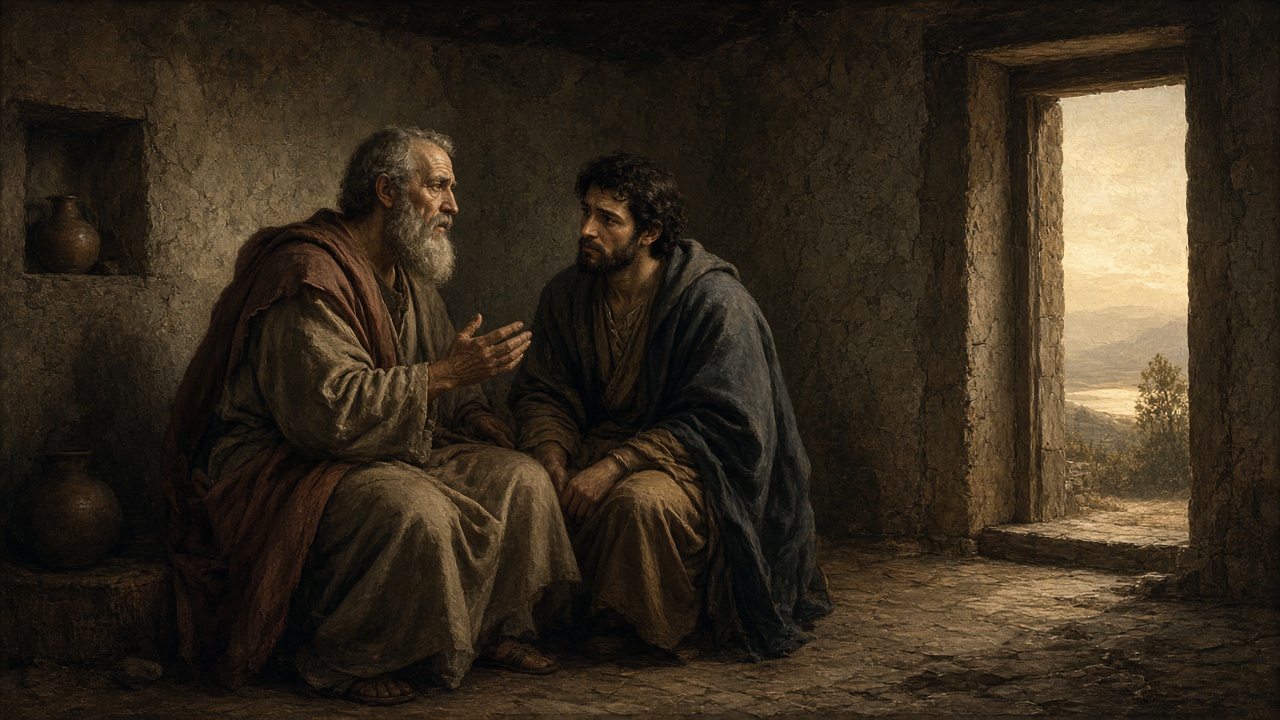
A exortação final e a despedida de Paulo
- Paulo pede a Timóteo que venha depressa. Demas, que o Dicionário Bíblico de Easton (1897) descreve como companheiro e colaborador de Paulo durante sua primeira prisão em Roma, abandonou-o por amor a este mundo e foi para Tessalônica, grande cidade no golfo Termaico e capital de um dos quatro distritos romanos da Macedônia. Crescente foi para a Galácia e Tito para a Dalmácia, região montanhosa na costa oriental do Adriático e parte da província romana do Ilírico; Paulo enviou Tíquico a Éfeso, e só Lucas permanece com ele.Fontes: Demas · Thessalonica · Dalmatia · o próprio texto bíblico
- O Dicionário Bíblico de Easton (1897) identifica Alexandre, o latoeiro, como um homem que, com Himeneu e outros, ensinava certas ideias sobre a ressurreição, e afirma que Paulo o excomungou. Neste capítulo, Paulo escreve que Alexandre lhe fez grande mal, pede a Timóteo que se acautele dele, porque se opôs com vigor à nossa mensagem, e diz que o Senhor lhe retribuirá segundo as suas obras.Fontes: Alexander · o próprio texto bíblico
- Paulo pede a Timóteo que traga a capa que deixou com Carpo em Trôade, junto com os rolos, especialmente os pergaminhos, e que chegue antes do inverno. Trôade era uma cidade no litoral da Mísia, no noroeste da Ásia Menor, que recebeu o nome da antiga Troia, situada cerca de quatro milhas ao norte.Fontes: Troas · o próprio texto bíblico
Notas escritas com auxílio de IA a partir de fontes abertas (Theographic Bible Metadata, CC BY-SA 4.0; Easton’s Bible Dictionary, domínio público) e revisadas antes de publicar.
Lugares deste capítulo
- Dalmatia · 43.813, 16.219 · versículo 10
- Galatia · 39.267, 32.983 · versículo 10
- Thessalonica · Hoje: Thessaloniki · 40.638, 22.946 · versículo 10
- Ephesus · 37.939, 27.341 · versículo 12
- Troas · Hoje: Alexandria Troas · 39.752, 26.159 · versículo 13
- Corinth · 37.906, 22.879 · versículo 20
- Miletus · 37.531, 27.276 · versículo 20
Só aparecem lugares com identificação de alta confiança (90% ou mais segundo as fontes acadêmicas reunidas pelo OpenBible). Mapa da época: DARE (Digital Atlas of the Roman Empire), CC BY 4.0; mapa atual: © colaboradores do OpenStreetMap; lugares: OpenBible.info (CC BY 4.0).
Créditos e licença desta tradução
Topẽ vĩ rá
New Testament in Kaingang (BR:kgp:Kaingang)
copyright © 2011 Wycliffe Bible Translators, Inc.
Language: Kaingang
Translation by: Wycliffe Bible Translators, Inc.
Copyright Information
© 2011, Wycliffe Bible Translators, Inc. All rights reserved.
This translation text is made available to you under the
terms of the Creative Commons License: Attribution-Noncommercial-No Derivative Works.
( http://creativecommons.org/licenses/by-nc-nd/3.0/ )
In addition, you have permission to port the text to different file formats, as long as you
do not change any of the text or punctuation of the Bible.
You may share, copy, distribute, transmit, and extract portions
or quotations from this work, provided that you include the above copyright
information:
You must give Attribution to the work.
You do not sell this work for a profit.
You do not make any derivative works that change any of the actual words or punctuation of the Scriptures.
Permissions beyond the scope of this license may be
available if you contact
us with your request.
The New Testament
in Kaingang
© 2011, Wycliffe Bible Translators, Inc. All rights reserved.
This translation is made available to you under the terms of the
Creative Commons Attribution-Noncommercial-No Derivatives license 4.0.
You may share and redistribute this Bible translation or extracts from it in any format, provided that:
You include the above copyright and source information.
You do not sell this work for a profit.
You do not change any of the words or punctuation of the Scriptures.
Pictures included with Scriptures and other documents on this site are licensed just for use with those Scriptures and documents.
For other uses, please contact the respective copyright owners.
2022-03-04
Fonte: http://ebible.org/kgpNT/ · eBible.org