1 Tessalonicenses 4
Topẽ vĩ rá · Toque num versículo para ver as referências cruzadas.
Jesus jykre mĩ ẽg mũnh ke mũ
1Inh kanhkã', vãhã sóg ãjag mỹ nén ũ tó sór mũ gé. Ẽg Senhor tỹ Jesus rĩnve sóg ãjag jyvẽn sór mũ. Ãjag mỹ sóg ti jykre tó huri, ãjag tỹ ti japry jagma, ti jamĩn jagma mũ há han jé, ãjag tỹ Topẽ mỹ há nỹtĩ jé. Tag han ãjag tóg mũgtĩ. Gemnĩ. To tar nỹtĩmnĩ. 2Tag kãmén sór isóg mũ ãjag mỹ, ẽg Senhor tỹ Jesus tỹ inh mỹ: “tag tómnĩ,” he ja nĩn kỹ. 3Topẽ vỹ ãjag to jykrén, ãjag tỹ ti jykre hã han jé. Kỹ ãjag prũ tũ fag mré nỹ tũg nĩ, ãjag mén tũ ag mré nỹ tũg nĩ gé. 4Ãjag tỹ ãjag prũ fi mré nỹ kỹ fi mré nỹ há han nĩ, Topẽ jykre han jé. Kỹ ẽprã ke ag vỹ ãjag to jykrén kónãn ke tũ nĩ gé. Fi tỹ prũg kónãn tũg nĩ. 5Fi to én kónãn tũg nĩ gé, ãjag prũ fi to. Ũ tỹ Jesus ki rã tũ ag jykre han tũg nĩ. Ũ tỹ Topẽ jykre ki kagtĩg nỹtĩ ag jykre han tũg nĩ, ãjag prũ fi to. Fi tỹ prũg há han nĩ.
6Ãjag régre tỹ nén ũ to én tũg nĩ. Ti tũ vẽ mỹr, kỹ ti tũ ki Topẽ vĩ mranh tũg nĩ. Topẽ hã ne tag to jũ tĩ'. Kỹ ãjag régre tỹ nén ũ vóg tũg nĩ. Ãjag tỹ ti tũ vóg kỹ Topẽ vỹ ãjag vóg ke mũ gé, ti kajãm jé. Tag tó sóg huri ãjag mỹ, tag to sóg ãjag mỹ vĩ tar han huri, hã ra sóg ãjag mỹ tó mãn mũ gé. 7Ẽg tỹ vẽnh kavénh kỹ ẽg tóg Topẽ jykre han tũ nĩgtĩ mỹr. Ti jykre vỹ kuryj nỹ. Ẽg tỹ tỹ ti tũ nỹtĩ hã jé tóg ẽg kuprẽg. 8Ẽprã ke vĩ pijé', sỹ ãjag mỹ nén tó mũ tag ti'. Topẽ vĩ vẽ mỹr. Ãjag tỹ inh vĩ tag han tũ nĩn kỹ ãjag tóg Topẽ vĩ mranh mũ. Ti hã ne tóg ã kuprĩg tỹ inh jagrẽ han ja nĩ', kỹ tóg tỹ ãjag jagrẽ han ja nĩ gé.
9Nén ũ to ãjag tar nỹtĩ, hã vỹ: jagnẽ to há, he mũ. Hã kỹ sóg tag to ãjag mỹ rán mág han ke tũ nĩ. Topẽ vỹ ãjag kanhrãn, ãjag tỹ jagnẽ jagãgtãn ken ki. Ki hã han ãjag tóg tĩ. 10Ga tỹ Macedônia tá ke kar ag to ãjag há nỹtĩ, Jesus mré ke kar ag to ke gé. To tar nỹtĩmnĩ, to krónh ke tũg nĩ, ãjag tỹ tỹ Jesus mré ke nỹtĩn kỹ. Hã jé sóg ãjag jyvẽn mũ.
11Vãsãn nĩ, ãjag tỹ jatun mỹ nỹtĩ jé, jatun mỹ ãjag rãnhrãj hyn han jé. Ãjag rãnhrãj pẽ ẽn to tar nỹtĩmnĩ, hã jé sóg ãjag jyvẽn ja nĩ. Kỹ sóg to ãjag jyvẽn mãn mũ, ãjag rãnhrãj to. 12Kỹ nén ũ vỹ ãjag mỹ tũ' henh ke tũ pẽ nĩ. Hã ki vẽnh kar tóg ẽg jykre há ki kanhró nỹtĩnh mũ. Ãjag tỹ ãjag rãnhrãj to nén ũ kar ve kỹ tóg há tĩ, ũ tỹ ãjag mỹ nén ũ nĩm tũ nĩ jé, fagrĩnh mỹ.
Jesus mré ke ter kỹ fỹ mág tũg nĩ
13Inh kanhkã', sỹ nén ũ ki ãjag kanhrãn há tóg tĩ gé, ha mẽ. Ẽg mré ke ũ ag tóg kãgter kỹ nỹtĩ. Kỹ fỹ mág tũg nĩ ag jé. Jesus ki ge tũ ag ri ke han tũg nĩ. Ag ter kỹ ag tóg nén ũ há venh ke tũ nĩ. Hã kỹ ag tóg fỹ mág tĩ, Jesus ki ge tũ ag. Hã ra tóg ẽg mỹ ge tũ nĩ. 14Jesus vỹ ter ja nĩ, kar kỹ tóg rĩr mãn ja nĩ. Tag ki kanhró ẽg tóg nỹtĩ. Hã ri ke ti nĩ, Jesus ki ge mũ ag kãgter ti. Topẽ vỹ ẽg han mãn ke mũ, Jesus tugrĩn, ẽg tỹ ti mré nỹtĩ jé sir. 15Ẽg Senhor vỹ inh kanhrãn, hã kỹ sóg tó mũ. Ti jẽnky ki tóg kutẽ, sỹ tónh ke tag ti, ha mẽ. Ver ẽg rĩnrĩr nỹtĩ. Hẽn ri ke mũn ẽg kãgter kãn ke tũ nĩ, ti kãtĩg ken jo. Kỹ ẽg tóg ti kãtĩg venh mũ sir. Hã ra ẽg tóg ũn kãgter mũ ag jo mũnh ke tũ nĩ. Ag hã mré ẽg tóg mũnh ke mũ.
16Ti kãtĩg vỹ ge nĩnh mũ, ha mẽ. Tére jé tóg ke mũ, ẽg Senhor ti, kanhkã tá. Kỹ vẽnh vĩ tóg mẽ há tĩnh mũ. Topẽ tỹ jẽnẽ jafã ag pã'i mág vỹ prẽr ke mũ sir. Topẽ tỹ vãkyn jafã vỹ mẽ há tĩnh mũ, trombeta ẽn ti. Kỹ ũn kãgter mũ ag vỹ rĩnrĩr mãn mũ sir, Jesus mré ke ag. 17Kar kỹ ẽg tóg ag mré jãprynh mũ gé, ẽg tỹ ti kãtĩg ke jo ter tũ hã ra. Ag mré ẽg tóg jãprynh mũ, ũn rĩnrĩr mãn mũ ag mré. Kanhkã góg kãmĩ ẽg tóg jãprynh mũ, kỹ ẽg tóg ẽg Senhor kato tẽgtẽnh mũ sir, kanhkã krẽm. Hã kỹ ẽg tóg ti mré nỹtĩnh mũ sir, ẽg Senhor mré, ẽg tỹ kanhkã ra mũn kỹ. Ti ré kỹ ẽg mũ mãn ke tũ nĩ sir. 18Tag tómnĩ jagnẽ mỹ, ãjag krĩ tỹ kãnhvy' he jé, ũn kãgter mũ ag to.
Você sabia?
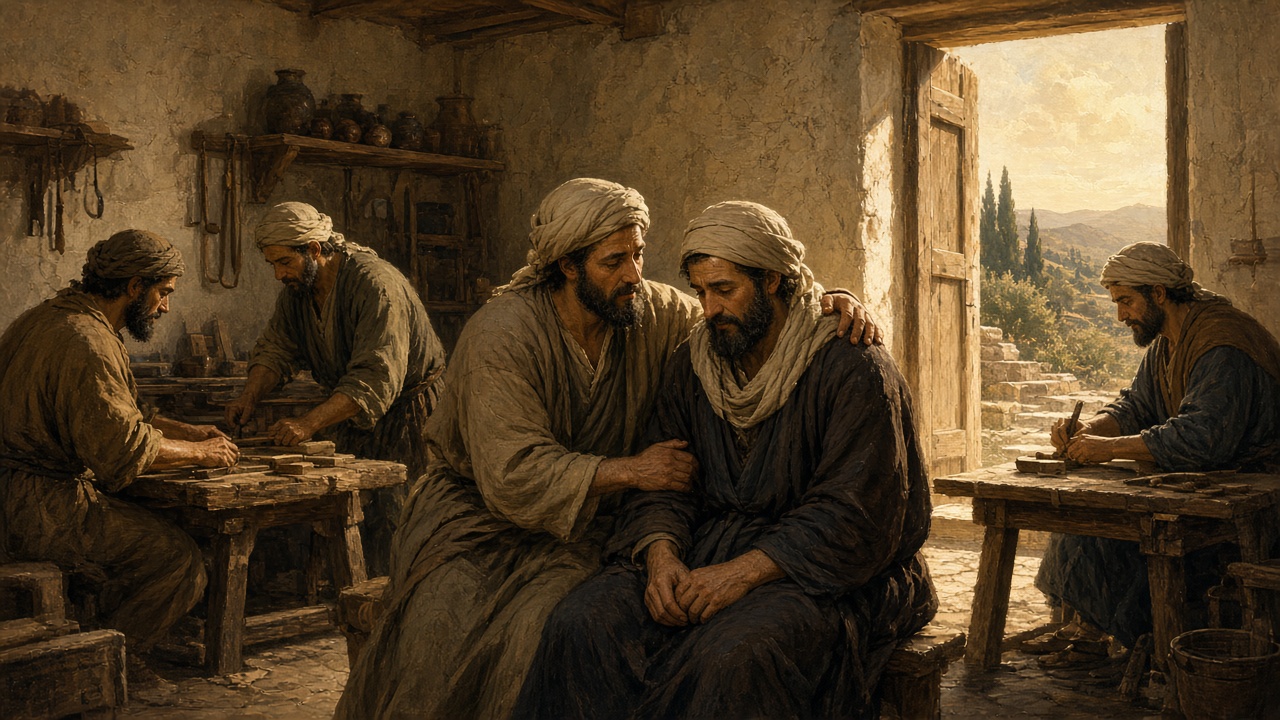
Santidade, amor e esperança pelos que morreram
- Este capítulo observa que seus leitores já demonstravam amor a todos os irmãos por toda a Macedônia. Nos tempos do Novo Testamento, a Macedônia era uma província romana situada ao norte da Grécia, governada por um propretor com o título de procônsul. Paulo foi chamado por uma visão do "homem da Macedônia" para pregar o evangelho ali.Fontes: o próprio texto bíblico · Macedonia
- O capítulo fala dos mortos como pessoas que dormem ou adormeceram, e pede aos leitores que não se entristeçam como os demais, que não têm esperança. Porque Jesus morreu e ressuscitou, diz o texto, Deus trará com Jesus os que nele adormeceram; os mortos em Cristo ressuscitarão primeiro, e então os que ainda estiverem vivos serão arrebatados com eles nas nuvens para encontrar o Senhor nos ares.Fontes: o próprio texto bíblico
- Os leitores são exortados a aspirar a uma vida tranquila, a cuidar dos próprios assuntos e a trabalhar com as próprias mãos, como já lhes havia sido instruído. O capítulo apresenta isso como o modo de se portar corretamente diante dos de fora e de não depender de ninguém.Fontes: o próprio texto bíblico
Notas escritas com auxílio de IA a partir de fontes abertas (Theographic Bible Metadata, CC BY-SA 4.0; Easton’s Bible Dictionary, domínio público) e revisadas antes de publicar.
Lugares deste capítulo
- Macedonia · 41.600, 22.540 · versículo 10
Só aparecem lugares com identificação de alta confiança (90% ou mais segundo as fontes acadêmicas reunidas pelo OpenBible). Mapa da época: DARE (Digital Atlas of the Roman Empire), CC BY 4.0; mapa atual: © colaboradores do OpenStreetMap; lugares: OpenBible.info (CC BY 4.0).
Créditos e licença desta tradução
Topẽ vĩ rá
New Testament in Kaingang (BR:kgp:Kaingang)
copyright © 2011 Wycliffe Bible Translators, Inc.
Language: Kaingang
Translation by: Wycliffe Bible Translators, Inc.
Copyright Information
© 2011, Wycliffe Bible Translators, Inc. All rights reserved.
This translation text is made available to you under the
terms of the Creative Commons License: Attribution-Noncommercial-No Derivative Works.
( http://creativecommons.org/licenses/by-nc-nd/3.0/ )
In addition, you have permission to port the text to different file formats, as long as you
do not change any of the text or punctuation of the Bible.
You may share, copy, distribute, transmit, and extract portions
or quotations from this work, provided that you include the above copyright
information:
You must give Attribution to the work.
You do not sell this work for a profit.
You do not make any derivative works that change any of the actual words or punctuation of the Scriptures.
Permissions beyond the scope of this license may be
available if you contact
us with your request.
The New Testament
in Kaingang
© 2011, Wycliffe Bible Translators, Inc. All rights reserved.
This translation is made available to you under the terms of the
Creative Commons Attribution-Noncommercial-No Derivatives license 4.0.
You may share and redistribute this Bible translation or extracts from it in any format, provided that:
You include the above copyright and source information.
You do not sell this work for a profit.
You do not change any of the words or punctuation of the Scriptures.
Pictures included with Scriptures and other documents on this site are licensed just for use with those Scriptures and documents.
For other uses, please contact the respective copyright owners.
2022-03-04
Fonte: http://ebible.org/kgpNT/ · eBible.org