João 3
Bëngbe Bëtsa Cabëngaftaca Entsoyebuambna · Toque num versículo para ver as referências cruzadas.
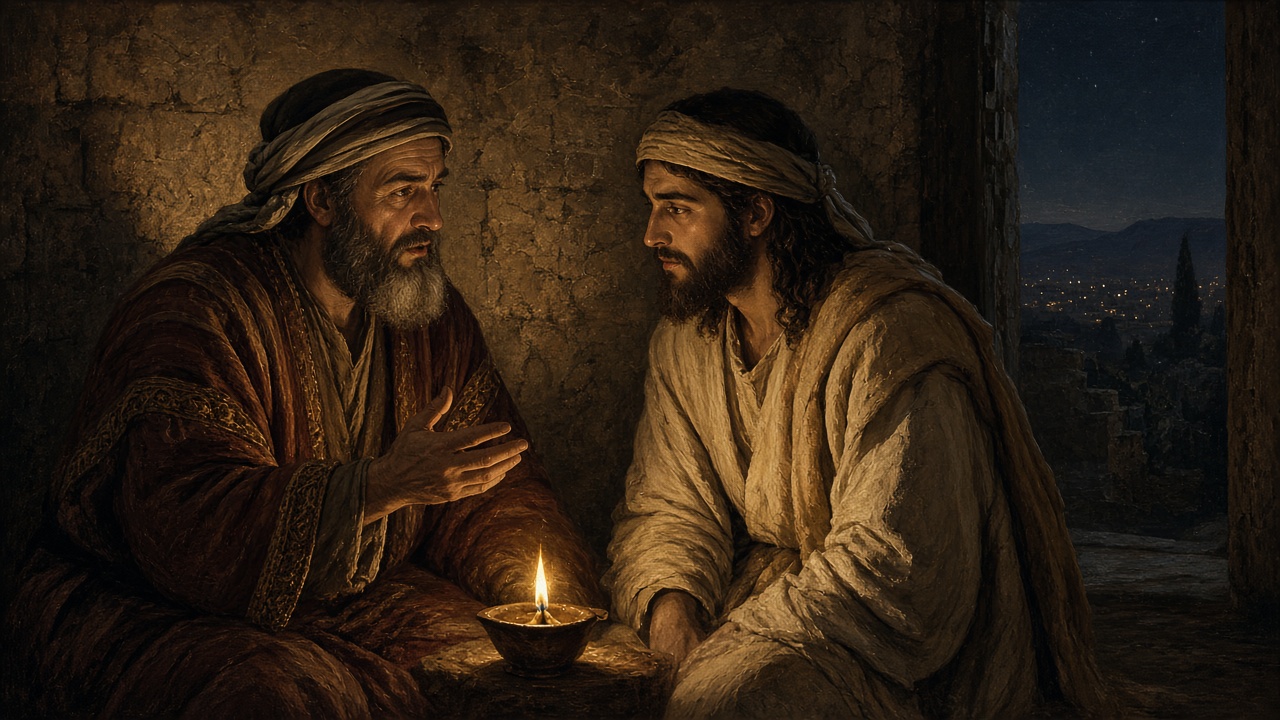
Jesús y Nicodemo
1Inamna canÿe boyabása Nicodemo ca uabainá. Cha yojamna fariseunguents̈á y judiëngbe canÿe amëndayá. 2Chana ibeta Jesúsbioye tojána y tbojaniyana: —Buatëmbayá, bënga fsë́ntsetats̈ëmbo aca canÿe buatëmbayá comnama, Bëngbe Bëtsabe ichmoná. Ndocná quenátobena jamana quem bëts soyënga, aca contsama soyënga, Bëngbe Bëtsá cháftaca ndoñe tontsemnëse. Chíyeca bënga chca fsë́ntsetats̈ëmbo ca —cha tbojaniyana.
3Chora Jesús tbojanjuá: —Ndegombre cbëyana, nda ndoñe cachiñe tontonÿná, cha ndoñe quenátobena Bëngbe Bëtsabe amë́ndayana jinÿama ca.
4Y Nicodemo tbojantjá: —¿Nts̈amo, canÿe ents̈á ya bëtsá tojtsemna ora, nantsobena cachiñe jtónÿnama ca? Ndegombre, cha ndoñe ntsobenana cachabe mamabe cuerpiñe jtamashënguana cachiñe jtónÿnama ca.
5Chora Jesús tbojanjuá: —Ndegombre cbëyana, béjayeca y chë Uámana Espíritbeyeca ntjonÿnacá, ndocná quenátobena Bëngbe Bëtsabe amë́ndayoye jamashënguama. 6Nda bëtsë́tsabents̈ana tojonÿná cha, quem luarents̈a ents̈angcá jtsemnana; pero chë Uámana Espíritbeyeca tojonÿná chana, jtsemnana canÿa chë Uámana Espíritu ainaniñe bomná. 7Ndoñe matenjnanana nts̈amo tcbonjauyanama: “Nÿetscanga entsamna cachiñe jtónÿnama”. 8Chë binÿia ndëmuajana tojtsebos̈e jtsemnama, chëjana jtsanana. Masque ents̈anga, chë binÿiayama jtsuenanana, ndoñe ntsetats̈ëmbuana ndë́mocana yobama y ndë́moye yojtsoma. Cachcá, ts̈ëngaftanga ndoñe ques̈mátstats̈ëmbo nts̈amo ents̈anga chë Uámana Espíritbeyeca tmojtsónÿnama; pero ts̈ëngaftanga s̈montsetáts̈ëmbo aíñe chca yomnama ca —Jesús tbojaniyana.
9Chora Nicodemo tbojantjá: —¿Nts̈amo chca nántsemna ca?
10Y Jesús tbojanjuá: —Aca, canÿe Israeloca abuatambayá, ¿chë soyëngama ndoñe condë́tats̈ëmbo ca? 11Ndegombre cbëyana, bëngna chë fststáts̈ëmbo soyëngama fsëntsoyebuambná, y chë tifjinÿe soyëngama ndegombre bétsemnama fsë́ntsichamo. Pero ts̈ëngaftangna, chë cbontsëtsëtsná soyënguiñe ndoñe ques̈matos̈buaché. 12Ats̈e, quem luarents̈a soyëngama sënjoyebuambá y ts̈ëngaftanga áts̈beñe ndoñe ches̈matos̈buaché. Y as, ¿nts̈amo áts̈beñe s̈mochtsos̈buáchiye, celoca soyëngama cbojtsëtsëtsnase?
13“Ndocná, nÿe cachábeyeca Bëngbe Bëtsábioye tonjátsjua. Nÿe chë celocana tojabá aíñe, chë Bëngbe Bëtsá Ents̈á tbojanbemá. 14Y chcase, nts̈amo Moisés ents̈anga ndoyenoca bronce mëts̈cuaye tsbanánoca tbojananguësëtjcá, s̈oquënga ts̈abá chamotsatsmënama; cachcá entsemna, Bëngbe Bëtsá Ents̈á tbojanbemá ents̈anga chamuatsbanama; 15chca, nÿetscanga chábeñe tmojtsos̈buáchenga, chë nÿetsca tescama yomna ts̈abe vida chamotsebomnama ca” —Jesús Nicodémbioye tbojaniyana.
Ntsachets̈á Bëngbe Bëtsá ents̈anga iuababuánÿeshana
16Mënts̈ánaca Jesús tojánayana: —Bëngbe Bëtsá quem luare ents̈ángbioye ts̈a yojánababuanÿeshanayeca, chë nÿe canÿe Uaquiñá ibobomná, bë́ngbioye tbojichmó, nÿetsca chábeñe os̈buáchiyënga ndoñe chamondóbanama, y aíñe chë nÿetsca tescama yomna ts̈abe vida chamotsebomnama. 17Er Bëngbe Bëtsá chabe Uaquiñá quem luaroye ndoñe tbonjichmó quem luare ents̈angbiama jabáyanama nts̈amo tmojamama castigánënga chaotsamnama ca, sinó, ents̈anga chábeyeca atsebácanënga chamotsemnama.
18“Nda Bëngbe Bëtsabe Uaquiñábeñe tojtsos̈buáchebiama, Bëngbe Bëtsá ndoñe queochátayana nts̈amo cha tojamama, castiganá chaotsemna ca. Pero chë Uaquiñábeñe ndoñe tontsos̈buáchebiama, mora Bëngbe Bëtsá ya tojayana, nts̈amo tojamama cha castiganá chaotsemna ca, chë Bëngbe Bëtsá nÿe canÿe Uaquiñá ibobomnábeñe ndoñe yontsos̈buaché causa. 19Chca, chë ndoñe tmontsos̈buáchengbiamna cha ya tojayana, nts̈amo tmojamama castigánënga chamotsemna ca; er chë ents̈angbe juabnënga binÿnayá quem luaroye tojabo, pero ba ents̈anga tmojábos̈ena jtsomñana, chë ents̈angbiama bacna juabnë́ngaca chamotsebomnama amáftaca. Chënga sempre bacna soyënga jtsamana; chíyeca chënga jtsebos̈ana cháftaca jtsomñama. 20Chë bacna soyënga tojtsamá ndoñe ntsebos̈ana, chë binÿnayá chabe bacna soyënga chabuinÿinÿema, ni chabe bacna soyëngama chabuácacanama. Chíyeca, chë bacna soyënga jtsamëse oyená, chë binÿnayábioye jtsáboyënjana, y chë binÿnayábioye ndoñe ntjabana. 21Pero nda sempre tojtsiyena nts̈amo ndegombre yomncá jtsamëse, chana aíñe chë binÿnayábioye jabana, chë binÿnayá chabiama chabuinÿinÿema, chë tojama soyëngna, nts̈amo Bëngbe Bëtsá tojtsebos̈cá tojamama ca” —Jesús tojánayana.
Juan chë Ubayaná cachiñe Jesucristbiama tojanabuayená
22Chca tojanopasá chents̈ana, Jesús chabe uatsjéndayëngaftaca básefta Judeoca pueblëngoye tojtsanoñe. Chiñe, baseftatescama chë uatsjéndayëngaftaca tojanoquedá, ents̈anga ubáyana. 23Cach tempo, Juanënaca ents̈anga yojanëbáyana Enonoca, Salim béconana, er choca bëtscá béjaye inabinÿna. Ba ents̈anga choye imojtsaye, y Juan chënga yojanëbáyana. 24Chca tojanopasá, chë Heródesbe soldadënga Juan cabá ndutame ora.
25Chë tempo, básefta Juanbe ústonënga tmojanonts̈é inÿe judíoftaca enatsëtsnayana nts̈amo tempo judiënga chë jtsacuénts̈abiama imojanámanama. 26Chora, chënga Juánbioye tmojánabo y tmojaniyana: —Buatëmbayá, chë Jordán chenguánoica ácaftaca enjamná, ndabiama ts̈a ts̈abá conjanoyebuambná, mora ents̈anga entsëbayana y nÿetscanga cha montsë́stona ca.
27As Juan tojanë́yana: —Ndocná quenátobena tondaye ntsebomnana, Bëngbe Bëtsá ndoñe tbonjats̈etase. 28Cach ts̈ëngaftanga ts̈abá s̈monjanuena y s̈montsobena ndegombre yomnama jayanana, ats̈e ndoñe chë Bëngbe Bëtsabe Uámana Uabuayaná tsjanmëna ca sënjánayanama; sinó, Bëngbe Bëtsá ats̈e s̈ojanichmó chë Uabuayanabe natsana, chabiama ents̈anga jabábuayenama. 29Chë tobias̈e tojtsobouamá ora, chë bobontse chábioye jtsebomnana; y chabe amigna, chabiama jtsobátmanana y chë bobontse bouamnabe oyebuambnayana jtsuenanana; y chca tojtsuenana ora, ts̈a oyejuayá cha jtsemnana. Cachcá, nts̈amo chë Uabuayaná yojtsamama y yojtsóyebuambnama sëntsuenana ora, áts̈naca corente oyejuayá së́ntsemna. 30Cha bontsemna más uamaná jtsemnana, pero ats̈e s̈ontsemna más nduamaná jtsemnana ca —Juan tojanë́yana.
Nts̈amo yomna chë celocana tojabá
31Mënts̈ánaca Juan tojánayana: “Chë tsbanánocana tojabá, nÿetsca ents̈angbiama más uamaná endmëna. Chë quem luare oyená quem luare ents̈angcá jtsemnana y quem luarents̈a soyëngama jtsóyebuambnayana, pero chë celocana tojabana, nÿetsca ents̈angbiama más uamaná endmëna. 32Cachá nts̈amo tojinÿe y tojouencá entsoyebuambná, pero chë entsichamo soyënguiñe ndocná quenatos̈buaché. 33Nda nts̈amo cha tojtsóyebuambnañe tojtsos̈buaché y chca tojtsama, jtsinÿanÿnayana Bëngbe Bëtsá ndegombre soyënga inetsichámuama. 34Chcasna, Bëngbe Bëtsabe ichmonana, jtsóyebuambnayana nts̈amo Bëngbe Bëtsá tojtsichamcá. Bëngbe Bëtsana chë ichmonábioye tbojichmó chë Uámana Espíritu, nÿets tempo corente chabotsájabuachanama, nts̈amo cach Bëngbe Bëtsá tojtsichamo y cachcá chaotsichámuama. 35Chë Taitá Uaquiñábioye bondbobonshana, y chë Uaquiñábioye obenana tbojats̈etá nÿetsca soyënguiñe jtsemándayama. 36Nda chë Uaquiñábeñe tojtsos̈buaché, chë nÿetsca tescama yomna ts̈abe vida echántsebomna; y nda chë Uaquiñábioye ndoñe tbontsas̈buaché, chana chë vida ndoñe queochátsbomna, y chë Bëngbe Bëtsabe uabouana castigo nÿetsca tescama chábeñe echántsemna ca” —cha tojánayana.
Você sabia?
O novo nascimento e o testemunho de João
- Nicodemos, cujo nome significa "o povo é vencedor", era fariseu e membro do Sinédrio. Ele foi a Jesus de noite para conhecer melhor o seu ensino, e o Evangelho o chama de líder dos judeus; Jesus se dirige a ele como mestre de Israel.Fontes: Nicodemus · o próprio texto bíblico
- Depois dessa conversa, Jesus e seus discípulos foram para a região rural da Judeia, que sob os romanos era a mais meridional das três divisões da Palestina. João também batizava em Enom, perto de Salim, porque ali havia água em abundância; Salim, cujo nome significa "pacífico", ficava a oeste do Jordão. Enom significa "fontes", e o Dicionário Bíblico de Easton (1897) situa o lugar provavelmente perto da nascente superior do Wady Far'ah, um vale aberto cheio de fontes que vai do monte Ebal até o Jordão.Fontes: o próprio texto bíblico · Judea · Aenon · Salim
- Neste capítulo, João diz a seus discípulos que não é o Cristo, mas que foi enviado adiante dele, e a narrativa observa que ele ainda não tinha sido preso. O Dicionário Bíblico de Easton (1897) o descreve como o precursor de Jesus, de descendência sacerdotal, e diz que sua missão foi objeto de profecia.Fontes: o próprio texto bíblico · John the Baptist
Notas escritas com auxílio de IA a partir de fontes abertas (Theographic Bible Metadata, CC BY-SA 4.0; Easton’s Bible Dictionary, domínio público) e revisadas antes de publicar.
Lugares deste capítulo
- Jerusalem · 31.777, 35.234 · versículo 22
- Judea · Hoje: Judea 1 · 31.777, 35.234 · versículo 22
- Jordan · Hoje: Jordan River · 31.761, 35.558 · versículo 26
Só aparecem lugares com identificação de alta confiança (90% ou mais segundo as fontes acadêmicas reunidas pelo OpenBible). Mapa da época: DARE (Digital Atlas of the Roman Empire), CC BY 4.0; mapa atual: © colaboradores do OpenStreetMap; lugares: OpenBible.info (CC BY 4.0).
Créditos e licença desta tradução
Bëngbe Bëtsa Cabëngaftaca Entsoyebuambna
New Testament in Camsá
copyright © 2009 Wycliffe Bible Translators, Inc.
Language: Camsá
Translation by: Wycliffe Bible Translators, Inc.
Copyright Information
© 2009, Wycliffe Bible Translators, Inc. All rights reserved.
This translation text is made available to you under the
terms of the Creative Commons License: Attribution-Noncommercial-No Derivative Works.
( http://creativecommons.org/licenses/by-nc-nd/3.0/ )
In addition, you have permission to port the text to different file formats, as long as you
do not change any of the text or punctuation of the Bible.
You may share, copy, distribute, transmit, and extract portions
or quotations from this work, provided that you include the above copyright
information:
You must give Attribution to the work.
You do not sell this work for a profit.
You do not make any derivative works that change any of the actual words or punctuation of the Scriptures.
Permissions beyond the scope of this license may be
available if you contact
us with your request.
The New Testament
in Camsá
© 2009, Wycliffe Bible Translators, Inc. All rights reserved.
This translation is made available to you under the terms of the
Creative Commons Attribution-Noncommercial-No Derivatives license 4.0.
You may share and redistribute this Bible translation or extracts from it in any format, provided that:
You include the above copyright and source information.
You do not sell this work for a profit.
You do not change any of the words or punctuation of the Scriptures.
Pictures included with Scriptures and other documents on this site are licensed just for use with those Scriptures and documents.
For other uses, please contact the respective copyright owners.
2016-05-05
Fonte: http://ebible.org/kbh/ · eBible.org