Efésios 5
Bëngbe Bëtsa Cabëngaftaca Entsoyebuambna · Toque num versículo para ver as referências cruzadas.
Nts̈amo yomna Bëngbe Bëtsabe básenga chamotsiyenama
1Ts̈ëngaftanga, Bëngbe Bëtsabe bonshana básenga quetsomñecá, nÿa s̈mochtsents̈ena cachacá jtsemnama. 2S̈mochtsiyena nÿetsca soyënga bonshanánaca jtsamëse, nts̈amo Cristo s̈ojanababuanÿeshancá; chca, cha chabe derecho vida jtsobomñama cachcá tojanonÿá y bëngbiama tojanóbana. Y nts̈amo Cristo tojanmcá, yojamna Bëngbe Bëtsábioye jëtschuayama, y chabe bominÿiñe ts̈a ts̈abá yojtsemna, mo ndaye ora Bëngbe Bëtsá oyejuayá jóyëngacñana ndayá tcojóba y altaroca tcojajuinÿese, y chë soye botamana jtsonguëts̈iyana.
3Ts̈ëngaftanga, Bëngbe Bëtsábenga s̈momnënga, ndoñe quecmátamna shembása o boyabásaftaca bacna soyënga jtsamana, ni chca játamama jtsejuabnayana y jtsebos̈ana, y chë nÿe yapa jésebos̈ana más soyënga ínÿengbiama jtsebomnama cach ndoñe. Ni chë soyëngama ndoñe s̈mattsóyebuambnaye. 4Bacna soye ndoñe s̈mattsóyebuambnaye, ni corente ntjenojuaboycá, ni nÿe nts̈ámnaca bacna soye jenbotats̈ëmbonana cach ndoñe, er chë soyënga ts̈ëngaftangbiama ndoñe ts̈abá ntsemnana. Chca játamamna, más ts̈abá, Bëngbe Bëtsá s̈mochtsatschuanaye. 5Er ts̈ëngaftanga ya s̈mondë́tats̈ëmbo, ndocna chë shembása o boyabásaftaca bacna soye amá, ndocna chë nÿe chabe bacna juabnë́ngaca soyënga jtsamama oyená, o chë nÿe más soyënga ínÿengbiama jtsebomnama bos̈á y amá (chca jtsayanana chabiama más iuámana soyënga jtsebomnana, Bëngbe Bëtsábioye jatsbobonshánama), chca amënguents̈ana ndocná tondaye queochatóyëngacñe ndayá Bëngbe Bëtsá chabe ents̈ángbioye jats̈atayama tojas̈ebuachenants̈ana, Cristo y Bëngbe Bëtsabe amë́ndayoca. 6Ndocná chacmondaingñé ndoñe ndegombre tondmëna palabrë́ngaca, bacna soyënga chas̈motsamama, er chë causa chë uabouana castigo echanjobaye, ndáyeca Bëngbe Bëtsá chábioye ndëyeunanënga yochjácastigaye. 7Chíyeca, chca amëngbe soyënga tondaye s̈mattsama.
8Tempo ts̈ëngaftanga s̈mojaniyena bacna juabnënga jtsebomnëse y bacna soyënga jtsamëse, mo ibetiñe cuaftsiyencá, pero mora Bëngbe Utabnáftaca cánÿiñe mo canÿacá bétsemnayeca, chabe soyënga s̈montsetáts̈ëmbo y sempre s̈mondétsemna cháftaca, chë ents̈angbe juabnënga binÿnayáftaca. S̈mochtsiyena jtsamëse mo chë binÿnayabe ents̈angcá. 9Chë binÿnayábeyeca ents̈anga ts̈abe soyënga jtsamana, chë Bëngbe Bëtsabe bominÿiñe ts̈abá yomna soyënga, y ndegombre soyë́ngnaca. 10Nÿa s̈mochtsents̈ena soyënga jamama, Bëngbe Bëtsá oyejuayá chaotsemnama. 11Chë mo ibetiñe cuaftsiyencá oyenëngbe bacna soyënga tondayama ntsoservénana, y ts̈ëngaftanga chca ndoñe s̈mattsama. Chamna, chë́ngbioye s̈mochjínÿanÿiye chënga ndoñe ts̈abá tmonjamama. 12Ndegombre, nÿe chë ndayá chënga mo iytëmencá tmojamama jóyebuambayama ya cuantsëuatja; 13pero nÿetsca soyënga binÿniñe tmojacjá ora jtsopodénana ts̈abá jinÿama nts̈amo ndegombre tomncá. Cachcá, nts̈amo ents̈anga tmojamcá chë binÿnayá chaojinÿanÿé ora, echantsopodena jtsotats̈ëmbuama nts̈amo chë soyënga yomnana; 14er ndayánaca binÿniñe tojtsinÿinÿena, jtsopodénana jinÿama nts̈amo ndegombre chë soye tomncá. Cachcá, nts̈amo ents̈anga iytëmencá tmojtsamcá chë binÿnayá chaojinÿanÿé ora, chënga mochántsetats̈ëmbo bacna soyënga imojtsamama. Chíyeca mënts̈á jtsichámuana:
Botamana cochjájuaboye, aca ndoñe quecátobena jenomándana, mo canÿa cuaftsomañcá;
chë bacna soyënga ama causa, Bëngbe Bëtsabe bominÿiñe mo obanëngcá imomnënguents̈ana s̈mochtsojuánañe,
y Cristo acbe juabnënga echantsebínÿnaye ca.
15Chcasna, s̈mochtsantjes̈na nts̈amo ts̈abá yomncá jtsamëse chas̈motsiyenama. Ndoñe s̈mattsiyena jtsamëse, mo chë Bëngbe Bëtsabe soyëngama ndosertanëngcá, pero aíñe chë chca soyëngama osertanëngcá. 16Lempe nts̈amo chas̈mojobenacá nÿets tempo ts̈abe soyënga s̈mochtsama, er quem tempo ents̈anga yapa bacna soyënga montsama. 17Ntjenojuaboycá ndoñe s̈mattsama, mo chë ndosertanëngcá. Pero aíñe bëtscá s̈mochtsents̈ena ndayá Bëngbe Utabná jamama yobos̈cá chacmósertama. 18Ndoñe s̈mattsótmenaye, er chë soye ents̈ábioye juanatsana jenomándama ndoñe chaondëtsobenama; chamna, s̈mochjama Uámana Espíritu sempre y bëtscá ts̈ëngaftangbe ainaniñe chaotsemándama. 19S̈mochjenatsëtsaye Salmos librë́s̈añe enduábemana cantënga jacántase, Jesucristbe soyëngama cantë́ngaca y chë Bëngbe Bëtsabe Espíritu inétsama ts̈ëngaftanga chas̈motsobena jacántama soyë́ngaca; chca, nÿets ainánaca Bëngbe Utabnabiama s̈mochjacántaye y cha s̈mochtsatschuanaye. 20Nÿets tempo y lempe nts̈amo cha tojamama Bëngbe Bëtsá chë Taitá s̈mochtsatschuanaye, Bëngbe Utabná Jesucristbiajana.
Nts̈amo yomna canÿe yebnents̈ënga chamotsemnama
21Nÿetscanga s̈mochtsenëyeunana, ts̈ëngaftanga Crístbioye puerte s̈morrespetánayeca.
22Shémanga, s̈mochtsetáts̈ëmbo ts̈ëngaftangbe boyanga chë yebnents̈a mándayënga imomnama; y nÿets tempo chca s̈mochtsama, Bëngbe Utabná chas̈motsobedecénama. 23Er boyá endmëna shembe mandayá y inÿená, nts̈amo Cristo chë os̈buáchiyëngbe mandayá y inÿená endmëncá. Cha chënga tojatsebacá y mora cha chënga entsamë́nda, mo chë bests̈as̈e nÿets cuerpo jtsemandayancá; 24y chca, nts̈amo chë os̈buáchiyënga, Cristo chëngbe amëndayá yomnama imotats̈ëmbcá y chca jtsamana, cachcá, chë shemángnaca entsamna jtsemnana nÿetsca soyënguiñe chëngbe boyángaftaca.
25Boyanga, ts̈ëngaftangbe shémanga s̈mochtsababuánÿeshana, nts̈amo Cristo chábeñe os̈buáchiyënga yojanababuanÿeshancá, y chca, chabe derecho vida jtsobomñama cachcá tojanonÿá y chëngbiama tojanóbana. 26Chca tojanma, chënga chabe ents̈anga y puerte ts̈ábenga jábiamama; y chënga tmojánenabaye ora, tmojaninÿanÿé Bëngbe Bëtsá chëngbe bacna soyënga tojánabuajuanama, y chabe delante ts̈ábenga chamotsemnama cha tojanmama. Cha chca tojanma, er chënga chábeñe imojtsanos̈buaché, chabiama buayenana soyënga tmojanuena ora. 27Cha chca lempe tojanma, chë os̈buáchiyënga japróntayama corente ts̈ábenga y uámanënga cachabiama chamotsemnama, ndocna bacna soye ndbomnënga, ni ndocna ents̈á chaondobená jayanama chënga imomna chë ndoñe ts̈abá tmonjamënga ca, ni ndocna inÿe cachca sóyeca. 28Nts̈amo canÿe boyá cachabe cuerpo endbetsebobonshancá, cachcá cha bontsemna chabe shémbioye jtsebobonshánana. Nda chabe shémbioye tbojtsebobonshana, cachábioye jtsenobobonshánana, er chata cánÿiñe jtsemnana mo nÿe canÿe ents̈á cuenta. 29Er ndocná cachabe cuerpo jtsáboyënjana, ndayá saná janguangoñana y jtsinÿenana, nts̈amo Cristo bënga chë os̈buáchiyëngaftaca endbetsamcá; 30er bënga nÿetscanga cánÿiñe mondmëna mo chabe cuerpo cuaftsemncá, y bënga mo chabe cuerpents̈a soyënga cuaftsemncá. 31Nts̈amo Bëngbe Bëtsabe uabemana palabrënguiñe endayancá: “Chíyeca, boyabása chabe taitá y chabe mamá echanjésabashejuana chabe shémaftaca jenútanama, y chë útata mo canÿacá bochántsemna ca.” 32Chë soyënga josértama puerte totcá comna, pero ats̈e s̈cuayana, chë soye entsoyebuambná nts̈amo Cristo chábeñe os̈buáchiyëngaftaca yomnama. 33Pero morna, ts̈ëngaftanga cada ona cachabe shémbioye chabotsebobonshana, nts̈amo cachá iuenobobonshancá, y shema boyábioye ndoñe stëts̈oye chabondëquedá.
Você sabia?
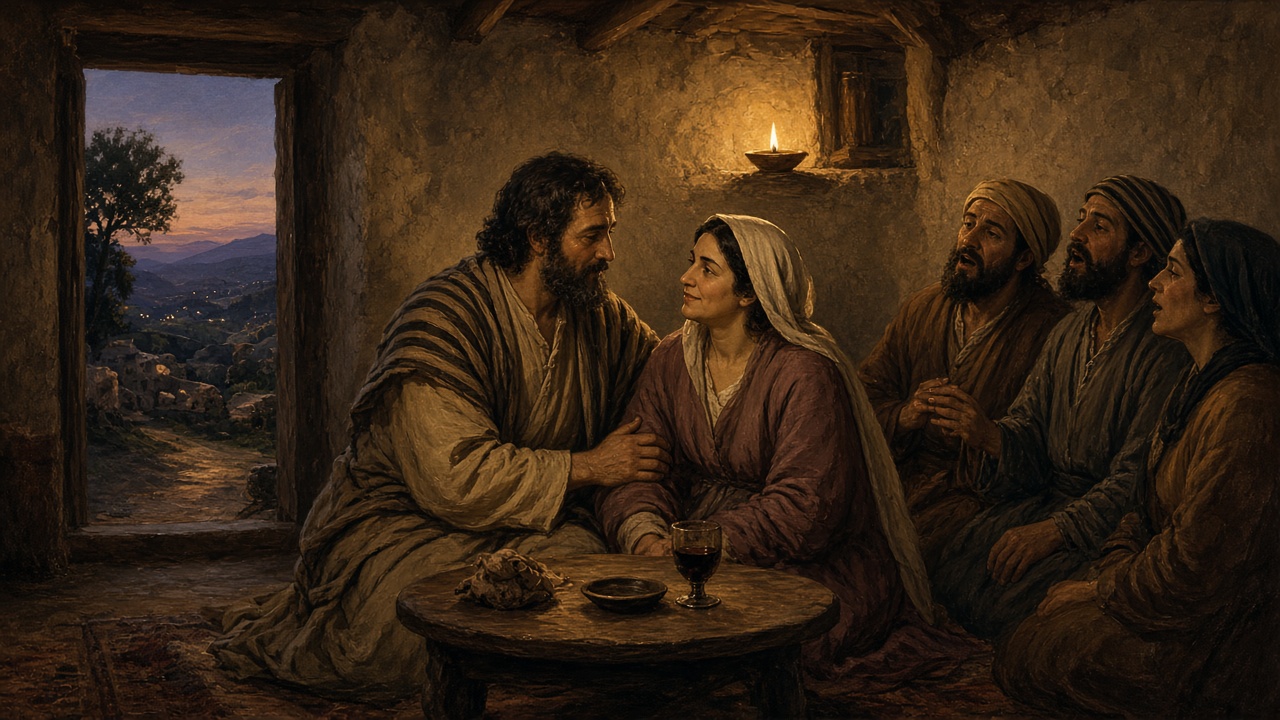
Amor, luz e o lar
- Efésios 5 começa chamando os leitores a imitar a Deus como filhos amados e a andar em amor, assim como Cristo os amou e se entregou por eles como oferta sacrificial de aroma agradável a Deus.Fontes: o próprio texto bíblico
- O capítulo diz que os leitores antes eram trevas, mas agora são luz no Senhor, e que o fruto da luz consiste em toda bondade, justiça e verdade. Cita também um dito que chama quem dorme a despertar e a levantar-se dentre os mortos, prometendo que Cristo brilhará sobre essa pessoa.Fontes: o próprio texto bíblico
- Um chamado a que uns se submetam aos outros por reverência a Cristo introduz as instruções para esposas e maridos. Diz-se aos maridos que amem suas esposas como Cristo amou a igreja e se entregou por ela, e o capítulo chama a união de marido e mulher de mistério profundo que diz respeito a Cristo e à igreja.Fontes: o próprio texto bíblico
Notas escritas com auxílio de IA a partir de fontes abertas (Theographic Bible Metadata, CC BY-SA 4.0; Easton’s Bible Dictionary, domínio público) e revisadas antes de publicar.
Créditos e licença desta tradução
Bëngbe Bëtsa Cabëngaftaca Entsoyebuambna
New Testament in Camsá
copyright © 2009 Wycliffe Bible Translators, Inc.
Language: Camsá
Translation by: Wycliffe Bible Translators, Inc.
Copyright Information
© 2009, Wycliffe Bible Translators, Inc. All rights reserved.
This translation text is made available to you under the
terms of the Creative Commons License: Attribution-Noncommercial-No Derivative Works.
( http://creativecommons.org/licenses/by-nc-nd/3.0/ )
In addition, you have permission to port the text to different file formats, as long as you
do not change any of the text or punctuation of the Bible.
You may share, copy, distribute, transmit, and extract portions
or quotations from this work, provided that you include the above copyright
information:
You must give Attribution to the work.
You do not sell this work for a profit.
You do not make any derivative works that change any of the actual words or punctuation of the Scriptures.
Permissions beyond the scope of this license may be
available if you contact
us with your request.
The New Testament
in Camsá
© 2009, Wycliffe Bible Translators, Inc. All rights reserved.
This translation is made available to you under the terms of the
Creative Commons Attribution-Noncommercial-No Derivatives license 4.0.
You may share and redistribute this Bible translation or extracts from it in any format, provided that:
You include the above copyright and source information.
You do not sell this work for a profit.
You do not change any of the words or punctuation of the Scriptures.
Pictures included with Scriptures and other documents on this site are licensed just for use with those Scriptures and documents.
For other uses, please contact the respective copyright owners.
2016-05-05
Fonte: http://ebible.org/kbh/ · eBible.org