Atos 2
Bëngbe Bëtsa Cabëngaftaca Entsoyebuambna · Toque num versículo para ver as referências cruzadas.
Chë Uámana Espíritu os̈buachiyë́ngbeñe tojánamashëngo
1Pentecostés ca uabaina fiesta tojanobuache ora, chë jaja sananga tmojanobuátbanama fiesta te, Jesucrístbeñe os̈buáchiyënga nÿetscanga cánÿiñe canÿe luarents̈e imojtsemna. 2Ndeolpe, celocana mo canÿe jabuache binÿiëcá yojtsaishauenana y chca, ts̈a jabuache shauenanana tojanóshjango nÿets yebnents̈e, chënga imojtsetbiámanents̈e. 3Y chora bichtajënga mo iñeshcá yojónÿna y canÿánÿabeñe yojojátaye. 4Chca chë Uámana Espíritu tojánamashëngo chëngbe ainaniñe jtsemándayama; chora nÿetscanga tmojanonts̈é inÿets̈á biyangana, chënga tempo ndmabiyañe, nts̈amo chë Uámana Espíritu yojtsamcá chënga inÿets̈á chamotsebiyama.
5Chë tempo Jerusalenents̈e imojtsemna ba judiënga, Bëngbe Bëtsá puerte adórayënga, nÿets luarëngocana áshjajnënga; chënga tmojánabo Bëngbe Bëtsá jëtschuayama. 6Ents̈anga chë shauenanana tmojanuena ora, tmojanójoto y ndoñe imontsetáts̈ëmbo nts̈amo jtsejuabnayana ndayá yojtsopasánama, er chë inÿe luarocana áshjajnënga imojtsuenana chë Jesucrístbeñe os̈buáchiyënga inÿets̈á biyangana jtsóyebuambnayana, nts̈amo cada ona chënga imojanbiyacá. 7Chë soyëngama ents̈anga puerte imojenjnaná y mënts̈á imojtsenatsëtsnaye: “Chë chca montsóyebuambnanga Galileoquënga mondmëna. 8Chcase, ¿nts̈ámoyeca bënga imojtsobena chënga joyaunayana cach bënga mondëbiyacá ca? 9Muents̈e montsemna Partioquënga, Medioquënga, Elam, Mesopotamia y Judeoquënga, Capadocia, Ponto y Asia luaroquë́ngnaca, 10Frigioquënga, Panfilia, Egiptó y Libia, chë Cirene béconana luaroquënga. Báseftangna Romoquënga montsemna; 11chë́ngbeñe nderado judiënga camuents̈e onÿnánënga, pero ínÿengna ndoñe, y chënga Bëngbe Bëtsá mondbétsatschuanaye cach nts̈amo chë judiënga monduamancá. Inÿengna Cretocana y Arabiocánënaca tmojabo. ¡Y bënga montsobena chë Galileoca judiënga joyaunayana Bëngbe Bëtsá bëts soyënga tojamama cach bënga mondëbiyacá ca!” —chë ents̈anga imojtsichamo.
12Chë causa nÿetscanga imojtsenjnanaye y nts̈amo jtsejuabnayama ntsetats̈ëmbcá imojtsemna y imojtsentjanaye: “¿Ndayá chë soye yojtsayana ca?”
13Pero ínÿengna, chë soyëngama chë́ngbioye imojtsëbayajuana y imojtsichamo: “Chënga tëmiënga montsemna ca.”
Nts̈amo Pedro chora tojanoyebuambá
14Chents̈ana, Pedro tojantsá chë inÿe bnë́tsana canÿe ichmónëngaftaca y jabuache tojanonts̈é chë ents̈anga jáuyanana, mënts̈á: “Ats̈be ents̈anga judiënga y nÿetscanga Jerusalenents̈e oyenënga, ts̈abá s̈mochjouena. Nts̈amo tojopasama cbochanjábuayenaye, as chacmë́sertama. 15Ts̈ëngaftanga s̈montsejuabná ats̈e y ats̈be enutënga tëmiënga fstsemna ca, pero ndegombre, tëmiënga ndoñe queftsátsmëna; cabá cachëse, base mos̈enana ora ctsomñe. 16Pero nts̈amo entsopasánamna, Bëngbe Bëtsabe juabna oyebuambnayá Joel mënts̈á tojanábema:
17Bëngbe Bëtsá mënts̈á tojánayana: ‘Quem luare jopochócama te chaojtsobeco ora, chë soyënga echanjochnëngo.
Ats̈e chanjama, ats̈be Espíritu nÿetscangbe ainaniñe cháuamashënguama.
Chents̈ana, ts̈ëngaftangbe uaquiñënga y bembianga ats̈be soyëngama ents̈anga mochantsë́tsëtsnaye;
ts̈ëngaftangbe bobontsëngna, ats̈e chanjama soyënga mochantsonÿaye mo otjenayoquëcá;
y ts̈ëngaftangbe bëtsëjémëngna ats̈be soyënga mochantsotjénaye.
18Chca ora, ats̈e chanjama nÿetsca ats̈be oservénëngbiama, boyabásenga y shembásenga,
chëngbe ainaniñe ats̈be Espíritu cháuamashënguama,
as chënga ats̈be soyëngama ents̈anga mochantsë́tsëtsnaye.
19Ats̈e chanjama bëts soyënga celoca;
y quem luariñe echántsemna buiñe, íñeshe y ngona mo jants̈etëshcá, ats̈be obenana jinÿanÿiyama.
20Cabá chë puerte uámana te, chë Bëngbe Utabná bëts soyënga jamama ndobuache ora,
shinÿe ndoñe queochátsbuashinÿinÿana
y juashcona buánganëtema mo buiñcá echántsemna.
21Y as, ndánaca Bëngbe Utabná tbojtsots̈ëmbuaná, cha bochanjatsbocá.’
Chca Joel tempo tojanábema ca” —Pedro tojánayana.
22Chora Pedro tojatanë́yana: “Israeloquënga, s̈mochjouena nts̈amo cbochanjauyancá: Bëngbe Bëtsá ndegombre tcmonjaninÿanÿé, Jesúsbioye chabe trabajo biamnayá cha tbojánbemama. Chë soye Bëngbe Bëtsá tcmonjaninÿanÿé, Jesús chë Nazaretocáftaca cha tojanma bëts soyë́ngaca y ójnanana soyë́ngaca, Bëngbe Bëtsabe obenana jinÿanÿiyama. Cach ts̈ëngaftanga chë soyëngama s̈mondë́tats̈ëmbo, Bëngbe Bëtsabe obenánaca chë soyënga ts̈ëngaftangbeñe Jesús tonjánmayeca. 23Ndegombre ts̈ëngaftangbe cucuats̈iñe Jesús tmonjánboshjona, pero cabá ndë́boshjona ora, Bëngbe Bëtsá tojanjuabó nts̈amo jopásana yojamnama; y nts̈amo ts̈ëngaftanga cháftaca s̈mochjanmámnaca cha inatáts̈ëmbo. Ts̈ëngaftangna Jesús s̈monjanishache y s̈monjanma cha chamóbama y chamocrucificama, bacna ents̈angbe cucuats̈iñe. 24Pero Bëngbe Bëtsá tojama cha cháuatayenama; y chë obanëngbe luarents̈ana tbojatsbocá, er ndoñe yonjopodena cha obaná chaoquedama ca” —cha tojánayana.
25Chora Pedro tojatanë́yana: “Rey David tempo Jesusbiama mënts̈á tojë́ftsanabema, nts̈amo cha Bëngbe Bëtsábioye tbojaniyanama:
Ats̈be Utabná, aca sempre áts̈eftaca condbétsemna,
y sempre áts̈eftaca condboquedá ats̈e juajabuáchama,
chíyeca ndocná queochatobenaye ats̈e jauátjanama.
26Chíyeca ats̈e corente oyejuayá së́ntsemna,
y ats̈be uayás̈aca cbontsatschuaná.
Ats̈e masque chanjóbana, ts̈abá sëndë́tats̈ëmbo aca ats̈be Bëtsá, ats̈e chaitayenama cochjamama.
27Aca, Bëngbe Bëtsá, obanëngbe luarents̈e ndoñe ques̈cochátsboshjona,
y ndoñe quecochatsleséncia acbe uámana oservenabe cuerpo chaotsopochocama.
28Aca chë ts̈abe benache s̈conjaninÿinÿé, nts̈amo ts̈abe vida jtsebomnama.
Aca áts̈eftaca condbétsemnama, ats̈e puerte oyejuayá së́ntsemna ca —David tojë́ftsanabema ca.”
29Chents̈ana Pedro tojatanë́yana: “Baconga y batanga, s̈ontsemna ndegombre ts̈ëngaftanga jábuayenana ts̈abá chacmë́sertama. Bëngbe tempsca bëts taitá David tojanóbana y tmojanatbontsá, y bënga montsemna cha tmojanatbontsá luare béconana. 30Cach David canÿe Bëngbe Bëtsabe juabna oyebuambnayá inamna. Cha ts̈abá inatáts̈ëmbo Bëngbe Bëtsá bëtscá tbojans̈buáchenama, Davidbe ents̈anguents̈ana canÿa, Cristo, cach Davidcá rey jabemama. 31David inatáts̈ëmbo chë Uámana Uabuayaná, chë Cristo, cháuatayenama Bëngbe Bëtsá yochjanmama. Chama cha tojánayana y tojë́ftsanabema, obanëngbe luarents̈e Cristo ndoñe ntjëftseboshjonana y Bëngbe Bëtsá ndoñe ntjalesénciana chabe cuerpo chaotsopochocama ca. 32Bëngbe Bëtsá tojama Jesús cháuatayenama y bënga cha fsënjinÿe. Chíyeca bënga fsë́ntsetats̈ëmbo chca ndegombre bétsemnama. 33Bëngbe Bëtsá, Jesús celoye tbontanatsbaná chabe cats̈bioica jtsatsmënama jtsemándayama, y Bëngbe Bëtsá chë Uámana Espíritu Jesúsbioye tbojanënts̈abuaché nts̈amo chë Taitá tbojans̈buachenacá. Nts̈amo ts̈ëngaftanga s̈montsonÿá y s̈montsuenancá entsemna, Jesucrístoftaca chë Uámana Espíritu bëngbe ainaniñe cháuamashënguama Bëngbe Bëtsá tojámayeca. 34David ndoñe Jesuscá celoye tonjána, pero mënts̈á tojëftsanábema:
Bëngbe Bëtsá ats̈be Utabná Crístbioye tbonjaniyana:
‘Ats̈be cats̈bioica cochtsetbemana,
35acbe uayayënga acbe cucuats̈iñe chamoquedama ats̈be obenánaca chjamëntscuana ca.’ ”
36Chora Pedro tojatanë́yana: “Ts̈ëngaftanga nÿets Israeloquënga s̈mochtsetáts̈ëmbo, ats̈e ndegombre cach Jesusbiama sëntsóyebuambnama. Cha ts̈ëngaftanga s̈monjancrucificá, pero Bëngbe Bëtsá chábioye tbonjábema Bëngbe Utabná y chabe Uámana Uabuayaná, chë Cristo ca.”
37Chë soyënga tmojanuena ora, ents̈anga cochtsets̈enánënga imojtsemna, y Pedro y chë inÿe ichmónëngbioye tmojanë́yana: —Baconga, ¿ndayá mora jamama s̈ojtsamna ca?
38As Pedro tojanë́jua: —Ngménaca s̈mochtenójuaboye bacna soyënga s̈mojtsamama, chca amana s̈mochtsajbaná y Bëngbe Bëtsabe benache s̈mochtishache. Chca chas̈mojama ora, cbochanjubaye mo chábeñe os̈buachiyëngcá, Jesucristo ats̈e jóts̈ëmbonëse. Chcase, Bëngbe Bëtsá ts̈ëngaftangbe bacna soyëngama cmochanjáperdonaye y echanjama chë Uámana Espíritu ts̈ëngaftangbe ainaniñe jtsemándayama cháuamashënguama. 39Bëngbe Bëtsá chë soyënga tcmonjanas̈ebuachená ts̈ëngaftangbiama, ts̈ëngaftangbe básengbiama y nÿets chë bën luarënguenache imomna ents̈angbiama, nÿetscanga chë Bëngbe Utabná Bëngbe Bëtsá chábioye jabama chaojubuáyanënga ca.
40Inÿe palabrë́ngnaca Pedro tojatanë́yana y bëtscá tojanabuayená mënts̈á: “¡Bëngbe Bëtsá chë Israeloca bacna ents̈anga echanjácastigaye. Chas̈mótsbocamna, chë́ngbents̈ana s̈mochtsojuánañe ca!”
41Ba ents̈anga imojtsanos̈buaché nts̈amo Pedro tojanë́yanama y tmojánenabaye. Cach te mo unga uaranga ents̈anga nÿets̈á tmojanoboté, Jesucrístbeñe os̈buáchiyënga jtsemnama. 42Chënga corente imojtsebos̈e jtsamama chë Jesusbe ichmónënga imojtsabuatambá soyënga. Ts̈abá yojtsacochebiona nÿetscanga cánÿiñe jtsemnama y imojanamana mo chë Jesucrístbeñe os̈buachiyëngcá cánÿiñe jtsesayana y cánÿiñe Bëngbe Bëtsáftaca jtsencuéntayana.
Nts̈amo chë natsana Crístbeñe os̈buáchiyënga vida imnabomna
43Nÿetscanga imojtsenjnanaye, chë ichmónënga bëts soyënga y inÿe soyënga chabe obenana jinÿanÿiyama chamomama Bëngbe Bëtsá tojánmayeca. 44Nÿetsca chë Jesucrístbeñe os̈buáchiyënga sempre cánÿiñe mo canÿacá imojtsemna y nÿetsca chëngbe bomna soyënga nÿetscangbiama yojtsemna. 45Chënga imojanamana fshantsënga jtsatobuíyana y chë imojánbomna soyë́ngnaca, y chë crocénana jujátayana nts̈amo chë ínÿenga tojtsëjabotcá. 46Cada te imojanamana Bëngbe Bëtsabe bëts yebnents̈e jénefjnana cha jëtschuayama, y yebnënguenache cánÿiñe imojtsesaye oyejuayënga y ndoñe ojéndayënga. 47Chënga imojanamana Bëngbe Bëtsá jtsatschuanayana, y nÿetsca ents̈anga imojtsejuabnaye chë Jesucrístbeñe os̈buáchiyëngbiama ts̈abe ents̈anga imojamna ca. Y cada te Bëngbe Bëtsá yojtsama más os̈buáchiyënga chamóbotema, chë ndëmuanÿenga cha yojtsatsebacayënga.
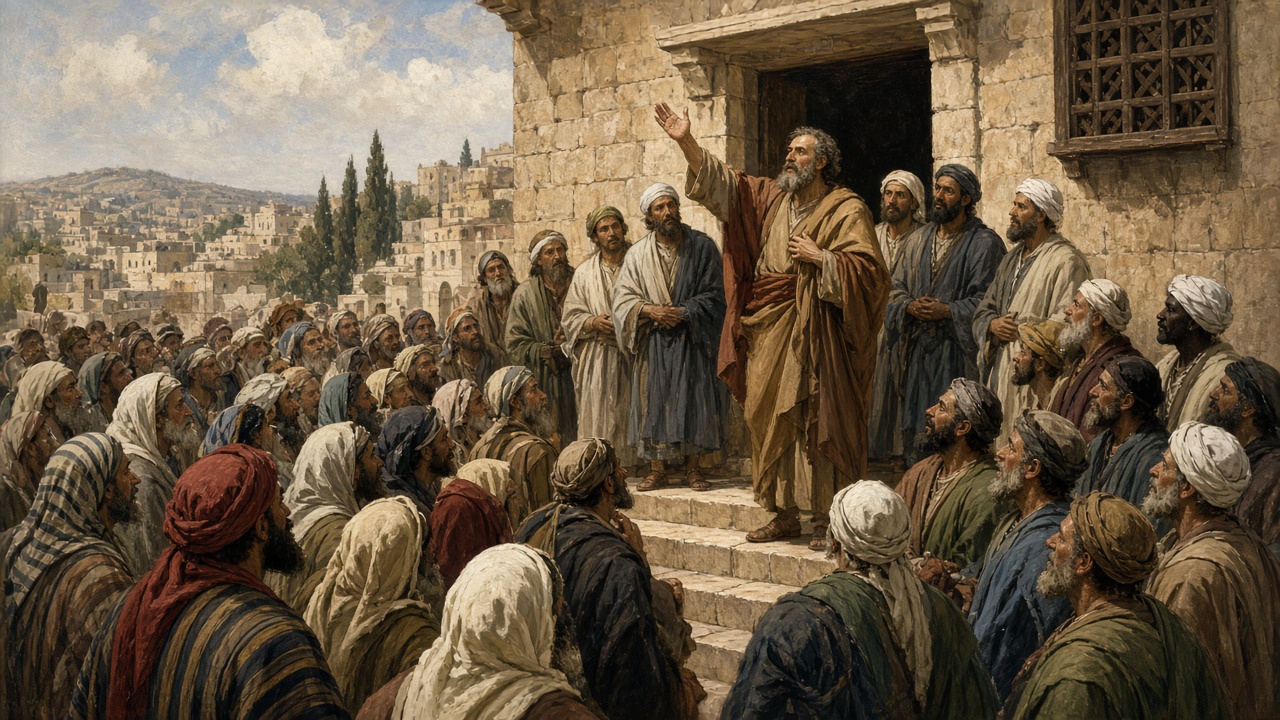
Você sabia?
O Espírito vem no Pentecostes
- Judeus tementes a Deus, de todas as nações debaixo do céu, já moravam em Jerusalém quando um som como o de um vento forte e impetuoso veio do céu e encheu a casa, e os que falavam começaram a anunciar as maravilhas de Deus em outras línguas. Neste capítulo, “Ásia” é a província romana da Ásia Proconsular, na parte ocidental da Ásia Menor, cuja capital era Éfeso — e não o continente com esse nome. O Ponto, ao longo da costa sul do mar Euxino, era uma província romana no tempo dos apóstolos e um lugar frequentado por muitos judeus da Dispersão; a Capadócia era a província mais oriental e a maior da Ásia Menor.Fontes: o próprio texto bíblico · Asia · Pontus · Cappadocia
- A multidão ficou espantada de que os que falavam fossem galileus. Quem se levantou com os Onze e lhes falou foi Simão Pedro, chamado antes Simão — isto é, Simeão, que significa “ouvir” —, um pescador de Betsaida, na costa ocidental do mar da Galileia, a quem seu irmão mais novo, André, levou primeiro a Jesus.Fontes: o próprio texto bíblico · Simon Peter
- Pedro disse que aquilo era o que havia falado o profeta Joel. Joel, o segundo dos doze profetas menores, era filho de Petuel, e sua história pessoal só é conhecida pelo seu livro. Pedro também citou Davi, o oitavo e o mais novo dos filhos de Jessé, de Belém, e disse à multidão que esse patriarca havia morrido e fora sepultado, e que seu túmulo ainda estava com eles em Jerusalém.Fontes: o próprio texto bíblico · Joel · David
Notas escritas com auxílio de IA a partir de fontes abertas (Theographic Bible Metadata, CC BY-SA 4.0; Easton’s Bible Dictionary, domínio público) e revisadas antes de publicar.
Lugares deste capítulo
- Jerusalem · 31.777, 35.234 · versículos 5, 14
- Galilee · 32.760, 35.527 · versículo 7
- Asia · 38.400, 28.300 · versículo 9
- Cappadocia · 38.671, 34.839 · versículo 9
- Judea · Hoje: Judea 1 · 31.777, 35.234 · versículos 9, 14
- Mesopotamia · Hoje: Aram-naharaim · 36.864, 39.033 · versículo 9
- Pontus · 40.680, 37.830 · versículo 9
- Cyrene · 32.821, 21.851 · versículo 10
- Egypt · 30.129, 31.308 · versículo 10
- Libya · 32.821, 21.851 · versículo 10
- Pamphylia · 37.000, 31.000 · versículo 10
- Phrygia · 39.000, 31.000 · versículo 10
- Rome · 41.892, 12.485 · versículo 10
- Nazareth · 32.702, 35.298 · versículo 22
Só aparecem lugares com identificação de alta confiança (90% ou mais segundo as fontes acadêmicas reunidas pelo OpenBible). Mapa da época: DARE (Digital Atlas of the Roman Empire), CC BY 4.0; mapa atual: © colaboradores do OpenStreetMap; lugares: OpenBible.info (CC BY 4.0).
Créditos e licença desta tradução
Bëngbe Bëtsa Cabëngaftaca Entsoyebuambna
New Testament in Camsá
copyright © 2009 Wycliffe Bible Translators, Inc.
Language: Camsá
Translation by: Wycliffe Bible Translators, Inc.
Copyright Information
© 2009, Wycliffe Bible Translators, Inc. All rights reserved.
This translation text is made available to you under the
terms of the Creative Commons License: Attribution-Noncommercial-No Derivative Works.
( http://creativecommons.org/licenses/by-nc-nd/3.0/ )
In addition, you have permission to port the text to different file formats, as long as you
do not change any of the text or punctuation of the Bible.
You may share, copy, distribute, transmit, and extract portions
or quotations from this work, provided that you include the above copyright
information:
You must give Attribution to the work.
You do not sell this work for a profit.
You do not make any derivative works that change any of the actual words or punctuation of the Scriptures.
Permissions beyond the scope of this license may be
available if you contact
us with your request.
The New Testament
in Camsá
© 2009, Wycliffe Bible Translators, Inc. All rights reserved.
This translation is made available to you under the terms of the
Creative Commons Attribution-Noncommercial-No Derivatives license 4.0.
You may share and redistribute this Bible translation or extracts from it in any format, provided that:
You include the above copyright and source information.
You do not sell this work for a profit.
You do not change any of the words or punctuation of the Scriptures.
Pictures included with Scriptures and other documents on this site are licensed just for use with those Scriptures and documents.
For other uses, please contact the respective copyright owners.
2016-05-05
Fonte: http://ebible.org/kbh/ · eBible.org