Lucas 5
Nuevo Testamento yin̈ abxubal · Toque num versículo para ver as referências cruzadas.
Caw tzetcꞌa noꞌ cay tzabcha yu ebnaj iscuywom Comam Jesús yu huneꞌ cꞌaybalcꞌule isye Comam
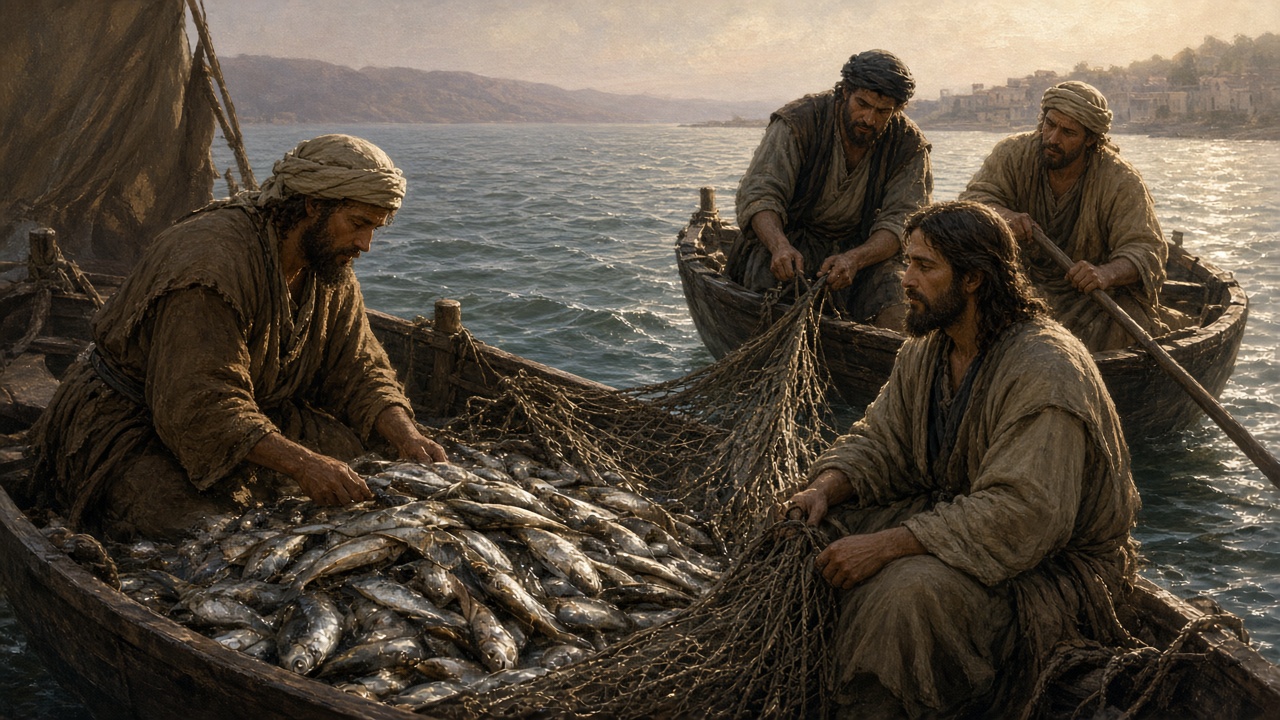
1Hayet hunel, yet isto Comam Jesús istiꞌ haꞌ lago Genesaret, tzetcꞌa anma iscutxba isba iscꞌatan̈ Comam bey tuꞌ. Caw iswitzꞌayo isba anma iscꞌatan̈ Comam yuto yoche anma yabeꞌ Istzotiꞌ Comam Dios. 2Yilnito Comam cabeb teꞌ barco istiꞌ haꞌ tuꞌ. Machi mac ayicto yul teꞌ yuto lan̈an istxꞌahni ebnaj yahaw teꞌ ishacꞌ chiinahti noꞌ cay. 3Yahto Comam yul isbarco naj Simón, yalni Comam tet naj tato chishitzto naj hanicꞌoxa teꞌ yiban̈ haꞌ. Lahwi tuꞌ xin, yay tzꞌon̈no Comam yul teꞌ, yichico Comam iscuywacꞌti yin̈ anma ayayo istiꞌ haꞌ tuꞌ.
4Hayet lahwi iscuywa Comam yin̈ anma xin, yalni Comam tet naj Simón:
—Hitzweto teꞌ bay caw nahat yehayto yich haꞌ. Haꞌ bey tuꞌ cheyakꞌayto hehacꞌ ikꞌomati cay, ẍi Comam tet naj.
5Istakꞌwi naj xin:
—Mam cuywawom, sunilbal akꞌbal macon̈munlahan̈, yaj maẍticꞌa noꞌ matzabcha juhan̈. Yaj yu ach chawala, chijaytojan̈ txꞌan̈ hacꞌ tiꞌ hunelxa, ẍi naj Simón tet Comam.
6Haxa yet yanayto ebnaj ishacꞌ tuꞌ xol haꞌ yin̈ noꞌ, caw tzetcꞌacano noꞌ oc yul txꞌan̈. Etza xin tꞌijmoto iswaꞌ txꞌan̈ yu yalil noꞌ. 7Yecꞌ iskꞌab ebnaj yawtenti huntekꞌanxa ebnaj yetbi chimunla yul hunxa teꞌ barco. Yul ebnaj colwal isn̈icꞌnoti txꞌan̈. Iscolwapaxo ebnaj isnohtzeno teꞌ cabeb barco tuꞌ yu noꞌ. Etzaxan̈e xin to teꞌ yich haꞌ yu yalil noꞌ. 8Hayet yilni naj Simón Pedro huneꞌ tuꞌ, yay jahno naj sata Comam Jesús, yalni naj:
—Mamin, hanintiꞌan caw muluminan, yuxin hitzan̈ilo incꞌatan̈an, ẍi naj tet Comam.
9Yal naj hac tuꞌ yuto caw xiw naj sicꞌlebil yeb ebnaj aycꞌo iscꞌatan̈ tuꞌ, caw cꞌaycan̈ iscꞌul ebnaj yilni noꞌ cay ahti xol haꞌ. 10Hacpax tuꞌ naj Jacobo yeb naj Juan, iscꞌahol icham Zebedeo, ebnaj apni colwal yinta naj Simón, caw cꞌaypaxocan̈ iscꞌul ebnaj. Yalni Comam tet naj Simón Pedro tuꞌ:
—Mach chachxiwi, yuto tinan̈ matxa chachmunla yin̈ ikꞌoti cay, wal xin haxa anma chachoc hawikꞌatij cat yoc yul inkꞌaban, ẍi Comam tet naj.
11Lahwi tuꞌ xin, yinilo ebnaj isbarco yeb ismunlabal istiꞌ haꞌ, isbejnicano ebnaj sunil, yoccano tzujno ebnaj yinta Comam.
Yakꞌ cawxo Comam Jesús huneꞌ naj ayco lepra yin̈
12Yet hunel yet ayicꞌo Comam Jesús yul huneꞌ con̈ob, yapni huneꞌ naj ayco lepra yin̈ iscꞌatan̈ Comam, caw xin yaꞌay naj yu huneꞌ yabil tuꞌ. Hayet yilni naj Comam, yay jahno naj sata Comam, yay xulno naj sat txꞌotxꞌ, iskꞌanni naj tet Comam:
—Mamin, ta chisje hacꞌul chu hawinilo huneꞌ yabil tiꞌ win̈an, ẍi naj.
13Yanayo Comam iskꞌab yiban̈ naj, yalni hacaꞌ tiꞌ:
—Hoꞌ, chiwochehan ta chiꞌel huneꞌ yabil tiꞌ tawin̈, ẍi Comam tet naj.
Yin̈n̈ena tuꞌ, yel huneꞌ lepra tuꞌ yin̈ naj. 14Lahwi tuꞌ xin, yalnipaxo Comam tet naj:
—Tajca ay bay chawalicꞌo huneꞌ tiꞌ. As ye haba tet naj sacerdote Israel, cat hawakꞌni haxahanbal tet Comam Dios hacaꞌ yalnicano isley naj Moisés. Hac tuꞌ xin chu hawilchaloj tato xacachsajbicanoj, ẍi Comam Jesús tet naj.
15Haxa yet yabelaxilo huneꞌ tuꞌ, ispujnacan̈ iskꞌumal Comam xol anma, yuxin caw tzetcꞌa anma apni abeno tzet chal Comam, apnipaxo anma yun̈e iscawxicanocan̈. 16Wal Comam xin, chibey Comam txahlo bay machi anma chieqꞌui.
Yakꞌ cawxo Comam Jesús huneꞌ naj mach chibili isnimanil
17Yet hunel, yet lan̈an iscuywa Comam Jesús yin̈ anma, ay huntekꞌan ebnaj fariseo yeb huntekꞌanxa ebnaj chicuyni anma yin̈ isley naj Moisés apni tzꞌon̈no bay ay Comam. Sunil hunun con̈ob yul ismajul Galilea yebpaxo yul ismajul Judea tit ebnaj, aypaxo ebnaj tit bey yul con̈ob Jerusalén. Caw isyelo Comam Dios yip yin̈ Comam Jesús yet iscawxican̈ anma yu Comam.
18Yapni xin huntekꞌan ebnaj ikꞌn̈e huneꞌ naj camnajilo isnimanil sat batxteꞌ. Yoche ebnaj ocoto iscꞌatan̈ Comam yul n̈a yu yanayo ebnaj naj yaꞌay tuꞌ sata Comam. 19Yajaꞌ machi bay octo ebnaj yuto tenanicto anma iscꞌatan̈ Comam. Yuxinto ahto ebnaj yiban̈ iswiꞌ teꞌ n̈a tuꞌ, isholnican̈ ebnaj hayeb txꞌotxꞌ texa, yanayto ebnaj naj mach chibili isnimanil tuꞌ sat teꞌ batxteꞌ sata Comam. 20Hayet yilni Comam Jesús tato ayco yin̈ yanma ebnaj ta chicawxican̈ naj yaꞌay tuꞌ, yalni Comam tet naj yaꞌay:
—Hach wet anmahil, tinan̈ maꞌocna nimancꞌulal yin̈ hamul, ẍi Comam tet naj.
21Hayet yaben ebnaj cuywawom yin̈ isley naj Moisés yeb ebnaj fariseo huneꞌ tuꞌ, istxum ebnaj hacaꞌ tiꞌ: “¿Mac anmahil huneꞌ naj tiꞌ yuxinto chal naj yakꞌaꞌco isba selelo Comam Dios? Wal xin caw txꞌoj istzotel naj yin̈ Comam. Machi hunu mac chu yakꞌni nimancꞌulal yin̈ mule yuto han̈echꞌan Comam Dios chisje yu.” ẍi ebnaj yul yet ischuquil.
22Istxumnilo Comam tzet chꞌecꞌ yin̈ isnabal ebnaj, yalni Comam:
—¿Tzet yin̈ xin chꞌecꞌ yin̈ henabal hacaꞌ tuꞌ? 23¿Baytet hunu caw subuta walnihan: “Maꞌakꞌlax nimancꞌulal yin̈ hamul,” mato: “Ahan̈wanoj, cat hapaxtoj?” ẍi Comam tet ebnaj.
24Yalnipaxo Comam:
—Tinan̈ xin chinyehan heyilaꞌ Hanin Akꞌbilintijan texol yu Comam Dios tato ay wipan wakꞌni nimancꞌulalan yin̈ ismul anma yul sat yiban̈kꞌinal tiꞌ, ẍi Comam.
Lahwi tuꞌ xin, yalni Comam tet naj yaꞌay tuꞌ:
—Hanintiꞌan chiwalan tawet, ¡ahan̈wanoj! Ican̈ habatxteꞌ tiꞌ, paxan̈to hawatut, ẍi Comam tet naj.
25Yin̈n̈ena tuꞌ xin, yah lin̈no naj yin̈ sat anma, yoc naj yalno cꞌulla tzotiꞌ yin̈ Comam Dios. Yinican̈ naj isbatxteꞌ, ispaxto naj yatut. 26Caw xin cꞌaycanilo iscꞌul anma yilni huneꞌ tuꞌ, yalnipaxo anma cꞌulla tzotiꞌ yin̈ Comam Dios, yalni anma hacaꞌ tiꞌ:
—Yin̈ huneꞌ tzꞌayic tiꞌ, caw hanta cꞌaybalcꞌule majila, ẍi anma.
Yet yawten Comam Jesús naj Leví iscuywomoj
27Lahwi tuꞌ xin, isto Comam Jesús, yilnito Comam huneꞌ naj ikꞌomilo tohlabal chito bey Roma, Leví isbi naj. Tzꞌon̈anayo naj bay chiꞌel chꞌen tohlabal yin̈ anma. Yoc tꞌan̈no Comam yin̈ naj, yalni Comam tet naj:
—Ocan̈ tzujno wintajan incuywomojan, ẍi Comam tet naj.
28Yah lin̈no naj xin, isbejnicano naj ismunil, yoc tzujno naj yinta Comam.
29Naj Leví tuꞌ, yecꞌtze naj huneꞌ niman kꞌin̈ bey yatut yuto caw chitzala naj yin̈ Comam. Txꞌiꞌal ebnaj ikꞌomilo tohlabal yeb huntekꞌanxa anma oc waꞌoj sat meẍa yeb Comam. 30Wal ebnaj fariseo yeb ebnaj chicuyni anma yin̈ isley naj Moisés ichico buchwal yin̈ ebnaj iscuywom Comam. Yalni ebnaj:
—¿Tzet yin̈ yuxin chexwaꞌ xol ebnaj ikꞌomilo tohlabal yeb huntekꞌanxa ebnaj txꞌoj isbeybal? ẍi ebnaj. 31Istakꞌwi Comam Jesús tet ebnaj:
—Haꞌ anma mach yaꞌo ay, matzet chꞌocnico naj an̈lom yu, to haꞌ anma yaꞌay, haꞌ ton chꞌocnico naj an̈lom yu. 32Mach hulnajojinan wawteꞌan anma chalni ta caw cꞌul yecoj, to haꞌ anma mulum, haꞌ hulnajinan wawteꞌan yu isbejnicano iswatxꞌen istxꞌojal.
Mach chischah isba huneꞌ payat beybale yeb huneꞌ acꞌ beybale
33Lahwi tuꞌ xin, yalni huntekꞌan anma tet Comam Jesús:
—Haꞌ ebnaj iscuywom naj Juan anican̈ haꞌ iswiꞌ anma, yebpaxo ebnaj chicuywi yin̈ ebnaj fariseo, nawn̈e chisyijen ebnaj huneꞌ yet mach chon̈waꞌi yu cotxahli tet Comam Dios. Wal ebnaj chicuywi tawinta tiꞌ, mach chisyije ebnaj huneꞌ tuꞌ, ẍi ebnaj.
34Istakꞌwi Comam tet ebnaj xin:
—Kꞌinaloj ta ay huno mohyilal, ¿tom chu heyalni tet anma awtebil yin̈ mohyilal tuꞌ ta chiyijle wahil yet ayco naj mohyom xol anma awtebil? ¡Machoj! 35Wal xin, hato yet chiꞌapni istiempohal yilaxilo naj mohyom tuꞌ, cat yichico anma yijlen wahil yu istxahli, ẍi Comam.
36Yalnipaxo Comam huneꞌxa yechel tiꞌ:
—Kꞌinaloj ta chicobuj hunu camiẍe xilxa, yaj yin̈ hunu camiẍe acꞌto chijilo isbujil kꞌap xilxa tuꞌ, mach cꞌulu chꞌelicoj, yuto mach chischah isba kꞌap acꞌto yeb kꞌap xilxa, yeb xin nabn̈e chijetato kꞌap acꞌto tuꞌ. 37Ay hunxa yechel tiꞌ, mach chu heyanayto vino acꞌto yul hunu noꞌ tzꞌum xilxa, yuto chilin̈mo noꞌ yet chihowbican̈ vino, cat yetaxto iscab majanil. 38Yuxin haꞌ yul noꞌ acꞌla tzꞌum chialaxayto teꞌ vino acꞌto, hac tuꞌ xin mach chietaxto iscab majanil. 39Yebpaxo xin, haꞌ mac xaucꞌni vino payxa watxꞌi, ¿tom chito yoche yucꞌuꞌ teꞌ acꞌ vino lan̈anto iswatxꞌi? ¡Machoj! Yuto chal ebnaj: “Haꞌ teꞌ vino payxa watxꞌi, ecꞌna caw cꞌul,” ẍi ebnaj, ẍi Comam Jesús.
Você sabia?
Chamados, curas e vinho novo
- Jesus ensinou o povo do barco de Simão, no lago de Genesaré, enquanto a multidão se apertava na margem. O nome vem de uma cidade de Naftali, na margem ocidental, antes chamada Quinerete; a planície junto ao lago, notável pela fertilidade e pela beleza, era chamada “o Paraíso da Galileia”.Fontes: Gennesaret · o próprio texto bíblico
- Simão, também chamado Pedro, cresceu em Betsaida, na costa ocidental do mar da Galileia, e aprendeu o ofício de pescador. Tiago e João, seus sócios no outro barco, eram filhos de Zebedeu, um pescador galileu; o Dicionário Bíblico de Easton (1897) infere que Zebedeu tinha certa posição em Cafarnaum, pois possuía dois barcos e jornaleiros.Fontes: Simon Peter · James (Son of Zebedee) · Zebedee · o próprio texto bíblico
- O homem que Jesus chamou da coletoria se chama Levi neste capítulo; em outros relatos é Mateus, filho de Alfeu, cobrador de impostos em Cafarnaum. O Dicionário Bíblico de Easton (1897) sugere que ele talvez tenha adotado o nome Mateus em grata lembrança do chamado, e descreve o grande banquete que ofereceu naquele mesmo dia como uma festa de despedida.Fontes: Matthew · o próprio texto bíblico
Notas escritas com auxílio de IA a partir de fontes abertas (Theographic Bible Metadata, CC BY-SA 4.0; Easton’s Bible Dictionary, domínio público) e revisadas antes de publicar.
Lugares deste capítulo
- Gennesaret · Hoje: El Ghuweir · 32.861, 35.507 · versículo 1
- Galilee · 32.760, 35.527 · versículo 17
- Jerusalem · 31.777, 35.234 · versículo 17
- Judea · Hoje: Judea 1 · 31.777, 35.234 · versículo 17
Só aparecem lugares com identificação de alta confiança (90% ou mais segundo as fontes acadêmicas reunidas pelo OpenBible). Mapa da época: DARE (Digital Atlas of the Roman Empire), CC BY 4.0; mapa atual: © colaboradores do OpenStreetMap; lugares: OpenBible.info (CC BY 4.0).
Créditos e licença desta tradução
Nuevo Testamento yin̈ abxubal
New Testament in Jakalteko Eastern; jac (GT:jac:Jakalteko)
copyright © 1997 Wycliffe Bible Translators, Inc.
Language: Jakalteko
Translation by: Wycliffe Bible Translators, Inc.
Copyright Information
© 1997, Wycliffe Bible Translators, Inc. All rights reserved.
This translation text is made available to you under the
terms of the Creative Commons License: Attribution-Noncommercial-No Derivative Works.
( http://creativecommons.org/licenses/by-nc-nd/3.0/ )
In addition, you have permission to port the text to different file formats, as long as you
do not change any of the text or punctuation of the Bible.
You may share, copy, distribute, transmit, and extract portions
or quotations from this work, provided that you include the above copyright
information:
You must give Attribution to the work.
You do not sell this work for a profit.
You do not make any derivative works that change any of the actual words or punctuation of the Scriptures.
Permissions beyond the scope of this license may be
available if you contact
us with your request.
The New Testament
in Jakalteko
© 1997, Wycliffe Bible Translators, Inc. All rights reserved.
This translation is made available to you under the terms of the
Creative Commons Attribution-Noncommercial-No Derivatives license 4.0.
You may share and redistribute this Bible translation or extracts from it in any format, provided that:
You include the above copyright and source information.
You do not sell this work for a profit.
You do not change any of the words or punctuation of the Scriptures.
Pictures included with Scriptures and other documents on this site are licensed just for use with those Scriptures and documents.
For other uses, please contact the respective copyright owners.
2016-05-05
Fonte: http://ebible.org/jacNT/ · eBible.org