Lucas 15
Nuevo Testamento yin̈ abxubal · Toque num versículo para ver as referências cruzadas.
Yechel yin̈ noꞌ meꞌ cꞌaynatoj
1Haꞌ ebnaj chiinilo chꞌen tohlabal chito bey Roma, yeb ebnaj mach cꞌulo tzet chiswatxꞌe, haꞌ ebnaj hitzico yaben tzet chal Comam Jesús. 2Yu huneꞌ tuꞌ xin oc ebnaj fariseo yeb ebnaj cuywawom yin̈ isley naj Moisés buchwal yin̈ Comam, yalni ebnaj:
—Wal naj Jesús tiꞌ, caw chischah naj ebnaj mulum, cat iswaꞌpaxo naj yeb ebnaj, ẍi ebnaj yin̈ Comam.
3Yuxin yal Comam huneꞌ yechel tiꞌ tet ebnaj:
4—Kꞌinaloj ta ay hunu naj ay cien ismeꞌ, yajaꞌ ta chicꞌayico hunu noꞌ, ¿mataxca mach chacano naj noꞌ noventa y nueve bay chilowi, cat isto naj issayno noꞌ cꞌaynato tuꞌ masanto chiꞌilcha noꞌ yu naj? 5Hayet chiꞌilcha noꞌ yu naj, caw chitzalacan̈ iscꞌul naj, cat yanahto naj noꞌ yiban̈ iswixicꞌ, cat istit naj. 6Haxa yet chꞌapni naj yatut, cat iscutxbanico naj yamigo yeb anma ayayo iscawilal naj, cat yalni naj: “Tzalahan̈we wintajan yuto maꞌilcha huneꞌ inmeꞌan cꞌaynatoj,” ẍi naj.
7Yuxin chiwalpaxojan teyet, hayet chꞌoc huneꞌ anma mulum yul iskꞌab Comam Dios, ay tzalahilal yul satcan̈ satapaxo yin̈ noventa y nueve anma chisna ta machi ismul, ẍi Comam.
Yechel chꞌen melyu cꞌaynatoj
8Yalnipaxo Comam Jesús:
—Kꞌinaloj ta ay hunu ix ix ay lahon̈eb ismelyu, yajaꞌ ta chiscꞌayto ix hunu chꞌen, ¿mataxca mach chistzujba ix kꞌaꞌ yin̈ iscantil, cat istzꞌisni ix yul yatut, cat issayni ix yin̈ nan̈cꞌulal masanto chiꞌilcha chꞌen yu ix? 9Lahwi yilcha chꞌen yu ix xin, cat iscutxbanayo ix iswalix yeb anma ayayo iscawilal, cat yalni ix: “Tzalahan̈we wintajan, yuto maꞌilcha inmelyuhan cꞌaynatoj,” ẍi ix. 10Yuxin chiwalan teyet, hac tuꞌ yul satcan̈, caw ay tzalahilal xol ebnaj yángel Comam Dios yu huneꞌ naj mulum chisna isba cat yoc yul iskab Comam Dios, ẍi Comam.
Yechel huneꞌ naj cꞌahole cꞌaynatoj
11Yalnipaxo Comam Jesús:
—Ay huneꞌ naj mame cawan̈ iscꞌahol. 12Yajaꞌ naj tzujan winaj tuꞌ yal naj tet ismam: “Mam, akꞌcano inmajulan tinan̈,” ẍi naj. Yuxin ispohto naj mame tuꞌ tzet ay yin̈ ebnaj iscawan̈il. 13Hayebixto tzꞌayic xin iscutxbanayo naj istohol ismajul akꞌlax tet, isto naj bey huneꞌ con̈ob nahat, yoc naj iscꞌaytzenolo ismelyu yin̈ istxꞌojal. 14Hayet xaistan̈tzelo naj sunil ismelyu tuꞌ, yichico huneꞌ niman wahilal bey huneꞌ con̈ob tuꞌ. Niẍtejal xin yoc naj yijlen wahil yu man̈tzetal. 15Yuxin to naj iskꞌanaꞌ yet munil tet huneꞌ naj ay yul con̈ob tuꞌ. Ischejlaxto naj tan̈e txitam sat istxꞌotxꞌ naj yahaw noꞌ. 16Yu n̈ohchahilal xin yoche naj islob sat teꞌ txꞌalib chiꞌakꞌlax islob noꞌ txitam, yuto machi mac chꞌakꞌni tzet chislo naj.
17Lahwi tuꞌ xin, istit yin̈ isnabal naj, yalni naj ischuquil: “Sunil iscꞌamteꞌ inmaman caw ay tzet chislo, wal inpaxojan xin, lan̈an incaman yu wahil bey tiꞌ. 18Wal tinan̈ meltzohoj intohan bey yatut inmamtuꞌan, cat walnihan tet yaꞌ: ‘Mam, caw mawaco inmulan yul sat Comam Dios yebpaxo yul hasat. 19Matxa chu wocan hacꞌaholoj, to hacꞌamteꞌxa chiwucojan,’ quinchin̈eticꞌahan,” ẍi naj ischuquil. 20Lahwi tuꞌ xin, ispaxto naj bey yatut ismam.
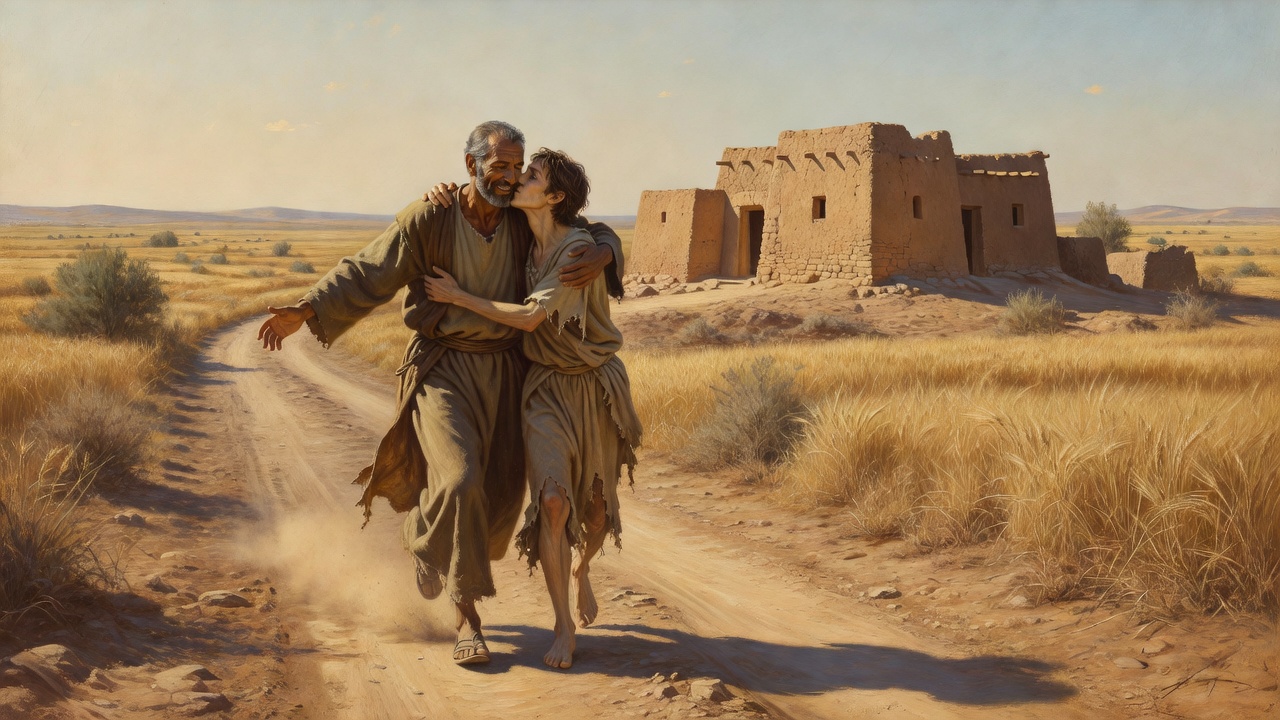
Ayto yapni naj xin, yillaxto naj yu ismam; caw tzꞌaycan̈ iscꞌul ismam naj yilni. Isto lemna naj mame tuꞌ ischahno naj. Yoc lakꞌno naj yin̈ iscꞌahol tuꞌ, istzꞌohnipaxo naj iskꞌotx naj yu tzalahilal.
21Yalni naj tet ismam: “Mam, caw mawaco inmulan yul sat Comam Dios, yebpaxo tawet. Matxa chu wocan hacꞌaholoj,” ẍi naj. 22Yalni naj mame tuꞌ tet ebnaj ischejab: “As iwelti yin̈ an̈e hunu xilkꞌape caw cꞌul, cat yoc yin̈ incꞌaholtiꞌan, cat heyanico isjolkꞌab naj yeb isxan̈ab naj, 23cat hetopaxo heyinoti hunu noꞌ wacax caw bakꞌich, cat hepotxꞌni camo noꞌ, yuto chijecꞌtze hunu kꞌin̈, cat cowaꞌwej. 24Yuto haꞌ huneꞌ incꞌaholtiꞌan hacaꞌtan̈e camnaxa, yajaꞌ hacaꞌtan̈e mahulcan̈ iscꞌul naj. Hacaꞌ ta cꞌaynaxato naj, yaj tinan̈ maꞌilcha naj,” ẍi naj mame tuꞌ. Lahwi tuꞌ xin yecꞌtzelax huneꞌ kꞌin̈ tuꞌ.
25Yet ayco ebnaj yin̈ huneꞌ kꞌin̈ tuꞌ, yul naj babel cꞌahole yin̈ ismunil. Yajaꞌ ayto yapni naj bey yatut yaben naj huneꞌ kꞌin̈ tuꞌ. 26Yawten naj huneꞌ ischejab ismam, iskꞌamben naj: “¿Tzet yin̈ yuxin ayco huneꞌ kꞌin̈ tuꞌ?” ẍi naj.
27Yalni naj chejab tuꞌ tet naj: “To hawuẍta mahuli, yuxin mayal hamam ta chipotxꞌlax camo hunu noꞌ wacax caw bakꞌich yuto cawn̈e mayu yul naj,” ẍi naj.
28Yajaꞌ caw tit ishowal naj, yuxin mach isjecto naj yul yatut ismam. Haxa yet yaben naj mame tuꞌ, yelti naj, yay sat naj tet iscꞌahol tuꞌ ta chꞌocto naj yul n̈a. 29Yalni naj tet ismam tuꞌ: “Mam, caw hawohtaj hantaxa tiempo wichicojan inmunlahan tawintaj. Machi hunelo chinman̈cꞌohan tzet chawala, yaj nitam hunu noꞌ nichꞌan chiw chawakꞌ wetan cat wecꞌtzenan hunu kꞌin̈ yeb ej wamigohan,” ẍi naj. 30“¿Tom yu mahul huneꞌ hacꞌahol tiꞌ yuxin maxapotxꞌ camo noꞌ wacax caw bakꞌich? Naj ton̈e etanto hamelyu yin̈ ebix ix txꞌoj ye iswiꞌ,” ẍi naj tet ismam tuꞌ.
31Istakꞌwi naj mame tuꞌ: “Cꞌahol, hach tiꞌ, ayachticꞌaco incꞌatan̈an sunilbal tiempo, yeb sunil tzet ayinan hawetpaxo yehi. 32Yajaꞌ tinan̈ caw yilal yoc huneꞌ kꞌin̈ tiꞌ cat jakꞌni tzala cocꞌul, yuto huneꞌ hawuẍta tiꞌ hacaꞌtan̈e camnaxa, yaj mahulcan̈ iscꞌul hunelxa. Hacaꞌ ta cꞌaynaxato naj, yaj tinan̈ xin maꞌilcha naj,” ẍi naj mame tuꞌ, ẍi Comam.
Você sabia?
Perdido e encontrado
- Cobradores de impostos e pecadores estavam se reunindo para ouvir Jesus, e os fariseus e os escribas começaram a murmurar que ele acolhe pecadores e come com eles. Jesus então lhes contou parábolas sobre uma ovelha perdida, uma moeda de prata perdida e um filho perdido.Fontes: o próprio texto bíblico
- O ensino e a cura na Pereia em direção a Jerusalém são registrados como começando em 30 d.C. com duração de um dia.Fontes: Teaching and Healing in Perea to Jerusalem
Notas escritas com auxílio de IA a partir de fontes abertas (Theographic Bible Metadata, CC BY-SA 4.0; Easton’s Bible Dictionary, domínio público) e revisadas antes de publicar.
Créditos e licença desta tradução
Nuevo Testamento yin̈ abxubal
New Testament in Jakalteko Eastern; jac (GT:jac:Jakalteko)
copyright © 1997 Wycliffe Bible Translators, Inc.
Language: Jakalteko
Translation by: Wycliffe Bible Translators, Inc.
Copyright Information
© 1997, Wycliffe Bible Translators, Inc. All rights reserved.
This translation text is made available to you under the
terms of the Creative Commons License: Attribution-Noncommercial-No Derivative Works.
( http://creativecommons.org/licenses/by-nc-nd/3.0/ )
In addition, you have permission to port the text to different file formats, as long as you
do not change any of the text or punctuation of the Bible.
You may share, copy, distribute, transmit, and extract portions
or quotations from this work, provided that you include the above copyright
information:
You must give Attribution to the work.
You do not sell this work for a profit.
You do not make any derivative works that change any of the actual words or punctuation of the Scriptures.
Permissions beyond the scope of this license may be
available if you contact
us with your request.
The New Testament
in Jakalteko
© 1997, Wycliffe Bible Translators, Inc. All rights reserved.
This translation is made available to you under the terms of the
Creative Commons Attribution-Noncommercial-No Derivatives license 4.0.
You may share and redistribute this Bible translation or extracts from it in any format, provided that:
You include the above copyright and source information.
You do not sell this work for a profit.
You do not change any of the words or punctuation of the Scriptures.
Pictures included with Scriptures and other documents on this site are licensed just for use with those Scriptures and documents.
For other uses, please contact the respective copyright owners.
2016-05-05
Fonte: http://ebible.org/jacNT/ · eBible.org