João 12
Nuevo Testamento yin̈ abxubal · Toque num versículo para ver as referências cruzadas.
Huneꞌ ix hamnico an̈ caw xukꞌ sam yin̈ yoj Comam Jesús
1Wajebto tzꞌayic yichico kꞌin̈ Pascua, yapni Comam Jesús bey Betania, bay ay yatut naj Lázaro, naj itzitzbican̈ xol camom yu Comam. 2Yet yapni Comam bey tuꞌ, yoc huneꞌ niman wah yu tzalahilal yin̈ Comam. Haꞌ hun naj Lázaro oc sat meẍa iscꞌatan̈ Comam, haꞌ xin ix Marta chianayo itah sat meẍa. 3Wal ix María xin, aymi hunu libra an̈ caw xukꞌ sam ikꞌbil yu ix, naba nardo caw xin aycan̈ istohol. Yanico ix yin̈ yoj Comam, lahwi tuꞌ xin issuni tajo ix yoj Comam yu xil iswiꞌ. Hac tuꞌ xin, caw sunil yul n̈a tuꞌ pujnacan̈ sunil isxukꞌal sam. 4Wal naj Judas Iscariote, iscꞌahol icham Simón, naj ayco yetbiho ebnaj chicuywi yinta Comam, naj chianico Comam yul iskꞌab camical, haꞌ naj halni hacaꞌ tiꞌ:
5—Huneꞌ an̈ caw xukꞌcano sam tiꞌ, caw oxebmi ciento denario istohol. Estam matxon̈laxtoj, cat ispohlaxto istohol yin̈ anma caw mebaꞌ, ẍi naj.
6Matolo yu chitzꞌay iscꞌul naj yin̈ anma mebaꞌ yuxinto yal naj hacaꞌ tiꞌ, machoj. Walxinto haꞌ naj ikꞌn̈e istxꞌuyal chꞌen melyu, caw xin kꞌayna naj yelkꞌanilo chꞌen melyu chiscꞌuba tuꞌ, yuto caw elkꞌom naj. 7Yalni Comam Jesús tet naj:
—¡Mach chacach ix! Wal xin caw yan̈ebil huneꞌ an̈ tiꞌ yu ix, yun̈e yanico ix yin̈ innimanilan yet yalan̈to maẍto chinmujlaxan. 8Wal anma mebaꞌ chawal tiꞌ, caw ayn̈eticꞌaco texol, yaj walinan xin, mach ton̈eticꞌa ay inicojan texol, ẍi Comam.
Yal ebnaj yahawil sacerdote ta chipotxꞌlax camo naj Lázaro
9Caw txꞌiꞌal anma Israel abeniloj tato aycꞌo Comam Jesús bey Betania; isto anma yilno Comam, yeb chiyoche anma yilaꞌpaxo naj Lázaro itzitzbican̈ xol anma camom yu Comam. 10Yu naj Lázaro tuꞌ, caw niman anma Israel yayto yul yanma yin̈ Comam Jesús; matxa xin chisje iscꞌul anma tuꞌ isyijeꞌ tzettaj chal ebnaj sacerdote. Yu huneꞌ tuꞌ, yuxinto islahtiꞌn̈e isba ebnaj yahawil yehico yin̈ ebnaj sacerdote tato chakꞌ camo ebnaj naj Lázaro.
Yet yocto Comam Jesús yul con̈ob Jerusalén
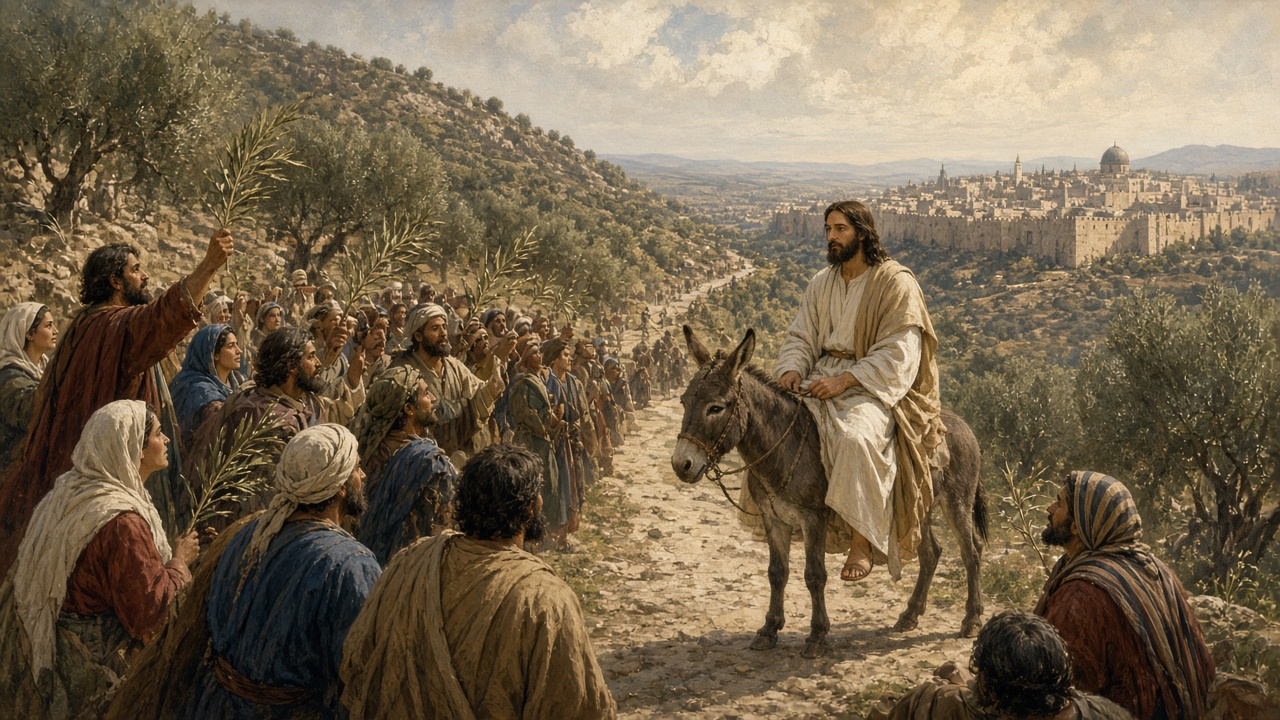
12Caw hantan̈e anma apni yin̈ kꞌin̈ Pascua bey yul con̈ob Jerusalén. Yet huneꞌxa tzꞌayic xin, yaben anma tato lan̈an yapni Comam Jesús bey yul con̈ob tuꞌ. 13Yuxin yilo anma xaj teꞌ chꞌib, yinito anma teꞌ yun̈e isto anma ischahno Comam. Chi-la-el yaw anma yin̈ caw ip, chalni:
—¡Caw niman yelapno Comam Dios! ¡Jalaꞌwe tzotiꞌ caw cꞌul yin̈ Mac akꞌbilti coxol yu Comam Dios Jahawil. Jakꞌaꞌwe tzalaho cocꞌul yin̈ Jahawil, han̈on̈ Israel hon̈ tiꞌ! ẍi anma tuꞌ.
14Ay xin huneꞌ noꞌ nichꞌan burro ilcha yu Comam. Yahto Comam yiban̈ noꞌ hacaꞌticꞌa yalni Comam Dios bay tzꞌibn̈ebilcanoj:
15Hex ah con̈ob Sión, mach chexxiwi. Ilwecꞌanabi lah, chihul Heyahawil, ayahto yiban̈ huneꞌ noꞌ burro, ẍiayoj.
16Yet huneꞌ tzꞌayical tuꞌ xin caw maẍticꞌa txumchalo yu ebnaj iscuywom Comam Jesús yin̈ tzet chalilo huneꞌ tuꞌ. Hato yet istocano Comam yul satcan̈, hato tuꞌ xin isnaniti ebnaj tato tzꞌibn̈ebilcano huneꞌ tuꞌ yin̈ Comam, yuxinto hac tuꞌ yuhi.
17Wal anma aycꞌo iscꞌatan̈ Comam Jesús yet yawtenilti Comam naj Lázaro yul panteón, yet yitzitzbican̈ naj yu Comam, haꞌ anma tuꞌ halnicꞌo yin̈ tzet yuhi. 18Caw txꞌiꞌal anma to chawal yin̈ Comam, yuto yabe anma iskꞌumal yin̈ huneꞌ cꞌaybalcꞌule iswatxꞌe Comam tuꞌ. 19Wal ebnaj fariseo xin, yal ebnaj tet hunun:
—Ilwecꞌanabi lah, caw matzet wal juteni yuto caw sunil anma tzujan yinta naj, ẍi ebnaj yin̈ Comam.
Huntekꞌan ebnaj griego saynayo Comam Jesús
20Xol sunil anma apni yikꞌayo isba tet Comam Dios yin̈ kꞌin̈ tuꞌ, ayco huntekꞌan ebnaj griego. 21Apni ebnaj tiꞌ iscꞌatan̈ naj Felipe ay bey con̈ob Betsaida ayco yul ismajul Galilea, yalni ebnaj tet naj:
—Mamin, caw chijochehan̈ chijilan̈ yin̈ Comam Jesús, ẍi ebnaj.
22Hac tuꞌ xin yu isto naj Felipe tuꞌ yalno tet naj Andrés, iscawan̈ilxa xin ebnaj to halno tet Comam. 23Yalni Comam tet ebnaj:
—Wal Hanin Akꞌbilintijan texol yu Comam Dios, lan̈an yapni yorahil isyelaxilo inhelanilan. 24Caw isyelal chiwalan teyet, kꞌinalo tato mach chitzꞌunlax hunu hin̈at trigo sat txꞌotxꞌ cat iskꞌato ixim, machom chul iscꞌul ixim. Yaj tato chikꞌato ixim, wal tuꞌ chihul iscꞌul ixim, caw xin niman sat ixim chakꞌa. 25Mac mach hinano yaben isyaꞌtajil win̈an, chiscꞌayto iskꞌinal mach istan̈bal. Wal mac hinan yanma yaben isyaꞌtajil win̈an, caw chischah iskꞌinal mach istan̈bal. 26Tato ay mac chiyijen tzet chiwalan, ocojab tzujno wintajan. Yuxinto haꞌ bay ayinan, haꞌ tuꞌ chiehpaxo mac caw yijem chute isba wettiꞌan; haꞌ xin Inmaman chihalni iscꞌulal yin̈, ẍi Comam.
Tzotel Comam Jesús yin̈ iscamical
27Lahwi tuꞌ xin, yalni Comam Jesús:
—Wal tinan̈, caw biscꞌulal ye wanmahan, yajaꞌ ¿tzet chiwute walnihan? ¿Tom chiwalan tet Comam Dios hacaꞌ tiꞌ? “Mam, colinilojan yul iskꞌab huneꞌ isyaꞌtajil lan̈an yul wiban̈tiꞌan,” ¿Tom quinchiyan? ¡Machoj! Yu ton huneꞌ tiꞌ, yuxinto hulnajinan yul sat yiban̈kꞌinal tiꞌ. 28Mam, yeloj tato caw aycano yelapno hawehi, ẍi Comam.
Lahwi tuꞌ xin yabelax huneꞌ yul nukꞌe satcan̈, yalni hacaꞌ tiꞌ:
—Caw xainyelojan tato caw aycano yelapno wehan, yaj chinyelojan hunelxa, ẍiayti yul satcan̈.
29Sunil anma cutxanico bey tuꞌ, aben huneꞌ yul nukꞌe tuꞌ, yalni anma hacaꞌ tiꞌ:
—Cꞌuh man̈irlahi, ẍi anma. Aypaxo mac halni:
—Huneꞌ naj ángel matzotel tet naj, ẍipaxoj.
30Yalni Comam Jesús tet ebnaj:
—Mach wuhojan xin to mahallaxayti huntekꞌan tzotiꞌ tiꞌ, machoj, to heyu. 31Wal tinan̈ xin, yilchaxati anma ay yul sat yiban̈kꞌinal tiꞌ yu Comam Dios yin̈ tzet chi-la-iswatxꞌe, cat yinilo Comam naj yahawil yehico yul sat yiban̈kꞌinal tiꞌ. 32Wal intiꞌan, yet chinilaxcan̈an sat txꞌotxꞌ tiꞌ yin̈ teꞌ culus, sunil anma chiwitijan incꞌatan̈an, ẍi Comam.
33Yal Comam huneꞌ tuꞌ yu isyeniloj tzet camical chiikꞌni camoj. 34Istakꞌwi anma tet Comam:
—Chal Istzotiꞌ Comam Dios yin̈ ley aycano jet, tato yaꞌ Cristo chiehocꞌo yaꞌ yin̈ sunilbal tiempo. ¿Tzet yin̈ yuxinto chawal hacaꞌ tiꞌ?: “Wal Hanin Akꞌbilintijan texol yu Comam Dios, caw yilal chinilaxcan̈an,” cachi. ¿Mac xin huneꞌ Akꞌbilti coxolan̈ yu Comam Dios tuꞌ? ẍi ebnaj tet Comam.
35Yalni Comam tuꞌ xin:
—Yin̈xan̈e hanicꞌ tiempohal ayinicꞌojan texol tiꞌ, caw chiwacanicojan issajilkꞌinal yin̈ heyanma, yuxinto watxꞌeweco heba yin̈ caw istoholal yakꞌ isba ay intocꞌojan texol. Ta machoj, chissomchahocan̈ cheyila, cat xin heyoco hacaꞌ anma chiecꞌ xol kꞌejholo, caw mach chiyu yilni bay caw chitocoj.
36Wal hanintiꞌan, caw lahaninan hacaꞌ issajilkꞌinal, yuxinto chahweinan yul heyanma yakꞌ isba ay intocꞌojan texol, cat xin wanicojan issajilkꞌinal tiꞌ yul heyanma yin̈ caw huneln̈e, ẍi Comam.
Lahwi yalni Comam tuꞌ xin, isto Comam yebanto isba tet anma.
Mach yayto ebnaj Israel yul yanma yin̈ Comam Jesús
37Caw hantan̈e cꞌaybalcꞌule isye Comam Jesús tet anma tuꞌ, yaj caw maẍticꞌa ischah anma Comam yul yanma. 38Hac tuꞌ xin yu yijnicano isba yin̈ tzet tzꞌibn̈ebilcano yu naj Isaías, ischejab Comam Dios yet payat, bay chala:
Mamin, ¿mac chahnayto yul yanma yin̈ tzettaj jalan̈? Waxan̈ca caw xahaye hawip tet anma, yajaꞌ caw maẍticꞌa mac chahn̈e hach yul yanma, ẍiayoj.
39Caw maẍticꞌa ischayto anma Comam yul yanma, hac tuꞌ yu istzꞌibn̈encano naj Isaías:
40Comam Dios majchencano sat anma, yakꞌnipaxo cawbolo Comam yanma anma yun̈e matxa chiyu yilni, yeb xin mach chitxumchalo yu. Caw mach chisbejcano anma ismachiswalilal, yuxin mach chian̈cha anma yin̈ ismul yu Comam, ẍicano naj Isaías tuꞌ.
41Yalcano naj Isaías huntekꞌan tiꞌ, yuto ilbilxa ishelanil Comam Jesús yu naj.
42Waxan̈ca hac tuꞌ yute yalnicano naj Isaías, yajaꞌ caw hantan̈e ebnaj yahawil yin̈ ebnaj Israel chahnicano Comam yul yanma. Yaj to caw mach chisyelo ebnaj, machi bay chalpaxicꞌo ebnaj yuto caw chixiw ebnaj tet ebnaj fariseo. Tato chiyabecan̈ ebnaj fariseo tuꞌ, caw matxa chichahlaxicto ebnaj yul capilla. 43Hac tuꞌ yute ebnaj yun̈e iscan ebnaj cꞌulal yul sat anma, sata iscanpaxo ebnaj cꞌulal yul sat Comam Dios.
Istzotiꞌ Comam Jesús chiilni tzet chielico anma
44Yalni Comam Jesús yin̈ ip tet anma:
—Haꞌ mac chinchahnaytojan yul yanma, maẍn̈etajinan chinischahan, to haꞌ hun Inmaman chischahpaxoj, yuto haꞌ quinanitijan. 45Yeb mac chinilnihan, caw lan̈an yilnipaxico yin̈ Inmaman quinanitijan. 46Wal intiꞌan, hulnajinan wakꞌaꞌan sajilkꞌinal yul yanma anma ay yul sat yiban̈kꞌinal tiꞌ, yuxin macn̈eticꞌa chinchahnihan yul yanma mach chican xol kꞌejholo. 47Yajaꞌ haꞌ mac chiaben tzet chiwaltiꞌan, mach xin chisyijepaxoj, maẍtajinan chincawxecojan ismul yiban̈. Walinan maẍtaj yu incawxenicojan ismul anma yiban̈ yuxinto hulnajinan yul sat yiban̈kꞌinal tiꞌ; to yu incolnihan anma yuxin quinhulan. 48Macta chinyahnihan, yeb xin mach chisyije tzet chiwalan, ay huneꞌ chicawxenico ismul tuꞌ yiban̈, haꞌ ton tzotiꞌ xawalan xol anma. Haꞌ tzotiꞌ tuꞌ xin, chicawxenico ismul tuꞌ yiban̈ yet islahobal tzꞌayic. 49Wal xin, sunil tzet chiwalan, caw mach wetojan inchuquilan, haꞌ Inmaman an̈eintijan, haꞌ chejn̈einan yin̈ tzettaj chiwalan yeb tzettaj chiwakꞌan iscuyuꞌ anma. 50Caw xin wohtajan tato haꞌ ischejbanil Inmamtuꞌan, haꞌ chiakꞌni kꞌinale mach istan̈bal tet anma; yuxin hacaꞌ yu yalni wetan, hac tuꞌ chiwute walnicanojan teyet, ẍi Comam tet anma.
Você sabia?
A unção em Betânia e a entrada em Jerusalém
- Betânia, onde Jesus chegou seis dias antes da Páscoa, ficava a cerca de duas milhas a leste de Jerusalém, na encosta sudeste do monte das Oliveiras, à beira da estrada para Jericó, e recebeu o nome das palmeiras que cresciam ali. Era o lar de Lázaro, a quem Jesus havia ressuscitado dos mortos depois de quatro dias no túmulo, e de suas irmãs Marta e Maria; os principais sacerdotes planejaram matar Lázaro também, porque por causa dele muita gente estava crendo em Jesus.Fontes: o próprio texto bíblico · Bethany · Lazarus
- Num jantar em que Marta servia e Lázaro se reclinava à mesa, Maria ungiu os pés de Jesus com cerca de uma pinta de perfume caro feito de nardo puro e os enxugou com os cabelos, de modo que a casa ficou cheia da fragrância. Judas Iscariotes, filho de Simão, cujo sobrenome significa um homem de Kerioth, perguntou por que o perfume não foi vendido por trezentos denários para os pobres; ele era ladrão e, como responsável pela bolsa, costumava tirar do que era colocado nela, e ia trair Jesus.Fontes: o próprio texto bíblico · Judas Iscariot · Simon
- No dia seguinte, a grande multidão que viera para a festa tomou ramos de palmeira e saiu ao encontro de Jesus, que vinha para Jerusalém sentado num jumentinho, gritando louvor ao Rei de Israel, como está escrito a respeito da Filha de Sião. Sião era o monte sudeste de Jerusalém, onde Davi construiu uma cidadela e um palácio depois de tomá-lo, de modo que se tornou a cidade de Davi. A princípio seus discípulos não entenderam essas coisas, mas, depois que Jesus foi glorificado, lembraram-se de que elas também tinham sido escritas a respeito dele.Fontes: o próprio texto bíblico · Zion
Notas escritas com auxílio de IA a partir de fontes abertas (Theographic Bible Metadata, CC BY-SA 4.0; Easton’s Bible Dictionary, domínio público) e revisadas antes de publicar.
Lugares deste capítulo
- Jerusalem · 31.777, 35.234 · versículos 11, 12, 20
- Zion · Hoje: Jerusalem · 31.777, 35.234 · versículo 15
- Galilee · 32.760, 35.527 · versículo 21
Só aparecem lugares com identificação de alta confiança (90% ou mais segundo as fontes acadêmicas reunidas pelo OpenBible). Mapa da época: DARE (Digital Atlas of the Roman Empire), CC BY 4.0; mapa atual: © colaboradores do OpenStreetMap; lugares: OpenBible.info (CC BY 4.0).
Créditos e licença desta tradução
Nuevo Testamento yin̈ abxubal
New Testament in Jakalteko Eastern; jac (GT:jac:Jakalteko)
copyright © 1997 Wycliffe Bible Translators, Inc.
Language: Jakalteko
Translation by: Wycliffe Bible Translators, Inc.
Copyright Information
© 1997, Wycliffe Bible Translators, Inc. All rights reserved.
This translation text is made available to you under the
terms of the Creative Commons License: Attribution-Noncommercial-No Derivative Works.
( http://creativecommons.org/licenses/by-nc-nd/3.0/ )
In addition, you have permission to port the text to different file formats, as long as you
do not change any of the text or punctuation of the Bible.
You may share, copy, distribute, transmit, and extract portions
or quotations from this work, provided that you include the above copyright
information:
You must give Attribution to the work.
You do not sell this work for a profit.
You do not make any derivative works that change any of the actual words or punctuation of the Scriptures.
Permissions beyond the scope of this license may be
available if you contact
us with your request.
The New Testament
in Jakalteko
© 1997, Wycliffe Bible Translators, Inc. All rights reserved.
This translation is made available to you under the terms of the
Creative Commons Attribution-Noncommercial-No Derivatives license 4.0.
You may share and redistribute this Bible translation or extracts from it in any format, provided that:
You include the above copyright and source information.
You do not sell this work for a profit.
You do not change any of the words or punctuation of the Scriptures.
Pictures included with Scriptures and other documents on this site are licensed just for use with those Scriptures and documents.
For other uses, please contact the respective copyright owners.
2016-05-05
Fonte: http://ebible.org/jacNT/ · eBible.org