João 17
U ak' Testamento tu kuyob'al · Toque num versículo para ver as referências cruzadas.
Ninach u Jesús Tiixh tiꞌ unqꞌa ichusulibꞌ
1As tul yaꞌ veꞌt u Jesús tiꞌ talat unqꞌa yoleꞌ te unqꞌa ichusulibꞌeꞌ, as kaꞌyik veꞌt jeꞌ Aak tu almikaꞌ. As ech tal veꞌt Aak ileꞌ: —UnBꞌaal, kat ilejlu veꞌt u qꞌiieꞌ. As oksa veꞌt unqꞌii vatz unqꞌa tenameꞌ, aqꞌal uvaꞌ la unkꞌuch vatz unqꞌa tenameꞌ uvaꞌ nitoksal aqꞌii unpajte, tan ineꞌ vaKꞌaoleꞌ.
2As axheꞌ kat aqꞌon u vijleꞌmeꞌ tiꞌ unqꞌa tenameꞌ skajayil, tiꞌ uvaꞌ la vaqꞌ itiichajil uveꞌ yeꞌl iyaꞌtebꞌal, jankꞌal uveꞌ kat aal sve uvaꞌ la vaqꞌ ste.
3As aꞌeꞌ vitiichajileꞌ uveꞌ yeꞌl iyaꞌtebꞌal uvaꞌ la tootzi axh uvaꞌ taꞌn axheꞌ u jikla Tiixheꞌ. As la tootzi in unpajte, tan ineꞌ u Cristo uvaꞌ kat achaj tzan vatz u txꞌavaꞌeꞌ.
4As kat ul voksa aqꞌii vatz u txꞌavaꞌeꞌ tiꞌ untzojpisat uveꞌ kat aal sve.
5As cheel oksa veꞌt unqꞌii tiꞌ ooksat in sakꞌatz unpajte echeꞌ uvaꞌ nikat unbꞌan sakꞌatz tul uvaꞌ yeꞌxnik chee u vatz txꞌavaꞌeꞌ.
6As kat vallu veꞌt isuuchil u eejleꞌmeꞌ te unqꞌa tenameꞌ vatz u txꞌavaꞌeꞌ. As unqꞌa uxhchileꞌ uvaꞌ kat aaqꞌ sve as kat inimal veꞌt vayoleꞌ, tan eetzeꞌ unqꞌa uxhchileꞌ uvaꞌ kat aaqꞌ sve.
7As cheel kat tootzi veꞌt unqꞌa uxhchileꞌ unqꞌa yoleꞌ uvaꞌ kat vala as tukꞌ unqꞌa bꞌaꞌnileꞌ uvaꞌ kat unkꞌucha tiꞌ uvaꞌ axh kat aqꞌon sve skajayil.
8As jankꞌal unqꞌa yoleꞌ uvaꞌ kat aal sve, as kat vallu veꞌt te unqꞌa uxhchileꞌ. As kat tootzil veꞌteꞌ uvaꞌ aꞌ tzaanajkat in sakꞌatz. As kat inimal veꞌteꞌ uvaꞌ axh kat chajon tzan in, tan kat isaꞌ tabꞌil veꞌt unqꞌa yoleꞌ uvaꞌ kat val ste.
9As nunjaj bꞌaꞌnil see tiꞌ unqꞌa uxhchileꞌ uvaꞌ kat aaqꞌ sve, tan eetzeꞌ. Pet jit tiꞌ unqꞌa uxhchileꞌ uveꞌ yeꞌ kat niman vayoleꞌ.
10As jankꞌal chit unqꞌa uxhchileꞌ uvaꞌ vetz, as eetzeꞌ; as jankꞌal unqꞌa uxhchileꞌ uvaꞌ eetz, as vetzeꞌ. As ni toksa veꞌt unqꞌa uxhchileꞌ unqꞌii unpajte.
11UnBꞌaal, tan taꞌn axheꞌ, axh jikla Tiixh, as kol veꞌt unqꞌa uxhchileꞌ uvaꞌ kat aaqꞌ sve tukꞌ vabꞌiieꞌ, aqꞌal uvaꞌ unvatzul kuxh veꞌteꞌ echeꞌ u qatineꞌ, tan bꞌiit kuxh tuk atinoj veꞌt in vatz u txꞌavaꞌeꞌ. As la bꞌen veꞌt in sakꞌatz.
12As tul at in kꞌatz unqꞌa uxhchileꞌ vatz u txꞌavaꞌeꞌ, as ineꞌ ni lochon tukꞌ vabꞌiieꞌ. As jankꞌal uveꞌ kat aaqꞌ sve as kolel svaꞌn. As yeꞌl umaj kat tzꞌejxi. Pet taꞌn kuxh umaꞌl u naj uvaꞌ alel veꞌt kan stiꞌ uvaꞌ la bꞌen tu kꞌaxkꞌo, tiꞌ uvaꞌ la bꞌen ibꞌaneꞌ uvaꞌ tzꞌibꞌamal kan.
13As cheel tuk qꞌaavoj veꞌt in sakꞌatz. Estiꞌeꞌ ni val unqꞌa yoleꞌ te unqꞌa uxhchileꞌ, aqꞌal uvaꞌ la chiibꞌ veꞌt u taanxelaleꞌ seeꞌ echeꞌ ichiibꞌ u vaanxelaleꞌ seeꞌ.
14As kat vallu veꞌt vayoleꞌ te unqꞌa uxhchileꞌ. As ni tixval veꞌt unqꞌa niman vetzeꞌ taꞌn unqꞌa uxhchileꞌ uveꞌ yeꞌ ni niman vayoleꞌ, tan tiꞌ uvaꞌ jit eela vitxumbꞌaleꞌ tukꞌ unqꞌa uxhchileꞌ. As echat kuxh in, tan jit eela vuntxumbꞌaleꞌ tukꞌ unqꞌa uxhchileꞌ uveꞌ yeꞌ ni niman vayoleꞌ.
15As aꞌ koj nunjaj see uvaꞌ la eesa el unqꞌa uxhchileꞌ uvaꞌ kat aaqꞌ sve xoꞌl unqꞌa uxhchileꞌ uveꞌ yeꞌ ni niman vayoleꞌ. Pet aꞌ ni valeꞌ uvaꞌ la akoleꞌ vatz u txꞌiꞌlanajeꞌ,
16tan jit eela vitxumbꞌaleꞌ tukꞌ unqꞌa uxhchileꞌ uveꞌ yeꞌ ni niman vayoleꞌ. As echat kuxh in unpajte, tan jit eela vuntxumbꞌaleꞌ stukꞌ.
17As aqꞌ iyakꞌil u taanxelal unqꞌa uxhchileꞌ uvaꞌ txaael veꞌt aꞌn taꞌn vajikla yoleꞌ, tan taꞌneꞌ vayoleꞌ uveꞌ jik chittuꞌ.
18Tan axheꞌ kat chajon tzan in xoꞌl unqꞌa tenameꞌ vatz u txꞌavaꞌeꞌ. As echat nunbꞌaneꞌ te unqꞌa uxhchileꞌ uvaꞌ kat aaqꞌ sve, tan nunchaj veꞌt bꞌen xoꞌl unqꞌa tenameꞌ unpajte.
19As ayaꞌl chit unkꞌuꞌl la vaqꞌ vibꞌ kamoj tiꞌ unqꞌa niman vetzeꞌ, aqꞌal uvaꞌ ayaꞌl chit ikꞌuꞌl unqꞌa niman vetzeꞌ la ibꞌaneꞌ tiꞌ inimal vayoleꞌ uvaꞌ jik chittuꞌ.
20As jit kuxh tiꞌ unqꞌa niman vetzeꞌ nunjajkat bꞌaꞌnil see uveꞌ ni niman in cheel. Pet tiꞌ unjoltu unqꞌa uxhchileꞌ uvaꞌ aꞌn la ikꞌujbꞌaꞌ ikꞌuꞌl sviꞌ, tul la bꞌen tal unqꞌa niman vetzeꞌ vayoleꞌ.
21As nunjaj bꞌaꞌnil see, Kubꞌaal Tiixh, tiꞌ unqꞌa niman qetzeꞌ tiꞌ uvaꞌ unvatzul kuxh veꞌt la ibꞌan svatzaj echeꞌ oꞌ, tan at axh sunkꞌatz. As at in sakꞌatz. Estiꞌeꞌ unvatzul kuxh veꞌt oꞌ tukꞌ unqꞌa niman qetzeꞌ la ibꞌaneꞌ. As la inima veꞌt unqꞌa tenameꞌ skajayil uvaꞌ axh kat chajon tzan in,
22as tul uvaꞌ kat ooksa veꞌt unqꞌii, as kat vaqꞌlu veꞌt te unqꞌa niman qetzeꞌ, aqꞌal uvaꞌ vatzul kuxh veꞌteꞌ la ibꞌaneꞌ echeꞌ u qatineꞌ, tan unvatzul kuxh oꞌ.
23As at in kꞌatz unqꞌa niman qetzeꞌ. As at axh sunkꞌatz unpajte, aqꞌal uvaꞌ yeꞌxhebꞌil kuxh umaꞌtoj la saꞌvit tiꞌ unqꞌa niman qetzeꞌ tiꞌ uvaꞌ vatzul kuxh svatzaj la ibꞌaneꞌ. As ech la tootzikat unqꞌa tenameꞌ skajayil uvaꞌ axh kat chajon tzan in, as xoꞌn unqꞌa niman qetzeꞌ see echeꞌ uveꞌ nabꞌan sve.
24Kubꞌaal Tiixh, nunsaꞌ uvaꞌ katil la atinkat in as aꞌ la atinkat unqꞌa uxhchileꞌ sunkꞌatz uvaꞌ kat aaqꞌ sve, aqꞌal uvaꞌ la tileꞌ uvaꞌ kat ooksa veꞌt unqꞌii, tan tiꞌ uvaꞌ xoꞌn chit in see, tul yeꞌxnik chee u vatz txꞌavaꞌeꞌ.
25Kubꞌaal Tiixh, tan axheꞌ u jikla Tiixheꞌ, as jankꞌal unqꞌa uxhchileꞌ uveꞌ yeꞌ ni niman oꞌ as yeꞌ tootzaj axh. Pet ech koj in, tan ootzimal axh svaꞌn. As kat tootzil veꞌt unqꞌa niman qetzeꞌ uvaꞌ axh kat chajon tzan in.
26As kat vallu veꞌt isuuchil te unqꞌa uxhchileꞌ seeꞌ. As kat tootzil veꞌt axh. As tuktel val ste unpajte, aqꞌal uvaꞌ la ixoꞌni tibꞌ svatzaj, echeꞌ uveꞌ nabꞌan sve. As at in skꞌatz la ibꞌaneꞌ,— tiꞌk u Jesús.
Você sabia?
João 17: a hora chegou
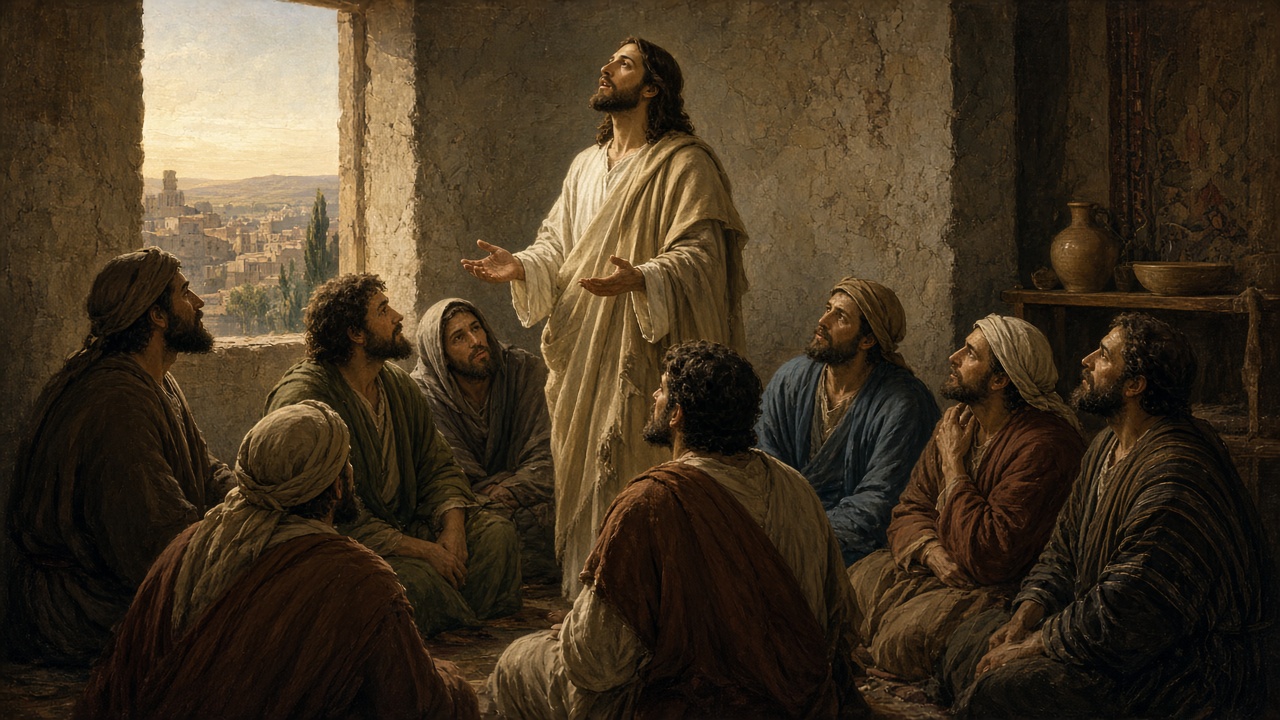
- A oração começa quando Jesus, depois de ter dito essas coisas, ergue os olhos ao céu e diz que a hora chegou. Ela está associada ao Discurso do Cenáculo, indicado como um dia, e à Semana Santa, indicada como oito dias.Fontes: o próprio texto bíblico · Upper Room Discourse · Holy Week
- Aqui a vida eterna é conhecer o único Deus verdadeiro e Jesus Cristo, a quem o Pai enviou. Jesus também fala da glória que tinha com o Pai antes de o mundo existir e do amor do Pai por ele antes da fundação do mundo.Fontes: o próprio texto bíblico
- Ele ora por aqueles que o Pai lhe deu do mundo, os que guardaram a palavra, e também por quem crerá por meio da mensagem deles, pedindo que sejam um. Não pede que sejam tirados do mundo, mas que sejam guardados do maligno e santificados pela verdade, que ele identifica como a palavra do Pai.Fontes: o próprio texto bíblico
Notas escritas com auxílio de IA a partir de fontes abertas (Theographic Bible Metadata, CC BY-SA 4.0; Easton’s Bible Dictionary, domínio público) e revisadas antes de publicar.
Créditos e licença desta tradução
U ak' Testamento tu kuyob'al
New Testament in Ixil Nebaj; ixl (GT:ixl:Ixil)
copyright © 2008 Wycliffe Bible Translators, Inc.
Language: Ixil
Dialect: Nebaj
Translation by: Wycliffe Bible Translators, Inc.
Copyright Information
© 2008, Wycliffe Bible Translators, Inc. All rights reserved.
This translation text is made available to you under the
terms of the Creative Commons License: Attribution-Noncommercial-No Derivative Works.
( http://creativecommons.org/licenses/by-nc-nd/3.0/ )
In addition, you have permission to port the text to different file formats, as long as you
do not change any of the text or punctuation of the Bible.
You may share, copy, distribute, transmit, and extract portions
or quotations from this work, provided that you include the above copyright
information:
You must give Attribution to the work.
You do not sell this work for a profit.
You do not make any derivative works that change any of the actual words or punctuation of the Scriptures.
Permissions beyond the scope of this license may be
available if you contact
us with your request.
The New Testament
in Ixil
© 2008, Wycliffe Bible Translators, Inc. All rights reserved.
This translation is made available to you under the terms of the
Creative Commons Attribution-Noncommercial-No Derivatives license 4.0.
You may share and redistribute this Bible translation or extracts from it in any format, provided that:
You include the above copyright and source information.
You do not sell this work for a profit.
You do not change any of the words or punctuation of the Scriptures.
Pictures included with Scriptures and other documents on this site are licensed just for use with those Scriptures and documents.
For other uses, please contact the respective copyright owners.
2014-12-07
Fonte: http://ebible.org/ixlNNT/ · eBible.org