Apocalipse 11
Viakʼla txumbʼal u tioxh · Toque num versículo para ver as referências cruzadas.
Qꞌu kam siꞌan kaꞌvaꞌl qꞌu texhtiigo
1Ech aqꞌax maꞌl u aa ve, echabꞌal echaꞌ bꞌaara. Utz alax ve ech tzaꞌ: —Kuxh utz, echa u tuuleval u totztioxh, tuchꞌ u nachbꞌal Tioxh. Utz laach majte jatvaꞌl qꞌu aanima qꞌuꞌl nimotxtoksa iqꞌii u Tioxh tziꞌ. 2Pek aatz u vatz iqꞌanalil u totztioxh, aqꞌka; yeꞌk seecha. Tan oksamaltekka tikuenta qꞌu puera aanima qꞌuꞌl yeꞌ tootzaj Tioxh. Utz kam koꞌn toj motx iꞌan tu u tioxhla tenam tu maꞌl 42 ichꞌ. 3Pek savaqꞌ tijleꞌm kaꞌvaꞌl qꞌul untexhtiigo tiꞌ talax qꞌul unyol tu maꞌl 1,260 qꞌii. Sibꞌaxabꞌsa qꞌul unyol. Satoksa toksaꞌm tetz txumuꞌm tuul sibꞌaxabꞌsa qꞌul unyol.— Texhtuꞌ.
4Aatz kaꞌvaꞌl qꞌu texhtiigo, aꞌ nikꞌam tiꞌ kaꞌvaꞌl qꞌu tzeꞌ olivo. Utz nikꞌam tiꞌ kaꞌvaꞌl qꞌu tatibꞌal txijtxubꞌal majte qꞌuꞌl atil vatz u Tioxh viBꞌaal u vatz txꞌavaꞌ. 5Ech oj abꞌil maꞌj kam siꞌan tu qꞌu texhtiigo sitxumeꞌ tziꞌ, kamchil siꞌaneꞌ. Xamal saeluꞌl titziꞌ qꞌu texhtiigo tiꞌ iyatzꞌaxeꞌ. Ech ikam kajay qꞌuꞌl ikoontra siꞌaneꞌ. 6Tan atil tijleꞌm aas yeꞌk sachajpu jabꞌal tu amlika taqꞌo, jatvaꞌl qꞌii satal qꞌul iyol u Tioxh. Atil tijleꞌm aas sataqꞌ bꞌens kajal qꞌu aꞌ. Utz jatvatzul koꞌn choobꞌal paav sataqꞌ kuꞌ tiꞌ qꞌu aanima tu u vatz amlika txꞌavaꞌ. Samotxiꞌaneꞌ jatpajul isaꞌ.
7Uncheeꞌ aatz samotxtzojpu tiꞌ talax qꞌul iyol u Tioxh, sachee jeꞌul tu u mam jul maꞌl u xaꞌebꞌalla txokop. Utz siꞌan chꞌaꞌo tuchꞌ qꞌu texhtiigo tziꞌ. Ech sasubꞌli, sayatzꞌli. 8Ech aatz qꞌul ichiꞌl, samotxkaa tinikꞌa u mam tenam Jerusaleen, vaꞌl jeꞌk u kuBꞌaal Jesuus vatz kurus, vaꞌl aꞌ nikꞌam tiꞌ vibꞌii kaꞌvaꞌl qꞌu aa paavla chaj tenam, u Sodoma tuchꞌ u Egipto. 9Ech oxvaꞌl qꞌii tuchꞌ unnikꞌamte siꞌan kuꞌ tu bꞌey. Yeꞌk saꞌaqꞌax tzii samujli. Kajay aanima sailon, jatvatzul koꞌn iyolbꞌal, jatvatzul koꞌn aanimail, tu mamaj tenam utz, tu talaj tenam. 10Ech aatz qꞌu aanima tu u vatz amlika txꞌavaꞌ, saꞌxhmotxtxuqꞌtxun tiꞌ aas maꞌt ikam kaꞌvaꞌl qꞌu texhtiigo tziꞌ. Saꞌxhmotxchiꞌbꞌ taqꞌo. Samotxtaqꞌ bꞌen tibꞌ toya sivatzaj tiꞌ vikamebꞌal. Tan nojchit maꞌtich motx ipaal tu kꞌaxkꞌo taqꞌo.
11Ech taꞌxh sael oxvaꞌl qꞌii tuchꞌ unnikꞌamte ikam qꞌu texhtiigo, saqꞌaavulsal taanxelal tu u Tioxh. Ech samotxlakpi; samotxchꞌineꞌi. Ech mam xoꞌval saok kꞌatz qꞌu aanima qꞌuꞌl sailon. 12Utz ech samotxtabꞌi maꞌl u yol tu Amlika, satal te ech tzaꞌ: —¡Jeꞌojulex tzaꞌ!— Chaj te. Ech samotxbꞌenjeꞌ tu Amlika tu sutzꞌ. Utz sailax tu qꞌu koontrain tetz.
13Ech aatz siꞌan tu u muꞌkꞌul tziꞌ, yak sapaaloj maꞌl mam kꞌabꞌnaano tu u tenam vaꞌl samotxelkubꞌen. Utz aatz untanul tu laa tanul u tenam, yak sabꞌenoj tu qootzꞌ. Utz sakam 7,000 aanima. Aatz tereꞌn qꞌu aanima samotxkaai, samotxxoꞌvi. Utz saꞌtektoksa iqꞌii u Tioxh tu Amlika.
14Paalyu u kaꞌbꞌ tilayolla mam choobꞌal paav. Loqꞌ tul u toxvaꞌ mam choobꞌal paav vaꞌl tilayol.
U toqꞌsal u jujvaꞌ trompeta, nixeꞌt viQꞌesalail u Tioxh
15Aatz u jujvaꞌ aanjel, toqꞌsa vitrompeta. Utz aꞌ tek vabꞌi tuch mam qꞌeqꞌuꞌm tu Amlika. Ech nichtal tzaꞌ:
—Aatz qꞌu ijlenalil
tu u vatz amlika txꞌavaꞌ kajayil,
okyu tiqꞌabꞌ u kuBꞌaals Amlika,
tuchꞌ u Cristo.
Ech siꞌan ijlenalil bꞌenamen,
bꞌenqꞌii bꞌensaj.—
Texhtuꞌ.
16Uncheeꞌ aatz qꞌu 24 qꞌesala qꞌuꞌl kꞌujlich tu qꞌu kꞌujlebꞌal tetz qꞌesala vatz u Tioxh, motx pecheꞌi. Motx taqꞌ kuꞌ ivatz utz, toksa iqꞌii u Tioxh. 17Motx tal ech tzaꞌ:
—Nikukꞌamabꞌe see kuBꞌaals Amlika,
Mam Tioxh.
Tan, axh u Tioxh tetz cheel,
tetz oꞌte utz,
tetz taabꞌaꞌbꞌen.
Tan okyu u mam iijleꞌm.
Xeꞌti val iijlenalil tu u vatz amlika txꞌavaꞌ.
18Tan kꞌuxh nilakpu iviꞌ qꞌu mamaj tenam saiꞌ,
lakpi aviꞌ majte.
Utz cheel u tiempo aas satxꞌol inujul qꞌu kamnaj.
Cheel vaꞌl saaqꞌ vibꞌaꞌnla choobꞌal
kajay qꞌul aaqꞌonom,
qꞌu alol tetz vayolbꞌal,
tuchꞌ qꞌu niman tetz u Jesuus
utz, jatvaꞌl chit qꞌu nimaj,
chꞌooaj qꞌuꞌl atil aatin siatz.
Pek sasotzsa qꞌu yuchꞌul
tu u vatz amlika txꞌavaꞌ.—
Texhtuꞌ.
19Uncheeꞌ aꞌ tek vil ijajpu u tatibꞌal u Tioxh vaꞌl tu Amlika. Utz naꞌvit eluꞌl u tioxhla kaaxha vaꞌl atil u nukꞌuꞌm tuul. Utz el itzꞌnaꞌbꞌ tu u vatz txꞌavaꞌ. Uch mam qꞌeqꞌuꞌm. Tininun u vatz txꞌavaꞌ. Paal maꞌl mam kabꞌnaano. Utz kaana sajbꞌatz kuꞌi.
Você sabia?
As duas testemunhas e a grande cidade
- Apocalipse 11 diz que os corpos das duas testemunhas jazerão na rua da grande cidade, chamada em sentido figurado de Sodoma e Egito, onde o seu Senhor também foi crucificado. Um verbete de dicionário explica Sodoma como ardente, ou a murada, uma cidade destruída por fogo do céu por causa da maldade de seus habitantes, destruição que as Escrituras recordam com frequência. O Egito, terra do Nilo e das pirâmides, é igualmente descrito como um lugar de grande importância nas Escrituras.Fontes: o próprio texto bíblico
- As duas testemunhas recebem poder para profetizar durante mil duzentos e sessenta dias, vestidas de pano de saco. Elas são as duas oliveiras e os dois candelabros que estão diante do Senhor da terra, e têm poder para fechar o céu, de modo que não caia chuva, para transformar as águas em sangue e para ferir a terra com toda espécie de praga.Fontes: o próprio texto bíblico
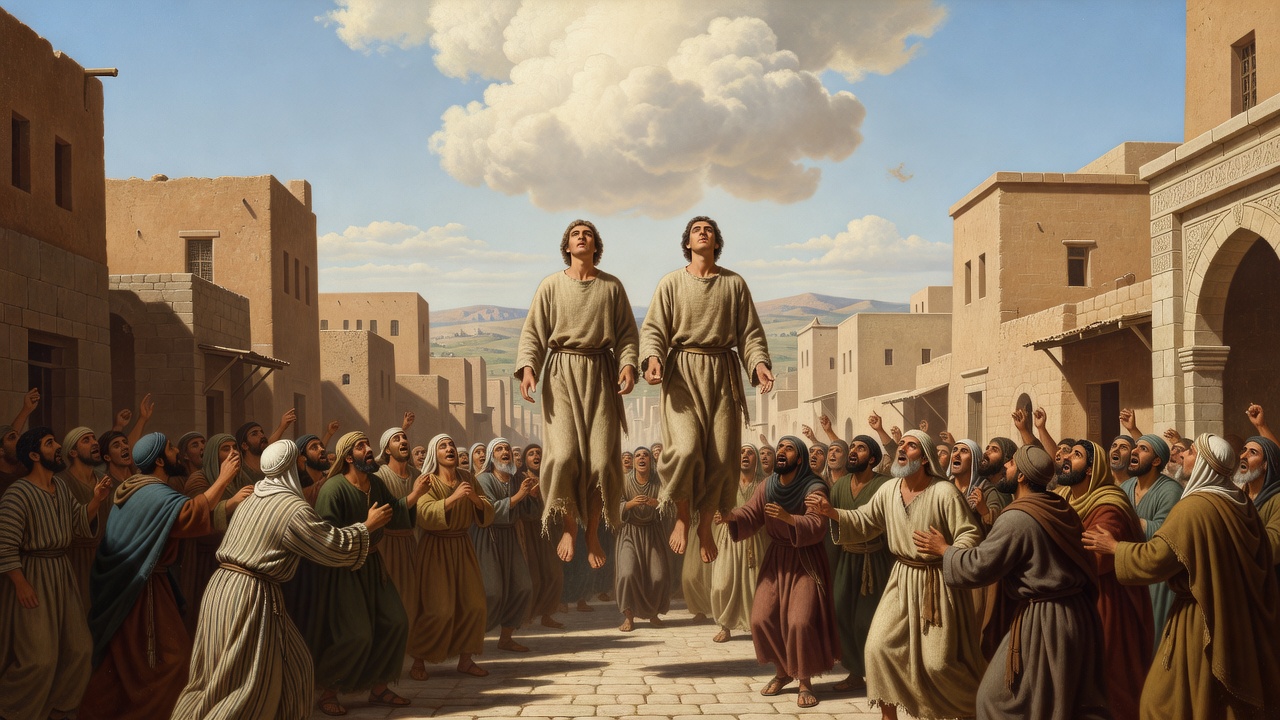
- Quando as duas testemunhas terminam o seu testemunho, a besta que sobe do Abismo as vence e as mata. Durante três dias e meio, povos, tribos, línguas e nações contemplam os seus corpos e não permitem que sejam colocados num túmulo, enquanto os habitantes da terra zombam deles, comemoram e mandam presentes uns aos outros, porque os dois profetas os tinham atormentado. Depois disso, o sopro de vida da parte de Deus entra nelas; elas se põem em pé e sobem ao céu numa nuvem, enquanto os seus inimigos as observam.Fontes: o próprio texto bíblico
Notas escritas com auxílio de IA a partir de fontes abertas (Theographic Bible Metadata, CC BY-SA 4.0; Easton’s Bible Dictionary, domínio público) e revisadas antes de publicar.
Lugares deste capítulo
Só aparecem lugares com identificação de alta confiança (90% ou mais segundo as fontes acadêmicas reunidas pelo OpenBible). Mapa da época: DARE (Digital Atlas of the Roman Empire), CC BY 4.0; mapa atual: © colaboradores do OpenStreetMap; lugares: OpenBible.info (CC BY 4.0).
Créditos e licença desta tradução
Viakʼla txumbʼal u tioxh
New Testament in Ixil Cotzal; ixl (GT:ixl:Ixil)
copyright © 2001 Wycliffe Bible Translators, Inc.
Language: Ixil
Dialect: Cotzal
Translation by: Wycliffe Bible Translators, Inc.
Copyright Information
© 2001, Wycliffe Bible Translators, Inc. All rights reserved.
This translation text is made available to you under the
terms of the Creative Commons License: Attribution-Noncommercial-No Derivative Works.
( http://creativecommons.org/licenses/by-nc-nd/3.0/ )
In addition, you have permission to port the text to different file formats, as long as you
do not change any of the text or punctuation of the Bible.
You may share, copy, distribute, transmit, and extract portions
or quotations from this work, provided that you include the above copyright
information:
You must give Attribution to the work.
You do not sell this work for a profit.
You do not make any derivative works that change any of the actual words or punctuation of the Scriptures.
Permissions beyond the scope of this license may be
available if you contact
us with your request.
The New Testament
in Ixil
© 2001, Wycliffe Bible Translators, Inc. All rights reserved.
This translation is made available to you under the terms of the
Creative Commons Attribution-Noncommercial-No Derivatives license 4.0.
You may share and redistribute this Bible translation or extracts from it in any format, provided that:
You include the above copyright and source information.
You do not sell this work for a profit.
You do not change any of the words or punctuation of the Scriptures.
Pictures included with Scriptures and other documents on this site are licensed just for use with those Scriptures and documents.
For other uses, please contact the respective copyright owners.
2014-04-25
Fonte: http://ebible.org/ixlCNT/ · eBible.org