Apocalipse 21
Elu Ọhụn: Ẹkụkwọ-Nsọ (Azụụn Ọhụn rịn'a) · Toque num versículo para ver as referências cruzadas.
Elu-igwee Ọhụn Lẹ Elu-ụwa Ọhụn
1Ya m nọ hụn elu-igwee ọhụn lẹ enu-ụwa ọhụn, makẹni elu-igwee ibuzọ lẹ elu-ụwa ibuzọ a lagụọ. Ohimin arịzị a.
Jerusalẹm' Ọhụn
2M nọ hụn obodo-nsọ hụ, Jerusalẹm' ọhụn hụ, k'ọ gha enu-igwee hidanla, Osolobuẹ zihẹ ẹ. Ọ rị kẹ nwa-agbọọ wẹ chọgụụ mma, hụn rị e che di ẹ. 3M nọ nụ okẹn olu gha ebe ukpo-eze hụ rị a sị,
“Lee ẹ, ebe-obibi Osolobuẹ a bịagụọ imẹ igunrun ịhịan; o k'e bi imẹ igunrun wẹ. Wẹ k'e fee ẹ nị uwẹ wụ ndị nke ẹ; [Osolobuẹ k'e mẹ wẹ nị ya wụ Osolobuẹ wẹ]—Osolobuẹ lẹ enwẹn ẹ k'a nọyeni wẹ. 4O k'e finchanpụchanrịn wẹ ẹnya-mirin ọwụlẹ rị wẹ ẹnya. Ọnwụn arịkọzị; kẹ ihiẹn ẹnya-mirin kẹ ẹkwan kẹ ụfụ arịkọzị—makẹni ihiẹn akan a ghafegụọ.”
5Onyẹ hụ nọdị anị elu ukpo-eze hụ nọ sị,
“Lee ẹ! M rị e kedọnzi ihiẹn ile!”
Ọ nọ sịzị, “Detu ihiẹnni, makẹni oku ndịnị wụ ezioku lẹ oku furu wẹ gi e dọn ẹnya.”
6Ya ọ nọ sị m, “O mẹgụọ! Mmẹ wụ Ibuzọ lẹ Ịkpazụụn, Mbidọn lẹ Ọgụgụ. Onyẹ ọwụlẹ ẹgụn-mirin rị a gụn, m k'a gha isi-mirin hụ mirin e ye ndụn gha e hupụha ye ẹ mirin ọfẹ. 7Ndị hụn mẹrini k'e nwẹhẹn ihiẹn ndịnị m k'e ye. M k'a wụrụ Osolobuẹ wẹ, a wụrụ wẹ ụmụ m.
8Kanị, nke ndị a tụ egun lẹ ndị-kwerilẹni lẹ ndị rụnị; ndị-izighẹ lẹ ndị-ughẹrẹ; ndị ile e bu-nshin lẹ ndị gi ikẹn eje-mmọn a rụn; ndị a rụa mmọn lẹ ndị-ntụ ile—wẹ ile shikọ d'a rị imẹ ọmị ọkụn lẹ nsịn-ẹnya-anwụn hụ, hụn wụ ọnwụn nke ẹbụọ.”
Jerusalẹm Ọhụn Hụ
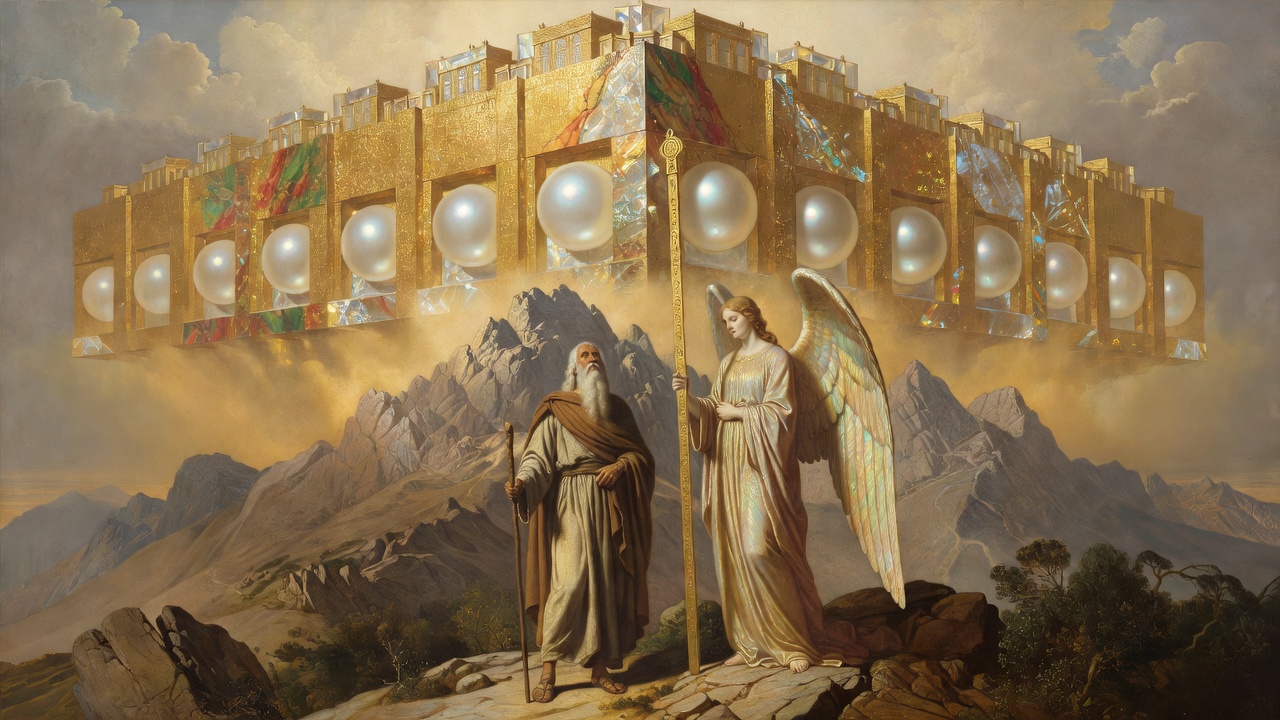
9Ya mmọn-ozi ohu imẹ wẹ ẹsa hụ te bu afẹrẹ afụnfụn ịkpazụụn ẹsa nọ bịa d'a sị m, “Bịa, m k'a ghọsị ị onyẹ hụ ya lẹ Nwa-ebulu hụ jẹnkọ d'a gba ẹhụhụọ, nwunyẹ Nwa-ebulu hụ.” 10Ọ nọ buru m imẹ-mmọn shi enu ugu ohu, okẹn-ugu, hụn jẹn elu ọda-ọda; ọ nọ ghọsị m obodo-nsọ hụ wụ Jerusalẹm k'ọ gha elu-igwee hidanla, Osolobuẹ zihẹ ẹ. 11Ọghọ Osolobuẹ rị a ẹhụ, ọ hụ e be nwanran-nwanran kẹ ihiẹn-mma ndị ahụn a kọkẹnmẹni, lẹkẹ akpụrụ Jaspa; ọ hụ e nwun zaị. 12Mgbọn ẹ hi-ogbe, jẹn elu ọda-ọda. Ọnụ-mgbọn mmẹbụọ k'o nwẹ; mmọn-ozi ohu-ohu turusọnmẹ ọnụ-mgbọn ndị hụ. Wẹ deye ẹfan ikpun-ụlọ mmẹbụọ rị Izrẹlụ ohu-ohu ọnụ-mgbọn ndị hụ. 13Ọnụ-mgbọn ẹtọ-ẹtọ rịsọnmẹ ẹ ẹbamịn ẹnọ—ẹtọ rị ibẹka ọwụwa-ẹnya-anwụn, ẹtọ rị ibẹka ugu, ẹtọ rị ibẹka ndịdan-mirin, ẹtọ rị ibẹka ndịdan ẹnya-anwụn. 14Mgbọn anị hụ nwọn ọmụma mmẹbụọ gin'ẹ nọkẹ iyetọ. Wẹ deyesọnmẹ ẹfan ndị-ozi pụ-ichẹn mmẹbụọ Nwa-ebulu hụ enu wẹ.
15Mmọn-ozi hụ gwa m oku gi mkpịnsịn goru wẹ gi a ma ihiẹn, hụn o k'e gi ma obodo hụ lẹ ọnụ-mgbọn ndị rịn'a lẹ mgbọn ẹ. 16Obodo hụ nwẹ azụụn ẹnọ. Azụụn ẹnọ ahụn wụchanrịn ahanmahan—ya wụ, k'o suehan k'ọ shịahan.
Ọ nọ gi mkpịnsịn a ma obodo hụ. stadiọn nnụ-uku mmẹbụọ rọ (ya wụ ihiẹn nọkẹ maịlị ọgụn-mmitenẹi kwasị nnụ-ẹtọ). K'o suehan lẹ k'ọ shịahan lẹ k'o jẹnhan elu wụchanrịn ahanmahan. 17Ọ nọzị ma kẹ mgbọn ẹ shịahan: gha mkpọ-ẹka d'e ru ọnụnụ-ẹka mmẹbụọ-ụzọ-mmẹbụọ (kubiti ẹnọ kwasị ọgụn-ẹsa) k'ọ wụ—kẹ ịhịan dọn a ma ihiẹn. Ihiẹn mmọn-ozi hụ gi ma a hanhụ kẹ hụn ịhịan gi a ma ihiẹn.
18Ọmụma a kọnị w'a kpọ Jaspa kẹ wẹ gi tụn mgbọn hụ; goru wẹ gwagbamalẹni ya lẹ ihiẹn ọwụlẹ kẹ wẹ gi tụn obodo hụ; o nwun zaị kẹ ughegbe.
19Wẹ gi ụdị ihiẹn-mma ile rị ichẹn-ichẹn rị mkpa chọsọnmẹ ọmụma ndị hụ gi mgbọn hụ nọkẹ iyetọ mma. Nke ibuzọ wụ Jaspa; hụn mẹ ẹ ẹbụọ wụ Safẹ; hụn mẹ wẹ ẹtọ wụ ageti. Hụn mẹ wẹ ẹnọ wụ ẹmaradị; 20hụn mẹ wẹ isẹn wụ onisi; hụn mẹ wẹ isin wụ kanelịanị. Hụn mẹ wẹ ẹsa wụ kraịsolaịtị; hụn mẹ wẹ ẹsatọ wụ berilụ; hụn mẹ wẹ itenẹi wụ tọpazị. Hụn mẹ wẹ iri wụ kraịsopresi; hụn mẹ wẹ mmanaị wụ jasịntị; hụn mẹ wẹ mmẹbụọ wụ amẹtisi. 21Ọmụma pụ-ichẹn a kọnị hụn wẹ gi tụsọnmẹ ọnụ-mgbọn mmẹbụọ hụ rịsọnmẹ ụdị ichẹn-ichẹn. Ọnụ-mgbọn ọwụlẹ imẹ wẹ wụ ogbe ọmụma pụ-ichẹn ohu—ọmụma ndị hụ w'a chọ achọ wẹ gi a chọ ihiẹn mma. Goru wẹ gwalẹni kẹ wẹ gi mẹmẹ ụzọ ụwaya-kanị hụn rị imẹ obodo hụ: o nwunchanrịn zaị kẹ ughegbe!
22Ahụnnị m ụnọ-nsọ ọwụlẹ imẹ obodo hụ—makẹni Osolobuẹ hụn wụ Di-nwọnni-ẹnyi, Onyẹ hụn nwọn ikẹn ile, lẹ Nwa-ebulu hụ wụ Ụlọ-nsọ obodo hụ. 23Obodo hụ achọdẹni ẹnya-anwụn mọbụ ifọn hụn k'e ye ẹ ukpẹ, makẹni ọghọ Osolobuẹ wụ ukpẹ ẹ, Nwa-ebulu hụ wụ ukpẹ-ẹka a.
24Ukpẹ obodo hụ kẹ ndị anị ichẹn-ichẹn k'e gi bi. Ndị-nze ụwa k'e webanhan ọghọ wẹ imẹ Obodo hụ.
25Agụnmakọ wẹ ọnụ-mgbọn obodo hụ ebe eki rị elu, bụ uhinhin arịkọ ebẹhụ. Ya wụ, agụnmakọ w'a kẹ ụhụọhịn han.
26Wẹ k'e webanhan ọghọ alị ichẹn-ichẹn lẹ akụ-lẹ-ụba wẹ imẹ ẹ. 27Kanị, o nwọnni ihiẹn ọwụlẹ rịlẹni ọchan mọbụ onyẹ ọwụlẹ hụn e mẹ ihiẹn rụnị ẹnya Osolobuẹ mọbụ ihiẹn ọwụlẹ ya lẹ ntụ wị k'a banyen'ẹ. Ndị wẹ de ẹfan wẹ imẹ ẹkụkwọ nke ndụn Nwa-ebulu hụ, uwẹ sụọ k'a banye ẹ.
Você sabia?
A nova Jerusalém
- Nesta visão, a cidade que desce do céu é chamada de cidade santa, a nova Jerusalém. Jerusalém também era conhecida como a cidade santa e a cidade de Deus, e em árabe é el-Khuds, que significa a santa. O nome está numa forma dual e significa posse da paz ou fundamento da paz.Fontes: o próprio texto bíblico · Jerusalem
- O vidente é levado no Espírito a um monte grande e alto e vê essa cidade santa descendo. Jerusalém é descrita como uma cidade de montanha entronizada numa fortaleza de montanha, e a forma dual do nome provavelmente se refere aos dois montes sobre os quais foi construída, Sião e Moriá, ou, como alguns supõem, à cidade alta e à cidade baixa.Fontes: o próprio texto bíblico · Jerusalem
- A muralha da cidade tem doze portas, três de cada lado, inscritas com os nomes das doze tribos de Israel. Israel é outro nome de Jacó, explicado como aquele que segue os calcanhares de outro, ou como um suplantador.Fontes: o próprio texto bíblico · Jacob (Israel)
Notas escritas com auxílio de IA a partir de fontes abertas (Theographic Bible Metadata, CC BY-SA 4.0; Easton’s Bible Dictionary, domínio público) e revisadas antes de publicar.
Lugares deste capítulo
Só aparecem lugares com identificação de alta confiança (90% ou mais segundo as fontes acadêmicas reunidas pelo OpenBible). Mapa da época: DARE (Digital Atlas of the Roman Empire), CC BY 4.0; mapa atual: © colaboradores do OpenStreetMap; lugares: OpenBible.info (CC BY 4.0).
Créditos e licença desta tradução
Elu Ọhụn: Ẹkụkwọ-Nsọ (Azụụn Ọhụn rịn'a)
Revision of New Testament in Ika
copyright © 2010 Wycliffe
Language: Ika
Translation by: Wycliffe
Ika (ikk) Nigeria
In Nigeria the word Ika is not only the name of the Ika
people, but is also used to designate a local government area in the Akwa Ibom
State. The Ika people are a sub group of the Igbo people. It is interesting to note
that Ika is the name of a town in Croatia is one of the eight Annang local
government areas of the local government areas in Akwa Ibom State. An alternative
name for the Ika people is Ika-Annang. There appears to be another dialect of Ika
that is spoken in Delta State of Nigeria.
Copyright Information
© 2010, Wycliffe. All rights reserved.
This translation text is made available to you under the terms of the Creative
Commons License: Attribution-Noncommercial-No Derivative Works. ( http://creativecommons.org/licenses/by-nc-nd/3.0/ ) In addition, you have
permission to port the text to different file formats, as long as you do not change
any of the text or punctuation of the Bible.
You may share, copy, distribute, transmit, and extract portions or quotations from
this work, provided that you include the above copyright information:
You must give Attribution to the work.
You do not sell this work for a profit.
You do not make any derivative works that change any of the actual words or
punctuation of the Scriptures.
Permissions beyond the scope of this license may be available if you contact us
with your request.
Printed book ISBN 9789789037056
Revision
The New Testament
in Ika
© 2010, Wycliffe. All rights
reserved.
This translation is made available to you under the terms of the
Creative Commons Attribution-Noncommercial-No Derivatives license 4.0.
You may share and redistribute this Bible translation or extracts from it in any format, provided that:
You include the above copyright and source information.
You do not sell this work for a profit.
You do not change any of the words or punctuation of the Scriptures.
Pictures included with Scriptures and other documents on this site are licensed just for use with those Scriptures and documents.
For other uses, please contact the respective copyright owners.
2019-08-09
Fonte: http://ebible.org/ikkNT/ · eBible.org