Mateus 9
Elu Ọhụn: Ẹkụkwọ-Nsọ (Azụụn Ọhụn rịn'a) · Toque num versículo para ver as referências cruzadas.
Jizọsị A Zụọ Onyẹ-ọrọ
1Jizọsị nọ banye imẹ ụgbọ-mirin, fetu mirin si obodo ẹ. 2'Ya wẹ nọ gi ute buhẹn'ẹ okẹnnyẹ ohu ọrọ kinmin. Ogẹn Jizọsị gi hụn okukwe wẹ, ọ nọ sị onyẹni ọrọ kinmin, “Atụlẹ egun nwa m, a gbagharịgụọ wẹ i njọ ị.”
3'Ya ndị hụ imẹ ndị-nkuzi Iwu nọ sị enwẹn wẹ, “Okẹnnyẹni rị e ku arụ.”
4Kanị ogẹn Jizọsị gi marịn ihiẹn wẹ rị e ro, ọ nọ sị, “Kị haịn ọnụ gi e ro eje-ihiẹn imẹ obi ọnụ? 5Elee hụn ka nfe: ị sị, ‘A gbagharịgụọ wẹ i njọ ị,’ ra ị sị, ‘Lihi ọtọ jẹnmẹ ijẹn?’ 6Kanị, m jẹnkọ d'a ghọsị ụnụ nị Nwa nke Ịhịan nwọn ikẹn o gi a gbagharị njọ elu-ụwanị.” Ọ nọ sị onyẹ hụ ọrọ kinmin, “Lihi ọtọ! Heri ute i, lama iwe i!”
7Okẹnnyẹ hụ nọ lihi ọtọ, lama iwe ẹ. 8Ogẹn igunrun ịhịan rị ebẹhụ gi hụn ihiẹnni, egun nọ tụ wẹ, 'ya wẹ nọ ja Osolobuẹ hụn ye ịhịan ụdị ikẹnni mma.
Jizọsị A kpọ Matiu
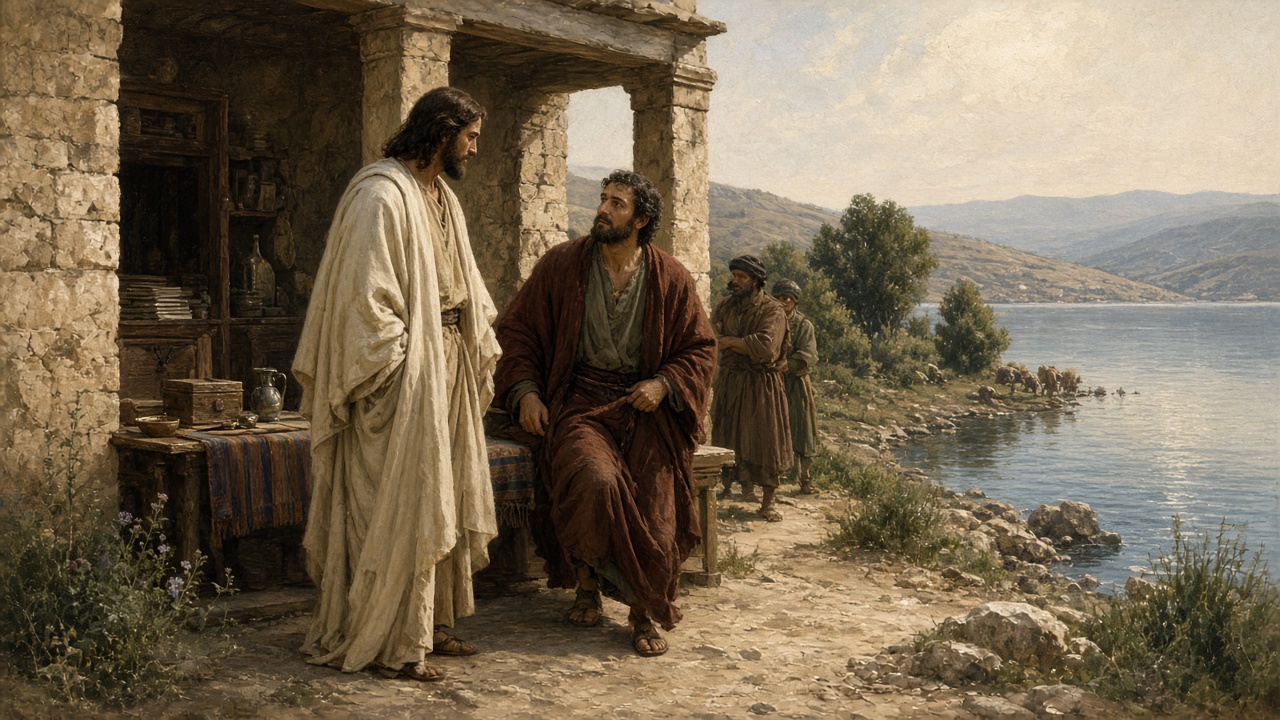
9Ogẹn Jizọsị gi gha ebahụn pụkọ, ọ nọ hụn onyẹ ohu ẹfan a wụ Matiu ebe ọ nọdị alị imẹ ụlọ-ọrụn ndị a na ụgwọ-isi. Ọ nọ sị a, “Sọnmẹ m,” ọ nọ lihi ọtọ, sọnmẹ ẹ.
10Ogẹn Jizọsị gi nọdị alị imẹ ụlọ iwe Matiu e ri ihiẹn-oriri, ndị bu ọda imẹ ndị a na ụgwọ-isi lẹ ndị njọ nọ bịa d'e du 'ya lẹ ụmụ-azụụn a ri ihiẹn-oriri. 11Ogẹn ndị Itu-Farisi gi hụn ihiẹnni, wẹ nọ sị ụmụ-azụụn a, “Kị haịn onyẹ-nkuzi ọnụ gi e sọn ndị a na ụgwọ-isi lẹ ndị njọ e ri ihiẹn-oriri?”
12Kanị, ogẹn Jizọsị gi nụ a, ọ nọ sị wẹ, “Ndị ẹhịụ rị ikẹn a ra chọ dibiẹ, kama, ndị ẹhụ rịlẹni ikẹn wụ ndị a chọ dibiẹ. 13Jẹn ni d'a mụ ihiẹn okuni Ẹkụkwọ-nsọ ku wụ, ‘M chọ omikẹn, ẹlẹ ịchụ-ẹjan.’ Makẹni, ẹlẹ ndị rị-ọchan kẹ m bịa d'a kpọ nị wẹ rogharị, kanị ndị njọ.”
Ajụjụ Banyeni Ibu-ọnụ
14Ụmụ-azụụn Jọnụ nọ bịa d'e kunrun Jizọsị, jụ a, sị, “Kị haịn ẹnyi lẹ ndị Itu-Farisi gi e bu ọnụ mbụ-lẹ-ẹbọ, kanị ụmụ-azụụn ị a ra bu ọnụ?”
15Jizọsị nọ za wẹ, sị, “Nị ndị bịa agbamẹkụkwọ sụkụrụ ebe okẹnnyẹ rị a gba ẹkụkwọ kelẹni pụ? Ogẹn lala hụn wẹ e gi wehụ a imẹ igunrun wẹ, ogẹn hụ, wẹ jẹnkọ d'e bumẹ ọnụ.”
16“O nwọnni onyẹ e gi ẹkwa ọhụn talẹni a kwakin nke akan. Makẹni, ẹkwa ọhụn hụ wẹ gi kwakin ẹ sikọ d'a dọkapụ, ebahụn ọ dọka a jọwaye njọ. 17W'a ra gizikwọ ihiẹn akan gbaye manya ọhụn. Makẹni wẹ gi ẹ, ọ gbawa, manya a kwanhu, ihiẹn wẹ gi gbaye ẹ a la iwi. Kama, w'a gba manya ọhụn e ye imẹ ihiẹn ọhụn, ogẹn ahụn wẹ ẹbụọ alakọ iwi.”
Jesu A Zụọ Okpoho Hụ Ihiẹn Rị A Gba, Kpọtiẹn Nwata Nwụnhụnnị
18Ebe ọ rị a gwa wẹ ihiẹn ndịnị wẹ, onyẹ ohu imẹ ndị-isi wẹ nọ banhan, gbu n'ẹ osekpu, sị, “Nwa-m-okpoho nwụnhụnhụ kikẹnni, ka bịa d'e bu ẹka ị kwasị a—makẹlẹ, i bu ẹka ị kwasị a, ọ sikọ d'a rị ndụn.”
19'Ya Jizọsị nọ lihi ọtọ sọnmẹ ẹ, 'ya lẹ ụmụ-azụụn a. 20Idẹnmizi, okpoho ohu ihiẹn rị a gba kete ahụa mmẹbụọ nọ ghaha azụụn Jizọsị, mẹtụ ntịn ẹfẹ Jizọsị ẹka. 21Makẹni ọ sị enwẹn ẹ, “M mẹtụhụ ẹwuru ẹ ẹka, m sikọ d'a rị mma.”
22Jizọsị nọ gbehutọ, ogẹn o gi hụn a, ọ nọ sị a, “A tụlẹ egun nwa m, okukwe i e mẹọlẹ i dịnhịn.” Okpoho hụ nọ dịnhịn 23Ogẹn Jizọsị gi ru iwe onyẹ-isi hụ, hụn ndị rị e gbu ẹkpịrị lẹ igunrun ịhịan kẹ wẹ rị a zụn ụzụn, 24ọ nọ sị wẹ, “Pụ nị, nị nwata hụ anwụnnị, ụran k'ọ rị.” Wẹ nọ mụma a ẹmụ. 25Ogẹn wẹ gi wepụgụụ igunrun hụ ezi, ọ nọ banye, kwọndọn nwata hụ ẹka, nwata hụ nọ lihi. 26Ihiẹnni nọ kpọgbama ẹgbẹrẹ hụ ile.
Jizọsị A Zụọ Ndị Ẹnya-ishi Ẹbụọ
27Ogẹn Jizọsị gi gha ebẹhụ pụkọ, ikẹnnyẹ ẹbụọ ẹnya kpu ishi nọ sọnmẹ ẹ, e yi oro, a sị, “Mẹ omikẹn ẹnyi nwa Defidi!”
28Ogẹn o gi banye imẹ ụlọ, ndị ẹnya-ishi hụ nọ bịa d'e kunrun ẹ. Ọ nọ sị wẹ, “Ụnụ e kwerighọ nị m sikọ d'a saẹka mẹ ihiẹnni?” Wẹ nọ sị a, “Ẹghẹẹ, Di-nwọnni-ẹnyi.”
29'Ya ọ nọ mẹtụ wẹ ẹka ẹnya, sị, “'Ya rị nị ọnụ kẹ ụnụ dọn kweri.” 30'Ya ẹnya wẹ nọ shịapụ, wẹ nọ leghama ụzọ. Ya Jizọsị nọ dọkẹnmẹ wẹ ẹka-ntịn, sị wẹ, “Anịkwọlẹ ni onyẹ ọwụlẹ marịn ihiẹnni.”
31Kanị a pụ wẹ, wẹ nọ kusọnmẹ oku ẹ ẹgbẹrẹ hụ ile.
Jizọsị A Zụọ Onyẹ Ghalẹni E Ku Oku
32Ogẹn ndị ahụn ẹnya te kpu ishi gi pụkọ, ndị ọzọ nọ wẹhẹ onyẹ-odin eje-mmọn rị imẹ ẹ d'e kunrun Jizọsị. 33Ogẹn Jesu gi chụpụgụụ eje-mmọn hụ, onyẹ-odin hụ nọ kumẹ oku. Ọ tụkẹnmẹ igunrun hụ ẹnya. Wẹ nọ sị, “A hụntuni wẹ ihiẹn nọ ẹnịna imẹ Izrẹlụ.” 34Kanị ndị Itu-Farisi nọ sị, “O gi ikẹn onyẹ-isi eje-mmọn a chụpụ eje-mmọn.”
Ọrụn Rịnị E Hikẹ. Kanị Ndị K'a Rụnn'a Ebuni Ọda
35Jizọsị nọ ghama obodo-obodo, kẹ ndị shịanị kẹ ndị mẹ ẹkẹrẹ, a kuzi imẹ ụlọ-ofufe ndị Ju, e zi oziọma Alị-eze, a zụọ ụdị emu lẹ ọrịa ile. 36Ogẹn o gi hụn igunrun ndị hụ rịsọnmẹ imẹ obodo ndị hụ, omikẹn wẹ nọ mẹmẹ ẹ, makẹni wẹ nọ kẹ ndị obi rulẹni alị, ndị nwẹlẹni onyẹ e yeni wẹ ẹka—rịkẹ atụnrụn nwọnlẹni onyẹ-ndu. 37Ọ nọ sị ụmụ-azụụn a, “Ihiẹn-ugbo wẹ sikọ d'a ghọ e hikẹ, kanị ndị ọrụn ebuni ọda. 38Mẹ ni nwan ekpere rịọ Osolobuẹ, Onyẹ hụn nwọn ugbo, n'o zihẹ ndị-ọrụn sikọ d'a ghọ n'a ihiẹn-ugbo ẹ.”
Você sabia?
Misericórdia, cura e vinho novo
- Mateus, filho de Alfeu, era publicano, ou seja, cobrador de impostos, em Cafarnaum. Jesus, ao subir da beira do lago, passou pela coletoria onde Mateus estava sentado e disse: “Segue-me”. Antes, ele era conhecido como Levi; nesse mesmo dia ofereceu um grande banquete, descrito como uma despedida, a Jesus, aos discípulos e, provavelmente, a muitos dos seus antigos companheiros.Fontes: Matthew · o próprio texto bíblico
- Os que perguntam por que eles e os fariseus jejuam com tanta frequência, enquanto os discípulos de Jesus não jejuam, são discípulos de João Batista. João é chamado o precursor; era de descendência sacerdotal, seu pai Zacarias sacerdote do turno de Abias e sua mãe Isabel uma das filhas de Arão.Fontes: John the Baptist · o próprio texto bíblico
- Uma cronologia situa a cura do paralítico, o chamado de Mateus, a pergunta sobre o jejum e a parábola dos odres no ano 28 d.C.Fontes: Healing the Man with Palsy · Jesus Calls Matthew · Fasting Question · Parable of the Winseskins
Notas escritas com auxílio de IA a partir de fontes abertas (Theographic Bible Metadata, CC BY-SA 4.0; Easton’s Bible Dictionary, domínio público) e revisadas antes de publicar.
Lugares deste capítulo
- Sea of Galilee · 32.819, 35.590 · versículo 1
Só aparecem lugares com identificação de alta confiança (90% ou mais segundo as fontes acadêmicas reunidas pelo OpenBible). Mapa da época: DARE (Digital Atlas of the Roman Empire), CC BY 4.0; mapa atual: © colaboradores do OpenStreetMap; lugares: OpenBible.info (CC BY 4.0).
Créditos e licença desta tradução
Elu Ọhụn: Ẹkụkwọ-Nsọ (Azụụn Ọhụn rịn'a)
Revision of New Testament in Ika
copyright © 2010 Wycliffe
Language: Ika
Translation by: Wycliffe
Ika (ikk) Nigeria
In Nigeria the word Ika is not only the name of the Ika
people, but is also used to designate a local government area in the Akwa Ibom
State. The Ika people are a sub group of the Igbo people. It is interesting to note
that Ika is the name of a town in Croatia is one of the eight Annang local
government areas of the local government areas in Akwa Ibom State. An alternative
name for the Ika people is Ika-Annang. There appears to be another dialect of Ika
that is spoken in Delta State of Nigeria.
Copyright Information
© 2010, Wycliffe. All rights reserved.
This translation text is made available to you under the terms of the Creative
Commons License: Attribution-Noncommercial-No Derivative Works. ( http://creativecommons.org/licenses/by-nc-nd/3.0/ ) In addition, you have
permission to port the text to different file formats, as long as you do not change
any of the text or punctuation of the Bible.
You may share, copy, distribute, transmit, and extract portions or quotations from
this work, provided that you include the above copyright information:
You must give Attribution to the work.
You do not sell this work for a profit.
You do not make any derivative works that change any of the actual words or
punctuation of the Scriptures.
Permissions beyond the scope of this license may be available if you contact us
with your request.
Printed book ISBN 9789789037056
Revision
The New Testament
in Ika
© 2010, Wycliffe. All rights
reserved.
This translation is made available to you under the terms of the
Creative Commons Attribution-Noncommercial-No Derivatives license 4.0.
You may share and redistribute this Bible translation or extracts from it in any format, provided that:
You include the above copyright and source information.
You do not sell this work for a profit.
You do not change any of the words or punctuation of the Scriptures.
Pictures included with Scriptures and other documents on this site are licensed just for use with those Scriptures and documents.
For other uses, please contact the respective copyright owners.
2019-08-09
Fonte: http://ebible.org/ikkNT/ · eBible.org