Mateus 13
Elu Ọhụn: Ẹkụkwọ-Nsọ (Azụụn Ọhụn rịn'a) · Toque num versículo para ver as referências cruzadas.
Ilu Jesu Gi Onyẹ-ugbo Ta
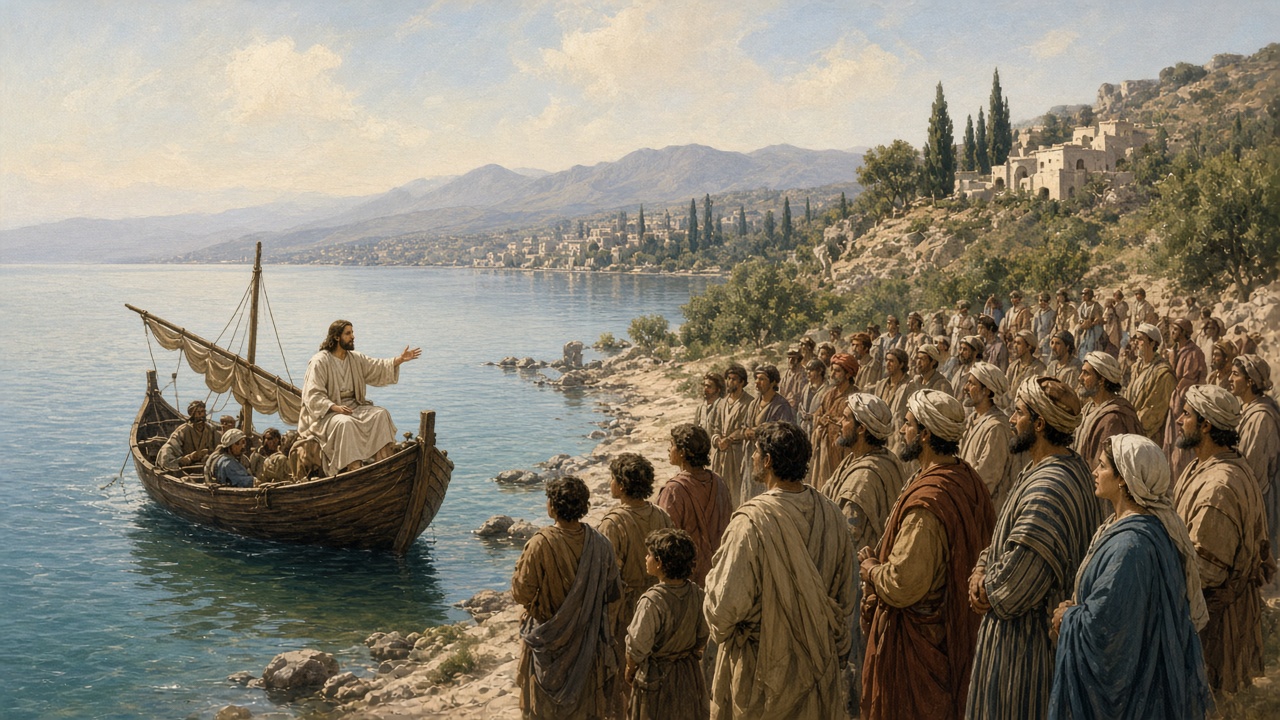
1Ụhụọhịn hụ, Jizọsị nọ gha imẹ ụlọ pụ, jẹn d'a nọdị alị mkpẹnrẹn mirin Galili. 2Igunrun hi-ogbe nọ fihunmẹ ẹ, hụn wụ nị ọ nọ banye imẹ ụgbọ, nọdị alị, igunrun hụ ile nọ turu mkpẹnrẹn mirin. 3Ọ nọ gi ilu gwa wẹ ihiẹn bu ọda, sị, “Gọn ni ntịn! O nwẹ onyẹ-ugbo jẹn d'a gha mkpụrụ imẹ ugbo. …onyẹ-ugbo jẹn d'a gha mkpụrụ imẹ ugbo.|src="DN00470b.jpg" size="col" loc="MAT 13" copy="Darwin Dunham" ref="13.3"
4Ogẹn o gi rị a gha a, mkpụrụ ndị hụ imẹ wẹ a danye ọkp'ụzọ, nnụnụ nọ bịa d'e ripụ wẹ. 5Mkpụrụ ndị ọzọ a danye alị-ọmụma ebe ẹjan rịlẹni ọda, pu ozigbo makẹlẹ ẹjan arị a ọda. 6Kanị, ogẹn anwụn gi wa, ọ ma wẹ, wẹ nọ shinwụn, makẹni enwọn wẹ nkpọgụn. 7Mkpụrụ ndị ọzọ a danye ebe ogun rị, ogun ndị hụ nọ sue, dụngbu wẹ. 8Mkpụrụ ndị ọzọ a danye alị rị mma, mị mkpụrụ; ndị hụ imẹ wẹ a mị ụzọ ọgụn isẹn, ndị hụ ụzọ ọgụn ẹtọ, ndị hụ iri kwasị ọgụn.
9Onyẹ nwọn ntịn 'ya nụ.”
Ihiẹn Haịn Jesu Gi A Tasọnmẹ Ilu
10Ya kẹ ụmụ-azụụn Jizọsị nọ bịa d'e kunrun ẹ, sị, “Kị haịn i gi e gi ilu a gwa wẹ oku?”
11Ọ nọ za wẹ, sị, “E yegụọ wẹ ụnụ oghere ọnụ e gi marịn ihiẹn-mini rịsọnmẹ Alị-eze elu-igwee, kanị eyeni wẹ wẹ. 12Makẹni onyẹ hụn nwọnni kẹ wẹ jẹnkọ d'e yecheni, kẹni o nwẹ mmagi-mmagi; kanị onyẹ hụn nwọnlẹni, wẹ k'a napụ a hụn o nwẹdẹ.” 13“Ihiẹn haịn m gi e gi ilu a gwa wẹ oku wụ nị wẹ rị e lee ilee, kanị a rị w'a hụn ụzọ; w'e gọn ntịn, kanị a rị w'a nụ, a rị w'a ghọha. 14Ihiẹn onyẹ-amụma wụ Azaya ku e mẹgụọ ebe wẹ rị—Azaya sị,
‘Nke esi,
ọnụ jẹnkọ d'a nụ,
kalẹ o nwọnni ogẹn ụnụ e gi ghọha;
ụnụ jẹnkọ d'e lee ilee,
kanị o nwọnni ogẹn ụnụ e gi legha ụzọ, 15makẹni ndịnị a ra ghọha,
ntịn wẹ a kpọkingụọ,
a nyụnmagụọ wẹ ẹnya,
amamgbe w'e gi ẹnya wẹ legha ụzọ, gi ntịn wẹ nụ ihiẹn,
gi uche wẹ ghọha,
gbehutọ d'e kunrun m,
a gbagharị m wẹ njọ wẹ—ya kẹ Osolobuẹ ku.’ ”
16“Kanị, wẹ gọzi ẹnya ọnụ agọzi, 'ya haịn wẹ gi rị a hụn ụzọ; wẹ gọzizikwọ ntịn ụnụ agọzi, 'ya haịn wẹ gi rị a nụ ihiẹn. 17Ezioku kẹ m rị a gwa ụnụ, ndị-amụma bu ọda lẹ ndị bu ọda hụn mẹ ihiẹn Chuku chọ e te chọgụọ nị wẹ hụn ihiẹn ọnụ rị a hụn, kanị a hụnnị w'a; a chọgụọzị wẹ nị wẹ nụ ihiẹn ụnụ rị a nụ, kanị anụnị w'a.”
Ihiẹn Jesu Gi Ilu Onyẹ-ugbo Hụ Kuzi
18“Nụ nị nwan nkọwa ilu hụ m gi onyẹ-ugbo ta: 19Ogẹn ịhịan gi nụ oku Alị-eze bụ ọ ghọhan'a, Eje-onyẹ hụ a bịa, ọ jụnarịn a ihiẹn wẹ kụnye imẹ obi ẹ. Ọnwan wụ hụn wẹ kụnye ọkp'ụzọ. 20Hụn danye alị-ọmụma wụ onyẹ hụ hụn nụ oku hụ, gi ịghọghọ nabanhan a ozigbo. 21Kanị, makẹni onyẹ hụ e nwẹ nkpọgụn, ọ tọhụ ẹkẹrẹ. Ogẹn nsọngbu mọbụ ukpokpo e gi bịa makẹ oku hụ, ọ danpụ ozigbo. 22Hụn wẹ kụnye imẹ ogun wụ onyẹ hụ hụn nụ oku hụ, kanị uhue ihiẹn ụwanị lẹ ihiẹn ọlịl'ẹnya akụ-lẹ-ụba ụwanị a kpangbu oku hụ, ọ mịnị mkpụrụ. 23Kanị, mkpụrụ wẹ kụnye alị rị mma wụ ndị hụ hụn nụ oku hụ, ghọha a, mị mkpụrụ eziẹ-eziẹ: ndị hụ imẹ wẹ a mị ụzọ ọgụn-isẹn, ndị hụ a mị ụzọ ọgụn-ẹtọ, ndị hụ a mị ụzọ iri-kwasị-ọgụn.”
Ilu Jesu Gi Ata-witi Ta
24Ọ nọ ta nị wẹ ilu ọzọ, sị,
“Alị-eze elu-igwee rịkẹ ebe ịhịan nọ kụn mkpụrụ rị mma imẹ ugbo ẹ. 25Kanị, ebe ịhịan rị ụran, eṅẹnrẹn nọ bịa d'a kụn ata-witi ye imẹ ọka-witi ndị hụ pụ. 26Ogẹn ihiẹn-ugbo ndịnị gi nwan suegụụ, mịma mkpụrụ, ata-witi ndị hụ nọzịkwọ pụha.
27'Ya ndị idibo ahụn nọ bịa d'e kunrun onyẹ hụ nwẹ ugbo, sị a, ‘Di-ọkpa, ẹlẹ mkpụrụ rị mma k'ị kụnye imẹ ugbo i? Nanị kẹ ata-witi dọn banzị a?’
28Ọ nọ sị wẹ, ‘Onyẹ-iwe mẹ ihiẹnni.’
Ndị idibo ndị hụ nọ sị a, ‘Nị ẹnyi jẹn nwan d'e huepụ ata-witi ndị hụ?’
29Kanị ọ nọ sị, ‘Mba, amamgbe ọnụ e huepụ 'ya lẹ ọka-witi. 30Hapụ nị wẹ ẹbụọ nị wẹ suegbamẹ d'e ru ogẹn wẹ gi e be ọka-witi. O ru ogẹn wẹ gi e be ọka-witi, a sị m ndị jẹnkọ d'e be n'ẹ, “Bu ni ụzọ huepụ ata-witi kẹnmẹsọnmẹ wẹ ukun-ukun d'a dụn ọkụn, ụnụ e bepụha ọka-witi buche ebe m'e buche ihiẹn-ugbo.” ’ ”
Ilu Jesu Gi Mkpụrụ Mọstadị Ta
31Ọ nọ ta nị wẹ ilu ọzọ, sị, “Alị-eze elu-igwee nọ kẹ akpụrụ mọstadị ohu hụn onyẹ ohu weri, kụnye imẹ ugbo ẹ. 32Ịya kachanrịn ntịn imẹ mkpụrụ ile, kanị o suegụụ, 'ya kachanrịn ogbe e hi imẹ ihiẹn-akụnkụn ndị hụn hikẹlẹni, ọ handẹ kẹ osisi, nke wụ nị nnụnụ a bịa d'a kpa ẹkụụ e ye agalaba a.”
Ilu Jesu Gi Yisti Ta
33Ọ nọ ta nị wẹ ilu ọzọ, sị, “Alị-eze elu-igwee rịkẹ yisti brẹdi gi a fụ hụn okpoho ohu gi gwọgbama flawa wẹ gi e shi brẹdi hụn k'e jun ihiẹn nọkẹ adana ẹtọ d'e ru n'ọ ghagbarị flawa hụ ile.”
Ihiẹn Haịn Jizọsị Gi E Gi Ilu A kuzi
34Jizọsị gi ilu gwa igunrun hụ ihiẹn ndịnị ile. O nwọnni ihiẹn o gilẹni ilu gwa wẹ. 35Ọnwan wụ igi mẹzu ihiẹn onyẹ-amụma ku, sị,
“M jẹnkọ d'a shịapụ ọnụ m
e gi ilu e ku,
m jẹnkọ d'a gha e
ku ihiẹn zuerini
kete w'a tụnlẹ iyetọ ụwa.”
Jizọsị A Kọwa Ilu Ata-witi Hụ
36'Ya ọ nọ na igunrun hụ tọ si imẹ ụlọ. Ụmụ-azụụn a nọ bịa d'e kunrun ẹ, sị a, “Kọwa nị ẹnyi ilu ata-witi hụ wẹ kụnye imẹ ugbo.” 37Ọ nọ za, sị, “Onyẹ hụ kụn mkpụrụ rị mma wụ Nwa nke Ịhịan. 38Ugbo hụ wụ ụwa; mkpụrụ hụ hụn rị mma wụ ụmụ Alị-eze; ata-witi hụ wụ ụmụ Eje-onyẹ hụ. 39Eṅẹnrẹn ahụn kụn ata-witi ndị hụ wụ Ekwensụ; ogẹn hụ wẹ jẹnkọ d'e gi ghọ ihiẹn-ugbo hụ wụ ọgụgụ ogẹnni; ndị ahụn jẹnkọ d'a ghọn'a wụ ndị mmọn-ozi.
40Kẹ wẹ dọn huepụ ata-witi ndị hụ, wegbama wẹ dụn ọkụn, ẹrịra k'o jẹnkọ d'a rị ọgụgụ-ogẹn. 41Nwa nke Ịhịan jẹnkọ d'e zi ndị mmọn-ozi ẹ. Wẹ jẹnkọ d'e kpọnpụ ihiẹn ọwụlẹ e buhẹ njọ lẹ ndị ile e mẹ eje-ihiẹn imẹ Alị-eze ẹ, 42tụ wẹ ye okẹn ọkụn hụ. Ebẹhụ, ịhịan jẹnkọ d'a rị a kwan ẹkwan, a ta nkwẹnrẹn-eze. 43Ogẹn hụ, ndị ezi-omumẹ k'e timẹ kẹ ẹnya-anwụn imẹ Alị-eze Nẹdi wẹ. Onyẹ hụn nwọn ntịn 'ya nụ.”
Ilu Ndị Jesu Gi Ihiẹn Rị Okẹn-mkpa Zuerini Ta
44“Alị-eze elu-igwee rị kẹ ihiẹn rị okẹn-mkpa zueri imẹ ugbo, hụn onyẹ ohu hụn, zuemẹzi ẹ, gi ịghọghọ jẹn d'e rechanrịn ihiẹn ile o nwọn, bịa d'e ṅọnrin alị hụ.”
45“Ọzọzị, Alị-eze elu-igwee nọ kẹ ebe onyẹ-afịa rị a chọsọnmẹ ihiẹn rị mkpa a kọnị. 46Ogẹn o gi hụn hụn a kọkẹnmẹni rịgbu enwẹn ẹ mkpa, ọ nọ jẹn, rechanrịn ihiẹn ile o nwẹ, bịa d'e ṅọnrin ẹ.”
Ilu Jesu Gi Ọga Ta
47“Ọzọzị, Alị-eze elu-igwee rịkẹ ọga wẹ tụye imẹ ohimin, ọ nọ nwụndọn ụdị azụn ile rị ichẹn-ichẹn. 48Ogẹn o gi jun, wẹ nọ dọkpụnpụha a mkpẹnrẹn mirin; ya wẹ nọ nọdị alị, họpụha ndị rị mma, buche imẹ ụkpalị, kpọn ndị rịlẹni mma tuhu. Wẹ nọ nọdị alị, họpụha ndị rị mma|src="lb00212c.jpg" size="col" loc="MAT 13" copy="Horace Knowles; The British & Foreign Bible Society" ref="13.48" 49Ẹrịra k'o jẹnkọ d'a rị o ru ọgụgụ-ogẹn. Ndị mmọn-ozi jẹnkọ d'a pụha, họpụ ndị-njọ ebe ndị-ọma rị, 50kpọn wẹ ye okẹn ọkụn hụ. Ebẹhụ, ịhịan jẹnkọ d'a rị a kwan ẹkwan, a ta nkwẹnrẹn-eze.”
Ezioku Nke Ọhụn Lẹ Nke Akan
51Jizọsị nọ jụ, sị, “Ọnụ a ghọtagụọ ihiẹn ndịnị ile?” Wẹ nọ sị a, “Ẹghẹẹ.” 52Ọ nọ sị wẹ, “'Ya wụ nị onyẹ nkuzi Iwu ọwụlẹ wẹ zụn makẹ Alị-eze elu-igwee nọkẹ onyẹ nwọn ụlọ, hụn gha ebe o dọnmẹ ihiẹn e wefụha kẹ ihiẹn ọhụn kẹ ihiẹn akan.”
A jụ Wẹ Jizọsị Imẹ Nazarẹtị
53Ogẹn Jizọsị gi tagụụ ilu ndịnị wẹ, ọ nọ gha ebahụn pụ, 54si obodo ẹ. Ọ nọ kuzimẹ wẹ imẹ ụlọ-ofufe wẹ, hụn wụ nị nkuzi ẹ nọ tụ wẹ ẹnya, wẹ nọ sị, “Elebe kẹ okẹnnyẹni nọ nwẹhẹn amamihiẹnni lẹ ọrụn-atụmẹnya ndịnị ọ rị a rụn? 55Ẹlẹ nwa Kapịnta wụ ọnwan? Ẹfan nnẹ ẹ ẹlẹ Meri? Ẹlẹ Jemisi lẹ Josẹfụ lẹ Saịmọnụ lẹ Judasị wụ umunẹ-ẹ-ikẹnnyẹ? 56Ẹlẹ ẹnyi lẹ umunẹ-ẹ-ikpoho rị ebeni? Elebe kẹ okẹnnyẹni gha nwẹhẹn ihiẹn ndịnị ile?” 57'Ya wẹ nọ wemẹ n'ẹ iwe. Jizọsị nọ sị wẹ, “W'a gbaye onyẹ-amụma agbaye ebe ile mmanị imẹ alị a lẹ ezi-lẹ-ụlọ a.” 58Ọ rụnnị ọrụn-atụmẹnya bu ọda ebẹhụ makẹni ekwerini ni w'ẹ.
Você sabia?
Parábolas do Reino dos Céus
- No dia que este capítulo descreve, Jesus saiu de casa e sentou-se à beira do mar. A multidão ficou tão grande que ele entrou num barco e ensinou dali, enquanto o povo permanecia em pé na praia, e não lhes falou nada senão em parábolas. Uma cronologia data essas parábolas à beira-mar em 28 d.C.Fontes: o próprio texto bíblico · Seaside Parables and Miracle
- Quando os discípulos perguntaram por que ele falava ao povo em parábolas, Jesus respondeu que o conhecimento dos mistérios do reino dos céus lhes tinha sido dado, mas não às multidões. Disse que a profecia de Isaías se cumpria nas multidões: continuariam ouvindo e vendo, mas jamais entenderiam ou perceberiam, porque o coração delas se havia endurecido. O Easton’s Bible Dictionary (1897) descreve Isaías como filho de Amoz, que profetizou durante os reinados de Uzias, Jotão, Acaz e Ezequias.Fontes: o próprio texto bíblico · Isaiah
- Mais tarde, Jesus chegou à sua cidade natal, ensinou na sinagoga, e o povo se ofendeu com ele. Perguntaram se ele era o filho do carpinteiro, nomearam sua mãe Maria e seus irmãos Tiago, José, Simão e Judas, e observaram que suas irmãs viviam entre eles; por causa da incredulidade deles, ele não fez muitos milagres ali. Maria é identificada como esposa de José e mãe de Jesus, Simão como um dos irmãos do Senhor, e uma cronologia data essa segunda rejeição em Nazaré no ano 29 d.C.Fontes: o próprio texto bíblico · Mary (Mother of Jesus) · Simon · 2nd Rejection at Nazareth
Notas escritas com auxílio de IA a partir de fontes abertas (Theographic Bible Metadata, CC BY-SA 4.0; Easton’s Bible Dictionary, domínio público) e revisadas antes de publicar.
Lugares deste capítulo
- Nazareth · 32.702, 35.298 · versículo 54
Só aparecem lugares com identificação de alta confiança (90% ou mais segundo as fontes acadêmicas reunidas pelo OpenBible). Mapa da época: DARE (Digital Atlas of the Roman Empire), CC BY 4.0; mapa atual: © colaboradores do OpenStreetMap; lugares: OpenBible.info (CC BY 4.0).
Créditos e licença desta tradução
Elu Ọhụn: Ẹkụkwọ-Nsọ (Azụụn Ọhụn rịn'a)
Revision of New Testament in Ika
copyright © 2010 Wycliffe
Language: Ika
Translation by: Wycliffe
Ika (ikk) Nigeria
In Nigeria the word Ika is not only the name of the Ika
people, but is also used to designate a local government area in the Akwa Ibom
State. The Ika people are a sub group of the Igbo people. It is interesting to note
that Ika is the name of a town in Croatia is one of the eight Annang local
government areas of the local government areas in Akwa Ibom State. An alternative
name for the Ika people is Ika-Annang. There appears to be another dialect of Ika
that is spoken in Delta State of Nigeria.
Copyright Information
© 2010, Wycliffe. All rights reserved.
This translation text is made available to you under the terms of the Creative
Commons License: Attribution-Noncommercial-No Derivative Works. ( http://creativecommons.org/licenses/by-nc-nd/3.0/ ) In addition, you have
permission to port the text to different file formats, as long as you do not change
any of the text or punctuation of the Bible.
You may share, copy, distribute, transmit, and extract portions or quotations from
this work, provided that you include the above copyright information:
You must give Attribution to the work.
You do not sell this work for a profit.
You do not make any derivative works that change any of the actual words or
punctuation of the Scriptures.
Permissions beyond the scope of this license may be available if you contact us
with your request.
Printed book ISBN 9789789037056
Revision
The New Testament
in Ika
© 2010, Wycliffe. All rights
reserved.
This translation is made available to you under the terms of the
Creative Commons Attribution-Noncommercial-No Derivatives license 4.0.
You may share and redistribute this Bible translation or extracts from it in any format, provided that:
You include the above copyright and source information.
You do not sell this work for a profit.
You do not change any of the words or punctuation of the Scriptures.
Pictures included with Scriptures and other documents on this site are licensed just for use with those Scriptures and documents.
For other uses, please contact the respective copyright owners.
2019-08-09
Fonte: http://ebible.org/ikkNT/ · eBible.org