Lucas 24
Elu Ọhụn: Ẹkụkwọ-Nsọ (Azụụn Ọhụn rịn'a) · Toque num versículo para ver as referências cruzadas.
Jesu A Gha Ọnwụn Lihi
1Kanị, ụzọ-ụtụntụn biribiri ụhụọhịn ibuzọ imẹ izu-ụka (hụn wụ nwan ụhụọhịn Sọnde), ikpoho ndị hụ nọ weri ihiẹn ndị ahụn e shin ọhụnma wẹ kwademẹgụụ, jẹnmẹ ili hụ. 2Wẹ nọ hụn a nị e nupụgụọ wẹ ọmụma wẹ gi nukin ọnụ ili hụ. 3'Ya wẹ nọ banye imẹ ẹ; kalẹ ahụnnị wẹ ẹhụ Di-nwọnni-ẹnyi wụ Jesu. 4Ọ nọ gba wẹ ngharị-ẹnya. Kẹ wẹ dọn rị e ro ẹ, idẹnmizi ikẹnnyẹ ẹbụọ yi ẹkwa rị e be nwanran-nwanran nọ wuzoye ni wẹ. 5Okẹn egun nọ tụma wẹ, 'ya wẹ nọ bu ihun kọma alị. Ikẹnnyẹ ndị hụ nọ sị wẹ, “Kị haịn ụnụ gi a chọ onyẹ rị ndụn ebe ndị nwụnnị rị? 6Ọ rịzị ebeni; ọ ghagụọ ọnwụn lihi. Nyanhan nị ihiẹn ọ gwa ụnụ ogẹn o gi rị Galili: nị, 7‘Wẹ jẹnkọ d'e bu mmẹ wụ Nwa nke Ịhịan che ẹka ndị njọ, a kpọgbu wẹ m; kanị hụn m'ẹ akp'ọhịn ẹtọ, m k'a gha ọnwụn lihi.’ ”
8Ya ikpoho ndị hụ nọ nyanhan ihiẹn Jesu ku, 9a gha wẹ ili ahụn lụa, wẹ nọ gwa madụ mmanaị hụ lẹ ndị ọzọ ile họdụnị. 10Ikpoho ndị hụ wụ Meri onyẹ Mag'dala lẹ Juana lẹ Meri nnẹ Jemisi; uwẹ lẹ ikpoho ndị ọzọ wẹ ile wị gba gwa ndị-ozi hụ pụ-ichẹn ihiẹn ndịnị. 11Kanị, ndị-ozi hụ pụ-ichẹn egini ẹ dọn makẹni ihiẹn wẹ rị e ku rị wẹ hụ kẹ oku nwọnlẹni isi.
12Kanị Pita nọ lihi ọtọ, gbasi ili ahụn; o hulụa alị, nyọnye, 'ya ọ nọ hụn ẹkwa linẹ hụ wẹ te gi kwama Jesu, kanị o nwọnzini ihiẹn ọzọ ọ hụn. Ọ nọ pụ, e ro ihiẹn mẹni.
Ụmụ-azụụn A Jẹnkọ Ẹmaụsụ A Hụn Jesu K'ọ Ghagụụ Ọnwụn Lihi
13Ụhụọhịn ohu ahụn zị, ụmụ-azụụn Jesu ẹbụọ jẹnkọ obodo ohu mẹ ẹkẹrẹ w'a kpọ Ẹmaụsụ. (Gha Jerusalẹm d'e ru Ẹmaụsụ wụ ihiẹn rị kẹ maịlị ẹsa.) 14Wẹ hụ e ku oku ihiẹn ndị hụ ile mẹni. 15Kẹ wẹ rị e ku, e shi inyẹnrẹn, 'ya Jizọsị lẹ enwẹn ẹ nọ nọchimẹ wẹ, sọn wẹ jẹnsọnmẹ; 16kanị anịnị wẹ wẹ kọma a ẹnya. 17Ya Jizọsị nọ sị wẹ, “Elee inyẹnrẹn kẹ ụnụ shikọ ihiẹnni ile jẹnkọ?”
Wẹ nọ biwuzo, rọnmẹ ihun. 18'Ya onyẹ ohu imẹ wẹ w'a kpọ Klopasị nọ sị a, “Ọ nọkẹ sị 'yụ sụọ wụ onyẹ ọbịa rị imẹ Jerusalẹm hụn marịnlẹni ihiẹn ndị mẹ ebahụn kete ụhụọhịnnị?”
19Jesu nọ sị, “Kị mẹ?”
Wẹ nọ sị a, “Ihiẹn ndị gbashịarị Jesu onyẹ Nazarẹtị: Okẹnnyẹni gi ọrụn a lẹ oku-ọnụ a ghọsịchanrịn n'ọ wụ okẹn onyẹ-amụma rị mkpa—kẹ ebe Osolobuẹ rị kẹ ebe ịhịan rị— 20lẹzi kẹ ndị-isi nchụ-ẹjan lẹ ndị-isi ẹnyi dọn we ẹ ye wẹ nị wẹ ma a ikpe-ọnwụn; 'ya wẹ nọ ma a ikpe ọnwụn, kpọgbu ẹ; 21kanị ẹnyi te nwọn olile-ẹnya nị ịya wụ onyẹ hụn jẹnkọ d'a gbapụha Izrẹlụ!”
“Ẹghẹẹ, wezụkadẹ ihiẹn ndịnị ile, ọnwan mẹ ẹ nwan akpụ-ụhụọhịn ẹtọ ihiẹn ndịnị mẹ. 22Ọzọzị, ikpoho ndị hụ imẹ ndị itu ẹnyi mẹ ihiẹn tụ ẹnyi ẹnya; wẹ jẹn ili ẹ ụzọ-ụtụntụn tannị, 23kanị ahụnnị wẹ ẹhụ a. Wẹ nọ kinhẹn d'a gwa ẹnyi nị a hụngụọdẹ wẹ ọhụn ebe ndị mmọn-ozi pụha d'a gwa wẹ nị ọ hụ ndụn. 24Ndị hụ imẹ ndị ẹnyi lẹ wẹ wị e jẹngụọzị ili hụ, wẹ nọ hụnzịkwọ a nị ọ rịchanrịn kẹ ikpoho ndị hụ dọn ku; kanị ahụnnị wẹ 'ya lẹ enwẹn ẹ.”
25'Ya Jizọsị nọ sị wẹ, “Euu! Ụnụ e zuzukẹ; ọ fụka ụnụ ọrụn ikweri ihiẹn ile ndị-amụma ku imẹ Ẹkụkwọ-nsọ! 26Ekuni w'ẹ nị Mezaya jẹnkọ d'a tagụụ afụnfụn ndịnị o kebe banye ọghọ a?” 27'Ya Jizọsị nọ gha ihiẹn Mozizi de imẹ Ẹkụkwọ-nsọ d'e ru ihiẹn ndị-amụma ile de kọwachanrịn nị wẹ ihiẹn ile Ẹkụkwọ-nsọ ku banyeni 'ya lẹ enwẹn ẹ.
28Hụn wẹ gi rumẹ ẹhịụ obodo hụ wẹ jẹnkọ, Jizọsị nọ mẹ rịkẹ sị o k'e jẹnghafe; 29wẹ nọ rịọkẹnmẹ ẹ, sị a, “Du ẹnyi nọdị ndọ-o, nị ọhị a gbamagụọ, ụhụọhịn tannị a gụmagụọ ma.” 'Ya ọ nọ banye d'e sọn wẹ nọdị.
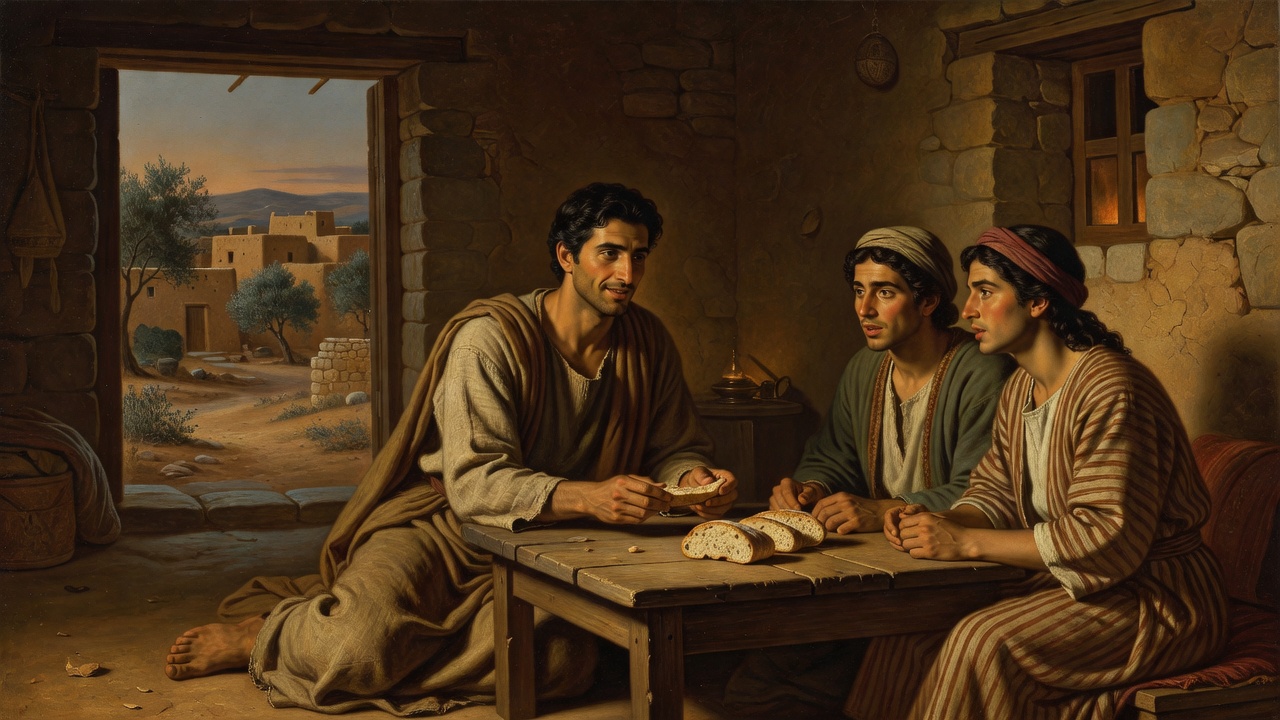
30Ogẹn o gi nọdị alị n'o sọn wẹ ri ihiẹn-oriri, ọ nọ weri brẹdi, gọzi ẹ; ọ nọ bebe ẹ, we ẹ ye wẹ. 31Ebẹhụ kẹ ẹnya wẹ nọ shịapụ, wẹ nọ marịn nị ịya rọ. 'Ya ọ nọ fori, ahụnzịnị w'a!
32Wẹ nọ sị ibe wẹ, “Ogẹn o gi a gwa ẹnyi oku ụzọ lẹ ogẹn o gi rị a kọwa nị ẹnyi Ẹhụhụọ-nsọ, ẹlẹ ọ nọ kẹ sị ọkụn rị imẹ obi ẹnyi a dụn?”
33Wẹ nọ lihi ọtọ ozigbo ahụn, kin-azụụn si Jerusalẹm; wẹ nọ hụn ụmụ-azụụn mmanaị hụ lẹ ndị ọzọ wẹ lẹ wẹ wị kẹ wẹ gbakikomẹ; 34wẹ ile gbakikomẹni hụ a sị, “Ezioku rọ! Di-nwọnni-ẹnyi e lihigụọ, Saịmọnụ a hụngụọ a!”
35Wẹ ẹbụbụọ nọ nwan gwa wẹ ihiẹn mẹ ụzọ, gwazịkwọ wẹ kẹ wẹ dọn ghọha nị Di-nwọnni-ẹnyi rọ ogẹn o gi bebe brẹdi.
Ụmụ-azụụn Jesu A Hụn Jesu K'ọ Ghagụụ Ọnwụn Lihi
36Ebe mmadụ ẹbụọ hụ rị a gwa wẹ ihiẹnni, Jizọsị lẹ enwẹn ẹ nọ nwọnpụha idemizi, turu etintinnaị wẹ. Ọ nọ sị wẹ, “Udọn 'ya rị nị ụnụ.”
37Wẹ ile nọ jụsọhị, ezigbo egun nọ tụma wẹ; wẹ hụ e ro n'a hụn wẹ onyẹ-mmọn. 38'Ya ọ nọ sị wẹ, “Kị haịn egun gi a tụ ụnụ? Kị haịn ụnụ gi e nwẹ obi-ẹbụọ? 39Lee ni ẹka m; lee ni ụkụ m: Mmẹ rọ! Mẹtụ nị m ẹka nị ụnụ hụn a nị mmẹ rọ; onyẹ-mmọn ara nwẹ uru lẹ ọkpụkpụ kẹ ụnụ dọn hụn nị e nwọnghọ m.”
40O kugụụ ihiẹnni, ọ nọ ghọsị wẹ ẹka a ẹbụọ lẹ ọkụ a ẹbụọ. 41Ebe omẹni ekwerikwọnị wẹ—makẹlẹ ọ tụ wẹ ẹnya lẹni ịghọghọ jun wẹ obi—ya Jesu nọ sị wẹ, “Ụnụ e nwẹghọ ihiẹn ọwụlẹ w'e ri eri ebeni?” 42Wẹ nọ ye ẹ mkpikpi azụn wẹ shi, 43ọ nọ narịn wẹ ịya, ri ẹ id'ẹnya wẹ.
44Ya ọ nọ sị wẹ, “Ihiẹn ndịnị kẹ m gwa ụnụ ogẹn mmẹ nị ụnụ gi rị: nị ihiẹn ile wẹ de banyeni m imẹ Iwu Mozizi lẹ imẹ ihiẹn ndị-amụma de lẹ imẹ Ẹbụ-ọma jẹnkọ d'e mẹzuchanrịnrịrị.”
45'Ya ọ nọ kpupụ uche wẹ kẹni wẹ sa-ẹka ghọta Ẹkụkwọ-nsọ, 46sị wẹ, “Ọnwan wụ ihiẹn wẹ de: nị Kraịstị, Onyẹ Hụ Osolobuẹ Tumẹ, sikọ d'a ta afụnfụn, nwụnhụn, nke akpụ-ụhụọhịn ẹtọ ọ gha ọnwụn lihi; 47nị wẹ jẹnkọ d'e gi ẹfan a zi ndị alị ile ozi nrogharị lẹ mgbagharị njọ—nị Jerusalẹm kẹ wẹ jẹnkọ d'a gha bidọn.
48Ụnụ wụ ọshẹri ihiẹn ndịnị ile hụn mẹye ụnụ ẹnya. 49Lee n'ẹ, m jẹnkọ nwan d'e zihẹ ni ụnụ Mmọn-nsọ ahụn Nẹdi m kwe nkwa a. Ka cherikwọ nị imẹ obodo ebeni d'e ru ogẹn wẹ yimẹgụụ ụnụ ikẹn hụ gha Elu-igwee bịa.”
Jizọsị E Si Elu-igwee
50Ọ nọ duru wẹ gha imẹ obodo hụ pụha, duru wẹ rukwọrị Bẹtanị; e ru wẹ ebẹhụ, ọ nọ kịshi ẹka enu, gọzi wẹ. 51Ogẹn o gi rị a gọzi wẹ, 'ya ọ nọ gha imẹ igunrun wẹ pụ, e wẹ w'ẹ shi elu-igwee. 52'Ya wẹ nọ fe ẹ.
Wẹ nọ gi okẹn ịghọghọ lakin Jerusalẹm. 53Wẹ hụ a nọ imẹ Ụlọ-nsọ ogẹn ile, a ja Osolobuẹ mma.
Você sabia?
A manhã da ressurreição e o caminho de Emaús
- Lucas descreve Emaús como uma aldeia a cerca de sete milhas de Jerusalém. O Easton's Bible Dictionary (1897) cita essa distância como sessenta furlongs e registra duas identificações: el-Kubeibeh, a mais de sete milhas a noroeste de Jerusalém, cujo nome, 'pequena cúpula', vem dos restos de uma igreja dos cruzados que ainda se encontram ali, e Khurbet Khamasa, 'as ruínas de Khamasa', a cerca de oito milhas a sudoeste, onde também há ruínas dos cruzados.Fontes: Emmaus · o próprio texto bíblico
- Maria Madalena, Joana, Maria, mãe de Tiago, e outras mulheres que iam com elas foram quem contou aos apóstolos o que havia acontecido no túmulo. Maria Madalena recebe o nome de Magdala, sua terra natal, e o Easton's Bible Dictionary (1897) considera um equívoco identificá-la com a mulher chamada 'pecadora' em Lucas 7. Joana, esposa de Cuza, administrador de Herodes Antipas, tetrarca da Galileia, era uma das mulheres que serviam a Jesus, e o mesmo dicionário diz que ele lhe apareceu depois da ressurreição.Fontes: Mary Magdalene · Joanna · o próprio texto bíblico
- Um dos dois discípulos no caminho chama-se Cléopas, forma abreviada de Cleópatros. O Easton's Bible Dictionary (1897) diz que nada se sabe de certo sobre ele e que não é seguro que fosse o Clopas de João 19:25 nem o Alfeu de Mateus 10:3, embora possa ter sido.Fontes: Cleophas · o próprio texto bíblico
Notas escritas com auxílio de IA a partir de fontes abertas (Theographic Bible Metadata, CC BY-SA 4.0; Easton’s Bible Dictionary, domínio público) e revisadas antes de publicar.
Lugares deste capítulo
- Galilee · 32.760, 35.527 · versículo 6
- Jerusalem · 31.777, 35.234 · versículos 13, 18, 33, 47, 49, 52
- Nazareth · 32.702, 35.298 · versículo 19
Só aparecem lugares com identificação de alta confiança (90% ou mais segundo as fontes acadêmicas reunidas pelo OpenBible). Mapa da época: DARE (Digital Atlas of the Roman Empire), CC BY 4.0; mapa atual: © colaboradores do OpenStreetMap; lugares: OpenBible.info (CC BY 4.0).
Créditos e licença desta tradução
Elu Ọhụn: Ẹkụkwọ-Nsọ (Azụụn Ọhụn rịn'a)
Revision of New Testament in Ika
copyright © 2010 Wycliffe
Language: Ika
Translation by: Wycliffe
Ika (ikk) Nigeria
In Nigeria the word Ika is not only the name of the Ika
people, but is also used to designate a local government area in the Akwa Ibom
State. The Ika people are a sub group of the Igbo people. It is interesting to note
that Ika is the name of a town in Croatia is one of the eight Annang local
government areas of the local government areas in Akwa Ibom State. An alternative
name for the Ika people is Ika-Annang. There appears to be another dialect of Ika
that is spoken in Delta State of Nigeria.
Copyright Information
© 2010, Wycliffe. All rights reserved.
This translation text is made available to you under the terms of the Creative
Commons License: Attribution-Noncommercial-No Derivative Works. ( http://creativecommons.org/licenses/by-nc-nd/3.0/ ) In addition, you have
permission to port the text to different file formats, as long as you do not change
any of the text or punctuation of the Bible.
You may share, copy, distribute, transmit, and extract portions or quotations from
this work, provided that you include the above copyright information:
You must give Attribution to the work.
You do not sell this work for a profit.
You do not make any derivative works that change any of the actual words or
punctuation of the Scriptures.
Permissions beyond the scope of this license may be available if you contact us
with your request.
Printed book ISBN 9789789037056
Revision
The New Testament
in Ika
© 2010, Wycliffe. All rights
reserved.
This translation is made available to you under the terms of the
Creative Commons Attribution-Noncommercial-No Derivatives license 4.0.
You may share and redistribute this Bible translation or extracts from it in any format, provided that:
You include the above copyright and source information.
You do not sell this work for a profit.
You do not change any of the words or punctuation of the Scriptures.
Pictures included with Scriptures and other documents on this site are licensed just for use with those Scriptures and documents.
For other uses, please contact the respective copyright owners.
2019-08-09
Fonte: http://ebible.org/ikkNT/ · eBible.org