Tiago 2
Elu Ọhụn: Ẹkụkwọ-Nsọ (Azụụn Ọhụn rịn'a) · Toque num versículo para ver as referências cruzadas.
Egbeyelẹni Ịhịan
1Umunẹ m, ebe o mẹ nwan nị ụnụ kweri ni Di-nwọnni-ẹnyi wụ Jesu Kristi, Di-nwọnni-ẹnyi nwẹ ọghọ, nị ụnụ wụrụzị ndị e gbeyeni ịhịan?
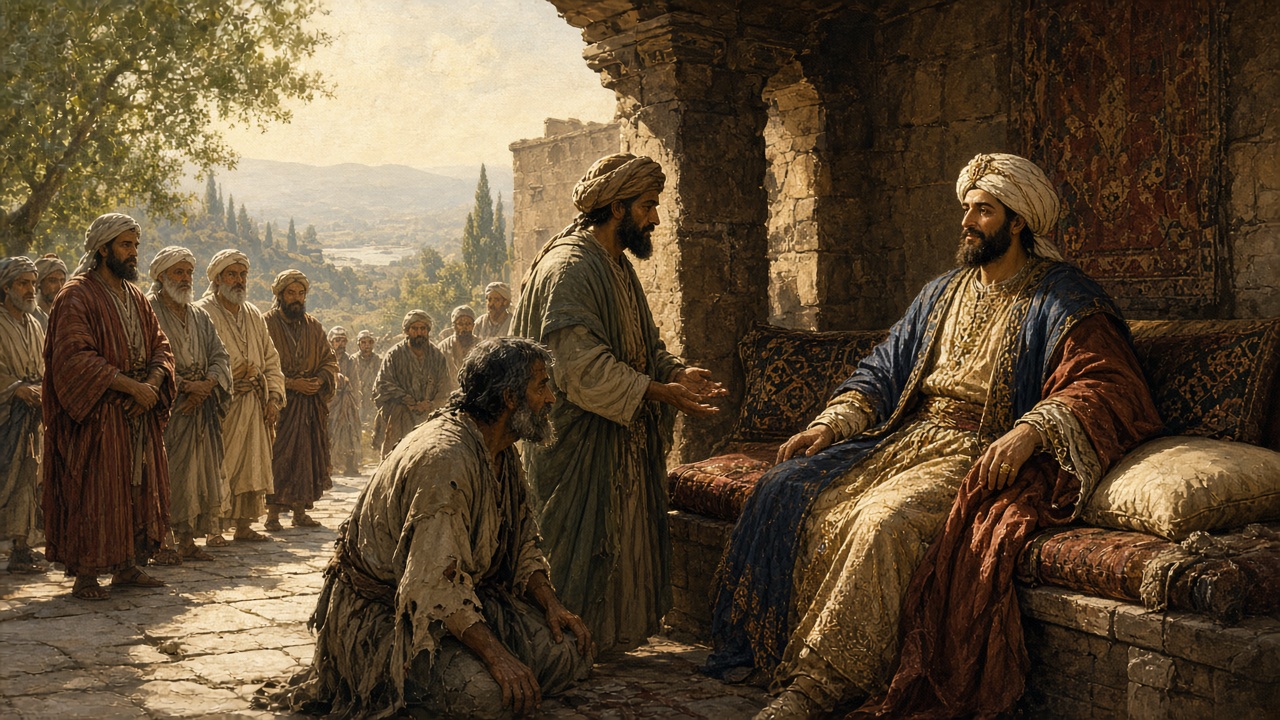
2Omẹni onyẹ yi ẹkwa-ọma ṅanrannị, yisọnmẹ ọla-ẹka goru, a banhan ebe ọnụ rị e zu, nị ogbẹnnyẹ yi ẹkwa rịlẹni mma kaka a banhanzịkwọ ebẹhụ, 3ọnụ a gbaye hụn kẹn ekikẹn rị mma, sị a, “Dodo, nọdị alị ocheni rị mma,” sị hụn ogbẹnnyẹ, “Wuzo ebẹhụ,” mọbụ “Nọdị ebeni ụkụ m rị”— 4ọhụn a ghọsịgụọnị nị ụnụ e gbeyeni ịhịan imẹ igunrun ụnụ, ni ụnụ e gi obi zinrinlẹni e mẹ ihiẹn ụnụ? 5Umunẹ m rị m obi, gọn ni ntịn! Osolobuẹ a họrịgụọnị ndị-igbẹnnyẹ? Ẹghẹẹ, ọ họrịgụọ ndị-igbẹnnyẹ imẹ ụwanị nị wẹ wụrụ ndị-ịdafịn imẹ okukwe, wụrụzịkwọ ndị k'a banye Alị-eze hụ o kwe ndị nwẹ ihiẹn-ọsụsụọ a nkwa. 6Kanị, ụnụ e legberi ndị-igbẹnnyẹ! Ẹlẹ ndị-ịdafịn a kpangbu ụnụ? Ẹlẹ wẹ a dọjẹn ụnụ ọgwa? 7Ẹlẹ wẹ e kutọ ẹfan Onyẹ hụ rịchanrịn mma hụn ụnụ rị a za?
8Omẹni ụnụ e dọnmẹ iwu hụ Eze ye kẹ wẹ dọn de ẹ imẹ Ẹkụkwọ-nsọ, iwu hụ hụn sị, “Ihiẹn ibe i ya sụọ ị kẹ ị ihiẹn i dọn a sụọ i”—ụnụ e mẹgụọ ihiẹn rị mma. 9Kanị, omẹni ụnụ e gbeyeni ịhịan, ụnụ rị e mẹ njọ, ikpe a maọlẹ ụnụ makẹni ụnụ rị a dan iwu. 10Makẹni, onyẹ dọnmẹchanrịn iwu ile—dan ohu, ikpe a maọl'a nọkẹ onyẹ danchanrịn iwu ile. 11Makẹni, Osolobuẹ ohu hụ hụn sị, “Aghẹrẹlẹ,” ịya sịzịkwọ, “Egbulẹ ọchụ.” Ya wụ, omẹni y'e gbu ịhịan, y'a danchanrịngụọ iwu hụ ile—ọsụọn'a nị y'a ghẹrẹni.
12Ya wụ, kẹ iku-oku kẹ omumẹ, e mẹchanrịn nị wẹ kẹ ndị wẹ k'e gi iwu hụ e mẹ ịhịan e nwọnrin enwẹn ẹ kin ikpe. 13Makẹni, onyẹ ọwụlẹ mẹlẹni ebere, wẹ jẹnkọnị d'e kin ẹ ikpe, emẹkọnị w'a ebere. Ebere y'e mẹri ikpe-ọmụma.
Okukwe Lẹ Ọrụn
14Umunẹ, elee erere k'ọ ban n'ị sị nị i nwọn okukwe, omẹni y'e gin'ẹ rụn ọrụn? Nị okukwe ahụn saẹka zụọpụha ị? 15Omẹni ẹkwa ezuni onyẹ nke Kraịstị ibe ụnụ ukun mọbụ nị ihiẹn o k'e ri ụhụọhịn hụ a rị a, 16onyẹ ohu imẹ ụnụ a sị a, “Ijẹn ẹwẹrẹ-o! Oyi atụkwọlẹ-i-o! Rijunkwọ ẹfọ-o!”—kanị, y'e yen'ẹ ihiẹn ẹhụ a chọ. Elee erere k'ọ ban?
17Ya wụ, okukwe nọdịnị bụ egini w'ẹ rụn ọrụn a nwụnhụngụọ.
18Kanị, ịhịan k'a sị, “Onyẹ lẹ nke ẹ rọ: nke i wụ okukwe, nke m wụ ọrụn.”
Azịza m wụ, “Ghọsịdẹle m kẹ onyẹ ọwụlẹ e gi saẹka nwọn okukwe nke-esi bụ ọrụn arị a. Mmẹ nwẹn, m jẹnkọ d'e gi ọrụn m ghọsị ị okukwe m.”
19Y'e nwọnghọ okukwe nụ—hụn i gi kweri nị Osolobuẹ ohu sụọ rị, ẹlẹ ịya? Y'e mẹkẹ-o! Kanị, eje-mmọn kwerizikwọ ekweri!—ya kẹ egun gi a tụ wẹ, ẹhụ hụ a ma wẹ nni!
20Onyẹ-nzuzu! Ị chọ nị wẹ ghọsị ị nị okukwe nọdịnị bụ y'e gin'ẹ rụn ọrụn a nwụnhụngụọ? 21Ẹlẹ ihiẹn nẹdi ẹnyi wụ Ebraham rụn kẹ Osolobuẹ gi kun'ẹ ọhụnma—ogẹn hụ o gi wẹhẹ nwa a wụ Aziki, n'o gi ẹ chụ-ẹjan elu ukpo nchụ-ẹjan hụ? 22Y'a hụn a? Okukwe ẹ lẹ ọrụn a rụngbama; ihiẹn o mẹ kẹ okukwe ẹ gi zu oke. 23Ẹrịra kẹ ihiẹn hụ Ẹhụhụọ-nsọ ku dọn mẹzu, nị, “Ebraham kweye ni Osolobuẹ, Osolobuẹ nọ gụn a yen'ẹ, kpọ a onyẹ rị kẹ Chuku chọ, kpọ a ọwụ a.”
24Y'a hụn a nwan nị ihiẹn onyẹ rụn kẹ Osolobuẹ gi e kun'ẹ ọhụnma—ẹlẹ okukwe sụọ!
25Ẹlẹ ẹrịra kẹ Osolobuẹ gizi gi ihiẹn ịgbaraja hụ wụ Rehabụ mẹ kun'ẹ ọhụnma—ogẹn hụ o gi nabanhan ndị hụn Joshụa zi d'e gi nzuzue lele alị Jẹriko, zuemẹ wẹ, yeni wẹ ẹka ghashi ụzọ ọzọ wanahịn? 26Ya wụ, k'o dọn mẹ ni ẹhụ ịhịan mmọn rịlẹni a nwụngụọ, ẹrịra k'o dọnzi mẹ ni okukwe ọrụn rịlẹni a nwụngụọ.
Você sabia?
Imparcialidade e fé viva
- Tiago recorda que Abraão foi justificado ao oferecer seu filho Isaque no altar, sua fé agindo junto com suas ações e aperfeiçoada pelo que ele fez. Isaque, o único filho de Abraão com Sara, foi aquele a quem Deus ordenou que Abraão oferecesse como sacrifício num monte na terra de Moriá.Fontes: o próprio texto bíblico · Isaac
- Tiago também cita Raabe, a prostituta, justificada por acolher os espias e enviá-los por outro caminho. Os dois espias, enviados por Josué enquanto os hebreus estavam acampados em Sitim, em frente a Jericó, tinham ido à casa dela, enfrentaram perigo na cidade e foram salvos por sua fidelidade.Fontes: o próprio texto bíblico · Rahab
Notas escritas com auxílio de IA a partir de fontes abertas (Theographic Bible Metadata, CC BY-SA 4.0; Easton’s Bible Dictionary, domínio público) e revisadas antes de publicar.
Créditos e licença desta tradução
Elu Ọhụn: Ẹkụkwọ-Nsọ (Azụụn Ọhụn rịn'a)
Revision of New Testament in Ika
copyright © 2010 Wycliffe
Language: Ika
Translation by: Wycliffe
Ika (ikk) Nigeria
In Nigeria the word Ika is not only the name of the Ika
people, but is also used to designate a local government area in the Akwa Ibom
State. The Ika people are a sub group of the Igbo people. It is interesting to note
that Ika is the name of a town in Croatia is one of the eight Annang local
government areas of the local government areas in Akwa Ibom State. An alternative
name for the Ika people is Ika-Annang. There appears to be another dialect of Ika
that is spoken in Delta State of Nigeria.
Copyright Information
© 2010, Wycliffe. All rights reserved.
This translation text is made available to you under the terms of the Creative
Commons License: Attribution-Noncommercial-No Derivative Works. ( http://creativecommons.org/licenses/by-nc-nd/3.0/ ) In addition, you have
permission to port the text to different file formats, as long as you do not change
any of the text or punctuation of the Bible.
You may share, copy, distribute, transmit, and extract portions or quotations from
this work, provided that you include the above copyright information:
You must give Attribution to the work.
You do not sell this work for a profit.
You do not make any derivative works that change any of the actual words or
punctuation of the Scriptures.
Permissions beyond the scope of this license may be available if you contact us
with your request.
Printed book ISBN 9789789037056
Revision
The New Testament
in Ika
© 2010, Wycliffe. All rights
reserved.
This translation is made available to you under the terms of the
Creative Commons Attribution-Noncommercial-No Derivatives license 4.0.
You may share and redistribute this Bible translation or extracts from it in any format, provided that:
You include the above copyright and source information.
You do not sell this work for a profit.
You do not change any of the words or punctuation of the Scriptures.
Pictures included with Scriptures and other documents on this site are licensed just for use with those Scriptures and documents.
For other uses, please contact the respective copyright owners.
2019-08-09
Fonte: http://ebible.org/ikkNT/ · eBible.org