Gálatas 2
Elu Ọhụn: Ẹkụkwọ-Nsọ (Azụụn Ọhụn rịn'a) · Toque num versículo para ver as referências cruzadas.
Pita, Jemisi lẹ Jọnụ Nabanhan Pọlụ Anabanhan
1O mẹpụ ahụa mmẹnọ, m nọ shizi Jerusalẹm. Mmẹ lẹ Banabasị wị ogẹn ahụn, m nọzị weri Taitọsị. 2M jẹn ebẹhụ makẹni o nwọn ihiẹn Osolobuẹ ghọsị m; m nọ kọwa nị wẹ oziọma hụn m rị e zi ebe ndị wụlẹni ndị Ju rị. Kanị m mẹ ẹ ụsụọ—ẹgbata mmẹ lẹ ndị wẹ weri nị wẹ wụ ndị-isi sụọ—amamgbe ọ wụrụ nị m rị a gba ọsọ ọlal'iwi mọbụ nị hụn m gbafụ a lagụọ iwi, ọ wụrụ nị ọrụn m la iwi. 3Awadẹni wẹ ịkwa-ugun ye Taitọsị mmẹ lẹ ịya wị olu, ọsụọn'a nị ẹlẹ onyẹ Ju, nị onyẹ Griki rọ— 4kanị oku ịkwa a ugun e te pụhaghọ makẹ ndị hụn gi nzuzue rụbanhan, e mẹ kẹ sị wẹ wụ ndị kwerini. Wẹ bịa d'a hụndẹle ụdị inwọnrin-enwẹn hụ ẹnyi nwọn imẹ Kraịstị, kẹni wẹ wezi ẹnyi che imẹ igbọn. 5Kanị, ẹnyi ekweyeni ni wẹ kaka akpụ-ohu, makẹni ẹnyi chọkẹnmẹ nị ẹnyi chedọn ni ụnụ ezioku rị oziọma, kẹni ụnụ marịn a k'ọ rịchanrịn.
6Nke ndị hụn nọ kẹ sị wẹ wụ ndị-ndu—o nwọnni ihiẹn ọhụn wẹ buche ni m. (Ihiẹn ọwụlẹ wẹ wụ enwọn ihiẹn ọ wụ ebe m rị, makẹni Osolobuẹ ara gbeyeni ịhịan.) 7Mba. Kama, o wedẹ wẹ ẹnya nị Osolobuẹ e yegụọ m ọrụn ịgbashịa oziọma ebe ndị kwalẹni ugun rị, ya wụ ndị alị ndị ọzọ wụlẹni ndị Ju, k'o dọn ye Pita ọrụn ịgbashịa n'a ebe ndị kwa ugun rị, ya wụ ndị Ju. 8(Makẹni onyẹ ohu hụ gi Pita a rụn ọrụn onyẹ-ozi pụ-ichẹn imẹ igunrun ndị Ju, ndị kwa ugun, ịya gizikwọ mmẹ nwẹn a rụn ọrụn onyẹ-ozi pụ-ichẹn imẹ igunrun ndị wụlẹni ndị Ju, ya wụ ndị kwalẹni ugun.) 9Ogẹn Jemisi lẹ Pita lẹ Jọnụ, ndị hụn wẹ weri nọkẹ ndị-isi, gi hụn nị ẹka Osolobuẹ rị imẹ m, wẹ nọ na mmẹ lẹ Banabasị ẹka, nabanhan ẹnyi, nị ẹnyi lẹ wẹ wụ ohu. Wẹ nọ kweri n'ọ hụghọ mma nị mmẹ lẹ Banabasị jẹnmẹ d'a rụnma imẹ ndị wụlẹni ndị Ju, ya wụ ndị kwalẹni ugun, uwẹ lẹ enwẹn wẹ a rụnma imẹ ndị Ju, ya wụ ndị kwa ugun. 10Ihiẹn ohu sụọ kẹ wẹ sịhụ ẹnyi mẹ: ẹnyi a nyanhankwọ ndị-igbẹnnyẹ, hụn a dụzịkwọnị m.
Pọlụ A Jụgbọ Pita Imẹ Antịọkụ
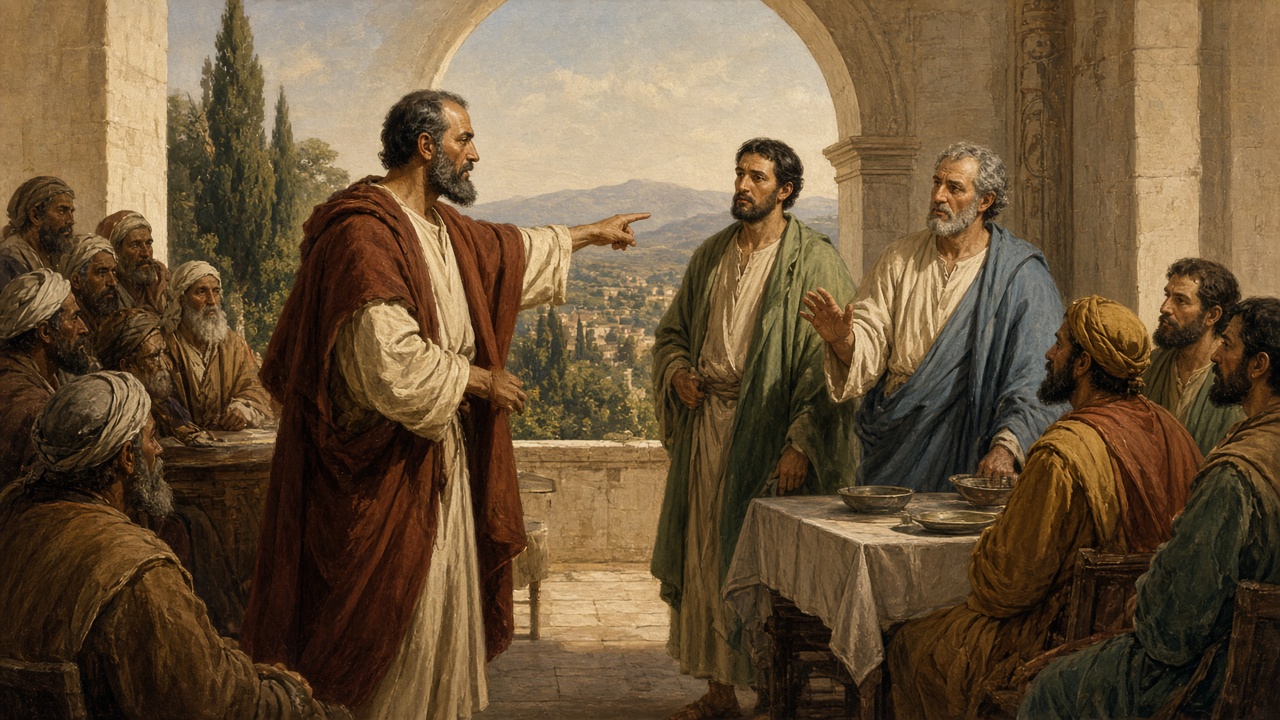
11Kanị, ogẹn Kẹfasị wụ Pita gi bịa Antịọkụ, m jụgbọ a elee-m, elee-i, makẹni o mẹfie hụn wẹ hụn ẹnya ogẹn ahụn. 12Makẹni, kẹ ndị ahụn Jemisi zihẹ kelẹni bịa ebẹhụ, Pita e sọn ndị wụlẹni ndị Ju e ri ihiẹn-oriri. Kanị, ogẹn ndịnị gi bịagụụ, Pita nọ nọye nkọ, o duzini ndị wụlẹni ndị Ju ri, makẹni ọ rị a tụ egun ndị rị itu ndị hụn a kwadọn ịkwa-ugun. 13Ndị Ju ndị ọzọ rị ebẹhụ nọ sọn ẹ mẹmẹ ihunnaị ahụn, nke wụ nị e dufiedẹ wẹ Banabasị lẹ enwẹn ẹ. 14Ogẹn m gi hụn a nị ihiẹn wẹ rị e mẹ lẹ ezioku rị oziọma a dangbamanị, m nọ nọ id'ẹnya wẹ ile sị Pita, “Onyẹ Ju kẹ ị wụ, kanị ị rị e bi kẹ ndị wụlẹni ndị Ju, y'a ra bi kẹ ndị Ju. Nanị kẹ i dọnzị nwan a chọ nị ị wa obibi ndị Ju ye ndị wụlẹni ndị Ju olu?”
Okukwe Sụọ
15M nọzị sị Pita, “Nke ẹnyi lẹ enwẹn ẹnyi, ndị Ju mụ ẹnyi, ẹnyi ẹlẹ ndị hụn w'a kpọ ‘ndị wụlẹni ndị Ju, ndị omẹ-njọ.’
16Bụ ẹnyi a marịnghọ nị ẹlẹ idọnmẹ Iwu kẹ Osolobuẹ gi e kuni ịhịan ọhụnma, kanị ikwerini Jesu Kristi, gi ẹ e dọn ẹnya. Ifiri ẹ, ẹnyi lẹ enwẹn ẹnyi e kwerigụọ nị Jesu Kristi, kẹni Osolobuẹ kuni ẹnyi ọhụnma, makẹni ẹnyi kwerini Kraịstị, gi Kraịstị e dọn ẹnya, ẹlẹ makẹni ẹnyi e dọnmẹ Iwu Mozizi. Makẹni, Osolobuẹ ekukọnị onyẹ ọwụlẹ ọhụnma makẹni onyẹ ahụn e dọnmẹ Iwu. 17Kanị, o mẹ nwan nị, ebe ẹnyi nọ rị a chọ nị Osolobuẹ kuni ẹnyi ọhụnma makẹni ẹnyi rị imẹ Kraịstị, a hụn w'a nị ẹnyi lẹ enwẹn ẹnyi wụ ndị njọ, ya wụ Kraịstị a kwadọn njọ? Kaka! 18O mẹ nwan nị a tụndọnzimẹ m ihiẹn m tikpọ, ya wụ m rị a ghọsị nị m dan Iwu ogẹn m gi tikpọ a. 19Ẹghẹẹ, makẹni, e gigụọ m ihiẹn rị imẹ Iwu nwụnnahịn Iwu, kẹni m hụn ụzọ rịnị Osolobuẹ ndụn. 20A kpọgbugụọ wẹ mmẹ lẹ Kraịstị enu obe Kraịstị. Ẹlẹzị mmẹ rị ndụn, Kraịstị ya rị ndụn imẹ m. Ndụnnị m rị nwan e bi imẹ ẹhụ, m rị e bi ẹ ghahanị okukwe m nwẹ imẹ Nwa Osolobuẹ, hụn nwẹ ihiẹn-ọsụsụọ m, we enwẹn ẹ ye makẹ ufiri m. 21Emẹkọ m ẹfọma Osolobuẹ wụrụ ihiẹn na iwi—makẹni, omẹni eziẹ rọ nị ịhịan dọnmẹ Iwu, Osolobuẹ e gi ẹ kun'ẹ ọhụnma, ya wụ nị ọnwụn Kraịstị nwụn la iwi!”
Você sabia?
Gentios, comunhão e um confronto em Antioquia
- Tito foi com Paulo e Barnabé a Jerusalém. O Easton's Bible Dictionary (1897) diz que ele parece ter sido gentio e que seu nome não aparece em Atos. Paulo escreve que Tito, embora fosse grego, não foi obrigado a circuncidar-se.Fontes: Titus · o próprio texto bíblico
- O confronto posterior ocorreu em Antioquia da Síria, às margens do Orontes, a umas trezentas milhas ao norte de Jerusalém. A cidade ocupava o terceiro lugar entre as cidades do Império Romano, depois de Roma e Alexandria, e foi ali que os crentes foram chamados cristãos pela primeira vez.Fontes: Antioch (Syria) · o próprio texto bíblico
- O Easton's Bible Dictionary (1897) descreve Tiago, citado com Cefas e João como um dos pilares, como cabeça da igreja em Jerusalém, onde presidiu o concílio sobre os gentios. Paulo diz que, antes de chegarem certos homens da parte de Tiago, Cefas costumava comer com os gentios, mas depois se afastou por medo do grupo da circuncisão.Fontes: James (Brother of Jesus) · o próprio texto bíblico
Notas escritas com auxílio de IA a partir de fontes abertas (Theographic Bible Metadata, CC BY-SA 4.0; Easton’s Bible Dictionary, domínio público) e revisadas antes de publicar.
Lugares deste capítulo
- Jerusalem · 31.777, 35.234 · versículo 1
- Antioch · Hoje: Antioch on the Orontes · 36.227, 36.172 · versículo 11
Só aparecem lugares com identificação de alta confiança (90% ou mais segundo as fontes acadêmicas reunidas pelo OpenBible). Mapa da época: DARE (Digital Atlas of the Roman Empire), CC BY 4.0; mapa atual: © colaboradores do OpenStreetMap; lugares: OpenBible.info (CC BY 4.0).
Créditos e licença desta tradução
Elu Ọhụn: Ẹkụkwọ-Nsọ (Azụụn Ọhụn rịn'a)
Revision of New Testament in Ika
copyright © 2010 Wycliffe
Language: Ika
Translation by: Wycliffe
Ika (ikk) Nigeria
In Nigeria the word Ika is not only the name of the Ika
people, but is also used to designate a local government area in the Akwa Ibom
State. The Ika people are a sub group of the Igbo people. It is interesting to note
that Ika is the name of a town in Croatia is one of the eight Annang local
government areas of the local government areas in Akwa Ibom State. An alternative
name for the Ika people is Ika-Annang. There appears to be another dialect of Ika
that is spoken in Delta State of Nigeria.
Copyright Information
© 2010, Wycliffe. All rights reserved.
This translation text is made available to you under the terms of the Creative
Commons License: Attribution-Noncommercial-No Derivative Works. ( http://creativecommons.org/licenses/by-nc-nd/3.0/ ) In addition, you have
permission to port the text to different file formats, as long as you do not change
any of the text or punctuation of the Bible.
You may share, copy, distribute, transmit, and extract portions or quotations from
this work, provided that you include the above copyright information:
You must give Attribution to the work.
You do not sell this work for a profit.
You do not make any derivative works that change any of the actual words or
punctuation of the Scriptures.
Permissions beyond the scope of this license may be available if you contact us
with your request.
Printed book ISBN 9789789037056
Revision
The New Testament
in Ika
© 2010, Wycliffe. All rights
reserved.
This translation is made available to you under the terms of the
Creative Commons Attribution-Noncommercial-No Derivatives license 4.0.
You may share and redistribute this Bible translation or extracts from it in any format, provided that:
You include the above copyright and source information.
You do not sell this work for a profit.
You do not change any of the words or punctuation of the Scriptures.
Pictures included with Scriptures and other documents on this site are licensed just for use with those Scriptures and documents.
For other uses, please contact the respective copyright owners.
2019-08-09
Fonte: http://ebible.org/ikkNT/ · eBible.org