Atos 8
Elu Ọhụn: Ẹkụkwọ-Nsọ (Azụụn Ọhụn rịn'a) · Toque num versículo para ver as referências cruzadas.
Sọlụ E Kpokpo Ndị Ụka
1Sọlụ hụ ebẹhụ ogẹn wẹ gi rị a magbu Stivin', e ye wẹ ndu wẹ gbu ẹ.
Gha ụhụọhịn hụ jẹnmẹ, wẹ nọ kpokpomẹ ndị ụka rị Jerusalẹm ọda-ọda. Wẹ ile nọ gbayịya, gbashisọnmẹ ẹgbẹrẹ Judia lẹ Samerịa—wezụka ndị-ozi hụ pụ-ichẹn. 2Ikẹnnyẹ ndị a tụ egun Osolobuẹ nọ bịa d'e buru ozun Stivin' d'e li; wẹ nọ kwan ẹkwan ọhụnma-ọhụnma nị Stivin' a nwụnhụn. 3Kanị Sọlụ hụ a sụkpọ ụka-Jesu, a gha ụlọ-ụlọ a dọkpụnfụha ikẹnnyẹ lẹ ikpoho kweri ni Jesu, e we wẹ e che ụlọ-ngan.
Ụka E Bidọn Imẹ Alị Samerịa
4Ogẹn hụ, ndị hụn gbayịyanị hụ e zi oziọma ebe ọwụlẹ wẹ ru. 5Filipu nọ jẹn Isi obodo Samerịa, gwa wẹ banyeni Kraịstị, Onyẹ Hụ Osolobuẹ Tumẹ. 6Ogẹn igunrun ndị rịsọnmẹ ebẹhụ gi nụ ihiẹn Filipu rị e ku, hụnzị ọrụn-atụmẹnya ọ rị a rụn, wẹ nọ gọnkẹnmẹ ẹ ntịn, 7makẹni eje-mmọn rị imẹ ndị bu ọda hụ a pụhasọnmẹ imẹ wẹ, yikọ oro; ndị ọrọ lẹ ndị ngụrọ bu ọda hụ a dịnhịn. 8Okẹn ịghọghọ nọ rị imẹ obodo hụ.
Saịmọnụ Hụn Gi Eje-ikẹn A Rụn
9Ogẹn ahụn, o nwẹ okẹnnyẹ ohu rị imẹ obodo hụ; ẹfan a wụ Saịmọnụ. Onyẹni e gi eje-ikẹn e mẹsọnmẹ ihiẹn a tụ ndị Samerịa ile ẹnya; ọ hụ a nyan isi n'ọ wụ okẹn ịhịan. 10Wẹ ile e gọnkẹnmẹ ẹ ntịn, gha onyẹ nta d'a pụ onyẹ uku, a sị, “Okẹnnyẹni ya gi Ikẹn Osolobuẹ ahụn w'a kpọ ‘Okẹn-ikẹn.’ ” 11Wẹ e gọn ẹ ntịn makẹni o tekẹmẹkẹ o gi ikẹn eje-mmọn e mẹ ihiẹn a tụ ẹnya. 12Kanị, ogẹn wẹ gi kweri ihiẹn Filipu rị e ku ebe ọ rị e ku oku oziọma Alị-eze Osolobuẹ lẹ ẹfan Jizọs' Kraịstị, wẹ nọ mẹ wẹ mirin-Chuku, kẹ ikẹnnyẹ kẹ ikpoho. 13Saịmọnụ nwẹn nọ kwerizidẹ; e mẹgụụ w'a mirin-Chuku, ọ nọ sọnhunmẹmẹ Filipu; okẹn ọrụn-atụmẹnya lẹ ihiẹn ahịma ndị ọ rị a hụn Filipu rị a rụn hụ a tụ a ẹnya ọda-ọda.
14Ogẹn Ndị-ozi hụ pụ-ichẹn hụn rị Jerusalẹm gi nwan nụ nị ndị Samerịa a nabanhanọlẹ oku Osolobuẹ, wẹ nọ zijẹnni wẹ Pita lẹ Jọnụ. 15Ogẹn wẹ gi ru ebẹhụ, wẹ nọ mẹ ni ndị kwerini ekpere kẹni wẹ nwọnhẹn Mmọn-nsọ— 16(makẹni o ke nwẹ onyẹ Mmọn-nsọ bịakwasị imẹ wẹ ile, wẹ gihụ ẹfan Di-nwọnni-ẹnyi wụ Jizọsị mẹ wẹ mirin-Chuku.) 17Ya Pita lẹ Jọnụ nọ bu ẹka kwasị wẹ, wẹ nọ nwọnhẹn Mmọn-nsọ.
18Ogẹn Saịmọnụ gi hụn nị Ndị-ozi hụ pụ-ichẹn buhụ ẹka kwasị wẹ, e nwẹhẹn wẹ Mmọn-nsọ, ọ nọ wẹhẹ egho n'o ye wẹ, 19sị, “Yezi ni mmẹ nwẹn ikẹnni, kẹni m buhụ ẹka kwasị ịhịan, o nwọnhẹn Mmọn-nsọ.”
20Pita nọ sị a, “Ịyụ lẹ egho i na iwi! Makẹni i ro n'ị k'a saẹka gi egho ṅọnrin oyiye Osolobuẹ! 21Y'a rị imẹ ihiẹnni, o nwọnzikwọnị ihiẹn runi i imẹ ẹ, makẹni obi i ezinrinni ebe Osolobuẹ rị. 22Rogharịkwọ nwan hụn i gi mẹ eje-ihiẹnni, y'e mẹ ekpere, rịọ Di-nwọnni-ẹnyi; ikẹnkwọ ọ gbagharị ị hụn i gi ro iroroni. 23Makẹni a hụnọlẹ m nị eje ẹnya-ụfụ gi i, nị njọ kẹnzikwọ ị ẹgbụn.”
24Saịmọnụ nọ sị Pita lẹ Jọnụ, “Dodo ni, mẹ ni ni m ekpere, rịọ Di-nwọnni-ẹnyi, makẹ ihiẹnni ụnụ ku gha e mẹ m.”
25Ogẹn Pita lẹ Jọnụ gi shịagụnị Di-nwọnni-ẹnyi ẹri, zigụụ ozi Di-nwọnni-ẹnyi, wẹ nọ lakin Jerusalẹm. Kẹ wẹ lakọ, wẹ hụ e zisọnmẹ oziọma imẹ obodo mẹsọnmẹ ẹkẹrẹ-ẹkẹrẹ bu ọda rịsọnmẹ alị Samerịa.
Filipu Lẹ Okẹn-Ịhịan Hụ Gha Alị Ẹtiopịa Bịa
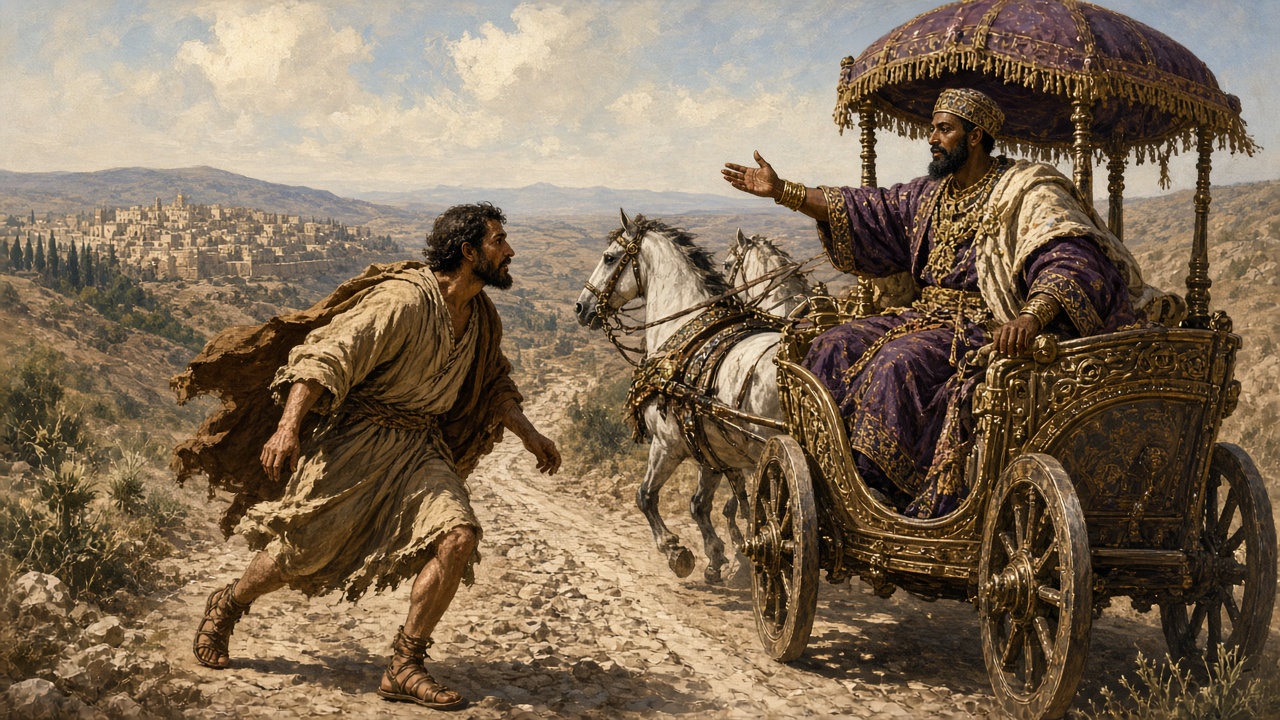
26Ya mmọn-ozi Di-nwọnni-ẹnyi nọ sị Filipu, “Lihi, gha azụụn ndịdan-mirin si ụzọ hụ gha Jerusalẹm si Gaza.” (Ụzọnị rị imẹ atụ.) 27Ya ọ nọ lihi, jẹnmẹ; ọ nọ kunrun onyẹ alị Ẹtiopịa hụn nwẹ okẹn-ọkwa; okẹn-okporo rọ—ọ lụnị nwunyẹ. Ịya wụ onyẹ hụn e dọnmẹ egho lẹ ihiẹn ile okpoho wụ eze alị Ẹtiopịa wụ Kandesi nwẹ. Ọ bịa Jerusalẹm d'e fe ofufe. 28O lakọ nwan alakọ; ọ nọdị anị imẹ ụgbọ-anyịnyan a, gụnkọ Ẹkụkwọ onyẹ-amụma wụ Azaya. 29Mmọn-nsọ nọ sị Filipu, “Jẹn d'e kunrun ụgbọ-anyịnyan hụ.” 30Ya Filipu nọ gbakunrun ụgbọ-anyịnyan hụ; ọ nọ nụ kẹ okẹnnyẹ hụ rị a gụn Ẹkụkwọ onyẹ-amụma wụ Azaya. Ọ nọ jụ a, sị, “Ị hụ nwan a ghọta ihiẹn ị rị a gụn?”
31Okẹnnyẹ hụ nọ za, sị, “Nanị kẹ m'e dọn saẹka ghọta omẹni o nwọnni onyẹ kọwanị nị m'a?” Ọ nọ rịọ Filipu n'o nyinhẹn d'e du ẹ nọdị imẹ ụgbọ-anyịnyan hụ. Filipu…e du ẹ nọdị imẹ ụgbọ-anyịnyan hụ|src="CN01932B.jpg" size="col" loc="ACT 8" copy="David C. Cook" ref="8.31" 32Ọ rị a gụn ebẹhụ Ẹkụkwọ-nsọ nọ sị,
“Wẹ nọ duru ẹ
nọkẹ atụnrụn wẹ dushikọ
ebe wẹ nọ e gbu atụnrụn;
ọ gba wẹ nkịntịn
nọkẹ kẹ atụnrụn wẹ rị a kọ ẹṅẹnrẹn
dọn a gba nkịntịn.
33Wẹ nọ kpari ẹ;
wẹ nọ ma a ikpe—
bụ o nwọnni ihiẹn o mẹ.
Onyẹ jẹnkọ d'e kuzi oku ụmụ a,
ebe o mẹni e wepụgụọ wẹ ndụn a enu ụwa?”
34Okẹn-okporo hụ nọ sị Filipu, “Dodo, gwa m, onyẹ kẹ onyẹ-amụmanị rị e ku oku ẹ? 'Ya lẹ enwẹn ẹ ra onyẹ ọzọ?” 35Ya kẹ Filipu nọ gha ebẹhụ ọ rị a gụn zi ẹ oziọma Jizọsị. 36Kẹ wẹ jẹnkọ nwan, wẹ nọ hụn mirin, okẹn-okporo hụ nọ sị, “Lee mirin ebeni! Kịnị k'a han m emẹlẹ mirin-Chuku?” 37[Filipu nọ sị a, “Omẹni y'e gighọ obi i ile kweri, wẹ k'a saẹka mẹ i mirin-Chuku.” Ọ nọ za, sị, “E kwerighọ m nị Jesu Kristi wụ Nwa Osolobuẹ.”]
38Ya ọ nọ sị onyẹ rị a nyann'a ụgbọ-anyịnyan hụ kụsị; 'ya lẹ Filipu nọ banye imẹ mirin, Filipu nọ mẹ ẹ mirin-Chuku. 39Ogẹn wẹ gi gha imẹ mirin pụha, idẹnmizi, Mmọn-nsọ Di-nwọnni-ẹnyi nọ jụrụ Filipu; okẹn-okporo hụ ahụnzịn'a, ya okẹn-okporo nọ ghọghọma, jẹnmẹ nke ẹ.
40Nke Filipu, ebe ọ nọzị hụn enwẹn ẹ wụ obodo w'a kpọ Azọtusu. Ọ nọ jẹnsọnmẹ, zikọ oziọma imẹ obodo ile rị ẹgbẹrẹ hụ d'e ru n'ọ pụha Sizarịa.
Você sabia?
A mensagem se espalha além de Jerusalém
- Após a morte de Estêvão, irrompeu uma grande perseguição contra a igreja em Jerusalém, e todos, exceto os apóstolos, foram dispersos pela Judeia e por Samaria. Filipe, um dos sete e mais tarde chamado o evangelista, estava entre eles; foi primeiro a Samaria, onde as multidões deram atenção à sua mensagem sobre o Cristo.Fontes: o próprio texto bíblico · Phillip the Evangelist
- Antes da chegada de Filipe, Simão já havia muito tempo assombrado Samaria com feitiçaria, e o povo o chamava de o poder divino conhecido como o Grande Poder. Ele creu e foi batizado, e depois ofereceu dinheiro pelo poder de conceder o Espírito Santo pela imposição das mãos; a palavra simonia, que designa a compra de um cargo espiritual, deriva do seu nome.Fontes: o próprio texto bíblico · Simon the Sorcerer
- Duas estradas ligavam Jerusalém a Gaza; Filipe foi enviado pela que passava por Hebrom e por uma região pouco habitada, chamada deserto. Ali encontrou um eunuco etíope, tesoureiro de Candace, rainha dos etíopes, que voltava de adorar em Jerusalém e lia o profeta Isaías em sua carruagem. Candace era um título usado por rainhas sucessivas de Meroé, na Alta Núbia, rico centro de comércio entre a África e o sul da Ásia.Fontes: o próprio texto bíblico · Phillip the Evangelist · Candace
Notas escritas com auxílio de IA a partir de fontes abertas (Theographic Bible Metadata, CC BY-SA 4.0; Easton’s Bible Dictionary, domínio público) e revisadas antes de publicar.
Lugares deste capítulo
- Jerusalem · 31.777, 35.234 · versículos 1, 14, 25, 26, 27
- Judea · Hoje: Judea 1 · 31.777, 35.234 · versículo 1
- Samaria · Hoje: Samaria 2 · 32.276, 35.195 · versículos 1, 5, 9, 14, 25
- Gaza · Hoje: Tell Harube · 31.504, 34.464 · versículo 26
- Ethiopia · 16.935, 33.751 · versículo 27
- Ashdod · Hoje: Tel Ashdod · 31.757, 34.658 · versículo 40
- Caesarea · Hoje: Caesarea Maritima · 32.500, 34.892 · versículo 40
Só aparecem lugares com identificação de alta confiança (90% ou mais segundo as fontes acadêmicas reunidas pelo OpenBible). Mapa da época: DARE (Digital Atlas of the Roman Empire), CC BY 4.0; mapa atual: © colaboradores do OpenStreetMap; lugares: OpenBible.info (CC BY 4.0).
Créditos e licença desta tradução
Elu Ọhụn: Ẹkụkwọ-Nsọ (Azụụn Ọhụn rịn'a)
Revision of New Testament in Ika
copyright © 2010 Wycliffe
Language: Ika
Translation by: Wycliffe
Ika (ikk) Nigeria
In Nigeria the word Ika is not only the name of the Ika
people, but is also used to designate a local government area in the Akwa Ibom
State. The Ika people are a sub group of the Igbo people. It is interesting to note
that Ika is the name of a town in Croatia is one of the eight Annang local
government areas of the local government areas in Akwa Ibom State. An alternative
name for the Ika people is Ika-Annang. There appears to be another dialect of Ika
that is spoken in Delta State of Nigeria.
Copyright Information
© 2010, Wycliffe. All rights reserved.
This translation text is made available to you under the terms of the Creative
Commons License: Attribution-Noncommercial-No Derivative Works. ( http://creativecommons.org/licenses/by-nc-nd/3.0/ ) In addition, you have
permission to port the text to different file formats, as long as you do not change
any of the text or punctuation of the Bible.
You may share, copy, distribute, transmit, and extract portions or quotations from
this work, provided that you include the above copyright information:
You must give Attribution to the work.
You do not sell this work for a profit.
You do not make any derivative works that change any of the actual words or
punctuation of the Scriptures.
Permissions beyond the scope of this license may be available if you contact us
with your request.
Printed book ISBN 9789789037056
Revision
The New Testament
in Ika
© 2010, Wycliffe. All rights
reserved.
This translation is made available to you under the terms of the
Creative Commons Attribution-Noncommercial-No Derivatives license 4.0.
You may share and redistribute this Bible translation or extracts from it in any format, provided that:
You include the above copyright and source information.
You do not sell this work for a profit.
You do not change any of the words or punctuation of the Scriptures.
Pictures included with Scriptures and other documents on this site are licensed just for use with those Scriptures and documents.
For other uses, please contact the respective copyright owners.
2019-08-09
Fonte: http://ebible.org/ikkNT/ · eBible.org