1 Timóteo 4
Elu Ọhụn: Ẹkụkwọ-Nsọ (Azụụn Ọhụn rịn'a) · Toque num versículo para ver as referências cruzadas.
Eje-nkuzi
1Mmọn-nsọ e kupụgụọ a n'o ru ogẹn ịkpazụụn, o nwẹ ndị k'a latọ okukwe-Kraịstị, sọnmẹ mmọn ndị hụn e dufieni lẹ ihiẹn eje-mmọn rị ichẹn-ichẹn a kuzisọnmẹ, 2ebe wẹ n'e sọn nkuzi ndị-ntụ lẹ ndị ihunnaị ịhọrị wẹ nwụngụụ nọkẹ sị wẹ gi igwe-ọkụn dagbu ẹ. 3Wẹ k'a kuzimẹ ịhịan w'a lụlẹ di-lẹ-nwunyẹ. O nwẹghọzị ihiẹn-oriri ndị wẹ k'a sị wẹ sọma, ihiẹn-oriri Osolobuẹ ke kẹni ndị hụn kwerini, hụn marịn ezioku, hụn ụzọ e ri, e ye ẹ ekele. 4Ihiẹn ile Osolobuẹ ke rị mma, o nwọnni hụn w'a jụ, ka sị a mẹ ni wẹ gi ekele narịn a, 5makẹni oku Osolobuẹ lẹ ekpere e dọn ẹ nsọ.
Ezigbo Odibo Jesu Kristi
6Ị gwa umunẹ ẹnyi imẹ okukwe ihiẹn ndịnị wẹ, ya wụ nị ị wụ ezigbo onyẹ-ọrụn Kraịstị-Jizọsị, hụn wẹ gi ihiẹn ndị rị imẹ okukwe-Kraịstị lẹ ezigbo nkuzi hụ ị rị e sọn zụn.
7Latọ ilu ndị ahụn nwẹlẹni erere ọ ban ebe ihiẹn Osolobuẹ rị, hụn ndị marịnlẹni ihiẹn gi e dọn. Kama, e gi ihiẹn Osolobuẹ a zụn enwẹn i. 8Makẹni, w'a sị, “Erere hụọghọ ịzụn ẹhụ ịhịan, kanị igi ihiẹn Osolobuẹ a zụn enwẹn ịhịan kẹ erere ka a rị ụzọ ile, makẹni w'e ri erere ẹ imẹ ndụnnị lẹ imẹ ndụn lalanị.” 9Ezioku rọ, o furu nị wẹ nabanhan a ọhụnma-ọhụnma. 10Ya haịn ẹnyi gi a rụngbu enwẹn ẹnyi, a lụgbu enwẹn ẹnyi, makẹni ẹnyi gi Osolobuẹ rị ndụn dọn-ẹnya, Osolobuẹ hụn wụ Onyẹ-nzụọpụha ịhịan ile—tụmadụ ndị kwerini.
11A gwa wẹ nị wẹ k'e mẹrịrị ihiẹn ndịnị, a kuzi wẹ ya. 12Anịkwọlẹ onyẹ ọwụlẹ legber'i n'ị wụ nwata. Ka wụrụ onyẹ ndị kwerini e leri oku-ọnụ a, obibi ẹ, ihiẹn-ọsụsụọ a, okukwe ẹ lẹ k'o dọnmẹ obi ẹ ọchan. 13M gini d'a bịa, hụn a nị ị hụ a gụnpụha Ẹkụkwọ-nsọ ebe ịhịan ile rị, e gi oku-Chuku a kpasu mmọn wẹ, a kuzi wẹ ogẹn ile. 14Alatọkwọlẹ oyiye hụn rị imẹ i, hụn Osolobuẹ ye i ogẹn hụ wẹ gi bu amụma banyeni i, ndị-isi ụka nọ bu ẹka kwasị ị.
15Hụn a nị ị hụ e mẹ ihiẹn ndịnị ile; wechanrịn enwẹn i che imẹ wẹ, kẹni ịhịan ile hụn a nị ị hụ e mẹ wẹ ọhụnma, a rụnpụha ihiẹn rịn'a. 16E leban enwẹn i lẹ nkuzi i ẹnya; e mẹsọnmẹ ihiẹn ndịnị wẹ. Makẹni, i gha e mẹ wẹ, i sikọ d'a zụọfụha kẹ enwẹn i kẹ ndị rị e gọn i ntịn.
Você sabia?
Falso ensino e treino na piedade
- O capítulo diz que o Espírito declara expressamente que, em tempos posteriores, alguns abandonarão a fé para seguir espíritos enganadores e doutrinas de demônios. Serão influenciados pela hipocrisia de mentirosos, cuja consciência foi cauterizada com ferro quente, e proibirão o casamento e exigirão abstinência de certos alimentos.Fontes: o próprio texto bíblico
- A carta responde a essas exigências dizendo que Deus criou esses alimentos para serem recebidos com ação de graças por quem crê e conhece a verdade. Toda criação de Deus é boa, e nada do que é recebido com ação de graças deve ser rejeitado, porque é santificado pela palavra de Deus e pela oração.Fontes: o próprio texto bíblico
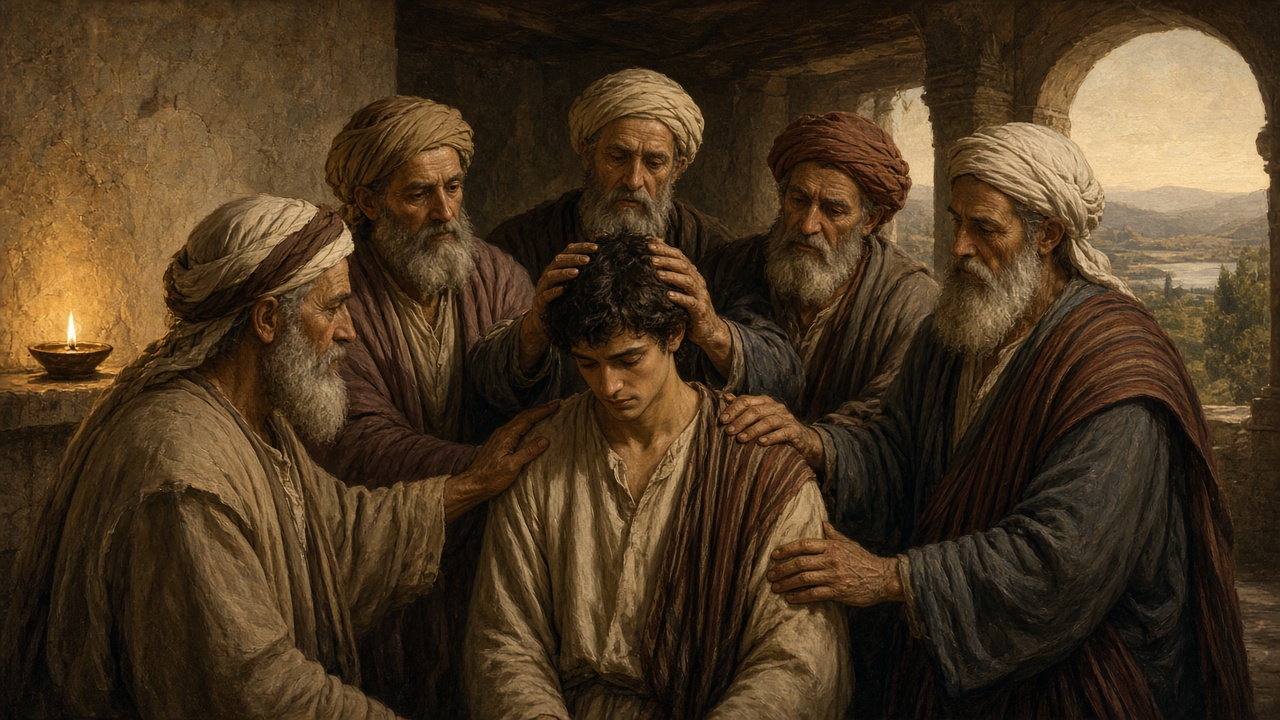
- O autor exorta o jovem a quem se dirige a não deixar que ninguém despreze a sua juventude, mas a ser exemplo no falar, na conduta, no amor, na fé e na pureza. Até que o autor chegue, ele deve dedicar-se à leitura pública das Escrituras, à exortação e ao ensino, e não negligenciar o dom que lhe foi dado por meio de profecia, quando os presbíteros lhe impuseram as mãos. O exercício físico, acrescenta a carta, tem valor limitado, enquanto a piedade é valiosa em tudo e encerra promessa para a vida presente e para a futura, uma palavra que a carta chama fiel e digna de plena aceitação.Fontes: o próprio texto bíblico
Notas escritas com auxílio de IA a partir de fontes abertas (Theographic Bible Metadata, CC BY-SA 4.0; Easton’s Bible Dictionary, domínio público) e revisadas antes de publicar.
Créditos e licença desta tradução
Elu Ọhụn: Ẹkụkwọ-Nsọ (Azụụn Ọhụn rịn'a)
Revision of New Testament in Ika
copyright © 2010 Wycliffe
Language: Ika
Translation by: Wycliffe
Ika (ikk) Nigeria
In Nigeria the word Ika is not only the name of the Ika
people, but is also used to designate a local government area in the Akwa Ibom
State. The Ika people are a sub group of the Igbo people. It is interesting to note
that Ika is the name of a town in Croatia is one of the eight Annang local
government areas of the local government areas in Akwa Ibom State. An alternative
name for the Ika people is Ika-Annang. There appears to be another dialect of Ika
that is spoken in Delta State of Nigeria.
Copyright Information
© 2010, Wycliffe. All rights reserved.
This translation text is made available to you under the terms of the Creative
Commons License: Attribution-Noncommercial-No Derivative Works. ( http://creativecommons.org/licenses/by-nc-nd/3.0/ ) In addition, you have
permission to port the text to different file formats, as long as you do not change
any of the text or punctuation of the Bible.
You may share, copy, distribute, transmit, and extract portions or quotations from
this work, provided that you include the above copyright information:
You must give Attribution to the work.
You do not sell this work for a profit.
You do not make any derivative works that change any of the actual words or
punctuation of the Scriptures.
Permissions beyond the scope of this license may be available if you contact us
with your request.
Printed book ISBN 9789789037056
Revision
The New Testament
in Ika
© 2010, Wycliffe. All rights
reserved.
This translation is made available to you under the terms of the
Creative Commons Attribution-Noncommercial-No Derivatives license 4.0.
You may share and redistribute this Bible translation or extracts from it in any format, provided that:
You include the above copyright and source information.
You do not sell this work for a profit.
You do not change any of the words or punctuation of the Scriptures.
Pictures included with Scriptures and other documents on this site are licensed just for use with those Scriptures and documents.
For other uses, please contact the respective copyright owners.
2019-08-09
Fonte: http://ebible.org/ikkNT/ · eBible.org