1 Coríntios 10
Elu Ọhụn: Ẹkụkwọ-Nsọ (Azụụn Ọhụn rịn'a) · Toque num versículo para ver as referências cruzadas.
Gba Nị Nị Ịrụa-mmọn Ọsọ
1Umunẹ m, m chọ nị ụnụ marịn ihiẹn mẹ ndị nẹdi ẹnyi wẹ kanị, marịn a ọhụnma-ọhụnma. Wẹ ile kẹ orukpu hụ du; wẹ ile ghafechanrịn Ohimin- Ufie hụ; 2wẹ ile hẹnrinsọnmẹ ndị e sọn ụzọ Mozizi ghahanị mirin-Chuku ahụn wẹ mẹ wẹ—orukpu hụ du ni wẹ lẹ Ohimin hụ wẹ ghafe kẹ wẹ gi mẹ wẹ mirin-Chuku. 3Wẹ ile ri ihiẹn-oriri ohu ahụn hụn gha imẹ-mmọn bịa; 4wẹ ile razịkwọ ihiẹn ohu ahụn hụn gha imẹ-mmọn bịa—makẹni wẹ ra mirin hụn gha ọmụma hụ sọnkọnị wẹ pụha, hụn gha imẹ-mmọn bịa. Ọmụma hụ wụ Kraịstị. 5Kẹ ihiẹn ndịnị ile mẹni, imẹrinmẹ wẹ emẹni ihiẹn sụọ Osolobuẹ ụsụọ ẹfọ, wẹ nọ nwụntọsọnmẹ imẹ atụ. Atụ|src="AB02781b.jpg" size="col" loc="1CO 10" copy="John Lear; American Bible Society" ref="10.5"
6Ihiẹn ndịnị wẹ mẹni nọ wụrụ nị ẹnyi ihiẹn-nghọsị wẹ gi a dọ ẹnyi ẹka-ntịn, amamgbe eje-ihiẹn gha a na ẹnyi ẹnya k'o dọn la wẹ. 7Emẹkwọlẹ ni ndị a rụa mmọn kẹ ndị hụ imẹ wẹ—hụn wẹ de imẹ Ẹhụhụọ-nsọ, nị
“Ndị hụ nọ nọdị anị,
e ri, a ra;
wẹ nọ lihi ọtọ, tẹnmẹ egu,
mẹsọnmẹ ihiẹn wẹ gi a rụa mmọn.”
8Ẹnyi aghẹrẹkọkwọ nị kẹ ndị hụ imẹ wẹ dọn mẹ, hụn madụ nnụ-uku ẹtọ-kwasị-ọgụn (madụ ọgụn-iri kwasị nnụnaị arịa nnụ-ọgụn-ẹtọ) gi nwụnhụn akp'ọhịn ohu; 9Ẹnyi a chọkọkwọ nị ihiẹn rị Di-nwọnni-ẹnyi ọnụ kẹ ndị hụ imẹ wẹ dọn mẹ, agwọ nọ tagbu wẹ; 10edẹnwịnnwịnkwọlẹ ni kẹ ndị hụ imẹ wẹ dọn mẹ, mmọn-ozi ahụn etikpọnị nọ gbupụ wẹ.
11Ihiẹn ndịnị mẹ ni wẹ wụsọnmẹ ihiẹn nleri. Wẹ detu ihiẹn ndịnị igi dọ ẹnyi ẹka ntịn—ẹnyi ndị rị e bi ogẹn ịkpazụụnnị ihiẹn ile e gi mẹzuchanrịn. 12Ya wụ, onyẹ hụn rị e ro n'o wuzokẹ, ya kpachanpụkwọ ẹnya amamgbe ọ dan. 13O nwọnni ọnwụnwan bịanị ụnụ hụn ghalẹni a bịanị ịhịan. Osolobuẹ wụ onyẹ wẹ gi e dọn ẹnya, ọ nịkọ ọnwụnwan k'a karị ụnụ ẹka bịanị ụnụ. Kama, ọnwụnwan bịa, o k'a ghọsị ụnụ kẹ ụnụ a dọn mẹ ẹ, kẹni ụnụ sa ẹka mẹri ẹ.
14Ifiri ọnwan, umunẹ m, gba nị nị ịrụa-mmọn ọsọ! 15Ndị nwẹ uche kẹ m rị a gwa oku; gi ni ẹka ụnụ lele ihiẹn m rị e ku. 16Mkpu ohu ahụn ẹnyi e ye Osolobuẹ ekele, a rarịsọnmẹ, ẹlẹ mmẹkọ kẹ ẹnyi ile lẹ ẹdeke Kraịstị rị e mẹkọ? Brẹdi ahụn ẹnyi e ye Osolobuẹ ekele, e keri, ẹlẹ mmẹkọ kẹ ẹnyi ile lẹ ẹhụ Kraịstị rị e mẹkọ? 17Ebe o mẹ ni brẹdi ohu sụọ rọ, ya wụ nị ẹhụ ohu kẹ ẹnyi wụ, ọsụọn'a nị ẹnyi bu ọda—makẹni ẹnyi ile gba e ri brẹdi ohu hụ. 18Ro ni k'ọ rị ndị alị Izrẹlụ: wẹ ile hụn e ri ihiẹn wẹ gi chụ ẹjan e sọngụọnị wẹ mẹ ihiẹn wẹ rị e mẹ ebe ahụn wẹ nọ a chụ ẹjan? 19Kịnị kẹ m rị nwan e ku? M gi ẹ nwan rị e ku ni ihiẹn-oriri wẹ gi rụa mmọn nwọn ihiẹn ọ wụ mọbụ nị mmọn nwọn ihiẹn ọ wụ? 20Mba. Kama, m rị e ku ni eje-mmọn kẹ ndị a rụa mmọn a chụye ni ẹjan w'a chụ, ẹlẹ Osolobuẹ. Achọnị m nị ụnụ lẹ eje-mmọn mẹkọ. 21Ụnụ asakọ ẹka a rarị ihiẹn rị mkpu Di-nwọnni-ẹnyi, a rarịzịkwọ ihiẹn rị mkpu eje-mmọn. Ụnụ asakọ ẹka e ri ọkwa ihiẹn-oriri Di-nwọnni-ẹnyi, e rizi ọkwa ihiẹn-oriri eje-mmọn. 22Kịnị? Ẹnyi rịdẹ nwan a chọ nị ẹnyi mẹ ẹnya fụma Osolobuẹ ụfụ ra? Ẹnyi ka a e ze?
Bu Ẹnya Zinmẹ Hụn K'e Ye Osolobuẹ Ọghọ
23Wẹ sị, “Ihiẹn ọwụlẹ ịhịan chọ n'o mẹ ya mẹ ẹ” Kanị, ẹlẹ ihiẹn ile ịhịan e mẹ e ye ẹka. Wẹ sị, “Ihiẹn ọwụlẹ ịhịan chọ n'o mẹ ya mẹ ẹ.” Kanị, ẹlẹ ihiẹn ile e mẹ okukwe ịhịan e sue. 24Onyẹ ọwụlẹ y'a chọma ọrịnịmma ndị-ọzọ, ẹlẹ nke ẹ.
25Ri ni ihiẹn ọwụlẹ wẹ re ọdụn anụ, ajụsọnmẹlẹ ni ọnụ—makẹ obi gha e gbumẹ ịhịan mgbu; 26ri ni makẹni Ẹhụhụọ-nsọ sị, “Ụwa lẹ ihiẹn ile rịn'a wụ nke Di-nwọnni-ẹnyi.” 27Onyẹ wụlẹni onyẹ itu-Kraịstị kpọ ị oriri, bụ y'a chọghọ n'i jẹn, i ru ẹ, ri ihiẹn ọwụlẹ wẹ ye i, ajụsọnmẹlẹ ọnụ hụn obi e gi gbumẹ ịhịan mgbu. 28Kanị, omẹni ịhịan a sị ị, “Wẹ gi ihiẹnni rụa mmọn,” erilẹ ẹ nwan—makẹ ufiri onyẹ hụ gwa n'ị lẹ makẹ obi gha e gbumẹ ịhịan mgbu, makẹni, [“ụwa lẹ ihiẹn ile rịn'a wụ nke Osolobuẹ.”] 29M sị, “Makẹ obi gha e gbumẹ ịhịan mgbu.” Obi onyẹ ahụn kẹ m rị e ku, ẹlẹ nke i.
Ị k'a sị, “Kị wẹ rị e gini obi rị e gbu onyẹ ọzọ mgbu a gba m njụ m gi mẹ ihiẹn m marịn nị ẹlẹ eje-ihiẹn? 30Omẹni e mẹgụọ m ekpere, kelegụụ Osolobuẹ, nị m d'e rimẹ ẹ, kị wẹ rị e gini ihiẹn m ri e kutọ m, bụ e yegụghọ m Osolobuẹ ekele nị m d'e rimẹ?” 31Kẹ oriri kẹ ọrịra kẹ ihiẹn ọzọ ọwụlẹ ụnụ e mẹ—e mẹchanrịn nị wẹ ile ụzọ o k'e gi wẹhẹni Osolobuẹ ọghọ. 32Ebikwọlẹ ni obibi e mẹ okukwe onyẹ ọwụlẹ uke, kẹ ndị Ju kẹ ndị alị ndị ọzọ kẹ ndị ụka-Osolobuẹ. 33E bi ni hụ kẹ mmẹ: m'a lịlịma ụzọ ile nị m'e mẹ ihiẹn a sụọ onyẹ ọwụlẹ. Makẹni ẹlẹ ọrịnịmma m kẹ m rị a chọ, kanị ọrịnịmma ịhịan ile, kẹni wẹ hụn ụzọ nwẹ nzụọpụha.
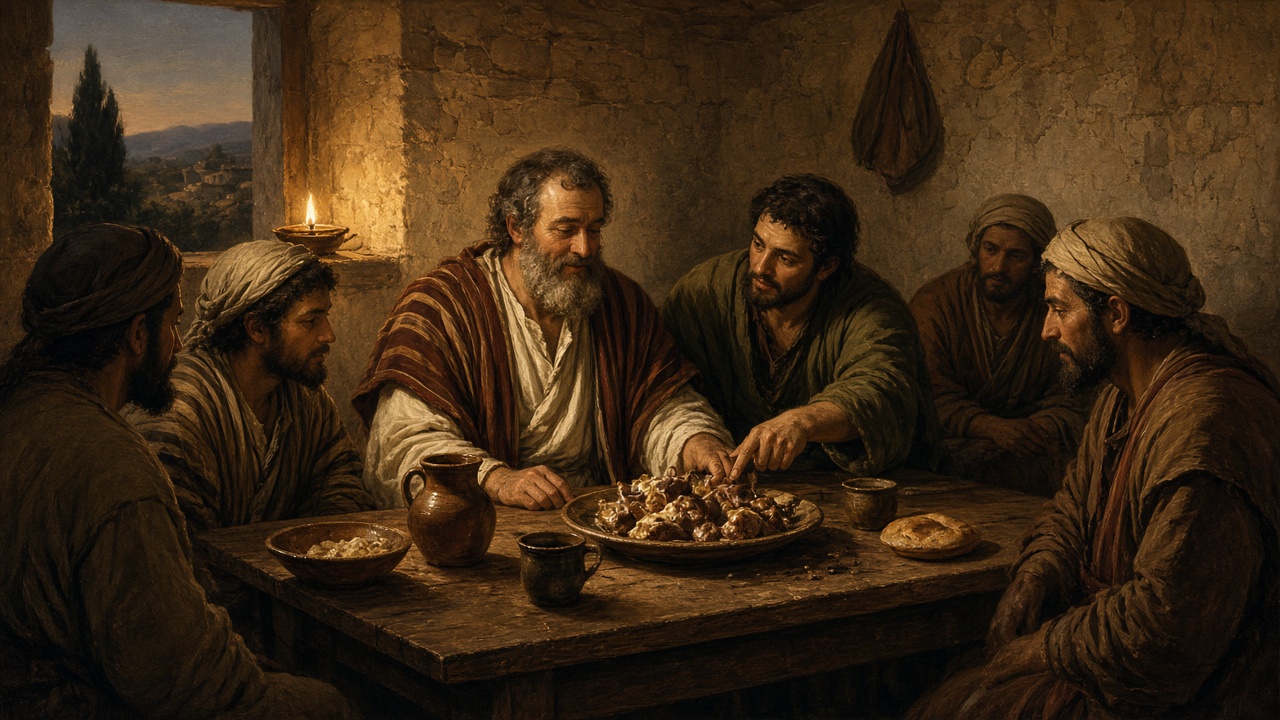
Você sabia?
Advertências do deserto e a mesa do Senhor
- Paulo diz que não quer que os coríntios ignorem que os antepassados estiveram todos debaixo da nuvem e passaram todos pelo mar, e que foram batizados em Moisés na nuvem e no mar. Todos comeram o mesmo alimento espiritual e beberam a mesma bebida espiritual da rocha espiritual que os acompanhava, e ele afirma que essa rocha era Cristo.Fontes: o próprio texto bíblico
- Paulo diz que Deus não se agradou da maioria deles, pois foram abatidos no deserto. Ele menciona a idolatria, a imoralidade sexual em que vinte e três mil morreram num só dia, o ato de pôr Cristo à prova, que trouxe morte por serpentes, e as queixas, punidas pelo anjo destruidor, e chama esses fatos de exemplos registrados como advertências.Fontes: o próprio texto bíblico
- Ele chama o cálice da bênção e o pão que é partido de participação no sangue e no corpo de Cristo, e afirma que os sacrifícios dos pagãos são oferecidos a demônios, não a Deus, de modo que as duas mesas não podem ser partilhadas. O que se vende no mercado de carne pode ser comido sem levantar questões de consciência, pois "Do Senhor é a terra e a sua plenitude", mas, se alguém disser que foi oferecido a ídolos, convém recusar por causa da consciência dessa pessoa.Fontes: o próprio texto bíblico
Notas escritas com auxílio de IA a partir de fontes abertas (Theographic Bible Metadata, CC BY-SA 4.0; Easton’s Bible Dictionary, domínio público) e revisadas antes de publicar.
Créditos e licença desta tradução
Elu Ọhụn: Ẹkụkwọ-Nsọ (Azụụn Ọhụn rịn'a)
Revision of New Testament in Ika
copyright © 2010 Wycliffe
Language: Ika
Translation by: Wycliffe
Ika (ikk) Nigeria
In Nigeria the word Ika is not only the name of the Ika
people, but is also used to designate a local government area in the Akwa Ibom
State. The Ika people are a sub group of the Igbo people. It is interesting to note
that Ika is the name of a town in Croatia is one of the eight Annang local
government areas of the local government areas in Akwa Ibom State. An alternative
name for the Ika people is Ika-Annang. There appears to be another dialect of Ika
that is spoken in Delta State of Nigeria.
Copyright Information
© 2010, Wycliffe. All rights reserved.
This translation text is made available to you under the terms of the Creative
Commons License: Attribution-Noncommercial-No Derivative Works. ( http://creativecommons.org/licenses/by-nc-nd/3.0/ ) In addition, you have
permission to port the text to different file formats, as long as you do not change
any of the text or punctuation of the Bible.
You may share, copy, distribute, transmit, and extract portions or quotations from
this work, provided that you include the above copyright information:
You must give Attribution to the work.
You do not sell this work for a profit.
You do not make any derivative works that change any of the actual words or
punctuation of the Scriptures.
Permissions beyond the scope of this license may be available if you contact us
with your request.
Printed book ISBN 9789789037056
Revision
The New Testament
in Ika
© 2010, Wycliffe. All rights
reserved.
This translation is made available to you under the terms of the
Creative Commons Attribution-Noncommercial-No Derivatives license 4.0.
You may share and redistribute this Bible translation or extracts from it in any format, provided that:
You include the above copyright and source information.
You do not sell this work for a profit.
You do not change any of the words or punctuation of the Scriptures.
Pictures included with Scriptures and other documents on this site are licensed just for use with those Scriptures and documents.
For other uses, please contact the respective copyright owners.
2019-08-09
Fonte: http://ebible.org/ikkNT/ · eBible.org