Mateus 13
Biblica® Baịbụlụ Nsọ nʼIgbo Ndị Ugbu a nke dịrị onye ọbụla ịgụ · Toque num versículo para ver as referências cruzadas.
Ilu banyere ọgha mkpụrụ
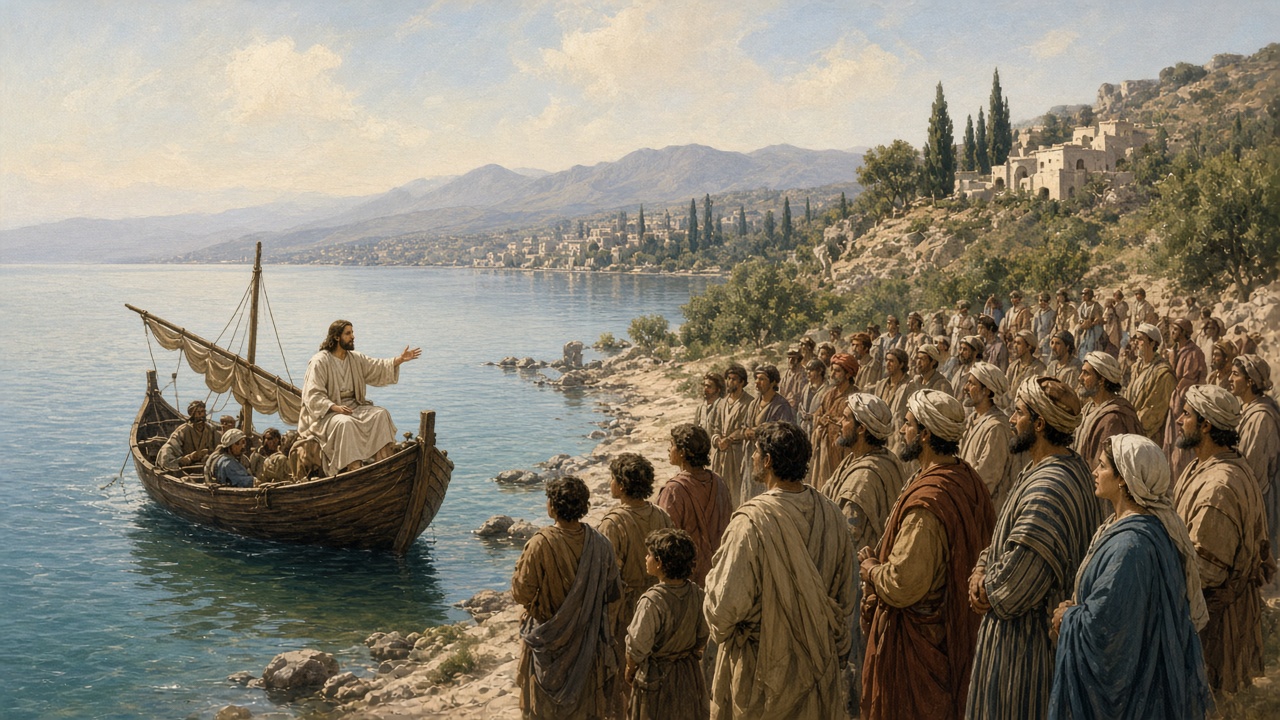
1Nʼotu ụbọchị ahụ, Jisọs hapụrụ ụlọ ahụ gaa nʼọnụ mmiri ebe ọ nọdụrụ ala. 2Igwe mmadụ dị ukwuu bịakwutere ya, nke mere ka ọ baa nʼime ụgbọ mmiri. Nʼime ya ka ọ nọ na-ezi ndị mmadụ nọ nʼọnụ mmiri ahụ na-ege ya ntị ihe. 3O ji ilu gwa ha ọtụtụ ihe. Ọ gwara ha sị, “O nwere otu onye ọrụ ubi gara ịkụ mkpụrụ nʼubi ya. 4Mgbe ọ na-agha mkpụrụ ndị a, ụfọdụ nʼime ha dara nʼakụkụ ụzọ ebe ụmụ nnụnụ bịara tụrịa ha loo. 5Ma ụfọdụ nʼime ha dara nʼala dị nkume nkume. Ọ dịghị anya ha puputara, too, nʼihi na aja dị nʼebe ahụ emighị emi. 6Ma mgbe anwụ mụkwasịrị ha, ha chanwụrụ, kpọnwụọ, nʼihi na mgbọrọgwụ ha emikpughị emikpu nʼime ala. 7Mkpụrụ ụfọdụ danyere nʼetiti ogwu, ogwu ahụ topụtara kpagbuo ha. 8Ma ụfọdụ mkpụrụ dara nʼezi ala, mịakwa ọtụtụ mkpụrụ. Ụfọdụ mịrị mkpụrụ iri atọ, ụfọdụ iri isii, ụfọdụ kwa otu narị. 9Onye ọbụla nwere ntị ịnụ ihe, ya nụrụ.”
10Emesịa, ndị na-eso ụzọ ya bịakwutere ya jụọ ya sị, “Gịnị mere i ji na-agwa ndị a okwu nʼilu?”
11Ọ zaghachiri, “Nʼihi na ọ bụ unu ka e nyere ịmata ihe omimi niile nke alaeze eluigwe. Emeghị ka ndị ọzọ ghọta ya. 12Onye ahụ nwere ihe ka a ga-enyekwa ọzọ, ka o nwee karịa. Ma onye na-enweghị ihe ọbụla ka a ga-anapụ ọ bụladị ihe o nwere. 13Nke a bụ ihe mere m ji agwa ha okwu nʼilu:
“Nʼihi na ha na-ele anya, ma ha adịghị ahụ ụzọ,
ha na-ege ntị, ma ha adịghị anụ ihe maọbụ aghọta ya.
14Nke a bụkwa imezu amụma ahụ Aịzaya buru sị,
“ ‘Unu ga na-anụ, nụkwa, ma unu agaghị aghọta ihe ọbụla.
Unu ga na-ele anya, hụkwa, ma unu agaghị ahụ ihe ọbụla.
15Nʼihi na obi ndị nke a a maala abụba, dịkwa arọ,
ha adịghị ejikwa ntị ha anụ ihe,
ha mechikwara anya ha ka ha ghara ịhụ ụzọ.
Ma ọ bụghị otu a ha nwere ike iji anya ha hụ ụzọ,
jirikwa ntị ha nụ ihe,
sitekwa nʼobi ha nwe nghọta
ma chigharịa bịakwute m, ka m gwọọ ha.’
16Ma ngọzị na-adịrị anya unu, nʼihi na ha na-ahụ ụzọ, na ntị unu nʼihi na ha na-anụkwa ihe. 17Nʼezie agwa m unu, ọtụtụ ndị amụma na ndị ezi omume ka ọ gụrụ agụụ ịhụ ihe unu na-ahụ, ma ha ahụghị ya, na ịnụ ihe unu na-anụ, ma ha anụghị ya.
Jisọs akọwaa ilu ọgha mkpụrụ
18“Ugbu nụrụnụ nkọwa ilu ọgha mkpụrụ ahụ. 19Mgbe onye ọbụla nụrụ oziọma nke alaeze ahụ, ma ọ ghọtaghị ya, ajọ onye ahụ na-abịa napụ ya ihe ahụ akụrụ nʼobi ya. Nke a bụ mkpụrụ ahụ nke dara nʼokporoụzọ. 20Mkpụrụ nke dara nʼala nkume nọchiri anya obi mmadụ onye nụrụ oziọma ahụ, jirikwa oke ọṅụ nabata ya. 21Ma ebe ha na-enweghị mgbọrọgwụ nʼime ha. Ha na-anọ nwa oge nta. Mgbe nsogbu maọbụ mkpagbu bịara nʼihi okwu ahụ, ngwangwa ha na-adachapụ. 22Mkpụrụ nke dara nʼala ahụ ogwu ogwu dị nọchiri anya obi mmadụ onye nụrụ oziọma ahụ, ma ọchịchọ nke ụwa a, ya na itinye obi nʼakụ nke ụwa a, kpagidere okwu dị nʼime ya, mee ka ọ ghara ịmị mkpụrụ. 23Ma mkpụrụ dara nʼala ọma ahụ nọchiri anya obi mmadụ onye gere ntị nʼoziọma ahụ, ghọtakwa ya. Ọ na-amịta mkpụrụ dị narị, maọbụ iri isii, maọbụ iri atọ karịa ihe akụnyere nʼime ya.”
Ilu mkpụrụ na-epu ahịhịa
24Ọ tụụrụ ha ilu ọzọ sị, “Alaeze eluigwe dị ka mmadụ ọbụla nke kụrụ ezi mkpụrụ nʼubi ya. 25Ma nʼotu abalị, mgbe onye ọbụla nọ nʼụra, onye iro gara nʼubi ahụ kụọ mkpụrụ na-epu ahịhịa nʼetiti ezi mkpụrụ ọka wiiti ahụ ọ kụrụ ma laa. 26Mgbe mkpụrụ ọka wiiti ndị ahụ puputara, mepụta isi ọka, ahịhịa ahụ bidokwara ito.
27“Ndị ọrụ onye nwe ubi ahụ bịara sị ya, ‘Nna anyị ukwu, ọ bụghị ezi mkpụrụ ọka ka ị kụrụ nʼubi gị? Ebeekwanụ ka ahịhịa ndị a si bịa?’
28“Onye ọrụ ubi ahụ zara ha sị, ‘Ọ bụ onye iro m kụrụ ahịhịa ndị a.’
“Ndị ọrụ ya jụrụ ya sị, ‘Ị chọrọ ka anyị gaa fopụtasịa ha?’
29“Ma onye ọrụ ubi ahụ sịrị ha, ‘Ọ dịghị, nʼihi na mgbe unu na-achọ ihopu ahịhịa ndị ahụ, unu nwere ike site na-amaghị ama hopu ezi mkpụrụ ọka wiiti. 30Hapụnụ ọka ahụ ka ha na ahịhịa ndị ahụ na-etokọta, tutu ruo mgbe a ga-ewe ihe ubi. Nʼoge ahụ aga m enye ndị owuwe ihe ubi iwu sị, burunu ụzọ chịkọtasịa ahịhịa ndị a niile, kee ha nʼukwu nʼukwu, kpọọ ha ọkụ. Ma kpokọtanụ ọka wiiti ndị a tinye ha nʼọba m.’ ”
Ilu banyere mkpụrụ mọstaadị
31Ọ tụkwara ilu ọzọ sị ha, “Alaeze eluigwe dị ka mkpụrụ mọstaadị nke onye ọrụ ubi kụrụ nʼubi ya. 32Ọ bụ ezie na ọ bụ mkpụrụ dịkarịsịrị nta karịa mkpụrụ ubi niile, ma mgbe mkpụrụ a toro, ọ na-adị ukwuu karịa ihe niile a kụrụ nʼubi. Ọ na-aghọ osisi buru ibu, nke ụmụ nnụnụ na-ezukwa ike nʼalaka ya.”
Ilu banyere ihe na-eko achịcha
33Ọ tụrụ ha ilu ọzọ sị, “Alaeze eluigwe dị ka ihe na-eko achịcha, nke nwanyị na-ewere gwakọta nʼụtụ ọka e ji eme achịcha, tutu ruo mgbe ihe iko achịcha ahụ mere ka ụtụ ọka ahụ niile koo.”
34Oge niile ka Jisọs na-eji ilu na-agwa ndị mmadụ ndị a okwu. O nweghị oge ọbụla ọ gwara ha okwu hapụ iji ilu. 35O mere nke a ka okwu onye amụma kwuru mezuo, sị,
“Aga m eji ilu kwuo okwu mgbe m na-agwa ha okwu.
Aga m agwakwa ha ihe mmadụ ọbụla na-amaghị site nʼoge e kere ụwa.”
Nkọwa ilu mkpụrụ na-epu ahịhịa
36Emesịa, ọ hapụrụ igwe mmadụ ahụ baa nʼụlọ. Ndị na-eso ụzọ ya bịakwutere ya sị ya, “Kọwaara anyị ihe ilu ahụ ị tụrụ pụtara, ilu banyere ahịhịa puru nʼubi a kụrụ ọka.”
37Jisọs zara ha sị, “Nwoke ahụ kụrụ mkpụrụ ahụ bụ Nwa nke Mmadụ. 38Ubi ahụ a ghanyere mkpụrụ ndị ahụ bụ ụwa. Mkpụrụ nke a kụrụ nʼubi ahụ nọchiri anya ụmụ nke alaeze ahụ. Ahịhịa ahụ puru nʼubi ahụ nọchikwara anya ụmụ ajọ onye ahụ. 39Onye iro ahụ gara kụọ mkpụrụ puru ahịhịa bụ ekwensu. Owuwe ihe ubi nọchiri anya ọgwụgwụ oge. Ndị owuwe ihe ubi bụkwa ndị mmụọ ozi.
40“Dị ka e siri fopụtasịa ahịhịa ahụ kpọọ ha ọkụ, otu a ka ọ ga-adị mgbe ụwa ga-agwụ. 41Nwa nke Mmadụ ga-ezipụ ndị mmụọ ozi ya ka ha gaa site nʼalaeze ya fopụtasịa ihe niile na-eme ka e mee mmehie, na ndị niile na-eme ajọ ihe. 42Ha ga-atụbakwa ha nʼime oke ọkụ ahụ, ebe ha ga-anọ na-akwa akwa, na-atakwa ikikere eze. 43Ma ndị niile bụ ndị ezi omume ga-enwu dị ka anyanwụ nʼime alaeze Nna ha. Onye ọbụla nwere ntị ịnụ ihe, ya nụrụ.
Ilu banyere akụ e zoro nʼala
44“Alaeze eluigwe dị ka akụ e zoro nʼubi, nke otu nwoke chọpụtara zookwa ya ọzọ. Nwoke a jiri ọṅụ ree ihe niile o nwere, ma gaa zụta ubi ahụ.
Ilu banyere nkume dị oke ọnụahịa
45“Ọzọ, alaeze eluigwe yiri nkume dị oke ọnụahịa nke onye na-azụ ahịa chọtara. 46Mgbe ọ hụrụ nkume a, o ree ihe niile o nwere, were ego ya gaa zụrụ nkume a dị oke ọnụahịa.
Ilu banyere ụgbụ e ji egbu azụ
47“Ọzọkwa, alaeze eluigwe dị ka ụgbụ e ji egbu azụ, nke a wụnyere nʼime osimiri, jiri ya jide azụ dị iche iche. 48Mgbe ụgbụ a juru, ndị ọkụ azụ ahụ na-adọpụta ya. Nọdụ ala họpụtasịa ndị dị mma tinye ha nʼime nkata, ma tufuo ndị na-adịghị mma. 49Otu a ka ọ ga-adị nʼọgwụgwụ oge. Ndị mmụọ ozi ga-abịa kewapụ ndị ọjọọ site nʼetiti ndị ezi omume, 50ma tụbakwa ha nʼime oke ọkụ ahụ. Ebe ha ga-anọ na-akwa akwa na-atakwa ikikere eze.”
51Ọ jụrụ ha sị, “Unu ghọtara ihe ndị a m na-ekwu?”
Ha zara sị ya, “E.”
52Ọ sịrị ha, “Nʼihi nke a, onye nkuzi nke iwu ọbụla nke e mere ka ọ bụrụ onye na-eso ụzọ alaeze eluigwe, dị ka onyenwe ụlọ nke na-esite nʼụlọakụ ya na-ewepụta ihe ọhụrụ na ihe ochie.”
A dịghị asọpụrụ onye amụma
53Mgbe Jisọs tụsịrị ilu ndị a, o si ebe ahụ pụọ. 54O rutere nʼobodo ya, malite izi ha ihe nʼụlọ ekpere ha, nke a jukwara ha anya. Ha jụrịtara onwe ha ajụjụ na-asị, “Ebee ka o si nweta amamihe a? Ebee ka o si nweta ike ịrụ ọrụ ebube ndị a niile? 55Nwoke a, ọ bụghị nwa onye kapinta? Ọ bụ na-adịghị akpọ nne ya Meri? Jemis, Josef, Saimọn na Judas, ha abụghị ụmụnne ya ndị ikom? 56Ụmụnne ya ndị inyom niile, ha anọghị nʼetiti anyị? Olee ebekwa ka nwoke a si nweta ihe ndị a?” 57Iwe were ha nʼebe ọ nọ.
Ma Jisọs gwara ha okwu sị ha, “A na-asọpụrụ onye amụma nʼebe niile, ma a dịghị asọpụrụ ya nʼobodo a mụrụ ya, nakwa nʼezinaụlọ nke ya.”
58Ya mere, ọ rụghị ọtụtụ ọrụ ebube nʼebe ahụ, nʼihi na ha enweghị okwukwe nʼime ha.
Você sabia?
Parábolas do Reino dos Céus
- No dia que este capítulo descreve, Jesus saiu de casa e sentou-se à beira do mar. A multidão ficou tão grande que ele entrou num barco e ensinou dali, enquanto o povo permanecia em pé na praia, e não lhes falou nada senão em parábolas. Uma cronologia data essas parábolas à beira-mar em 28 d.C.Fontes: o próprio texto bíblico · Seaside Parables and Miracle
- Quando os discípulos perguntaram por que ele falava ao povo em parábolas, Jesus respondeu que o conhecimento dos mistérios do reino dos céus lhes tinha sido dado, mas não às multidões. Disse que a profecia de Isaías se cumpria nas multidões: continuariam ouvindo e vendo, mas jamais entenderiam ou perceberiam, porque o coração delas se havia endurecido. O Easton’s Bible Dictionary (1897) descreve Isaías como filho de Amoz, que profetizou durante os reinados de Uzias, Jotão, Acaz e Ezequias.Fontes: o próprio texto bíblico · Isaiah
- Mais tarde, Jesus chegou à sua cidade natal, ensinou na sinagoga, e o povo se ofendeu com ele. Perguntaram se ele era o filho do carpinteiro, nomearam sua mãe Maria e seus irmãos Tiago, José, Simão e Judas, e observaram que suas irmãs viviam entre eles; por causa da incredulidade deles, ele não fez muitos milagres ali. Maria é identificada como esposa de José e mãe de Jesus, Simão como um dos irmãos do Senhor, e uma cronologia data essa segunda rejeição em Nazaré no ano 29 d.C.Fontes: o próprio texto bíblico · Mary (Mother of Jesus) · Simon · 2nd Rejection at Nazareth
Notas escritas com auxílio de IA a partir de fontes abertas (Theographic Bible Metadata, CC BY-SA 4.0; Easton’s Bible Dictionary, domínio público) e revisadas antes de publicar.
Lugares deste capítulo
- Nazareth · 32.702, 35.298 · versículo 54
Só aparecem lugares com identificação de alta confiança (90% ou mais segundo as fontes acadêmicas reunidas pelo OpenBible). Mapa da época: DARE (Digital Atlas of the Roman Empire), CC BY 4.0; mapa atual: © colaboradores do OpenStreetMap; lugares: OpenBible.info (CC BY 4.0).
Créditos e licença desta tradução
Biblica® Baịbụlụ Nsọ nʼIgbo Ndị Ugbu a nke dịrị onye ọbụla ịgụ The Holy Bible in the Igbo language of Nigeria: Biblica® Baịbụlụ Nsọ nʼIgbo Ndị Ugbu a nke dịrị onye ọbụla ịgụ copyright © 2020 Biblica, Inc. Language: Igbo Contributor: Biblica, Inc. This work is made available under the Creative Commons Attribution-ShareAlike 4.0 International License (CC BY-SA). To view a copy of this license, visit http://creativecommons.org/licenses/by-sa/4.0 or send a letter to Creative Commons, PO Box 1866, Mountain View, CA 94042, USA. Biblica® is a trademark registered by Biblica, Inc., and use of the Biblica® trademark requires the written permission of Biblica, Inc. Under the terms of the CC BY-SA license, you may copy and redistribute this unmodified work as long as you keep the Biblica® trademark intact. If you modify a copy or translate this work, thereby creating a derivative work, you must remove the Biblica® trademark. On the derivative work, you must indicate what changes you have made and attribute the work as follows: “The original work by Biblica, Inc. is available for free at www.biblica.com and open.bible.” Notice of copyright must appear on the title or copyright page of the work as follows: Biblica® Baịbụlụ Nsọ nʼIgbo Ndị Ugbu a nke dịrị onye ọbụla ịgụ Ndị Biblica, Inc. degharịrị ya nʼafọ © 1980, 1988, 2019, 2020 Biblica® Open Igbo Contemporary Bible™ Copyright © 1980, 1988, 2019, 2020 by Biblica, Inc. “Biblica” bụ akara e ji mara ụlọ ọrụ a, nke edebanyere dịka iwu si kwado nʼụlọ ọrụ dị nʼobodo United States, ebe a na-enye akara a na ikike maka azụm ahịa ndị Biblica, Inc. Ọ bụ ha ka e nyere ikike idenye ya. “Biblica” is a trademark registered in the United States Patent and Trademark Office by Biblica, Inc. Used with permission. You must also make your derivative work available under the same license (CC BY-SA). If you would like to notify Biblica, Inc. regarding your translation of this work, please contact us at https://open.bible/contact-us. This translation is made available to you under the terms of the Creative Commons Attribution Share-Alike license 4.0. You have permission to share and redistribute this Bible translation in any format and to make reasonable revisions and adaptations of this translation, provided that: You include the above copyright and source information. If you make any changes to the text, you must indicate that you did so in a way that makes it clear that the original licensor is not necessarily endorsing your changes. If you redistribute this text, you must distribute your contributions under the same license as the original. Pictures included with Scriptures and other documents on this site are licensed just for use with those Scriptures and documents. For other uses, please contact the respective copyright owners. Note that in addition to the rules above, revising and adapting God's Word involves a great responsibility to be true to God's Word. See Revelation 22:18-19. 2023-04-12
Fonte: http://ebible.org/ibo/ · eBible.org