Levítico 21
Biblica® Baịbụlụ Nsọ nʼIgbo Ndị Ugbu a nke dịrị onye ọbụla ịgụ · Toque num versículo para ver as referências cruzadas.
Iwu nke ndị nchụaja
1Onyenwe anyị gwara Mosis sị, “Gwa ndị nchụaja, ụmụ ndị ikom Erọn okwu sị ha, ‘Onye nchụaja ekwesighị imerụ onwe ya mgbe mmadụ nwụrụ nʼetiti ụmụnna ya. 2Karịakwa ma onye ahụ bụ onye dị ya nnọọ nso, dịka nne ya, maọbụ nna ya, maọbụ nwa ya nwoke, maọbụ nwa ya nwanyị, maọbụ nwanne ya nwoke, 3maọbụ nwanne ya nwanyị na-alụbeghị di, onye ọ na-elekọta nʼihi na o nweghị di. Nʼihi ya, o nwere ike merụọ onwe ya. 4Ma ọ gakwaghị eme onwe ya ka ọ ghara ịdị ọcha nʼetiti ndị ọgọ ya, ma site otu a merụọ onwe ya.
5“ ‘Ndị nchụaja ekwesighị ịkpụcha isi ha, maọbụ kpụchapụ akụkụ afụọnụ ha, maọbụ kaa ihe ọbụla nʼakpụkpọ ahụ ha. 6Ha ga-abụ ndị dị nsọ nye Chineke ha, ndị na-agaghị emekwa ka aha Chineke ha ghara ịdị nsọ. Nʼihi na ọ bụ ha na-eche nʼihu Onyenwe anyị onyinye aja nsure ọkụ, bụ nri Chineke ha. Nʼihi ya, ha aghaghị ịdị nsọ.
7“ ‘Onye nchụaja agaghị alụ nwanyị e merụrụ site nʼịgba akwụna, maọbụ nwanyị lụtụrụla di nke kewapụrụ onwe ya site nʼahụ di ya, nʼihi na ndị nchụaja bụ ndị dị nsọ nye Chineke ha. 8Gụọ ha dịka ndị dị nsọ nʼihi na ọ bụ ha na-eche nri Chineke nʼihu ya. Gụọ ha dịka ndị dị nsọ nʼihi na mụ onwe m bụ Onyenwe anyị dị nsọ, mụ onwe m na-eme ka unu dị nsọ.
9“ ‘Ọ bụrụ na nwa nwanyị onye nchụaja emerụọ onwe ya site nʼịghọ onye akwụna, o sitela na ndụ ọjọọ dị otu a wetara nna ya ihe ihere. A ga-akpọ ya ọkụ.
10“ ‘Onyeisi nchụaja, onye ahụ sitere nʼetiti ụmụnna ya, onye awụsara mmanụ nsọ nʼisi ya, onye ahọrọ doo nsọ iyiri uwe onye nchụaja ahụ, agaghị ahapụ agịrị isi ya ka ọ kpasasịa, maọbụ dọwaa uwe ya. 11Ọ gaghị abanye ebe ozu dị. Ọ gaghị emerụ onwe ya, ọ bụladị ma ozu ahụ ọ bụ nke nne ya maọbụ nke nna ya. 12Ọ gaghị esi nʼebe nsọ Chineke ya pụọ, maọbụ mee ya ka ọ ghara ịdị nsọ, nʼihi na e doola ya nsọ site na ite ya mmanụ nsọ nke Chineke ya. Abụ m Onyenwe anyị.
13“ ‘Nwanyị onyeisi nchụaja ga-alụ ga-abụ nwanyị na-amaghị nwoke. 14Ọ gaghị alụ nwanyị di ya nwụrụ, maọbụ nwanyị ya na di ya na-ebikwaghị, maọbụ nwanyị akwụna. Nwanyị ọ ga-alụ ga-abụ naanị nwanyị na-amaghị nwoke nke si nʼetiti ụmụnna ya, 15ka ọ ghara ime ka ụmụ ya ghara ịdị nsọ nʼetiti ụmụnna ya. Abụ m Onyenwe anyị onye na-edo ya nsọ.’ ”
16Onyenwe anyị gwara Mosis sị, 17“Gwa Erọn, ‘Nʼọgbọ niile nke na-abịa, o nweghị onye ọbụla nʼime ụmụ ụmụ gị nke akụkụ ahụ ya na-ezughị oke ga-abịa nso iwetara Chineke ya ihe oriri. 18O nweghị nwoke ọbụla nwere ọrụsị ọbụla ga-abịa nso, o nweghị nwoke kpuru ìsì, maọbụ onye ngwụrọ, maọbụ onye imi mpịa, maọbụ onye ụkwụ maọbụ aka ya na-ezughị oke, 19maọbụ onye ọkpụkpụ ụkwụ ya maọbụ ọkpụkpụ aka ya gbajiri, 20maọbụ onye mkpumkpu azụ dị, maọbụ nwa akakpọ, maọbụ onye na-adịghị ahụzi ụzọ, maọbụ onye agba na-ata, maọbụ onye akpụkpa dị nʼahụ, maọbụ onye mkpụrụ amụ ya chipịara echipịa. 21O nweghị nwa nwa Erọn onye nchụaja ọbụla nwere ọrụsị ga-abịa iwetara Onyenwe anyị aja onyinye site nʼọkụ. Ebe ọ bụ na o nwere ọrụsị, ọ gaghị abịa nso iwetara Chineke ya nri. 22Ma o nwere ike iri nri ahụ dịkarịsịrị nsọ nke sitere na nri Chineke ya, tinyekwara nri ahụ dị nsọ. 23Kama ọ gaghị abịa nso akwa mgbochi ahụ maọbụ bịaruo ebe ịchụ aja nso, nʼihi ezughị oke ya. Ka ọ ghara imerụ ebe nsọ m, nʼihi na abụ m Onyenwe anyị onye na-edo ha nsọ.’ ”
24Ya mere Mosis nyere Erọn na ụmụ ya ndị ikom na ụmụ Izrel niile iwu ndị a.
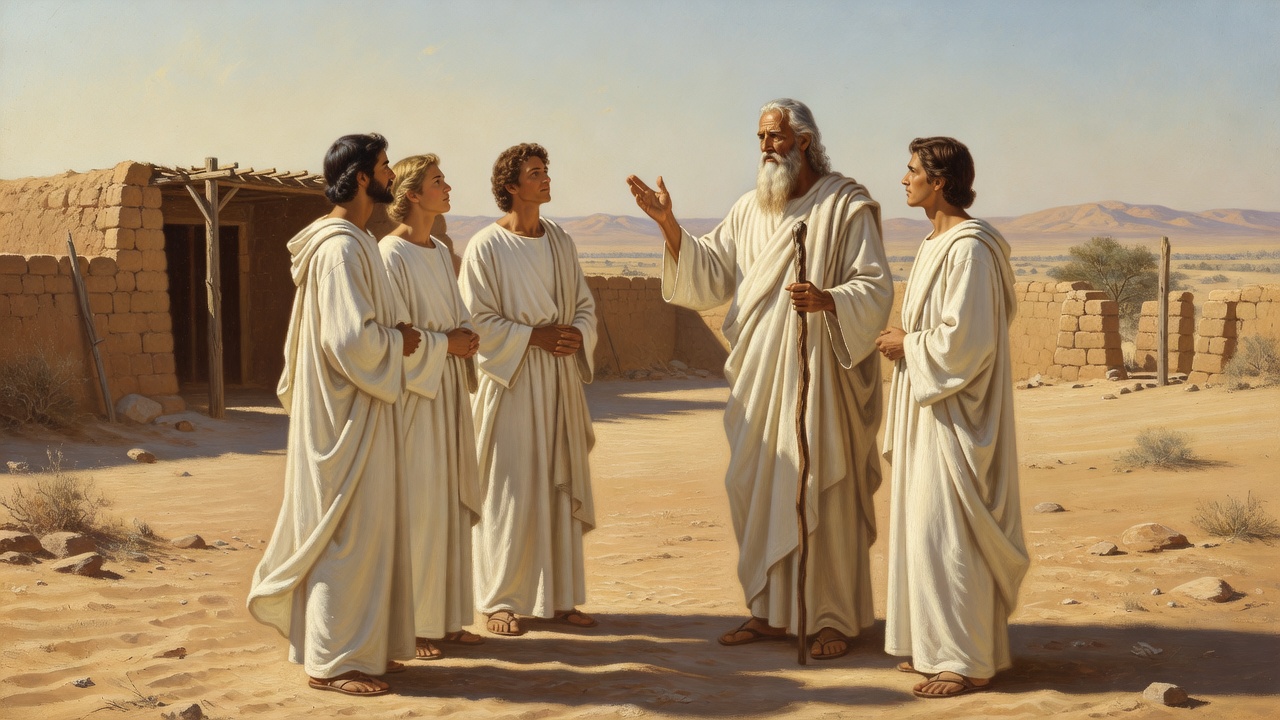
Você sabia?
Santidade e Requisitos para o Sacerdócio
- Os sacerdotes comuns só podiam guardar luto por parentes consanguíneos imediatos — pais, filhos e irmãos solteiros —, enquanto o sumo sacerdote era estritamente proibido de se contaminar por qualquer cadáver, incluindo seus próprios pais, e não podia rasgar suas vestes em sinal de luto.Fontes: o próprio texto bíblico
- Enquanto os sacerdotes comuns eram proibidos de se casar com mulheres divorciadas ou prostitutas, o sumo sacerdote tinha uma exigência ainda mais rigorosa: só podia se casar com uma virgem do seu próprio povo.Fontes: o próprio texto bíblico
- Os descendentes de Arão com defeitos físicos ou lesões eram impedidos de apresentar ofertas queimadas no altar, mas ainda tinham permissão plena para comer das porções de alimentos santos e santíssimos.Fontes: o próprio texto bíblico
Notas escritas com auxílio de IA a partir de fontes abertas (Theographic Bible Metadata, CC BY-SA 4.0; Easton’s Bible Dictionary, domínio público) e revisadas antes de publicar.
Créditos e licença desta tradução
Biblica® Baịbụlụ Nsọ nʼIgbo Ndị Ugbu a nke dịrị onye ọbụla ịgụ The Holy Bible in the Igbo language of Nigeria: Biblica® Baịbụlụ Nsọ nʼIgbo Ndị Ugbu a nke dịrị onye ọbụla ịgụ copyright © 2020 Biblica, Inc. Language: Igbo Contributor: Biblica, Inc. This work is made available under the Creative Commons Attribution-ShareAlike 4.0 International License (CC BY-SA). To view a copy of this license, visit http://creativecommons.org/licenses/by-sa/4.0 or send a letter to Creative Commons, PO Box 1866, Mountain View, CA 94042, USA. Biblica® is a trademark registered by Biblica, Inc., and use of the Biblica® trademark requires the written permission of Biblica, Inc. Under the terms of the CC BY-SA license, you may copy and redistribute this unmodified work as long as you keep the Biblica® trademark intact. If you modify a copy or translate this work, thereby creating a derivative work, you must remove the Biblica® trademark. On the derivative work, you must indicate what changes you have made and attribute the work as follows: “The original work by Biblica, Inc. is available for free at www.biblica.com and open.bible.” Notice of copyright must appear on the title or copyright page of the work as follows: Biblica® Baịbụlụ Nsọ nʼIgbo Ndị Ugbu a nke dịrị onye ọbụla ịgụ Ndị Biblica, Inc. degharịrị ya nʼafọ © 1980, 1988, 2019, 2020 Biblica® Open Igbo Contemporary Bible™ Copyright © 1980, 1988, 2019, 2020 by Biblica, Inc. “Biblica” bụ akara e ji mara ụlọ ọrụ a, nke edebanyere dịka iwu si kwado nʼụlọ ọrụ dị nʼobodo United States, ebe a na-enye akara a na ikike maka azụm ahịa ndị Biblica, Inc. Ọ bụ ha ka e nyere ikike idenye ya. “Biblica” is a trademark registered in the United States Patent and Trademark Office by Biblica, Inc. Used with permission. You must also make your derivative work available under the same license (CC BY-SA). If you would like to notify Biblica, Inc. regarding your translation of this work, please contact us at https://open.bible/contact-us. This translation is made available to you under the terms of the Creative Commons Attribution Share-Alike license 4.0. You have permission to share and redistribute this Bible translation in any format and to make reasonable revisions and adaptations of this translation, provided that: You include the above copyright and source information. If you make any changes to the text, you must indicate that you did so in a way that makes it clear that the original licensor is not necessarily endorsing your changes. If you redistribute this text, you must distribute your contributions under the same license as the original. Pictures included with Scriptures and other documents on this site are licensed just for use with those Scriptures and documents. For other uses, please contact the respective copyright owners. Note that in addition to the rules above, revising and adapting God's Word involves a great responsibility to be true to God's Word. See Revelation 22:18-19. 2023-04-12
Fonte: http://ebible.org/ibo/ · eBible.org