Levítico 17
Biblica® Baịbụlụ Nsọ nʼIgbo Ndị Ugbu a nke dịrị onye ọbụla ịgụ · Toque num versículo para ver as referências cruzadas.
Iwu banyere iri ọbara
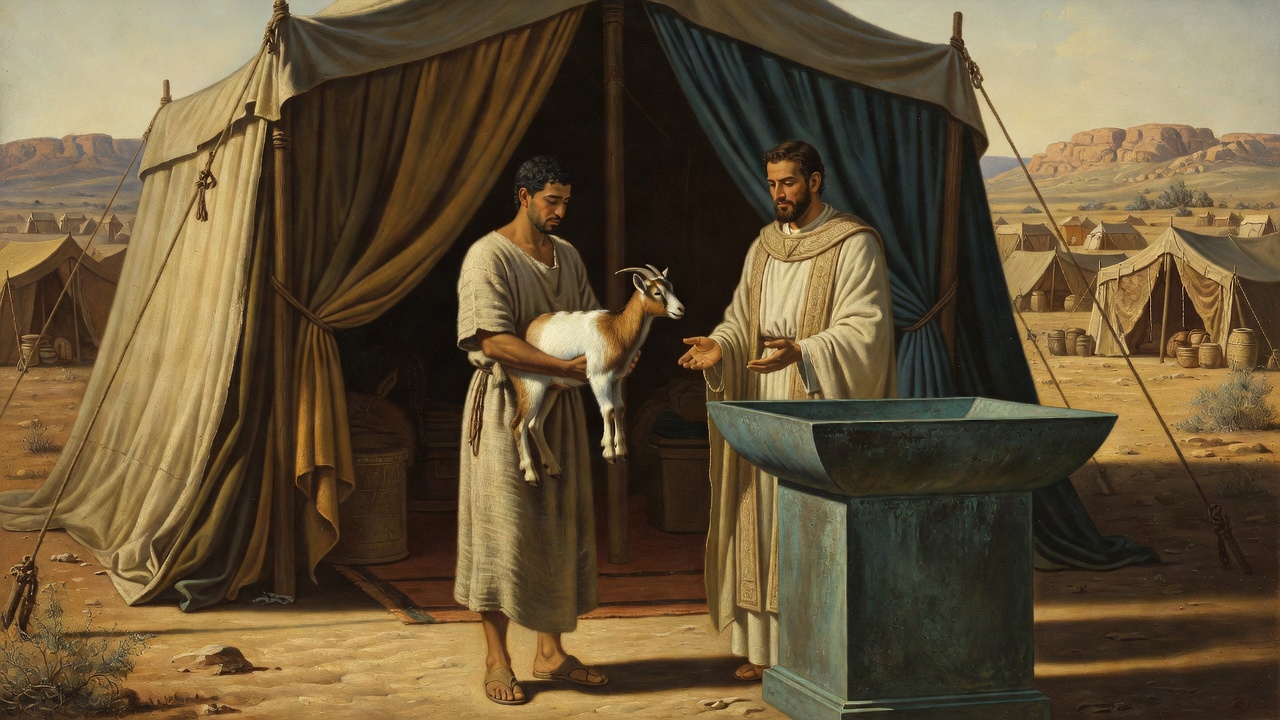
1Onyenwe anyị gwara Mosis sị, 2“Gwa Erọn, na ụmụ ya ndị ikom, na ụmụ Izrel niile okwu sị ha, ‘Ihe ndị a ka Onyenwe anyị nyere nʼiwu. 3Onye ọbụla bụ onye ụlọ Izrel gbuo ehi, maọbụ nwa atụrụ, maọbụ ewu nʼogige ebe obibi, maọbụ nʼazụ ebe obibi, 4ma o wetaghị ya nʼọnụ ụzọ ụlọ nzute iche ya dịka onyinye nʼihu Onyenwe anyị, nʼihu ụlọnsọ Onyenwe anyị, a ga-agụ onye ahụ dịka onye ikpe iwufu ọbara mara. Ọ wụfuola ọbara, nʼihi ya, a ga-esite nʼetiti ndị ya kewapụ ya. 5Ihe e ji nye iwu a bụ ka ụmụ Izrel wetara Onyenwe anyị aja niile ha na-achụ ugbu a na mbara ezi ọbụla. Ha kwesiri iwetara ya Onyenwe anyị site nʼaka onye nchụaja nʼọnụ ụzọ ụlọ nzute, ka o jiri ya chụọrọ ha aja udo. 6Nʼụzọ dị otu a, onye nchụaja ga-efesa ọbara ahụ nʼebe ịchụ aja dị nʼọnụ ụzọ ụlọ nzute, kpọọkwa abụba ya ọkụ, ka ọ bụrụ aja nsure ọkụ nke isisi ya dị Onyenwe anyị ezi ụtọ. 7O kwesikwaghị ka ndị Izrel chụọ aja ha ọzọ na mbara ezi nye arụsị ewu ndị ha na-akpọ isiala nye. Iwu a ga-adịgide nye ha na ụmụ ha niile, site nʼọgbọ ruo nʼọgbọ.’
8“Gwa ha, ‘Onye Izrel ọbụla, maọbụ onye ọbịa bi nʼetiti unu, nke ga-achụ aja nsure ọkụ maọbụ aja ọzọ, 9ma o webataghị ya nʼọnụ ụzọ ụlọ nzute, ebe a ga-achụrụ ya Onyenwe anyị, ka a ga-ewezuga site nʼetiti ndị ya.
10“ ‘Onye Izrel ọbụla maọbụ onye ọbịa bi nʼetiti ha, nke riri ọbara ọbụla ka m ga-eche ihu m megide. A ga-ewezuga ya site nʼetiti ndị m. 11Nʼihi na ndụ ihe nwere ndụ dị nʼọbara ya, ọ bụ nʼihi nke a ka m ji nye iwu na a ga-awụsa ọbara niile nʼelu ebe ịchụ aja, maka iji ya kpuchie mmehie unu. Ọ bụ ọbara na-ekpuchi mmehie maka ndụ mmadụ. 12Nʼihi nke a, a sịrị ndị Izrel, “Ọ dịghị onye ọbụla nʼetiti unu, maọbụ onye ọbịa ọbụla nke bi nʼetiti unu ga-eri ọbara.”
13“ ‘Onye Izrel ọbụla, na onye ọbịa ọbụla binyere unu nke gara ịchụ nta, gbuo anụ maọbụ nnụnụ ọbụla a na-eri eri, ga-awụfu ọbara ya were aja kpuchie ya. 14Nʼihi na ndụ ihe niile nwere ndụ dị nʼọbara. Ọ bụ ya mere m ji nye ụmụ Izrel iwu si unu erila ọbara anụmanụ ọbụla, nʼihi na ndụ ihe niile nwere ndụ dị nʼọbara ya. Nʼihi ya onye ọbụla riri ọbara, a ga-ekewapụ ya site nʼetiti ndị m.
15“ ‘Mmadụ ọbụla, maọbụ nwa afọ ma ọ bụkwanụ onye ọbịa, nke riri anụ nwụrụ nʼonwe ya, maọbụ nke anụ ọhịa dọgburu, ga-eji mmiri saa uwe ya na ahụ ya, ọ ga-abụkwa onye rụrụ arụ ruo uhuruchi tupu ọ dị ọcha ọzọ. 16Ma ọ bụrụ na ọ saghị uwe ya na ahụ ya, ikpe ọmụma dị ya nʼisi.’ ”
Você sabia?
O abate sacrificial e a santidade do sangue
- O Levítico determina que animais domésticos como bois, cordeiros e bodes fossem levados diretamente à entrada da Tenda do Encontro, em vez de serem abatidos em campo aberto. Essa norma garantia que os sacrifícios fossem oferecidos exclusivamente como ofertas de paz ao SENHOR e impedia sacrifícios ilícitos a demônios em forma de bode.Fontes: o próprio texto bíblico
- Tanto os israelitas nativos quanto os estrangeiros residentes eram estritamente proibidos de comer sangue, sob pena de serem eliminados da comunidade. O texto fundamenta essa lei no princípio teológico de que a vida da carne está no sangue, o qual Deus designou especificamente para fazer expiação sobre o altar.Fontes: o próprio texto bíblico
- Quando caçavam animais selvagens ou aves permitidas para alimentação, os israelitas e estrangeiros deviam drenar o sangue na terra e cobri-lo com pó. Essa instrução reforçava que a vida pertence a Deus e preservava a santidade do sangue fora do santuário sacrificial.Fontes: o próprio texto bíblico
Notas escritas com auxílio de IA a partir de fontes abertas (Theographic Bible Metadata, CC BY-SA 4.0; Easton’s Bible Dictionary, domínio público) e revisadas antes de publicar.
Créditos e licença desta tradução
Biblica® Baịbụlụ Nsọ nʼIgbo Ndị Ugbu a nke dịrị onye ọbụla ịgụ The Holy Bible in the Igbo language of Nigeria: Biblica® Baịbụlụ Nsọ nʼIgbo Ndị Ugbu a nke dịrị onye ọbụla ịgụ copyright © 2020 Biblica, Inc. Language: Igbo Contributor: Biblica, Inc. This work is made available under the Creative Commons Attribution-ShareAlike 4.0 International License (CC BY-SA). To view a copy of this license, visit http://creativecommons.org/licenses/by-sa/4.0 or send a letter to Creative Commons, PO Box 1866, Mountain View, CA 94042, USA. Biblica® is a trademark registered by Biblica, Inc., and use of the Biblica® trademark requires the written permission of Biblica, Inc. Under the terms of the CC BY-SA license, you may copy and redistribute this unmodified work as long as you keep the Biblica® trademark intact. If you modify a copy or translate this work, thereby creating a derivative work, you must remove the Biblica® trademark. On the derivative work, you must indicate what changes you have made and attribute the work as follows: “The original work by Biblica, Inc. is available for free at www.biblica.com and open.bible.” Notice of copyright must appear on the title or copyright page of the work as follows: Biblica® Baịbụlụ Nsọ nʼIgbo Ndị Ugbu a nke dịrị onye ọbụla ịgụ Ndị Biblica, Inc. degharịrị ya nʼafọ © 1980, 1988, 2019, 2020 Biblica® Open Igbo Contemporary Bible™ Copyright © 1980, 1988, 2019, 2020 by Biblica, Inc. “Biblica” bụ akara e ji mara ụlọ ọrụ a, nke edebanyere dịka iwu si kwado nʼụlọ ọrụ dị nʼobodo United States, ebe a na-enye akara a na ikike maka azụm ahịa ndị Biblica, Inc. Ọ bụ ha ka e nyere ikike idenye ya. “Biblica” is a trademark registered in the United States Patent and Trademark Office by Biblica, Inc. Used with permission. You must also make your derivative work available under the same license (CC BY-SA). If you would like to notify Biblica, Inc. regarding your translation of this work, please contact us at https://open.bible/contact-us. This translation is made available to you under the terms of the Creative Commons Attribution Share-Alike license 4.0. You have permission to share and redistribute this Bible translation in any format and to make reasonable revisions and adaptations of this translation, provided that: You include the above copyright and source information. If you make any changes to the text, you must indicate that you did so in a way that makes it clear that the original licensor is not necessarily endorsing your changes. If you redistribute this text, you must distribute your contributions under the same license as the original. Pictures included with Scriptures and other documents on this site are licensed just for use with those Scriptures and documents. For other uses, please contact the respective copyright owners. Note that in addition to the rules above, revising and adapting God's Word involves a great responsibility to be true to God's Word. See Revelation 22:18-19. 2023-04-12
Fonte: http://ebible.org/ibo/ · eBible.org