Jeremias 16
Biblica® Baịbụlụ Nsọ nʼIgbo Ndị Ugbu a nke dịrị onye ọbụla ịgụ · Toque num versículo para ver as referências cruzadas.
Ụbọchị Mbibi
1Mgbe ahụ, okwu Onyenwe anyị ruru m ntị, sị, 2“Ị gaghị alụtara onwe gị nwunye, ị gaghị amụtakwa ụmụ ndị ikom na ndị inyom nʼebe a.” 3Nʼihi na otu a ka Onyenwe anyị kwuru banyere ụmụ ndị ikom niile na ụmụ ndị inyom niile a mụrụ nʼala a. Otu a ka ọ kwukwara banyere nne na nna ụmụntakịrị ndị a. 4“Ha ga-anwụ site nʼajọ ọrịa nke ga-egbu ha niile. O nweghị onye ga-eru ụjụ nʼihi ha, a gaghị elikwa ha. Kama ha ga-adị ka unyi e kposara nʼala. Mma agha na ụnwụ ga-ala ha nʼiyi, ozu ha ga-abụkwa ihe oriri nye ụmụ anụ ufe na ụmụ anụ ọhịa nke ụwa.”
5Nʼihi na ihe ndị a ka Onyenwe anyị kwuru, “Abanyela nʼụlọ ọbụla a na-akwa ozu; abanyela maka iso ha ruo ụjụ, maọbụ maka igosi ha ebere, nʼihi na ewepụla m ngọzị m nʼịhụnanya m, na ọmịiko m site nʼebe ha nọ,” otu a ka Onyenwe anyị kwupụtara. 6“Ma ndị ukwu na ndị nta nʼime ha ga-anwụ nʼala a. O nweghị onye ga-eli ha, maọbụ ruo ụjụ nʼihi ha. O nweghị onye ga-akpụcha isi ya, maọbụ gbuo onwe ya mma nʼihi ha. 7O nweghị onye ga-eweta ihe oriri nye ndị zukọrọ maka ịkasị ndị na-eru ụjụ obi. Nri agaghị adị ọ bụladị nye ndị na-eru ụjụ, nʼihi ọnwụ nna ha maọbụ ọnwụ nne ha. Ọ dịkwaghị onye ga-enye ha ihe ọṅụṅụ nʼihi ịkasị ha obi.
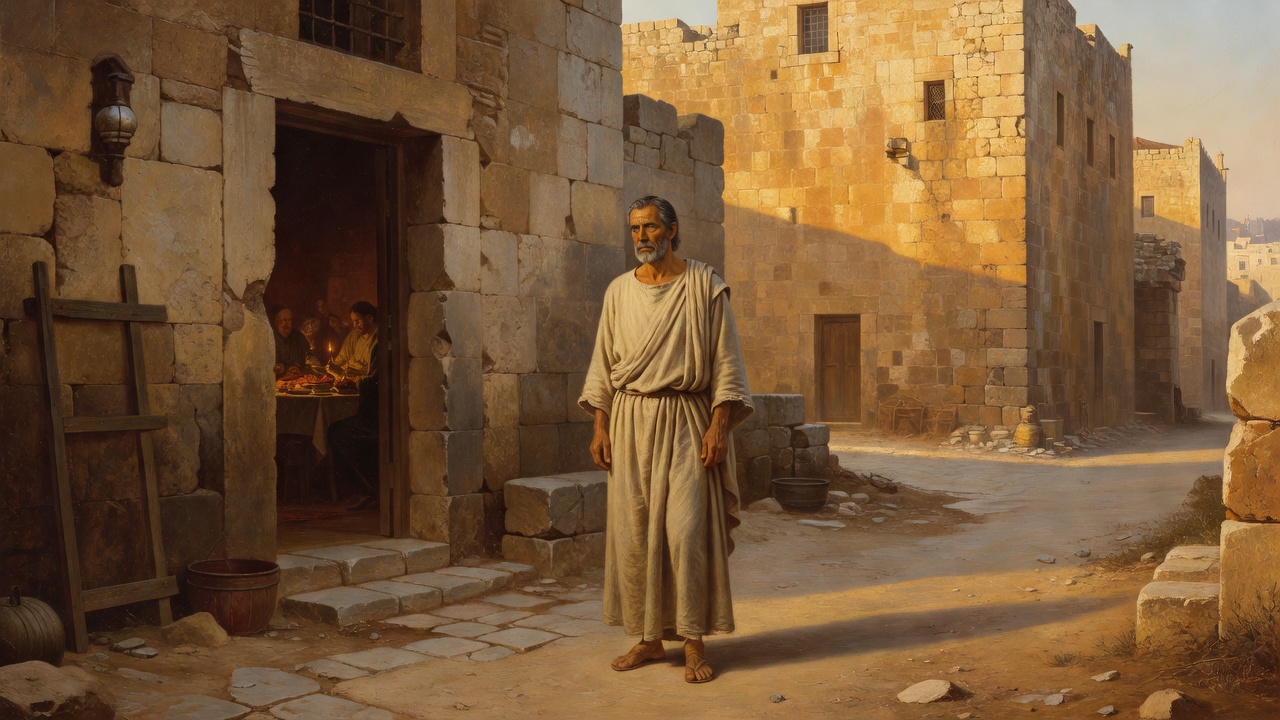
8“Abanyekwala nʼụlọ ebe e nwere oriri soro ndị nọ nʼebe ahụ nọdụ ala iri ihe na ịṅụ ihe ọṅụṅụ 9Nʼihi na otu a ka Onyenwe anyị, Onye pụrụ ime ihe niile, onye bụkwa Chineke Izrel kwuru, ‘Nʼihu gị, na nʼoge ndị a niile ị dị ndụ, ka m ga-eme ka ụzụ ọṅụ na obi ụtọ, na olu ndị ikom na nke ndị inyom na-alụ di na nwunye kwụsị.’
10“Mgbe ị gwara ndị a ihe ndị a, ha ga-ajụ gị ajụjụ sị, ‘Gịnị mere Onyenwe anyị ji kpebie izitere anyị ụdị oke ịla nʼiyi dị otu a? Gịnị bụ ihe ọjọọ anyị mere? Gịnị bụ mmehie anyị mere megide Onyenwe anyị Chineke anyị?’ 11Mgbe ahụ, ị ga-asa ha sị ha, ‘Ihe ndị a na-adakwasị unu nʼihi na nna nna unu ha gbakụtara m azụ,’ otu a ka Onyenwe anyị kwupụtara, ‘gbasoro, fee ma kpọọkwa isiala nye chi ndị ọzọ. Ha jụrụ iso m, jụkwa idebe ihe m nyere ha nʼiwu. 12Ma unu emesoola m mmeso ọjọọ karịa ụdị mmeso nna unu ha mesoro m. Lee ka unu niile nʼotu nʼotu si agbaso ụzọ isiike nke obi ọjọọ unu chepụtara, kama irubere m isi. 13Ya mere, aga m esite nʼala a tufuo unu. Aga m atụbanye unu nʼala ahụ unu na nna unu ha na-amaghị. Ebe ahụ ka unu ga-anọkwa fee chi ndị ọzọ ehihie na abalị. Nʼihi na agaghị m emere unu amara.’
14“Otu ọ dị, ụbọchị ndị ahụ na-abịa,” ka Onyenwe anyị kwupụtara, “mgbe ndị mmadụ na-agaghị asịkwa ọzọ, ‘Dịka Onyenwe anyị na adị ndụ, bụ onye ahụ sitere nʼala Ijipt kpọpụta ụmụ Izrel.’ 15Ma a ga-asị, ‘Dịka Onyenwe anyị na-adị ndụ, bụ onye ahụ kpọpụtara Izrel site nʼala dị nʼugwu, na mba ahụ niile ọ chụsara ha.’ Nʼihi na aga m akpọlata ha nʼala ahụ m nyere nna nna ha.
16“Ma ugbu a, aga m ezipu ọtụtụ ndị ọkụ azụ ka ha gaa jide ha.” Otu a ka Onyenwe anyị kwubiri. “Mgbe nke ahụ gasịrị, aga m ezipụkwa ọtụtụ ndị na-achụ nta, ndị ga-esite nʼelu ugwu ukwu niile na nʼelu ugwu nta niile, na nʼọnụ mgbawara dị na nkume niile, chụọ nta ha. 17Ana m ahụzu ụzọ ha niile. O nweghị ihe zoro ezo nʼebe m nọ. Anya m na-ahụzukwa mmehie ha niile. 18Aga m akwụghachi ha okpukpu abụọ nʼihi ajọ omume ha, na mmehie ha, nʼihi na ha ejirila oyiyi ihe arụ a pịrị apị ha, nke na-enweghị ndụ nʼime ya, merụọ ala m. Ha emeekwala ka arụsị bụ ihe arụ jupụta nʼihe nketa m.”
19Onyenwe anyị, ị bụ ike m na ebe m e wusiri ike,
ebe mgbaba m nʼoge nsogbu.
Mba niile nke ụwa ga-esite na nsọtụ ụwa niile bịakwute gị.
Ha ga-abịakwute gị sị gị,
“Nna anyị ha enweghị ihe ọbụla karịakwa chi ndị na-abụghị chi nʼezie.
Ha bụkwa chi na-abaghị uru, nke na-adịghị ewetara ha ihe ọma ọbụla.”
20Mmadụ ọ pụrụ imere onwe ya chi?
E, ma chi ndị ahụ abụghị chi.
21“Ya mere, aga m eme ka ha mata.
Nʼoge a ka m ga-eme ka ha mata ike m,
na ịdị ike m.
Mgbe ahụ, ha ga-amata
na aha m bụ Onyenwe anyị.
Você sabia?
A Solidão do Profeta e Sinais de Juízo
- Deus ordena a Jeremias que se abstenha do casamento, de refeições fúnebres e de festas. Seu isolamento forçado servia como um sinal vivo para o povo de que perdas catastróficas, fome e espada em breve eliminariam da terra tanto as celebrações alegres quanto os ritos normais de luto.Fontes: o próprio texto bíblico
- O capítulo lista costumes de luto comuns na época, incluindo oferecer pão e o cálice de consolação aos enlutados, além de rapar a cabeça e fazer cortes no corpo em sinal de dor. A magnitude do desastre iminente seria tão avassaladora que essas expressões comunitárias tradicionais de pesar cessariam por completo.Fontes: o próprio texto bíblico
- Historicamente, o êxodo do Egito serviu como a narrativa fundamental do livramento divino de Israel. Jeremias profetiza que uma restauração futura do exílio nas terras do norte superaria até mesmo a memória da libertação do Egito.Fontes: o próprio texto bíblico · Egypt
Notas escritas com auxílio de IA a partir de fontes abertas (Theographic Bible Metadata, CC BY-SA 4.0; Easton’s Bible Dictionary, domínio público) e revisadas antes de publicar.
Lugares deste capítulo
- Egypt · 30.129, 31.308 · versículo 14
Só aparecem lugares com identificação de alta confiança (90% ou mais segundo as fontes acadêmicas reunidas pelo OpenBible). Mapa da época: DARE (Digital Atlas of the Roman Empire), CC BY 4.0; mapa atual: © colaboradores do OpenStreetMap; lugares: OpenBible.info (CC BY 4.0).
Créditos e licença desta tradução
Biblica® Baịbụlụ Nsọ nʼIgbo Ndị Ugbu a nke dịrị onye ọbụla ịgụ The Holy Bible in the Igbo language of Nigeria: Biblica® Baịbụlụ Nsọ nʼIgbo Ndị Ugbu a nke dịrị onye ọbụla ịgụ copyright © 2020 Biblica, Inc. Language: Igbo Contributor: Biblica, Inc. This work is made available under the Creative Commons Attribution-ShareAlike 4.0 International License (CC BY-SA). To view a copy of this license, visit http://creativecommons.org/licenses/by-sa/4.0 or send a letter to Creative Commons, PO Box 1866, Mountain View, CA 94042, USA. Biblica® is a trademark registered by Biblica, Inc., and use of the Biblica® trademark requires the written permission of Biblica, Inc. Under the terms of the CC BY-SA license, you may copy and redistribute this unmodified work as long as you keep the Biblica® trademark intact. If you modify a copy or translate this work, thereby creating a derivative work, you must remove the Biblica® trademark. On the derivative work, you must indicate what changes you have made and attribute the work as follows: “The original work by Biblica, Inc. is available for free at www.biblica.com and open.bible.” Notice of copyright must appear on the title or copyright page of the work as follows: Biblica® Baịbụlụ Nsọ nʼIgbo Ndị Ugbu a nke dịrị onye ọbụla ịgụ Ndị Biblica, Inc. degharịrị ya nʼafọ © 1980, 1988, 2019, 2020 Biblica® Open Igbo Contemporary Bible™ Copyright © 1980, 1988, 2019, 2020 by Biblica, Inc. “Biblica” bụ akara e ji mara ụlọ ọrụ a, nke edebanyere dịka iwu si kwado nʼụlọ ọrụ dị nʼobodo United States, ebe a na-enye akara a na ikike maka azụm ahịa ndị Biblica, Inc. Ọ bụ ha ka e nyere ikike idenye ya. “Biblica” is a trademark registered in the United States Patent and Trademark Office by Biblica, Inc. Used with permission. You must also make your derivative work available under the same license (CC BY-SA). If you would like to notify Biblica, Inc. regarding your translation of this work, please contact us at https://open.bible/contact-us. This translation is made available to you under the terms of the Creative Commons Attribution Share-Alike license 4.0. You have permission to share and redistribute this Bible translation in any format and to make reasonable revisions and adaptations of this translation, provided that: You include the above copyright and source information. If you make any changes to the text, you must indicate that you did so in a way that makes it clear that the original licensor is not necessarily endorsing your changes. If you redistribute this text, you must distribute your contributions under the same license as the original. Pictures included with Scriptures and other documents on this site are licensed just for use with those Scriptures and documents. For other uses, please contact the respective copyright owners. Note that in addition to the rules above, revising and adapting God's Word involves a great responsibility to be true to God's Word. See Revelation 22:18-19. 2023-04-12
Fonte: http://ebible.org/ibo/ · eBible.org