Isaías 66
Biblica® Baịbụlụ Nsọ nʼIgbo Ndị Ugbu a nke dịrị onye ọbụla ịgụ · Toque num versículo para ver as referências cruzadas.
Ikpe ikpe na olileanya
1Ihe ndị a ka Onyenwe anyị na-ekwu,
“Eluigwe bụ ocheeze m,
ụwa bụkwa ebe mgbakwasị ụkwụ m.
Ọ bụ ụdị ụlọ gịnị ka ị ga-ewuru m?
Ebee ka ebe izuike m ga-adị?”
2Ọ bụghị aka m mere ihe ndị a niile,
mee ka ha ji dịrị?
Otu a ka Onyenwe anyị kwupụtara.
“Ma olee ndị ihe ha na-atọ m ụtọ,
ọ bụ ndị ahụ nwere obi umeala, ndị na-adịghị ebuli onwe ha elu,
ndị na-amakwa jijiji nʼokwu m.
3Ma onye ọbụla nke na-achụ aja ehi
dịka nwoke na-egbu mmadụ,
onye ọbụla jikwa nwa atụrụ achụ aja
dị ka onye na-agbaji nkịta olu,
onye ọbụla na-achụ aja mkpụrụ ọka
dị ka onye na-eche ọbara ezi,
otu a kwa, onye ọbụla na-esure ụda na-esi isi ụtọ nke ncheta
dị ka onye na-efe arụsị.
Ha ahọpụtarala onwe ha ụzọ nke ha,
ha na-enwekwa mmasị nʼihe arụ ha niile.
4Ya mere, aga m ezitere ha ahụhụ dị egwu,
mee ka ihe ahụ ha na-atụ egwu ya bịakwasị ha.
Nʼihi na mgbe m kpọrọ ha oku, ha azaghị,
mgbe m gwara ha okwu, ha egeghị ntị.
Kama ha mere ihe ọjọọ nʼihu m,
họrọkwa ime ihe ndị ahụ ha maara na m kpọrọ asị.”
5Nụrụnụ okwu Onyenwe anyị,
unu ndị na-ama jijiji nʼokwu ya,
“Ụmụnna unu, ndị kpọrọ unu asị,
ndị chụpụkwara unu nʼihi aha m, ekwuola sị,
‘Ka a sọpụrụ Onyenwe anyị!
Ka anyị lee ụdị ọṅụ ga-abụ nke unu!’
Ma a ga-etinye ha nʼọnọdụ ihere.
6Ọ bụ gịnị bụ mkpọtụ dị nʼime obodo?
Gịnị bụ oke ụzụ na-ada nʼime ụlọnsọ ukwu Onyenwe anyị?
Ọ bụ ụzụ Onyenwe anyị na-eme.
Onye ahụ na-akwụghachi ndị iro ya ụgwọ ruuru ha.
7“Tupu ime amalite ime ya,
ọ mụpụtalarị nwa ya.
Tupu ihe mgbu ya ebido,
ọ mụpụtala nwa nwoke.
8Onye jiri ntị ya nụtụ ihe dị otu a mbụ?
Onye kwa ji anya ya hụ ihe dị otu a?
A pụrụ ịmụpụta otu mba nʼotu ụbọchị?
Ka e nwere ike ime ka otu obodo malite ịdị nʼotu ntabi anya?
Lee na tupu ihe mgbu nke ọmụmụ nwa ya ebido
Zayọn amụpụtala ụmụ ya.
9Mụ onwe m, m ga-eme ka nwa rute nʼoge ọmụmụ
gharakwa ime ka a mụọ ya?”
ka Onyenwe anyị na-ekwu.
“M ga-emechi akpanwa
mgbe m na-eme ka a mụpụta ya?”
ka Chineke gị jụrụ.
10“Soronụ Jerusalem ṅụrịa ọṅụ, soronụ ya nwee obi ụtọ,
unu ndị niile hụrụ ya nʼanya;
soronụ ya ṅụrịa ọṅụ nke ukwuu,
unu ndị ruru ụjụ nʼihi ya.
11Nʼihi na ihe banyere Jerusalem ga-atọ unu ụtọ.
Unu ga-aṅụjukwa ara nkasiobi ya afọ,
ọ bụladị dịka nwantakịrị si enwe obi ụtọ
mgbe ọ na-aṅụ ara nne ya nke na-agba nke ọma.”
12Nʼihi na ihe ndị a ka Onyenwe anyị kwuru,
“Aga m eme ka udo bara ya ụba dịka osimiri,
mee ka akụnụba niile nke ndị mba ọzọ dịrị ka mmiri na-asọbiga oke.
Ọ ga-elekọta gị, kurukwa gị, makụọkwa gị nʼaka ya,
wugharịakwa gị nʼikpere ya.
13Dịka nne si akasị nwa ya obi,
otu a ka m ga-esi kasịe unu obi.
Ọ bụ nʼime Jerusalem ka a ga-akasị unu obi.”
14Mgbe ị hụrụ ihe ndị a, obi gị ga-aṅụrị ọṅụ,
ịga awasa dịka ahịhịa ọhụrụ;
a ga-emekwa ka aka Onyenwe anyị pụta ìhè nʼebe ndị ohu ya nọ,
ma a ga-egosi ndị iro ya oke iwe ya.
15Nʼihi na lee, Onyenwe anyị ga-eji ọkụ bịa.
Ụgbọala ya ga-adịkwa ka oke ifufe.
Ọ ga-eji ọnụma gosi iwe ya,
werekwa ọkụ na-enwu enwu baa mba.
16Nʼihi na Onyenwe anyị ga-eji ọkụ na mma agha ya
kpee ndị mmadụ niile ikpe.
Ọ ga-egbukwa ọtụtụ mmadụ.
17“Ndị ahụ niile na-edo onwe ha nsọ, ndị na-eme onwe ha ka ha dị ọcha nʼihi ịbanye nʼubi a gbara ogige, ndị ahụ na-eso onye ahụ nọ nʼetiti ndị ahụ na-eri anụ ezi, na oke, na ihe ndị ọzọ ahụ niile rụrụ arụ, ga-ezute ọnwụ nke nọ na-eche ha niile.” Otu a ka Onyenwe anyị kwubiri ya.
18“Ma mụ onwe m, amaara m nke ọma ihe ha zubere ma meekwa, ana m abịa ịchịkọta mba niile na-asụ asụsụ dị iche iche. Ha niile ga-abịakwa hụ ebube m.
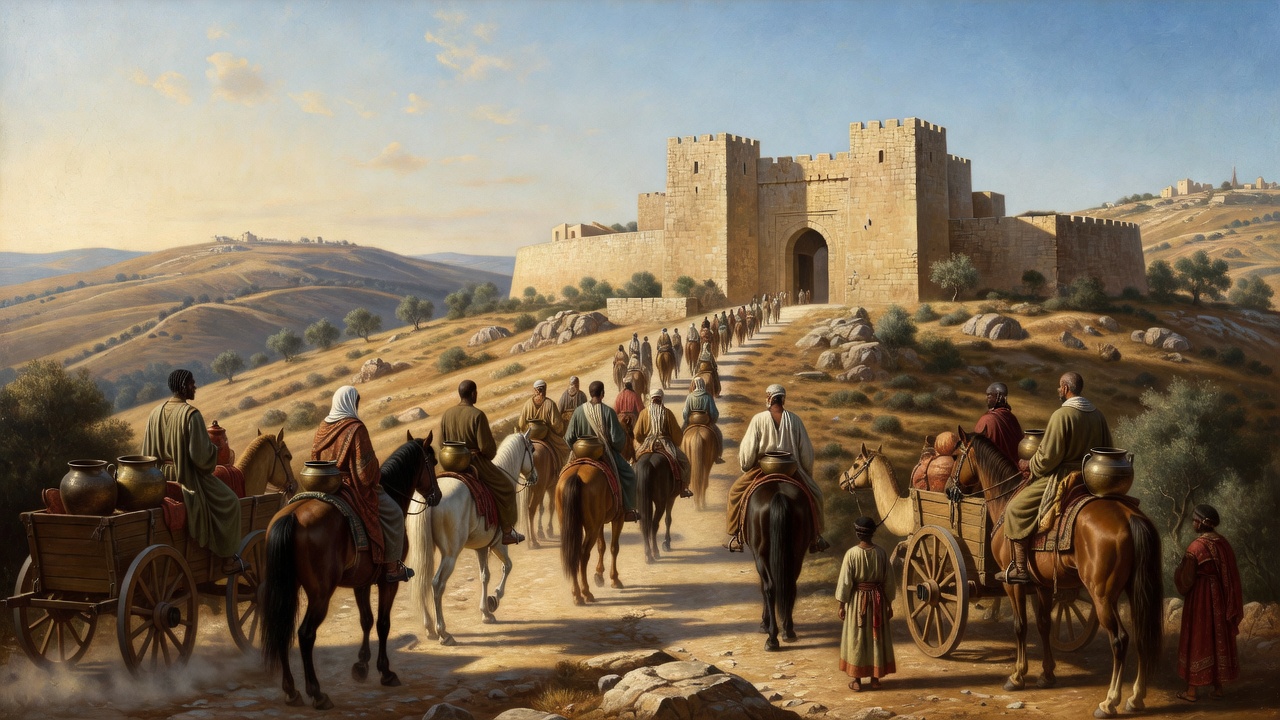
19“Aga m edokwa ihe ịrịbama nʼetiti ha, zipụkwa ndị fọdụrụ ndụ nʼetiti ha ka ha gaa nʼobodo Tashish, na Libiya, na Lidiya (ndị na-agba àkụ nʼụta nke ọma) na Tubal, na Griis. E, ha ga-eje na mba niile nke dị anya, nʼofe osimiri, ebe ndị bi nʼime ya na-anụbeghị ihe banyere ịdị ukwuu nke m, maọbụ hụ ebube m. Ha ga-ekwusakwa ihe banyere ebube m nʼetiti mba niile dị iche iche. 20Ha ga-akpọghachi ụmụnne unu niile site na mba niile, bịa nʼugwu nsọ m dị na Jerusalem, dịka onyinye a na-ewetara Onyenwe anyị. Ha ga-ebute ha nʼelu ịnyịnya, nʼụgbọ agha, nʼelu ụgbọala a na-adọkpụ adọkpụ, nʼelu ịnyịnya muul na nʼelu ịnyịnya kamel,” ka Onyenwe anyị na-ekwu. “Ha ga-ebubata ha dịka mgbe ndị Izrel na-ewebata onyinye mkpụrụ ha nʼụlọnsọ Onyenwe anyị nʼefere mmemme dị ọcha. 21Aga m ahọrọkwa ụfọdụ ka ha bụrụ ndị nchụaja na ndị Livayị,” ka Onyenwe anyị kwuru.
22“Dịka eluigwe ọhụrụ na ụwa ọhụrụ ahụ nke m ga-eke ga-esi dịgide nʼihu m, otu a ka aha unu na agbụrụ unu ga-adịgide, ka Onyenwe anyị kwubiri. 23Ọ ga-abụkwa na site nʼotu Ọnwa ọhụrụ ruo nke ọzọ, sitekwa nʼotu ụbọchị izuike ruo na nke ọzọ ya, anụ ahụ niile bụ mmadụ ga-abịa, daa, kpọọ isiala nʼihu m,” ka Onyenwe anyị kwuru. 24“Ha ga-apụ, jee, lekwasị ozu ndị ahụ niile nwụrụ anwụ anya, bụ ndị ahụ niile nupuru isi megide m. Nʼihi na ikpuru ha agaghị anwụ anwụ, ọkụ a kwanyere agakwaghị anyụ anyụ. Ha ga-abụkwara mmadụ niile ihe na-asọ oyi.”
Você sabia?
A verdadeira adoração e a reunião das nações
- Isaías abre este capítulo final declarando que o céu é o trono de Deus e a terra o estrado de Seus pés, de modo que nenhuma construção humana pode contê-Lo. Em vez disso, Deus valoriza os humildes e contritos de espírito que tremem diante de Sua palavra, em contraste com sacrifícios rituais feitos sem verdadeira devoção.Fontes: o próprio texto bíblico
- A visão profética menciona mensageiros enviados a regiões distantes, incluindo Társis, os arqueiros de Lude, Tubal e Javã, a designação hebraica genérica para o mundo grego. Povos dessas terras remotas e ilhas distantes são retratados viajando a Jerusalém para contemplar a glória de Deus.Fontes: o próprio texto bíblico · Tarshish · Lud · Javan
- A seção final descreve novos céus e uma nova terra duradouros, onde toda a humanidade vem adorar regularmente de sábado em sábado e de lua nova em lua nova. De maneira surpreendente, Deus anuncia que escolherá alguns dentre essas nações reunidas para servirem como sacerdotes e levitas.Fontes: o próprio texto bíblico
Notas escritas com auxílio de IA a partir de fontes abertas (Theographic Bible Metadata, CC BY-SA 4.0; Easton’s Bible Dictionary, domínio público) e revisadas antes de publicar.
Lugares deste capítulo
- Jerusalem · 31.777, 35.234 · versículos 7, 10, 12, 13, 20
- Zion · Hoje: Jerusalem · 31.777, 35.234 · versículo 8
- Javan · Hoje: Ionia · 38.200, 27.500 · versículo 19
- Lud · Hoje: Lydia · 38.488, 28.040 · versículo 19
- Meshech · Hoje: about 200 km around Gordion · 39.655, 31.994 · versículo 19
- Tubal · Hoje: Tabal · 37.296, 36.254 · versículo 19
Só aparecem lugares com identificação de alta confiança (90% ou mais segundo as fontes acadêmicas reunidas pelo OpenBible). Mapa da época: DARE (Digital Atlas of the Roman Empire), CC BY 4.0; mapa atual: © colaboradores do OpenStreetMap; lugares: OpenBible.info (CC BY 4.0).
Créditos e licença desta tradução
Biblica® Baịbụlụ Nsọ nʼIgbo Ndị Ugbu a nke dịrị onye ọbụla ịgụ The Holy Bible in the Igbo language of Nigeria: Biblica® Baịbụlụ Nsọ nʼIgbo Ndị Ugbu a nke dịrị onye ọbụla ịgụ copyright © 2020 Biblica, Inc. Language: Igbo Contributor: Biblica, Inc. This work is made available under the Creative Commons Attribution-ShareAlike 4.0 International License (CC BY-SA). To view a copy of this license, visit http://creativecommons.org/licenses/by-sa/4.0 or send a letter to Creative Commons, PO Box 1866, Mountain View, CA 94042, USA. Biblica® is a trademark registered by Biblica, Inc., and use of the Biblica® trademark requires the written permission of Biblica, Inc. Under the terms of the CC BY-SA license, you may copy and redistribute this unmodified work as long as you keep the Biblica® trademark intact. If you modify a copy or translate this work, thereby creating a derivative work, you must remove the Biblica® trademark. On the derivative work, you must indicate what changes you have made and attribute the work as follows: “The original work by Biblica, Inc. is available for free at www.biblica.com and open.bible.” Notice of copyright must appear on the title or copyright page of the work as follows: Biblica® Baịbụlụ Nsọ nʼIgbo Ndị Ugbu a nke dịrị onye ọbụla ịgụ Ndị Biblica, Inc. degharịrị ya nʼafọ © 1980, 1988, 2019, 2020 Biblica® Open Igbo Contemporary Bible™ Copyright © 1980, 1988, 2019, 2020 by Biblica, Inc. “Biblica” bụ akara e ji mara ụlọ ọrụ a, nke edebanyere dịka iwu si kwado nʼụlọ ọrụ dị nʼobodo United States, ebe a na-enye akara a na ikike maka azụm ahịa ndị Biblica, Inc. Ọ bụ ha ka e nyere ikike idenye ya. “Biblica” is a trademark registered in the United States Patent and Trademark Office by Biblica, Inc. Used with permission. You must also make your derivative work available under the same license (CC BY-SA). If you would like to notify Biblica, Inc. regarding your translation of this work, please contact us at https://open.bible/contact-us. This translation is made available to you under the terms of the Creative Commons Attribution Share-Alike license 4.0. You have permission to share and redistribute this Bible translation in any format and to make reasonable revisions and adaptations of this translation, provided that: You include the above copyright and source information. If you make any changes to the text, you must indicate that you did so in a way that makes it clear that the original licensor is not necessarily endorsing your changes. If you redistribute this text, you must distribute your contributions under the same license as the original. Pictures included with Scriptures and other documents on this site are licensed just for use with those Scriptures and documents. For other uses, please contact the respective copyright owners. Note that in addition to the rules above, revising and adapting God's Word involves a great responsibility to be true to God's Word. See Revelation 22:18-19. 2023-04-12
Fonte: http://ebible.org/ibo/ · eBible.org